


5 Steps How to Plan Educational Kayaking Tours in the San Juan Islands (Easy Guide for First-Time Educators)

Planning an educational kayaking expedition to the San Juan Islands represents one of the most impactful decisions you can make for your students' learning journey. The Pacific Northwest offers unparalleled opportunities to study marine biology, wildlife ecology, and indigenous cultural traditions: all while paddling through waters inhabited by orcas, sea otters, and countless other species.
For first-time educators, the prospect of organizing such an expedition may seem overwhelming. However, with careful preparation and a structured approach, you can create a transformative experience that connects classroom learning with real-world discovery. This guide provides a clear, step-by-step framework to help you plan a safe, educational, and unforgettable kayaking tour in the San Juan Islands.
Step 1: Define Clear Learning Objectives and Curriculum Connections
Before contacting tour operators or booking accommodations, establish precisely what you want your students to learn. Strong learning objectives ensure that every activity serves an educational purpose and helps justify the trip to administrators and parents.
Identify Core Subject Areas
The San Juan Islands provide exceptional opportunities for interdisciplinary learning. Consider focusing on:
Marine Biology: Study orca whale behavior, sea otter populations, harbor seals, and diverse marine ecosystems
Earth Science: Explore geological formations, tidal patterns, and the effects of glacial activity on island topography
Environmental Conservation: Examine Leave No Trace principles, marine sanctuary regulations, and wildlife rehabilitation efforts
Cultural Studies: Investigate Coast Salish indigenous history, traditional practices, and contemporary tribal communities
Align with Educational Standards
Document how each planned activity connects to your state's educational standards. This alignment strengthens your proposal when seeking administrative approval and helps parents understand the academic value of the expedition.
Set Measurable Outcomes
Establish specific, measurable learning outcomes for each subject area. For example: "Students will identify three distinct marine mammal species in their natural habitat and describe their behavioral adaptations." Clear outcomes allow you to assess student learning effectively upon return.
Step 2: Plan Safe Routes and Establish Safety Protocols
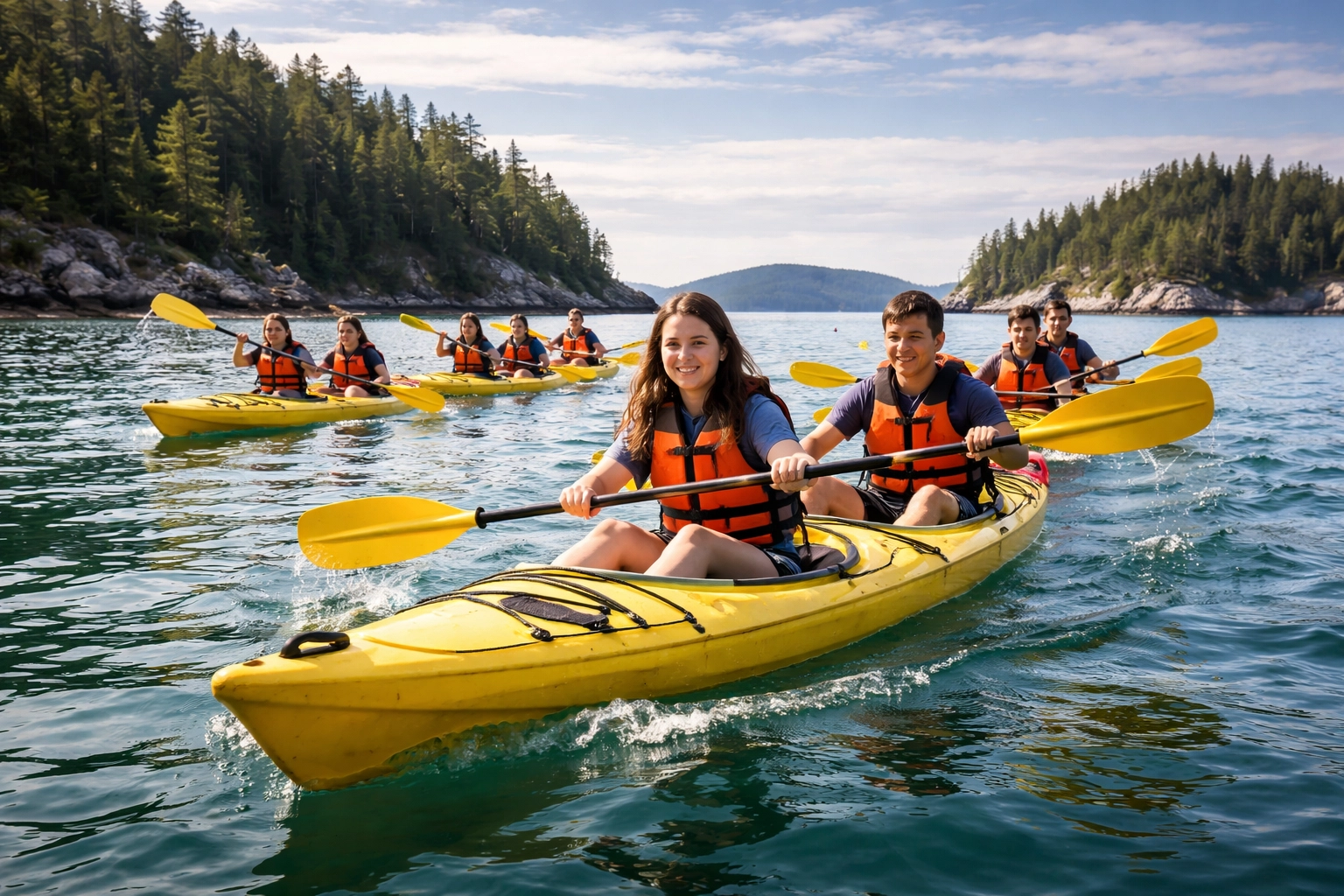
Safety must remain your paramount concern throughout the planning process. The San Juan Islands present unique challenges, including variable weather, strong currents, and wildlife encounters that require careful preparation.
Assess Environmental Conditions
Work with experienced guides who understand local conditions. Key factors to evaluate include:
Tides and Currents: The San Juan Islands experience significant tidal exchanges that affect paddling difficulty and safety
Wind Patterns: Afternoon winds can create challenging conditions for inexperienced paddlers
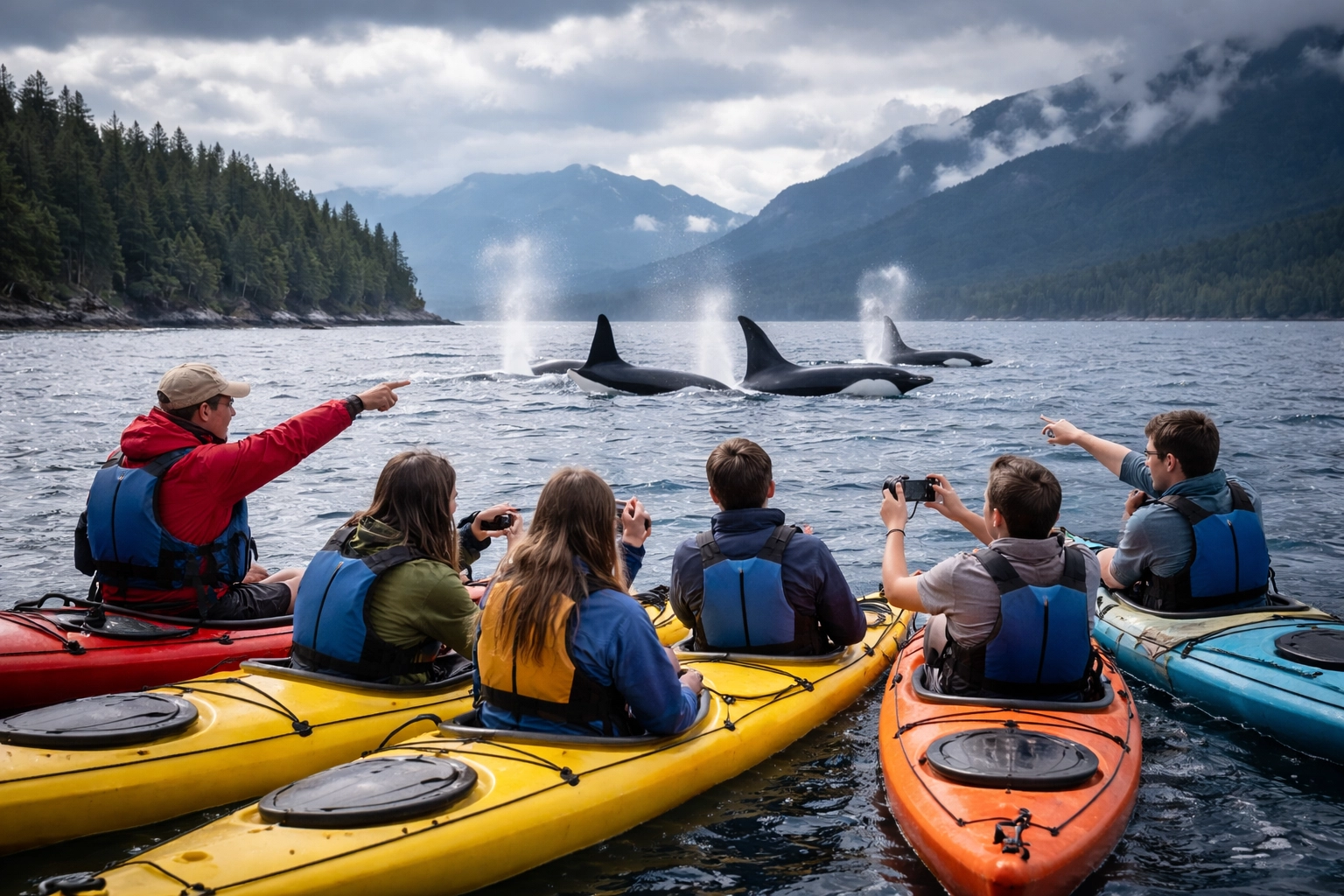
Wildlife Proximity: Regulations require maintaining safe distances from marine mammals, particularly orcas
Determine Appropriate Paddling Distances
Most educational tours cover between 2.5 to 10 miles per day, depending on student fitness levels and weather conditions. For first-time groups, conservative estimates ensure enjoyable experiences without exhausting participants.
Establish Emergency Procedures
Develop comprehensive emergency protocols that address:
Communication methods on the water (VHF radios, satellite phones)
Rescue procedures for capsized kayaks
Medical emergency response plans
Designated meeting points if groups become separated
Weather-related evacuation procedures
Verify Instructor Qualifications
Ensure all guides hold appropriate certifications, such as American Canoe Association (ACA) credentials. Qualified instructors should demonstrate expertise in both paddling skills and naturalist education, providing educational commentary throughout the expedition.
Step 3: Integrate Cultural Immersion Experiences
A truly comprehensive educational expedition extends beyond marine science to include meaningful cultural learning. The San Juan Islands region holds deep significance for Coast Salish peoples, and incorporating indigenous perspectives enriches student understanding of the Pacific Northwest.
Partner with Tribal Communities
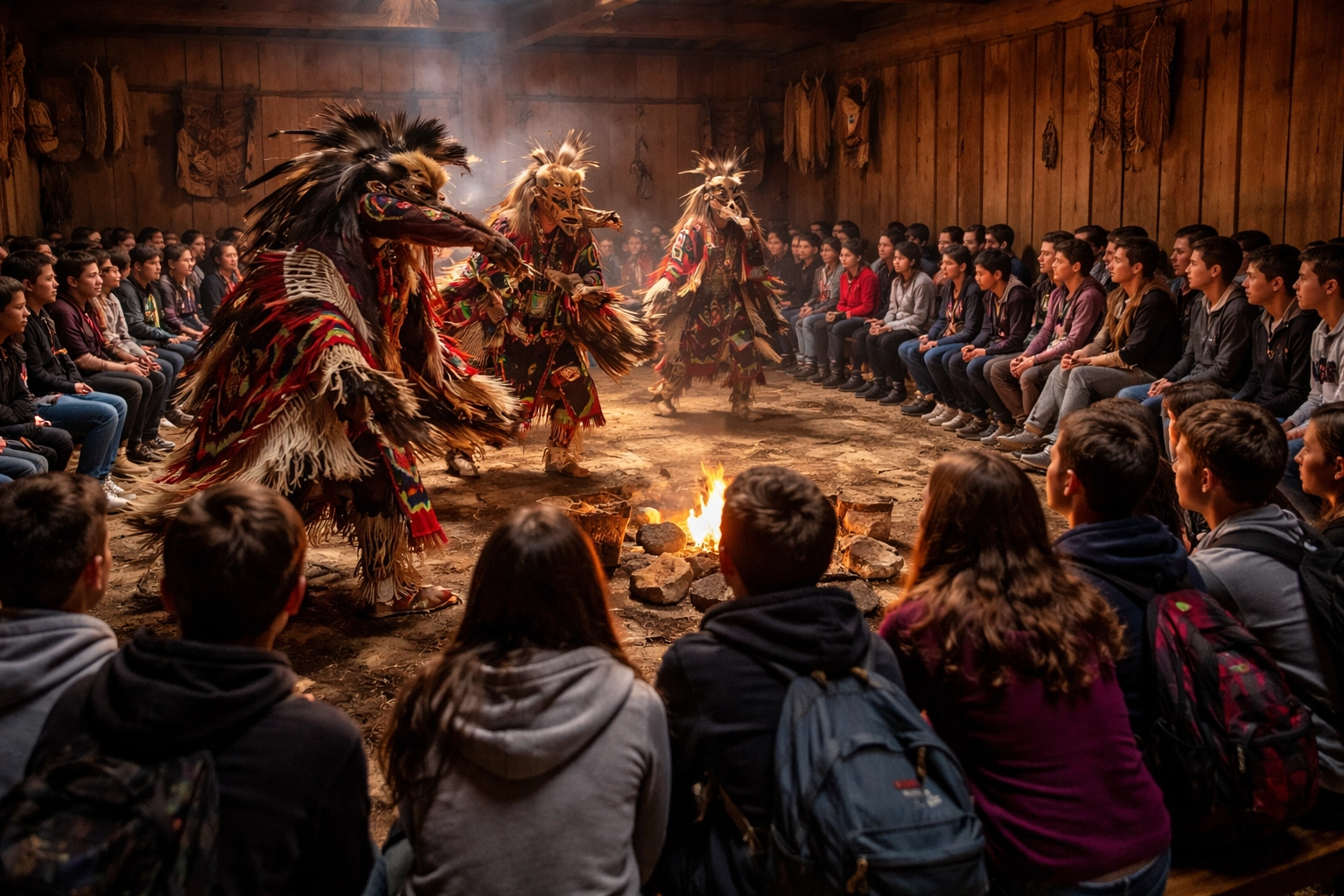
Reach out to local tribal organizations to arrange authentic cultural experiences. Many communities welcome educational groups and offer programs that include:
Traditional dance performances and their cultural significance
Storytelling sessions about indigenous connections to the marine environment
Discussions of traditional ecological knowledge and conservation practices
Demonstrations of traditional arts and crafts
Prepare Students for Cultural Engagement
Before the trip, ensure students understand appropriate protocols for participating in cultural activities. Emphasize:
Respectful observation and participation
The importance of listening and learning rather than photographing everything
Understanding that some knowledge may be sacred and not shared with outsiders
Recognizing the ongoing presence and sovereignty of indigenous peoples
Connect Cultural and Scientific Learning
Help students recognize the connections between indigenous traditional knowledge and modern marine science. Coast Salish peoples have observed and interacted with orca populations for thousands of years, offering perspectives that complement contemporary research.
Step 4: Coordinate Equipment, Logistics, and Accommodations
Meticulous logistical planning prevents complications during your expedition. Address every detail well in advance to ensure smooth operations.
Equipment Requirements
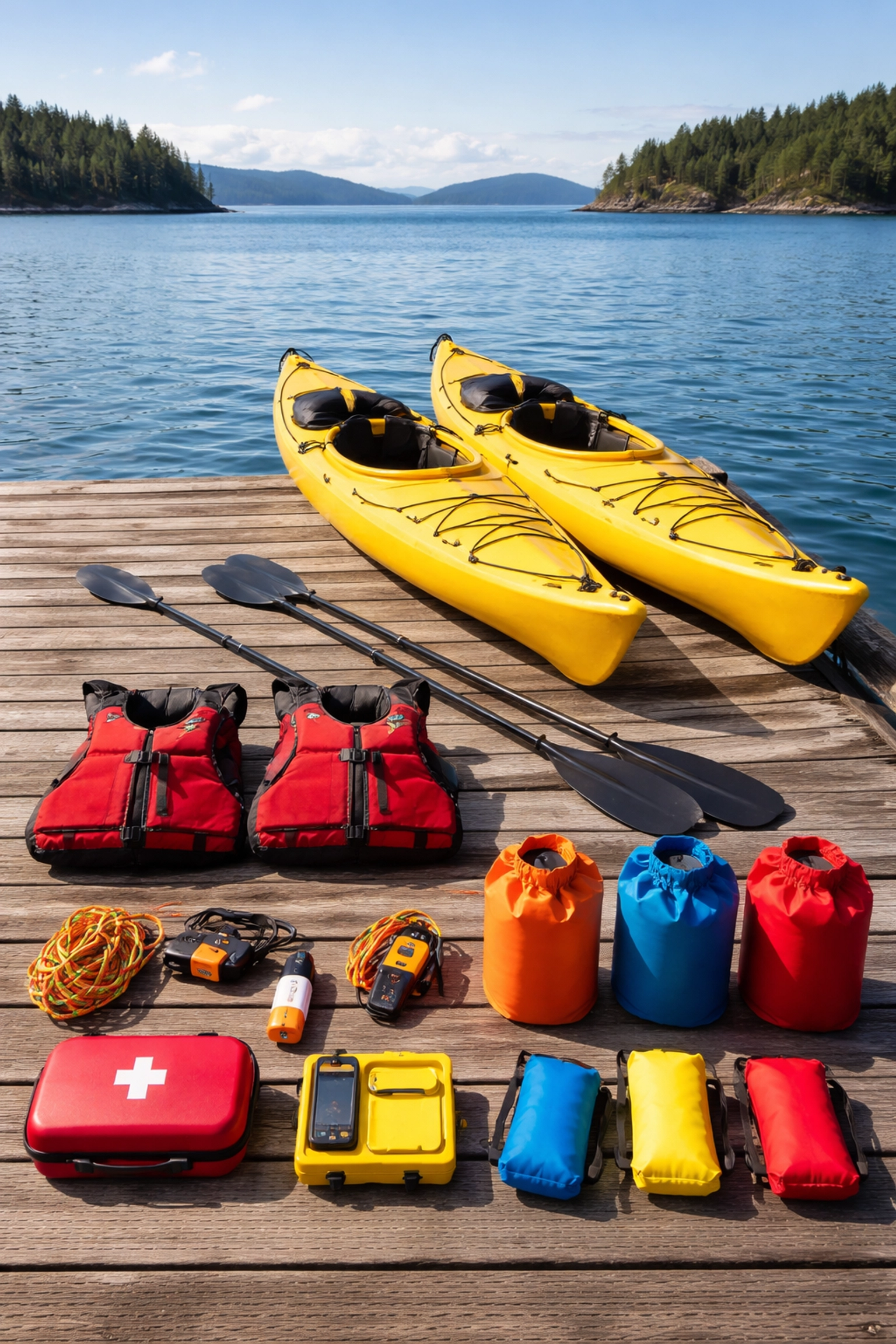
Quality tour operators provide essential equipment, including:
Stable two-person fiberglass kayaks appropriate for varying skill levels
Properly fitted paddles and life jackets (PFDs) for all participants
Spray skirts for weather protection
Dry bags for personal belongings
Safety equipment including first aid kits, bilge pumps, and towlines
Skill Assessment and Training
Before departure, assess student paddling abilities and provide necessary instruction. Pre-trip training should cover:
Basic paddle strokes and kayak control
Entry and exit techniques
Capsize recovery procedures
Communication signals on the water
Marine chart reading fundamentals
Accommodation and Meal Planning
Multi-day expeditions require comfortable accommodations that support educational goals. Options include:
Island lodges with classroom spaces for evening lectures
Camping experiences that reinforce Leave No Trace principles
Combinations of lodging and camping for varied experiences
Coordinate meal planning to accommodate dietary restrictions and provide adequate nutrition for physical activity.
Step 5: Prepare Students, Parents, and Chaperones
Thorough preparation of all participants ensures a successful expedition. Communication and education before departure prevent problems and maximize learning opportunities.
Student Preparation
Conduct pre-trip sessions covering:
Physical conditioning recommendations for paddling
Wildlife identification skills for species they may encounter
Background information on San Juan Islands ecology and geology
Expectations for behavior and participation
Packing guidelines for appropriate clothing and personal items
Parent Communication
Provide parents with comprehensive information including:
Detailed itinerary with daily activities and locations
Emergency contact procedures and communication protocols
Equipment lists and packing recommendations
Health and safety protocols
Permission forms and medical information requirements
Share a detailed itinerary so parents understand where students will be each day. This transparency builds trust and ensures families can reach their children if necessary.
Chaperone Training
Chaperones require additional preparation to support educational goals and safety protocols. Conduct training sessions that address:
Supervision responsibilities and ratios
Emergency response procedures
Supporting students with special needs
Reinforcing educational objectives during activities
Modeling appropriate behavior and environmental stewardship
Partner with Experienced Educational Travel Providers
Planning a comprehensive educational kayaking expedition requires significant expertise and local connections. Partnering with an experienced educational travel organization streamlines the process while ensuring safety and educational quality.
Appleseed Expeditions specializes in Pacific Northwest science expeditions that combine wildlife ecology, earth science, and cultural immersion. Our programs include expert naturalist guides, comprehensive safety protocols, and meaningful connections with local communities: allowing you to focus on teaching while we handle logistics.
Final Considerations for Success
A well-planned educational kayaking tour in the San Juan Islands offers students transformative experiences that no classroom can replicate. Watching orcas surface beside your kayak, observing sea otters in their natural habitat, and participating in indigenous cultural traditions creates lasting memories and deep learning.
Begin your planning process early: ideally six to twelve months before your intended travel dates. This timeline allows adequate preparation, ensures availability during peak wildlife viewing seasons, and provides sufficient time for student and parent preparation.
With careful attention to learning objectives, safety protocols, cultural integration, logistics, and participant preparation, you can deliver an educational experience that inspires the next generation of environmental stewards and global citizens. The San Juan Islands await: and so do the orcas.

Comments