


Best marine biology programs for schools

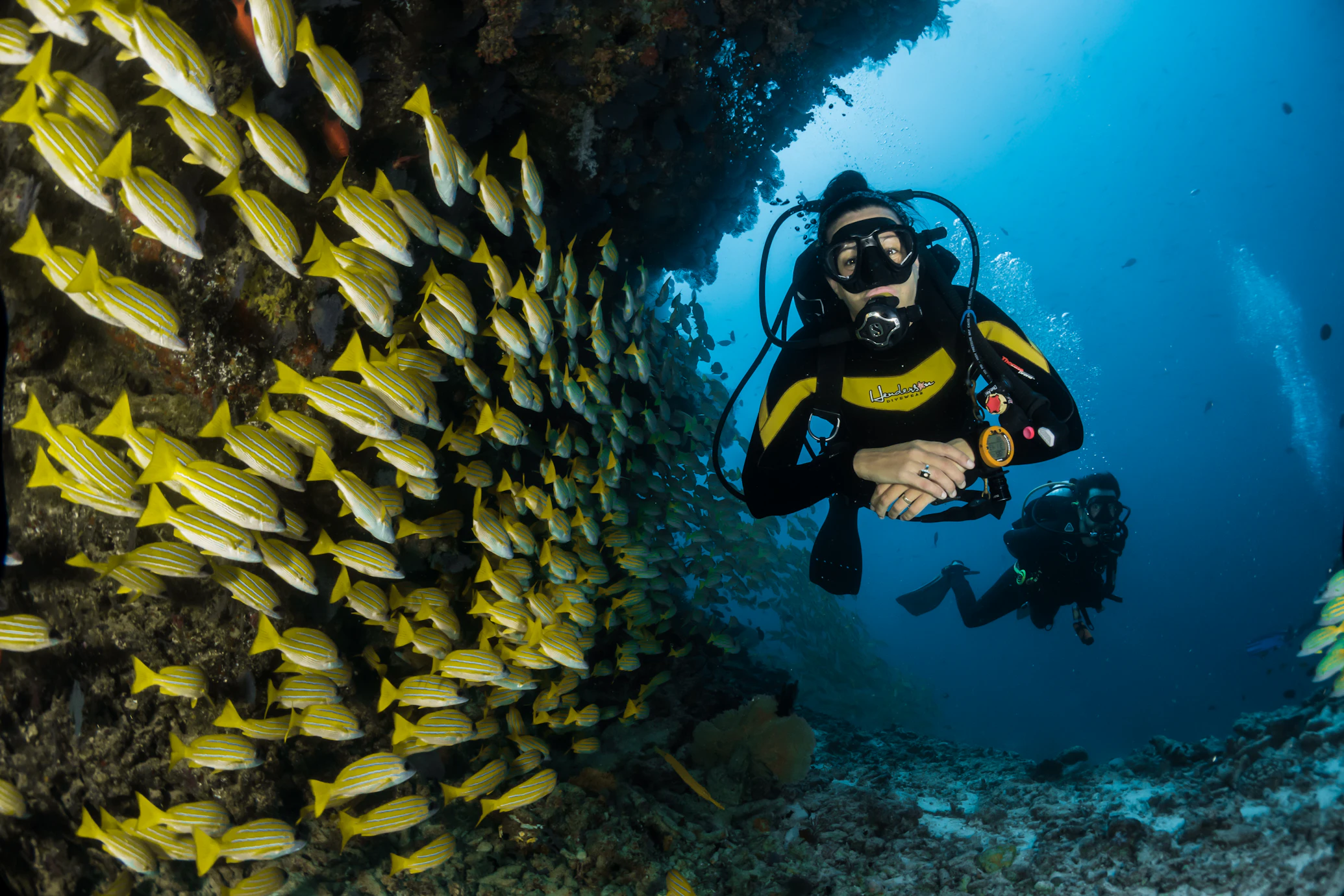
Providing students with high-quality, hands-on marine biology education is of paramount importance for fostering the next generation of environmental stewards and scientific thinkers. In an era where ocean health is inextricably linked to global climate stability, moving beyond the traditional classroom setting to engage in field-based research is no longer a luxury: it is a pedagogical necessity.
For educators, selecting the right program involves meticulous planning, a risk-averse approach to safety, and a commitment to academic rigor. This guide outlines the premier marine biology programs for schools, emphasizing those that prioritize hands-on research, conservation, and service-learning.
Criteria for Selecting an Elite Marine Biology Program
When evaluating potential expeditions for your students, you must prioritize programs that offer more than mere sightseeing. A truly transformative educational experience should be built upon a foundation of structured learning and safety.
Academic Alignment: Ensure the curriculum aligns with your school’s science standards (e.g., NGSS). Look for programs that integrate Earth Science, biology, and chemistry.
Hands-On Research Opportunities: Prioritize programs that allow students to function as "citizen scientists," collecting real data that contributes to ongoing conservation efforts.
Professional Supervision: Verify that instructors possess advanced degrees in marine science or related fields and are trained in emergency medical response.
Service-Learning Integration: The most impactful programs connect scientific study with community service, reinforcing the responsibility students have toward the environment.
Safety and Risk Management: Formal procedures, emergency plans, and a high staff-to-student ratio are non-negotiable requirements for any school-sanctioned travel.
Top Marine Biology Programs for Middle and High Schools
The following programs are recognized for their excellence in experiential learning and their commitment to marine conservation.
1. Appleseed Expeditions: Crystal River & The Emerald Coast (Florida)
Appleseed Expeditions offers a uniquely rigorous marine science program centered in Florida. Their Florida expeditions focus on the complex hydrogeology of the Florida aquifer and the ecology of the West Indian manatee. Unlike many programs that offer passive observation, Appleseed involves students in active data collection and habitat analysis.
2. Catalina Island Marine Institute (CIMI)
Located on Catalina Island, California, CIMI is a staple for West Coast schools. Their program emphasizes island ecology, offering students the chance to conduct labs on plankton, invertebrates, and fish. Their facilities are state-of-the-art, and their safety protocols are well-established for large school groups.
3. Sea Turtle Camp (North Carolina & Costa Rica)
For schools with a specific interest in herpetology and coastal conservation, Sea Turtle Camp provides intensive programs. Students work alongside conservationists to understand nesting behaviors and the biological threats facing endangered sea turtles.
4. Broadreach (Caribbean & International)
Broadreach offers highly immersive summer programs where students live aboard sailing vessels. This model is excellent for teaching leadership and seamanship alongside marine biology modules, such as coral reef health assessments and fish identification.

In-Depth Spotlight: The Appleseed Expeditions Manatee Research Program
Among the various options available to educators, the Crystal River program by Appleseed Expeditions stands out for its integration of marine biology, geology, and conservation policy. Crystal River and Kings Bay form the second-largest springs group in Florida, discharging approximately 600 million gallons of freshwater daily from the karst aquifer.
The Science of Thermal Refugia
During the winter months, when the Gulf of Mexico temperatures drop, manatees: which cannot tolerate water colder than 68°F (20°C): migrate into the 72°F (22°C) springs of Crystal River. This makes the area a critical winter refuge and a world-class site for studying marine mammal behavior.
Hands-on Student Activities in Crystal River:
Water Quality Monitoring: Students use thermometers and data loggers to record temperature gradients between the springs and the open gulf, analyzing how these physical factors dictate manatee distribution.
Behavioral Ethograms: Students observe manatees from a distance, recording specific behaviors such as resting, nursing, and social interaction. This data mirrors the professional surveys conducted by the Crystal River National Wildlife Refuge.
Karst Geology Studies: Educators can lead discussions on how the limestone aquifer system functions, connecting Earth Science to the biological needs of the local fauna.
Conservation and Service-Learning
A core tenet of the Appleseed philosophy is "science with a soul." Students don't just learn about manatees; they participate in service projects that directly benefit the ecosystem. This might include shoreline cleanups or educational outreach projects designed to inform the public about "no-entry" sanctuary zones.
For educators seeking a broader international scope, Appleseed also offers exceptional programs in Belize, the Galápagos Islands, and the Dominican Republic, each with its own unique marine science focus.
Detailed Safety and Preparation Checklist for Educators
Ensuring the safety of students during a marine science expedition is of paramount importance. You must be proactive in your preparation and anticipate potential problems before they arise. Follow these steps to ensure a secure and productive trip:
Conduct a Pre-Trip Safety Briefing: Advise students and parents on the specific risks associated with marine environments, including sun exposure, hydration, and safe wildlife interaction.
Verify Certifications: Ensure all guides and boat operators are fully licensed and that the expedition company has a formal emergency response plan in place.
Review Medical Information: Maintain a meticulously updated list of all student allergies, medical conditions, and emergency contacts. Keep this information accessible at all times during the trip.
Emphasize Supervision: Establish clear rules for student behavior near the water. Maintain a strict "buddy system" during snorkeling or field collection activities.
Develop Contingency Plans: Prepare for weather-related delays or medical emergencies by identifying the nearest medical facilities and having clear evacuation protocols.
The Educational Impact: Beyond the Classroom
The goal of a marine biology program is not merely to transmit facts, but to inspire a lifelong passion for learning and service. By engaging in real-world research, students develop critical thinking skills and a deep respect for the natural world.
Quantitative Skills: Students learn to collect, graph, and analyze real-world data (e.g., manatee counts vs. water temperature).
Responsibility: Service projects instill a sense of ownership over the environment.
Career Exploration: Direct interaction with marine biologists and conservationists provides students with a clear view of potential career paths in STEM.

Conclusion: Ensuring Success Through Preparation
Selecting the best marine biology program for your school requires a balance of academic ambition and meticulous safety planning. Programs like those offered by Appleseed Expeditions provide the structured, hands-on environment necessary for students to thrive.
By focusing on real research, such as the manatee studies at Crystal River, and adhering to strict safety protocols, you can provide your students with a transformative experience that extends far beyond the textbook. Always remember: the success of an expedition is determined long before the students arrive at the water's edge. Thorough preparation, clear communication, and a focus on core values are the hallmarks of a truly elite educational travel program.

Today I spent some time exploring different informational websites online. While reading through this content, I found uppcl online bill mentioned and decided to continue reading. The information was organized well and presented in a straightforward format. I appreciate articles that help readers understand topics without confusion. Thank you for creating such useful content and providing valuable information in an easy-to-read manner.