


Costa Rica vs Classroom Learning: Which Is Better for Your Student Group's Conservation Education?
- Caleb Mullenix
- Jan 5
- 5 min read

Determining the most effective approach for conservation education represents a critical decision for educators seeking to inspire the next generation of environmental stewards. The choice between traditional classroom instruction and immersive field experiences fundamentally shapes how students understand, engage with, and commit to conservation principles. When considering a student trip to Costa Rica versus classroom-based learning, research demonstrates significant advantages for field-based education that extend far beyond simple knowledge acquisition.
The Transformative Power of Costa Rica Field Studies
Direct Wildlife Encounters Create Lasting Impact
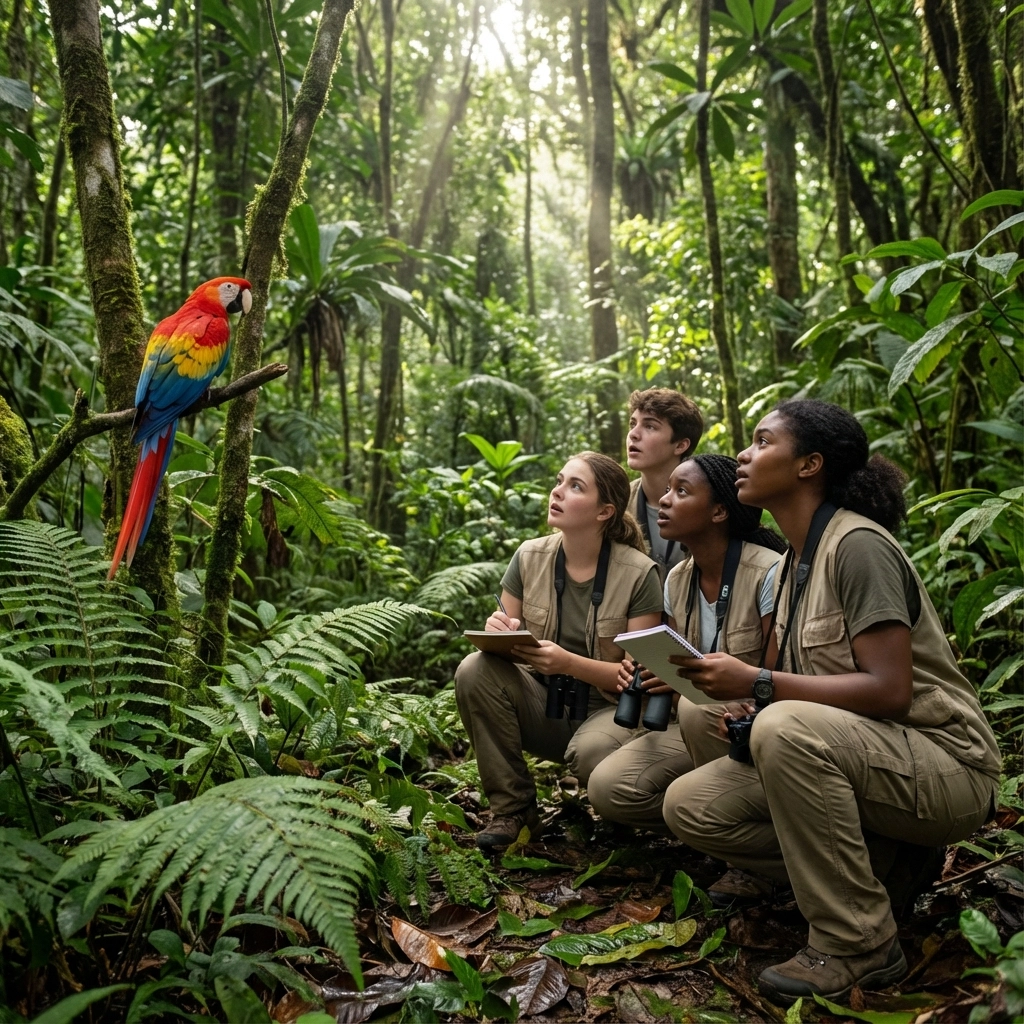
Costa Rica field studies for schools provide unparalleled opportunities for students to observe wildlife in natural habitats rather than through textbooks or behind zoo barriers. Students participating in immersive student wildlife experiences Costa Rica witness complex ecosystem interactions firsthand, observing how species adapt to environmental challenges and contribute to biodiversity conservation.
Research conducted on Costa Rica conservation trip for students programs reveals remarkable learning outcomes. In one comprehensive study, students who completed a one-month environmental education course focused on macaw conservation demonstrated learning on 71% of assessment questions, significantly exceeding baseline performance levels. This data underscores the superior retention rates achieved through direct environmental engagement.
Active Participation in Conservation Work
Unlike passive classroom observation, Costa Rica wildlife trip for students programs engage participants in meaningful conservation activities. Students contribute to wildlife rehabilitation efforts, conduct species inventories, participate in beach cleanup initiatives, and assist with sea turtle protection programs. These hands-on experiences create emotional connections that transform abstract conservation concepts into personal commitments.
Students who spent 3.5 weeks in Costa Rican rainforests reported that living in the forest environment had a profound impact on their appreciation of biodiversity importance. The immersive nature of educational trip Costa Rica programs allows students to experience the sensory richness of tropical ecosystems, from dawn bird choruses to nocturnal wildlife sounds that no classroom can replicate.
Enhanced Academic Development Across Disciplines
Student travel Costa Rica programs extend benefits beyond environmental science education. History and political science students can examine Costa Rica's unique decision to abolish its armed forces, observing the practical effects of this policy on public spending and social development. Language students benefit from immersive Spanish-speaking environments that accelerate acquisition and cultural competency.
The interdisciplinary nature of Costa Rica student group travel creates connections between scientific observation, cultural understanding, and community engagement that classroom instruction cannot match. Students develop global perspectives while contributing to meaningful community development projects that benefit local populations.
Limitations of Classroom-Only Conservation Education
Abstract Learning Reduces Engagement
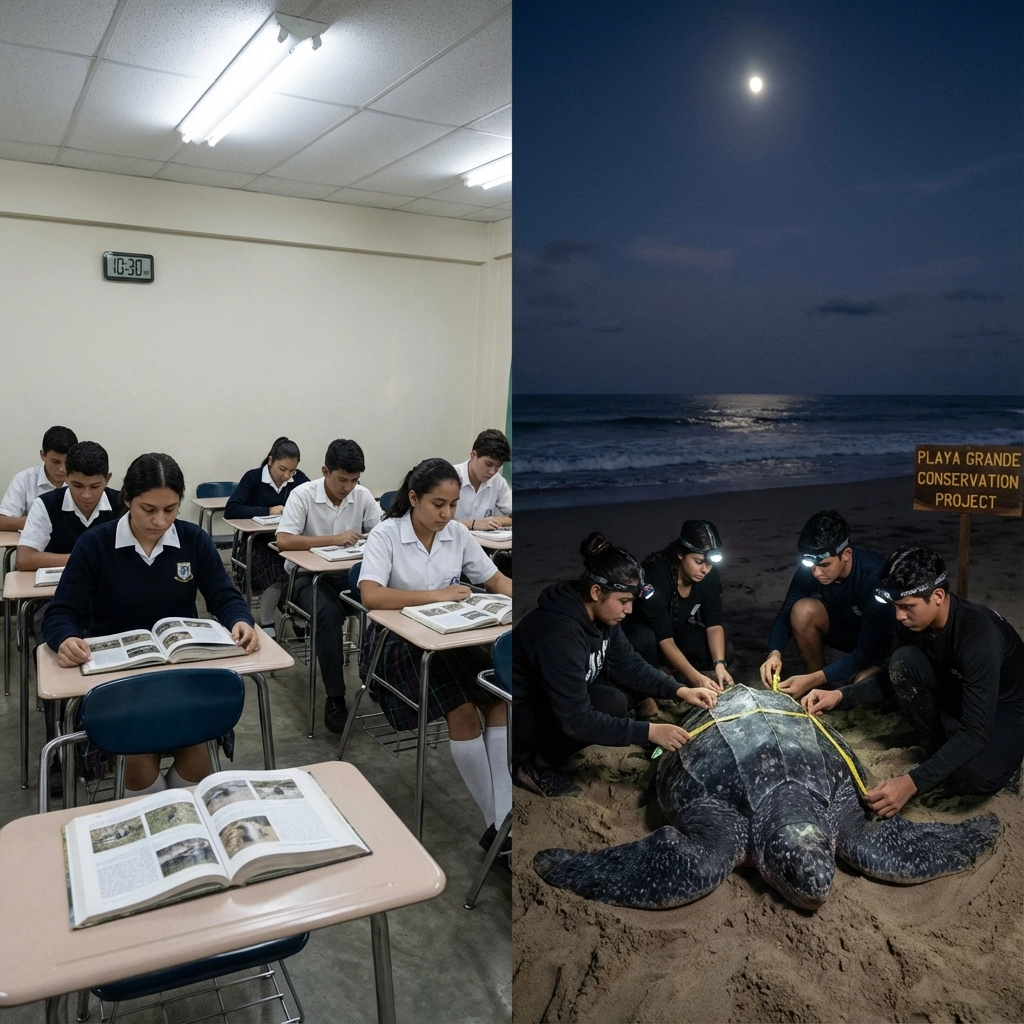
Traditional classroom approaches to conservation education rely heavily on textbooks, videos, and static images to convey complex ecological concepts. Students may glimpse wildlife through documentary footage or encounter animals only during brief zoo visits, but these experiences lack the sensory engagement and emotional impact necessary for lasting behavioral change.
Classroom instruction typically presents conservation as theoretical knowledge rather than active practice. Students learn about endangered species statistics and habitat destruction without experiencing the urgency of real-world conservation challenges or participating in solution-oriented activities.
Limited Hands-On Application Opportunities
Standard classroom environments provide minimal opportunities for students to practice conservation techniques or contribute to actual environmental protection efforts. Laboratory simulations and local nature walks, while valuable, cannot replicate the complexity and scale of tropical ecosystem conservation work available through international field programs.
Comparative Analysis: Field vs. Classroom Learning
Learning Retention and Knowledge Application
Field-based Costa Rica conservation trip for students programs consistently demonstrate superior learning retention compared to classroom-only approaches. The combination of direct observation, active participation, and emotional engagement creates multiple pathways for knowledge acquisition and retention.
Students participating in Costa Rican field courses show significantly increased awareness of conservation issues and enhanced interest in biological research. This transformation extends beyond academic performance to influence career aspirations and long-term environmental commitment.
Cost-Effectiveness and Accessibility Considerations
Classroom instruction maintains advantages in cost-effectiveness and accessibility. Traditional approaches require minimal financial investment and can accommodate all students regardless of economic circumstances or physical limitations. Costa Rica student group travel programs require substantial financial resources and may exclude students who cannot participate in international travel.
However, the transformative impact of field experiences often justifies increased investment. The documented behavioral changes and enhanced conservation commitment resulting from immersive student wildlife experiences Costa Rica create long-term value that extends beyond immediate educational outcomes.
Strategic Implementation Guidelines
When to Prioritize Costa Rica Field Studies
Choose educational trip Costa Rica programs when your primary objectives include:
Transforming student attitudes toward conservation and environmental stewardship
Developing practical conservation skills through hands-on application
Creating lasting emotional connections to wildlife and ecosystems
Enhancing cross-cultural competency and global awareness
Inspiring long-term commitment to environmental careers and advocacy
Research confirms that field courses greatly enhance student interest in conservation while supporting overall academic development. The immersive nature of Costa Rica wildlife trip for students programs creates transformational experiences that influence life-long environmental engagement.
When Classroom Learning Remains Essential
Maintain classroom-based instruction when:
Budget constraints prevent international travel opportunities
Curriculum timelines require systematic progression through foundational concepts
Student populations include individuals unable to participate in extended travel
Reinforcement and extension of field learning experiences are necessary
Integrated Approach for Maximum Effectiveness
The most effective strategy combines classroom preparation with field experience and post-trip reinforcement. Pre-departure classroom instruction establishes foundational knowledge that enhances field observations and participation. Costa Rica field studies for schools become more meaningful when students arrive with solid conceptual understanding of ecosystem principles and conservation challenges.
Post-trip classroom activities extend and deepen insights gained during field experiences. Students can analyze data collected during conservation work, research solutions to observed environmental challenges, and develop action plans for local conservation initiatives.
Implementation Best Practices
Pre-Trip Preparation Requirements
Ensure comprehensive classroom preparation before student travel Costa Rica programs begin. Establish clear learning objectives, provide background knowledge about target ecosystems, and prepare students for cultural interactions and conservation work expectations.
Develop detailed safety protocols and emergency procedures that address the unique challenges of international travel and field research activities. Communicate these procedures clearly to students, parents, and supervising personnel.
Maximizing Field Learning Opportunities
Structure Costa Rica student group travel itineraries to balance observation, participation, and reflection activities. Provide multiple opportunities for students to engage with local conservation professionals, participate in ongoing research projects, and contribute meaningfully to community-based environmental initiatives.
Encourage students to document observations, collect data, and maintain detailed field journals that support post-trip analysis and reporting activities.
Long-Term Impact Assessment
Measuring Conservation Commitment
Evaluate the effectiveness of Costa Rica conservation trip for students programs through follow-up assessments that measure sustained interest in environmental issues, career aspirations, and continued participation in conservation activities.
Research indicates that students who participate in intensive field experiences maintain enhanced environmental awareness and demonstrate increased likelihood of pursuing conservation-related academic programs and career paths.
Supporting Continued Engagement
Establish mechanisms for ongoing student involvement in conservation activities following immersive student wildlife experiences Costa Rica. Connect returning students with local environmental organizations, research opportunities, and advocacy initiatives that maintain momentum generated through field experiences.
Conclusion and Recommendations
The evidence overwhelmingly supports the superior effectiveness of Costa Rica field studies for conservation education when resources and circumstances permit. Educational trip Costa Rica programs create transformational experiences that inspire lifelong environmental commitment while providing practical conservation skills and global perspectives impossible to achieve through classroom instruction alone.
However, the most effective approach integrates both methodologies, using classroom preparation to enhance field experiences and post-trip activities to extend and apply field-based learning. This comprehensive strategy maximizes the benefits of Costa Rica field studies for schools while ensuring accessibility and systematic curriculum coverage.
For educators seeking to inspire genuine conservation commitment and develop the next generation of environmental leaders, student trip to Costa Rica programs represent an invaluable investment in transformational education that creates lasting impact far beyond traditional classroom boundaries.
Comments