


Future Foodies: Why Food Science Trips are the Next Big Thing in Student Travel
- Caleb Mullenix
- Mar 4
- 5 min read

Understanding the global food system is of paramount importance in the 21st century. As the world’s population continues to grow and climate patterns shift, the science of how we grow, process, and distribute food has become a critical field of study. For students, moving beyond the classroom to witness these systems in action is no longer just an "extra" activity; it is a vital component of a comprehensive STEM education.
In 2026, leading institutions like the University of Florida and Purdue University have significantly expanded their food science programs, signaling a massive shift in educational priorities. At Appleseed Expeditions, we recognize that the next generation of scientists, policy-makers, and innovators: the "Future Foodies": need hands-on exposure to diverse agricultural environments. By comparing the arid systems of the Arizona desert, the tropical groves of South Florida, and the lush rainforests of Costa Rica, students gain a holistic understanding of global food security.
The Arid Lab: Food Science in the Arizona Desert
Teaching students about food production in extreme environments is essential for preparing them for a future of resource scarcity. Arizona provides a stark, educational backdrop for studying water conservation and heat-resistant agriculture.
Engineering Scarcity into Abundance
In the Sonoran Desert, food science is primarily a lesson in hydrology and genetic resilience. Students visiting this region focus on how indigenous cultures and modern agronomists have collaborated to grow food where it seemingly shouldn't grow.
Water Management Systems: Begin by researching the ancient Hohokam irrigation canals and compare them to modern drip-irrigation technology.
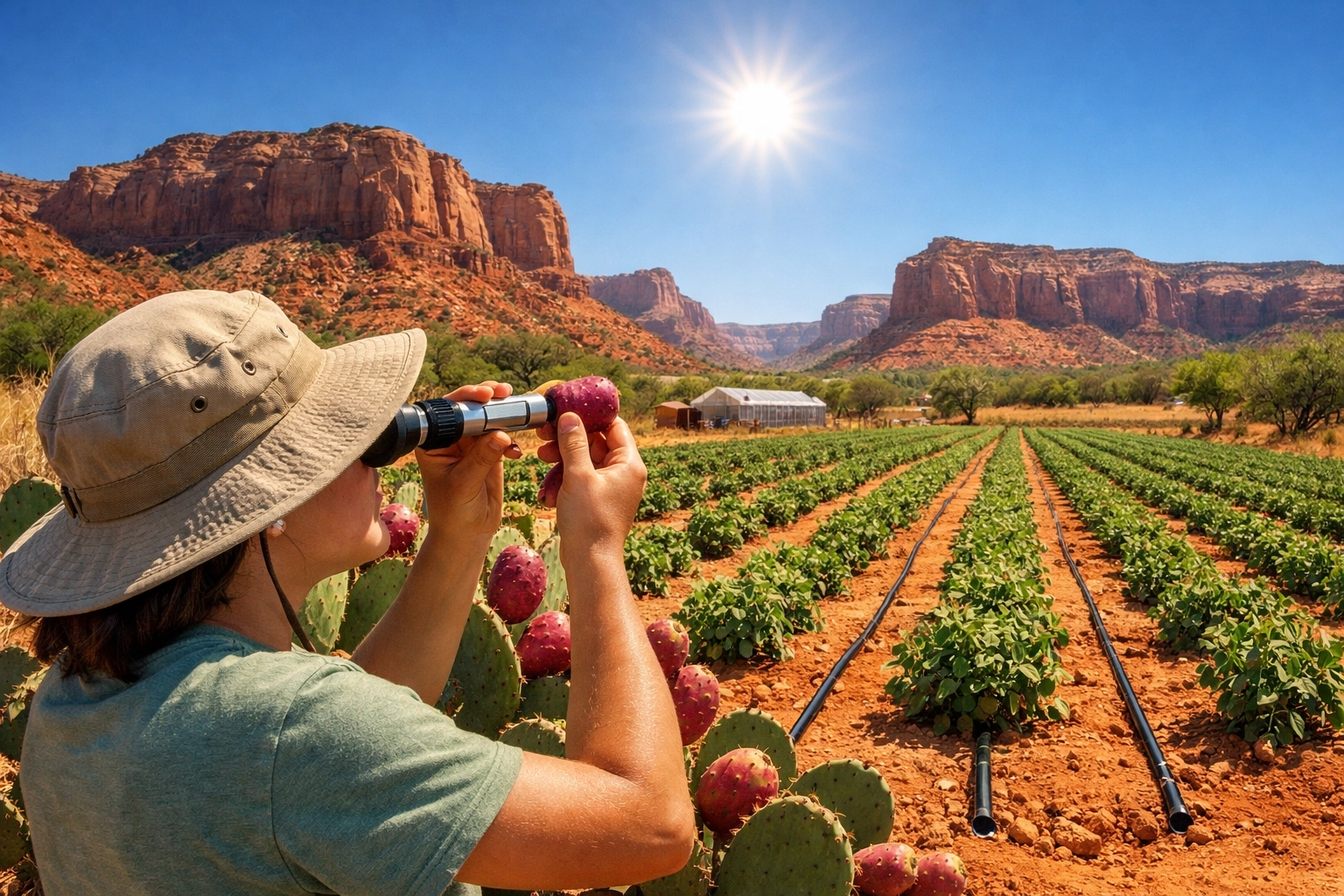
Xeriscaping and Native Crops: Analyze the nutritional profile of drought-resistant crops such as tepary beans and prickly pear cactus. Students can use refractometers to measure the sugar content (Brix levels) of desert fruits, comparing them to standard store-bought varieties to understand how water stress affects flavor and nutrient density.
Soil Salinity Testing: Instruct students to conduct soil tests to understand how high evaporation rates lead to salt buildup, and what chemical interventions are required to keep the soil fertile.
For educators looking to combine these lessons with geological history, a school trip to the Grand Canyon offers a perfect opportunity to see how water has shaped the landscape over millions of years, providing context for the current challenges of the Colorado River basin.
The Tropical Kitchen: South Florida’s Agricultural Innovation
Transitioning from the desert to South Florida introduces students to a completely different set of biological challenges. Here, the focus shifts from water scarcity to humidity management, pest control, and the delicate balance of coastal ecosystems.
Managing a High-Energy Environment
South Florida is a global leader in tropical fruit production and sustainable seafood. An educational trip to the Emerald Coast and the surrounding agricultural zones allows students to dive into the "Blue Revolution" and tropical horticulture.
Citrus Science and Pathology: Advise students to study the impact of "citrus greening," a bacterial disease that has decimated local groves. Understanding the microbiology behind this disease helps students appreciate the importance of biosecurity in the food chain.
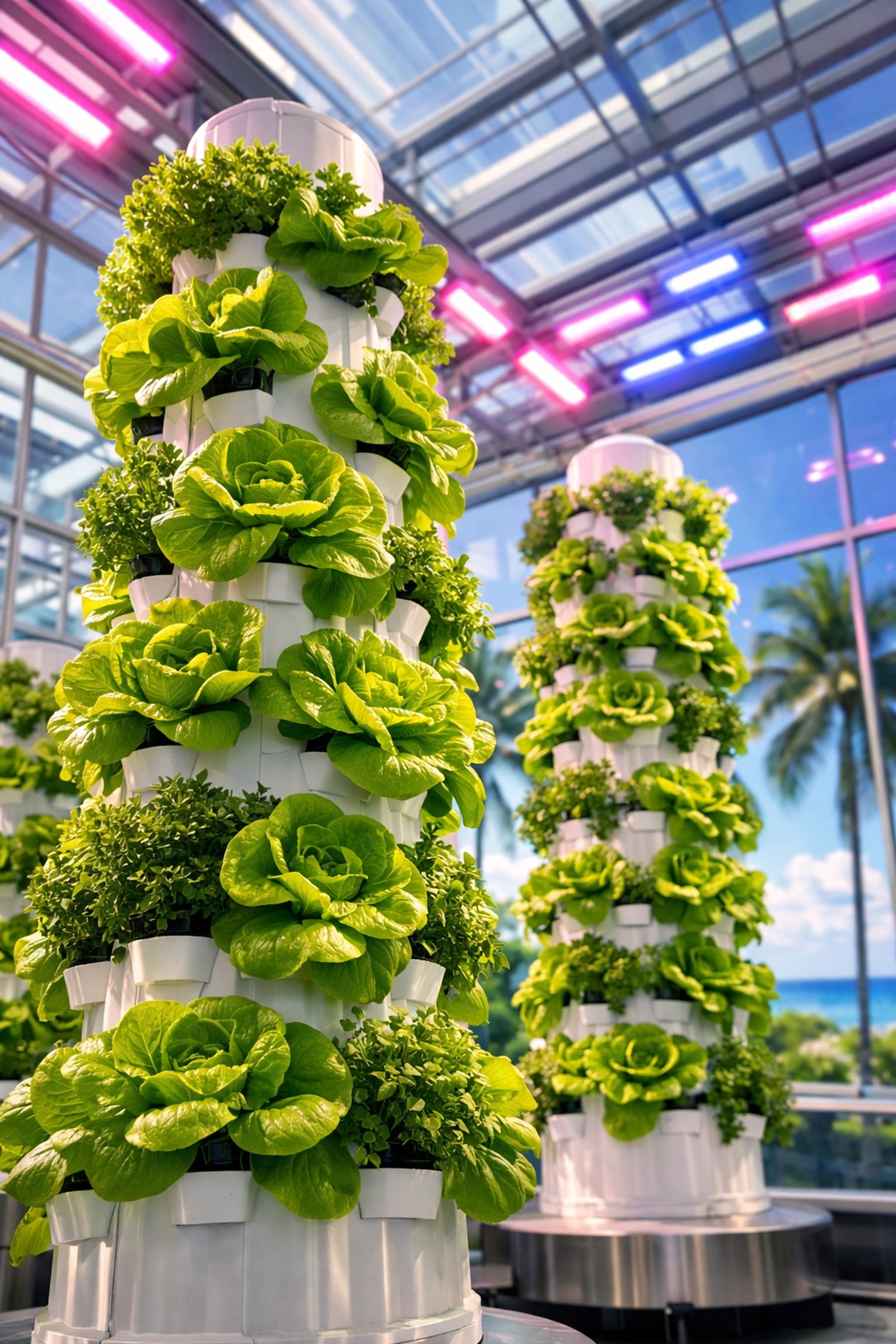
Hydroponics and Vertical Farming: In areas where traditional soil may be sandy or nutrient-poor, Florida has become a hub for hydroponic innovation. Students should observe how nutrient-rich water solutions are used to grow lettuce and herbs in climate-controlled environments.
Sustainable Aquaculture: Focus on the marine science of the region. Students can visit fish farms to learn about the nitrogen cycle in closed-loop systems, which are essential for reducing the environmental footprint of protein production.
The Rainforest Pantry: Costa Rica’s Biodiversity and Permaculture
The rainforest presents the ultimate food science laboratory. In Costa Rica, the goal is not just to grow food, but to do so in a way that mimics the natural complexity of the ecosystem. This is where students learn about the "Circular Economy" of food.
The Chemistry of the Canopy
Costa Rica offers a masterclass in earth science and wildlife integration. The volcanic soil provides a nutrient-dense foundation for some of the world’s most beloved products: coffee and chocolate.
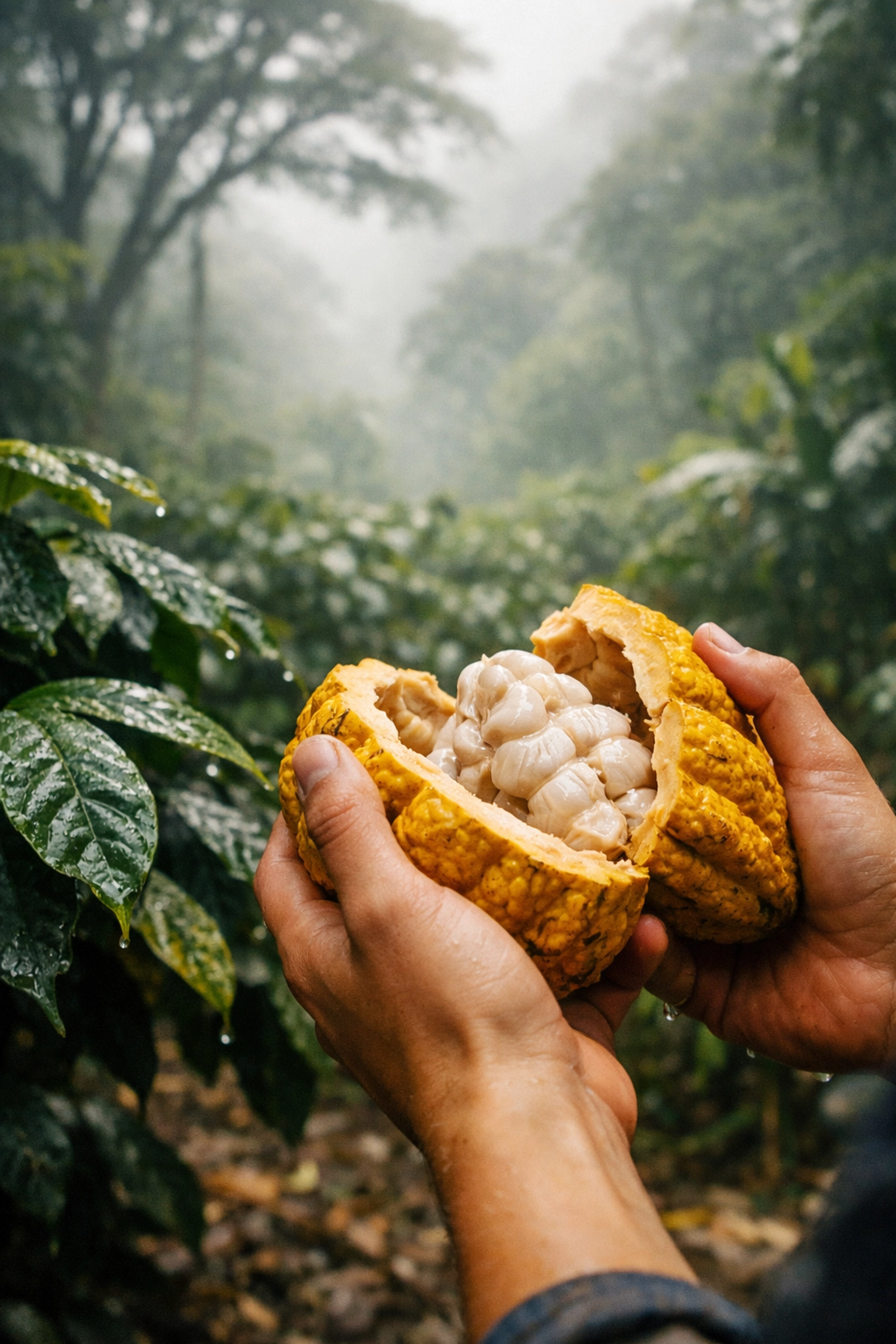
Fermentation Science: One of the highlights of a Costa Rican expedition is studying the fermentation process of cacao beans. Students can monitor temperature changes and pH levels as raw beans transform into the base for chocolate, learning about the microbial action required for flavor development.
Regenerative Agriculture: Emphasize the importance of carbon sequestration. Instruct students to compare a monoculture plantation with a permaculture forest. They will observe how multi-story cropping (growing shade-grown coffee under taller fruit trees) protects biodiversity while producing high-quality yields.
Ethnobotany: Encourage students to interview local farmers about the medicinal and nutritional uses of rainforest plants, bridging the gap between traditional knowledge and modern food science.
Comparative Analysis: Desert vs. Tropical vs. Rainforest
To maximize the educational impact, students should be tasked with synthesizing their findings across these three distinct biomes. Use the following framework to guide their comparative studies:
Feature | Arizona (Desert) | South Florida (Tropical) | Costa Rica (Rainforest) |
Primary Challenge | Water Scarcity | Pest/Disease Management | Nutrient Leaching/Erosion |
Key Science Focus | Hydrology & Resilience | Pathology & Hydroponics | Fermentation & Biodiversity |
Soil Type | Aridisols (Mineral rich, organic poor) | Entisols (Sandy, low retention) | Andisols (Volcanic, highly fertile) |
Sustainable Strategy | Xeriscaping | Aquaponics | Permaculture |

Preparing for Success: A Guide for Educators
Organizing a food science expedition requires meticulous planning and a proactive mindset. Ensuring the safety of students while maximizing learning opportunities is of paramount importance.
Step 1: Establish Learning Objectives
Before booking, define exactly what scientific principles you want to cover. Are you focusing on the chemistry of food processing, the biology of crop growth, or the environmental science of sustainable farming?
Step 2: Risk Management and Safety
Preparing your students for diverse climates involves careful planning.
Hydration Protocols: In Arizona, implement strict "water check" intervals to prevent heat exhaustion.
Allergy Awareness: Food science involves tasting and handling raw ingredients. Maintain a rigorous database of student allergies and ensure local guides are fully briefed.
Sanitation Procedures: When visiting processing plants or farms, emphasize the importance of food safety protocols (HACCP) to prevent cross-contamination.
Step 3: Integrate Post-Trip Reflection
The learning doesn't end when the flight lands. Create a structured reflection period where students present their findings. For example, have them design a "Food System of the Future" that incorporates elements from each of the regions visited.
Why Hands-On Food Science Matters
Hands-on food science inspires students because it makes abstract concepts tangible. When a student measures the acidity of a soil sample in a Costa Rican coffee finca, or calculates the water-to-crop ratio in a desert greenhouse, they are not just "doing schoolwork." They are participating in the global effort to solve hunger and sustainability.
These expeditions foster a sense of responsibility and global citizenship. Students see firsthand how the choices made in a lab in Florida or a field in Arizona ripple out to affect global markets and environmental health.
Reaffirming the Mission
At Appleseed Expeditions, we believe that travel is the most powerful classroom. By exposing students to the diverse food systems of Arizona, South Florida, and Costa Rica, we are preparing them to lead the "Blue" and "Green" revolutions of the future.
Ensure that your next educational excursion is grounded in preparation, safety, and a commitment to scientific excellence. By following a structured approach and anticipating the needs of your students, you can provide an experience that enriches their academic careers and shapes their worldview for years to come.
For more information on planning your next STEM-focused journey, explore our blog posts or check our sitemap for a full list of available destinations. Let’s inspire the next generation of food scientists together.
Comments