


Leading the Pack: How Grizzly Conservation Shapes Future Leaders

Developing the next generation of leaders requires moving beyond the four walls of a classroom and into environments where the stakes are real and the systems are complex. For educators seeking to instill a sense of purpose and leadership in their students, few places offer as profound a lesson as the Greater Yellowstone Ecosystem. Specifically, engaging in conservation efforts at the Wolf and Grizzly Discovery Center in West Yellowstone provides a unique platform for students to transition from passive learners to active stewards.
By participating in a Yellowstone Science Program for Schools, students do more than observe wildlife; they study the intricate balance of an ecosystem and learn that leadership is, at its core, the ability to manage complex relationships and navigate competing interests for the greater good.
The Ecosystem as a Leadership Model
Leadership is often misunderstood as a top-down exercise in authority. However, true leadership in the 21st century mirrors the biological concept of a "keystone species." Just as the presence of wolves and grizzly bears regulates the health and diversity of the entire Yellowstone ecosystem, a leader’s primary role is to create an environment where every member of the community can thrive.
When students engage in hands-on science Yellowstone trips, they witness the "trophic cascade", the process by which predators influence the population and behavior of their prey, which in turn affects the vegetation and even the flow of rivers. This serves as a powerful metaphor for organizational leadership:
Identify Interconnectivity: Understand how one decision affects the entire "system."
Recognize the Keystone: Identify which actions or individuals have the most significant impact on the group’s success.
Balance Power: Learn that an over-dominant force can lead to collapse, while a missing force leads to stagnation.
Developing Purpose through Wildlife Stewardship
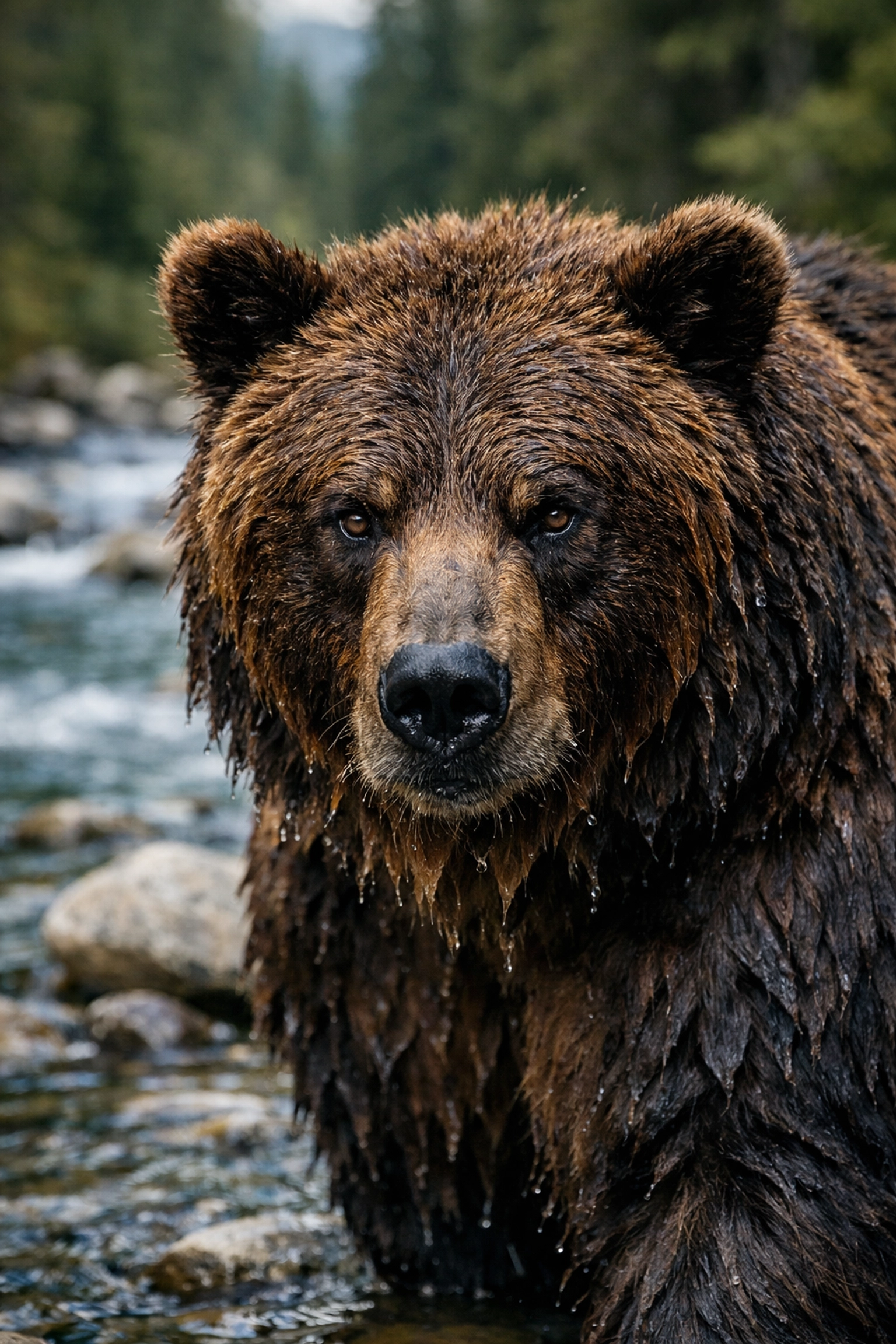
Purpose is the fuel for leadership. Without it, leadership becomes a mere pursuit of status. At the Wolf and Grizzly Discovery Center, students are tasked with conservation projects that contribute to the survival of these apex predators. Whether it is testing bear-resistant food containers or analyzing behavioral data, the work has immediate, real-world consequences.
To help your students develop a sense of purpose during their expedition, follow these instructional steps:
Establish the Mission: Before arriving in West Yellowstone, define the conservation goals. This gives students a "why" behind their tasks.
Assign Responsibility: Delegate specific monitoring tasks to small groups. When a student is responsible for data that will be used by real conservationists, their level of engagement and sense of duty increases.
Reflect on Impact: At the end of each day, lead a guided reflection on how their individual efforts contributed to the broader goal of wildlife preservation.
Hands-On Science: Building Practical Problem-Solving Skills
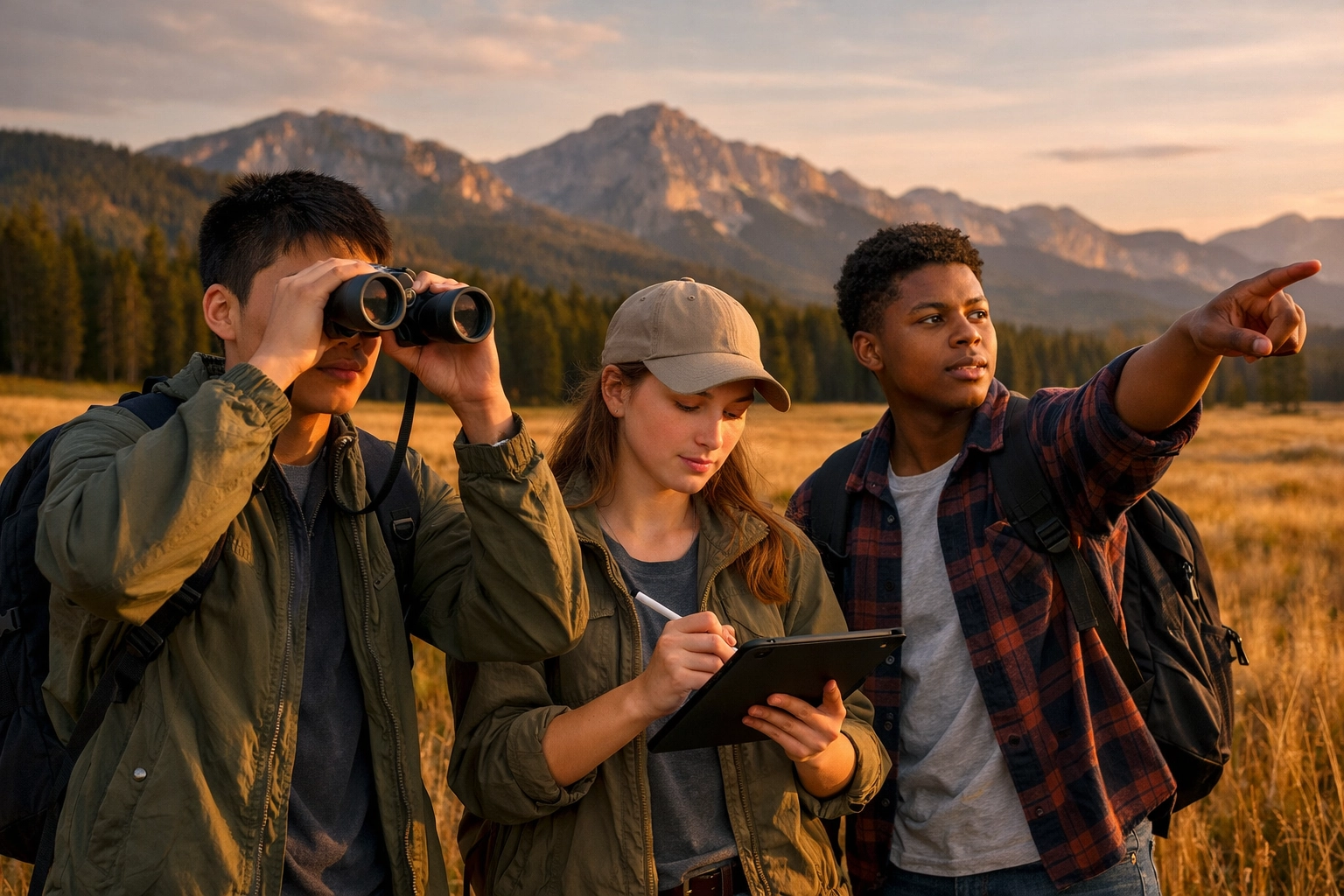
Conservation is rarely straightforward. It involves navigating the tension between human expansion and wildlife preservation. By engaging in hands-on science Yellowstone trips, students practice "adaptive leadership", the ability to tackle problems that have no easy answers.
In West Yellowstone, students encounter the "Conflict Mitigation" model. They learn how biologists work with local ranchers and residents to keep bears away from human food sources. This provides a masterclass in stakeholder management, an essential leadership skill.
Key Leadership Lessons from Conflict Mitigation:
Empathy for Diverse Perspectives: Students learn to listen to the concerns of ranchers (who worry about livestock) while advocating for the safety of the bears.
Creative Problem Solving: If a traditional fence doesn't work, what will? Students are encouraged to brainstorm and prototype alternative solutions.
Consensus Building: Leadership involves finding the "middle ground" where both the community and the environment can win.
Management and Safety: The Foundation of Leadership
A critical component of leadership is the ability to manage risk and ensure the safety of those under your care. At Appleseed Expeditions, we emphasize that a leader who is not prepared is a leader who is not effective.
For educators planning a trip to the Wolf and Grizzly Discovery Center, your leadership begins long before you step foot in Montana. Ensure you are modeling the same level of preparation and vigilance you expect from your students.
Review Safety Protocols: Familiarize yourself and your students with bear safety and the specific rules of the Discovery Center.
Prepare Contingency Plans: Be ready for the unpredictable weather and wildlife movements of the Yellowstone region.
Supervise with Purpose: Use every moment, from the bus ride to the field work, as an opportunity to model proactive thinking and responsibility.
Steps to Implementation for Educators
To maximize the leadership development of your students during a Yellowstone Science Program for Schools, follow this structured approach:
Step 1: Pre-Trip Education Begin by researching the history of wolf reintroduction in Yellowstone. Discuss the ethical and biological implications with your students to build a foundational understanding of the complexity they will face.
Step 2: Field Data Collection While at the Discovery Center, direct students to record observations of the bears and wolves. Focus on social hierarchies within the packs and the bears' foraging behaviors. Use these observations to spark discussions on team dynamics and resource management.
Step 3: Post-Trip Action Plan Upon returning home, advise students to create a "Conservation Manifesto" or a leadership project based on their experience. This ensures that the lessons learned in the wild translate into tangible actions in their own communities.
Cultivating the "Pack Mentality"
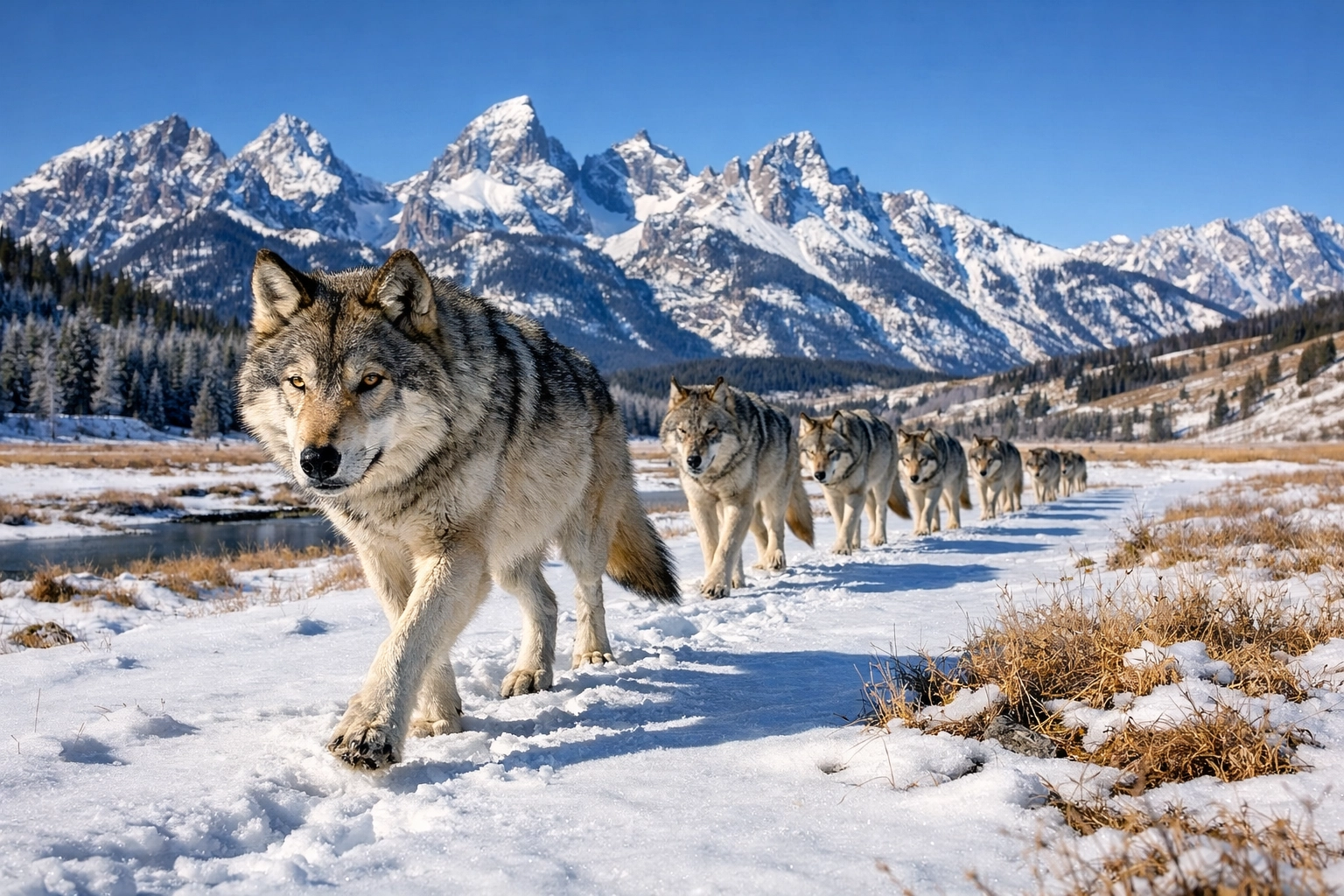
In the wild, wolves survive through cooperation and clear communication. This "pack mentality" is a perfect blueprint for student leadership development. Throughout the trip, emphasize the importance of communication, trust, and looking out for the most vulnerable members of the group.
Encourage students to lead from the middle: True leaders don't always stand at the front; they ensure no one is left behind.
Promote active listening: In conservation, as in leadership, the best decisions are made after all voices have been heard.
Foster resilience: Conservation work can be tiring and difficult. Teach students to lean on their "pack" when the work becomes challenging.
A Call to Action for Future Stewards
The challenges facing our planet require leaders who are grounded in science, driven by purpose, and skilled in the art of collaboration. By stepping into the world of grizzly and wolf conservation, your students are doing more than learning about animals; they are learning what it takes to lead in a complex world.
Appleseed Expeditions offers a specialized Yellowstone Science Program for Schools that bridges the gap between academic theory and real-world application. We invite you to bring your students to the wild heart of the American West, where the growl of a grizzly and the howl of a wolf serve as the ultimate call to lead.
Conclusion: Reaffirming Our Objectives
The ultimate goal of any educational expedition is to transform the student’s worldview. By focusing on conservation at the Wolf and Grizzly Discovery Center, we provide a framework for developing purpose, leadership, and a deep-seated respect for the natural world.
Ensuring the safety and growth of your students is our paramount objective. Through careful preparation, hands-on science, and a commitment to service, we can help the next generation "lead the pack" into a sustainable and purposeful future. For more information on our various programs, including those in Yosemite or our Alternative Breaks, please explore our resources.

Comments