


Pura Vida & Sustainability: Learning the Art of Eco-Friendly Living in Costa Rica

Establishing a sustainable future for the next generation is of paramount importance in modern education. As educators, preparing your students to navigate a changing global environment involves careful planning and exposure to proven ecological models. Costa Rica, a nation that has become a global leader in environmental stewardship, offers an unparalleled living classroom for these lessons.
The Costa Rican philosophy of Pura Vida: often translated as "Pure Life": extends far beyond a simple greeting. It represents a structured commitment to living in harmony with the natural world. For students, experiencing this firsthand is not merely a trip; it is a rigorous exploration of organic agriculture, renewable energy, and community-led conservation.
The Pillars of Sustainable Living in Costa Rica
To maximize the educational impact of an expedition to Costa Rica, it is essential to understand the core pillars that support their sustainable infrastructure. By studying these systems, students can bring actionable knowledge back to their own communities.
1. Organic Agriculture and Local Food Systems
Costa Rica’s agricultural foundation rests on practices that prioritize soil health and human well-being. The transition away from synthetic fertilizers and toward regenerative farming is a key study area for students interested in earth science and wildlife conservation.
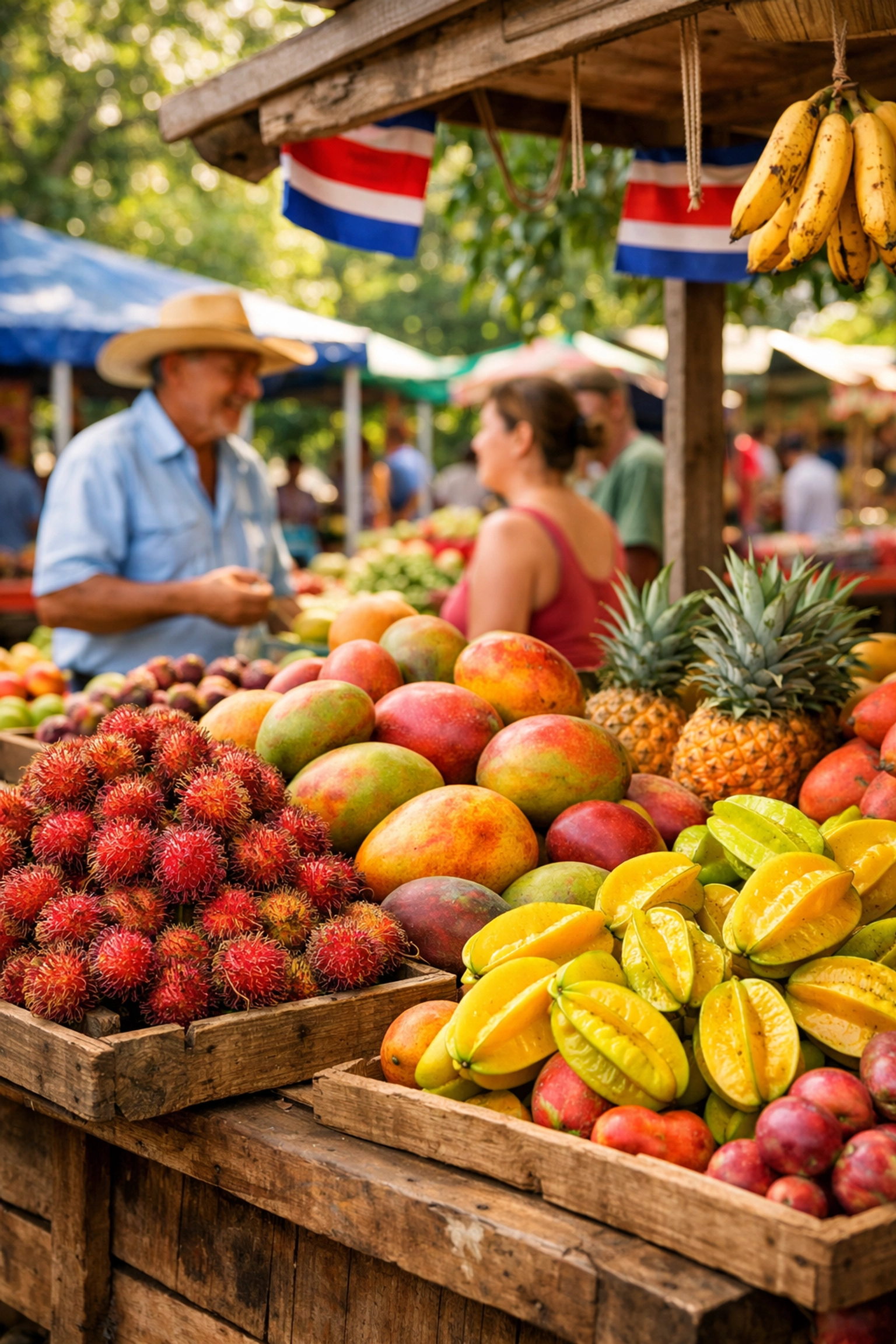
The "Feria" System: Weekly farmers' markets, known as Ferias, serve as the backbone of local economies. Educators should encourage students to analyze the reduced carbon footprint of these hyper-local food chains compared to industrial global shipping.
Regenerative Techniques: Students have the opportunity to observe nitrogen-fixing cover crops, natural pest management, and the integration of livestock into crop cycles to create closed-loop systems.
Food Security: Understanding how local organic farming protects a community from global market fluctuations is a vital lesson in economic and environmental resilience.
2. Renewable Energy and Carbon Neutrality
Costa Rica has achieved what few nations have: a power grid that consistently runs on nearly 100% renewable energy. This achievement is a result of meticulous long-term planning and the strategic use of natural resources.
Hydroelectric Power: Harnessing the country's abundant rainfall and mountainous terrain.
Geothermal Energy: Utilizing volcanic activity to provide a stable, baseload power source.
Wind and Solar: Complementing the grid through diversified renewable inputs.
When visiting, students can examine how these technologies are integrated into the landscape without compromising the integrity of the surrounding ecosystems. This provides a concrete example of how engineering and environmental science must work in tandem.
3. Water Stewardship and Waste Management
Ensuring the safety and cleanliness of water sources is a critical component of the Costa Rican model. The country’s approach to waste reduction is equally aggressive, with a national goal to eliminate single-use plastics.
Grey-water Systems: Many eco-communities utilize specialized filtration systems to repurpose water from sinks and showers for irrigation.
Composting Toilets: These systems conserve millions of liters of water annually and transform waste into nutrient-rich soil.
Watershed Protection: Rigorous reforestation near riverbanks prevents erosion and ensures a clean water supply for both humans and wildlife.
Practical Implementation in Eco-Communities
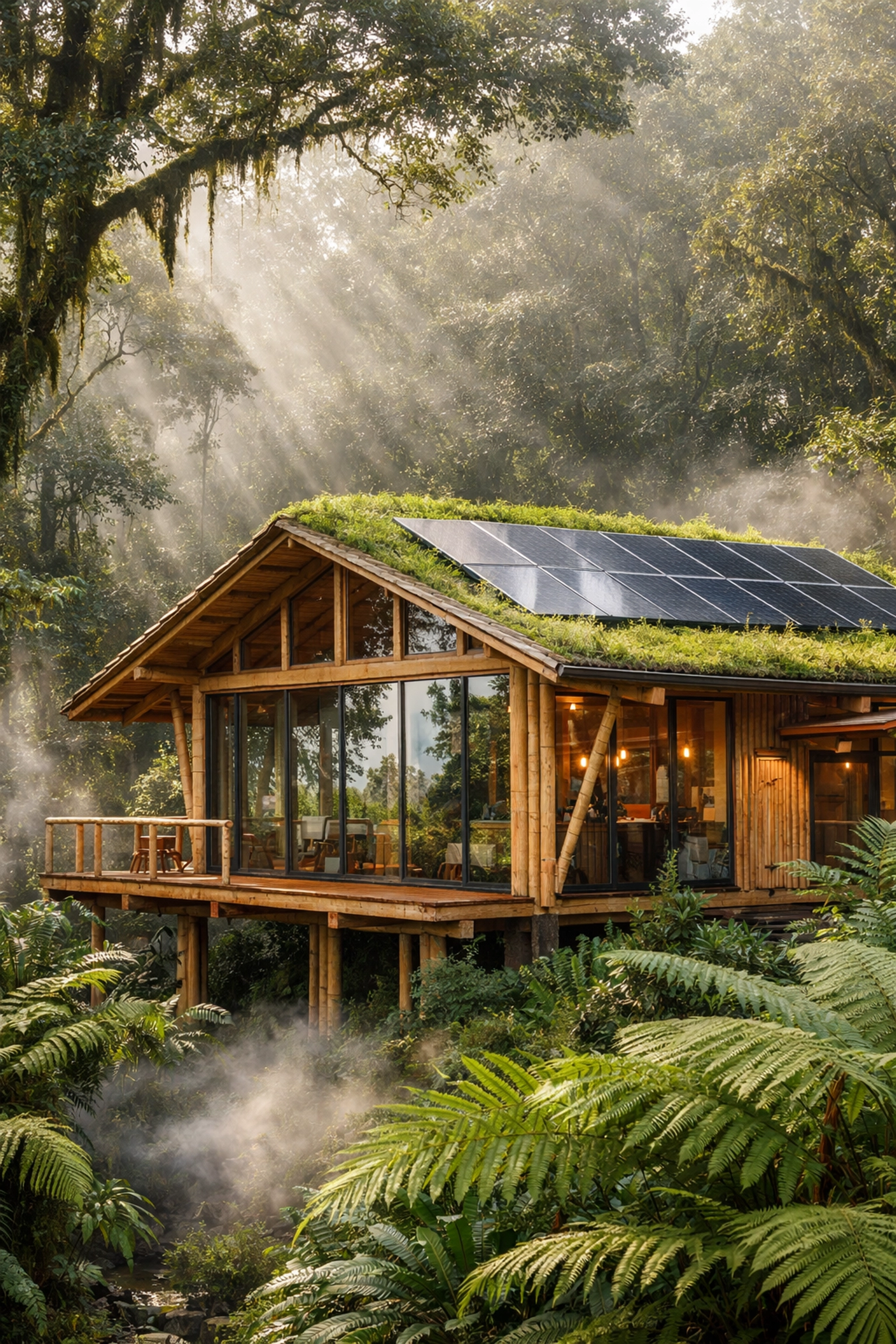
To see these principles in action, one must look at established eco-villages and "agrihoods." These communities serve as functional laboratories for sustainable living. For example, projects on the Nicoya Peninsula demonstrate how solar power, rainwater harvesting, and soil regeneration can support a high quality of life with a minimal carbon footprint.
Observations for Students:
Sustainable Architecture: Notice the use of natural ventilation and local materials to reduce the need for air conditioning and high-impact construction.
Collective Responsibility: Observe how community members share resources and responsibilities for maintaining shared gardens and waste systems.
Biodiversity Integration: These communities do not displace nature; they exist within it, allowing wildlife corridors to remain intact.
Preparing Your Students: A Methodical Approach
Organizing an international educational expedition requires a risk-averse mindset and careful attention to detail. At Appleseed Expeditions, we prioritize the safety and preparedness of every participant to ensure the focus remains on learning.
Pre-Trip Planning and Research
Begin by researching the specific regions of Costa Rica you intend to visit. Each microclimate offers different lessons in ecology.
Create an Itinerary: Share a detailed itinerary with parents and school administrators that outlines specific learning objectives and safety protocols.
Advise Students: Encourage students to research the local flora and fauna of the cloud forests or coastal regions before departure.
Establish Procedures: Ensure that all students and chaperones are familiar with emergency procedures and communication plans.
Modeling Sustainable Behavior
Educators should model the very behaviors students are sent to learn. This includes:
Utilizing reusable water bottles and avoiding all single-use plastics.
Practicing the "Leave No Trace" principles during hikes and field studies.
Engaging with local guides and community leaders with respect and a spirit of inquiry.
Integrating Sustainability into the Curriculum
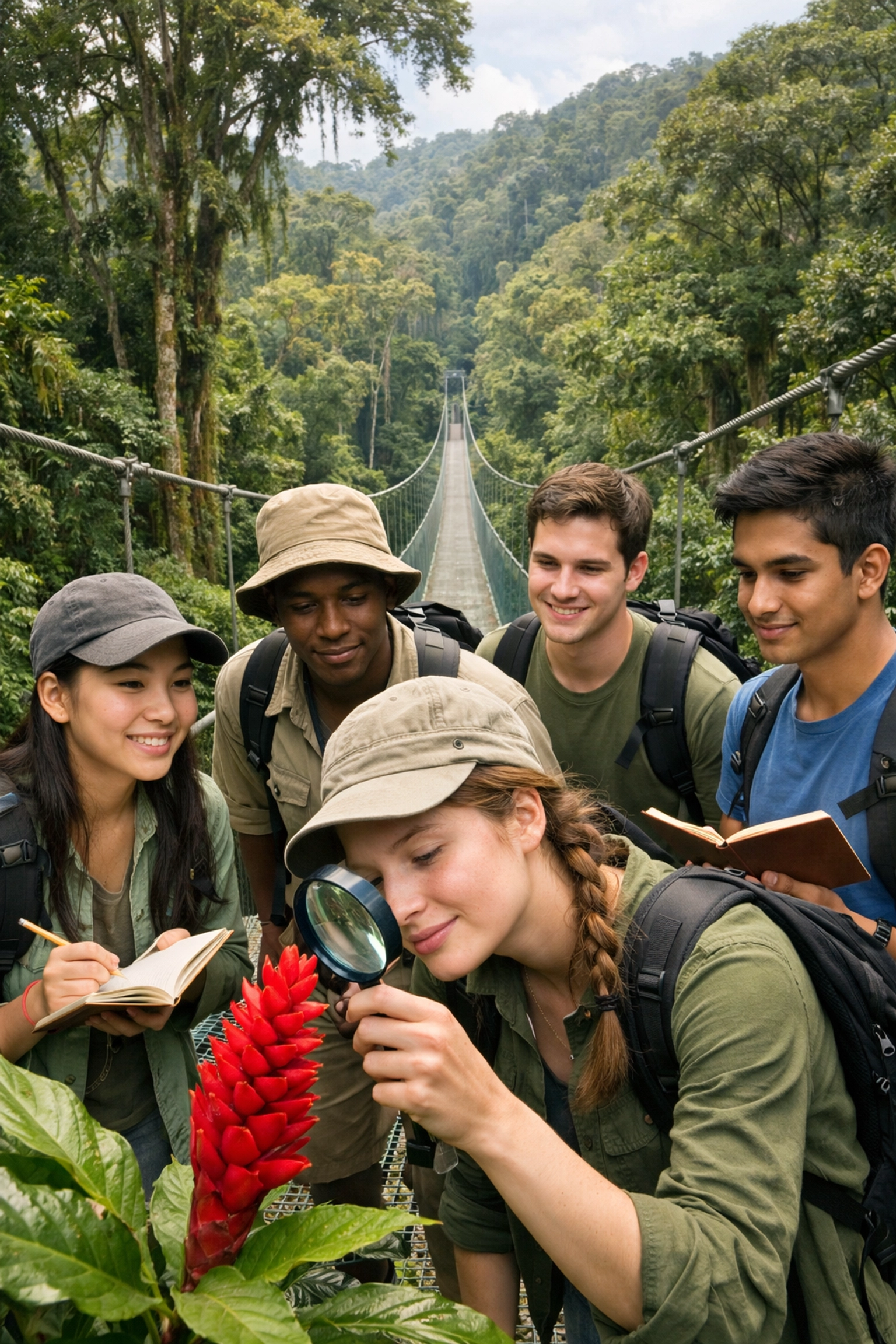
The goal of an educational trip to Costa Rica is to provide students with a framework they can apply at home. Following the expedition, it is vital to facilitate a structured debriefing process.
Classroom Action Steps:
Waste Audit: Have students conduct a waste audit of their school and propose composting or recycling improvements based on what they observed in Costa Rica.
Garden Projects: Implement a small-scale organic garden or vertical hydroponic system to demonstrate local food production.
Policy Proposals: Encourage students to draft "sustainability resolutions" for their local school board or city council, citing the renewable energy successes they witnessed abroad.
For those looking to expand their scientific horizons further, we also offer specialized marine science programs that focus on coral reef conservation and coastal management, which complement the terrestrial lessons learned in the Costa Rican interior.
Safety, Supervision, and Vigilance
Ensuring the safety of students during these expeditions is our highest priority. Costa Rica is a safe and welcoming destination, but international travel always requires a high level of vigilance.
Supervision: Maintain strict student-to-chaperone ratios at all times, especially during field work in remote areas.
Health and Hygiene: Emphasize the importance of hydration and sun protection. In tropical environments, these are the most common health concerns.
Emergency Readiness: Every Appleseed expedition is supported by a network of local professionals who are trained in emergency response and contingency planning.

Reaffirming Educational Objectives
The primary objective of a Costa Rican expedition is to transform abstract concepts of sustainability into tangible, lived experiences. By moving beyond the textbook and into the rainforests and organic farms, students develop a deep-seated respect for the environment and a sense of responsibility for its protection.
Whether it is a beach excursion to study sea turtle nesting or a deep dive into forest ecology, the lessons of Pura Vida are clear: a sustainable future is not only possible, it is practical and rewarding.
Preparing your students for this journey involves more than just booking a flight; it involves fostering a mindset of global citizenship and environmental stewardship. Through careful preparation, meticulous safety protocols, and a focus on hands-on learning, we can empower the next generation to lead the way in eco-friendly living.
To begin planning your next educational science expedition or to learn more about our service-learning opportunities, visit our blog for more resources and trip highlights. Together, we can ensure that the lessons learned in the forests of Costa Rica resonate for a lifetime.

These resume tips are really useful! I also think participating in opportunities shared on Where U Elevate can help build strong projects that improve your resume. Great insights on sustainability and learning through real-world experiences. Posts like this show how education can go beyond classrooms and help students.
Great insights on sustainability and learning through real-world experiences. Posts like this show how education can go beyond classrooms and help students understand global perspectives. In a similar way, many students researching MBBS in Bosnia for Indian students also look for international learning environments that combine academic study with exposure to different cultures and healthcare systems.