


Reefs and Ruins: The Ultimate School Trip to Belize for Science and History

Planning an educational trip that seamlessly integrates multiple academic disciplines is of paramount importance for maximizing student learning opportunities. A school trip to Belize offers educators a rare opportunity to combine rigorous marine science exploration with profound historical and cultural studies in a single, cohesive experience. This Central American nation provides unparalleled access to both the second-largest barrier reef system in the world and remarkably preserved Maya archaeological sites, creating an ideal environment for interdisciplinary education.
Why Belize Stands Alone for Dual-Focus Educational Travel
Belize presents a unique geographical advantage for educators seeking to provide comprehensive, multi-disciplinary learning experiences. The proximity of world-class marine ecosystems to significant archaeological sites allows students to engage deeply with both natural sciences and human history within a compact timeframe and geographical area.
Consider the educational value of this combination: students who study ancient Maya environmental management decisions can observe firsthand the thriving ecosystems that exist today, understanding both successful stewardship and the consequences of unsustainable practices. This connection between past and present, between human history and natural science, creates powerful learning moments that textbooks alone cannot replicate.
The Marine Science Component: Exploring the Belize Barrier Reef
Understanding Interconnected Marine Ecosystems
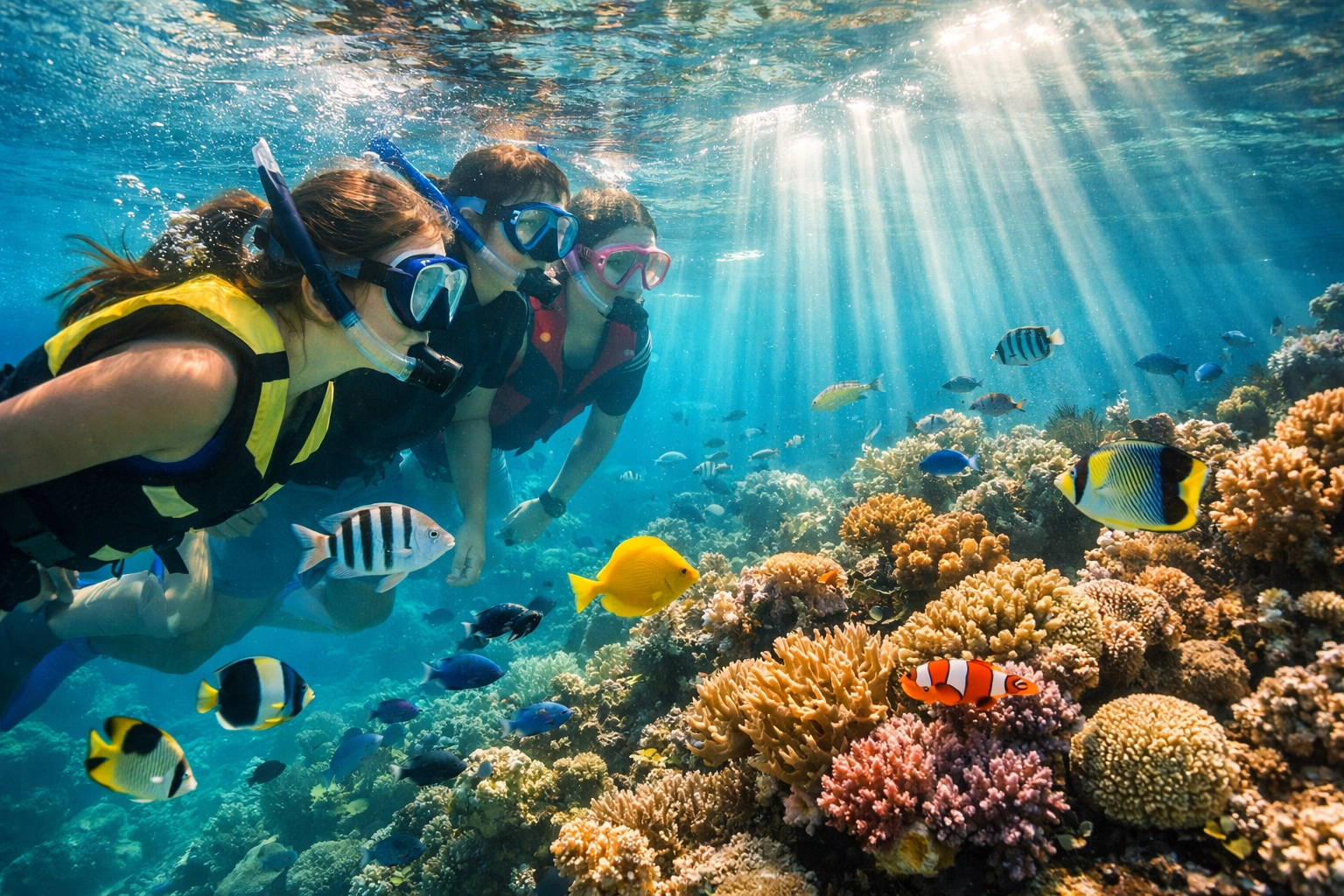
An educational trip to Belize must prioritize thorough exploration of the Belize Barrier Reef, a UNESCO World Heritage Site spanning approximately 190 miles along the country's coastline. Ensure that your itinerary includes snorkeling experiences at protected marine reserves, particularly Hol Chan Marine Reserve, where students can observe three interconnected ocean habitats in close succession.
Begin by preparing students to recognize and document:
Mangrove Forests - Emphasize these coastal ecosystems' critical role as nurseries for juvenile fish species and their function in coastal protection
Seagrass Beds - Instruct students to observe how these underwater meadows provide feeding grounds for sea turtles and manatees while stabilizing sediment
Coral Reef Systems - Direct attention to the remarkable biodiversity, symbiotic relationships, and the delicate balance required for reef health
Practical Marine Science Activities
Organize your marine science curriculum around these concrete learning objectives:
Conduct fish population surveys using standardized identification methods
Document coral species diversity and assess reef health indicators
Observe predator-prey relationships in natural marine environments
Study adaptation strategies of tropical marine species
Examine the impact of conservation efforts on ecosystem recovery
Encourage students to maintain detailed field journals throughout these activities, recording observations, sketching marine life, and formulating questions that drive scientific inquiry. Ensure that all snorkeling activities are supervised by certified guides and that students understand and practice proper reef etiquette to minimize environmental impact.
The Maya Civilization: Bringing Ancient History to Life
Archaeological Site Exploration
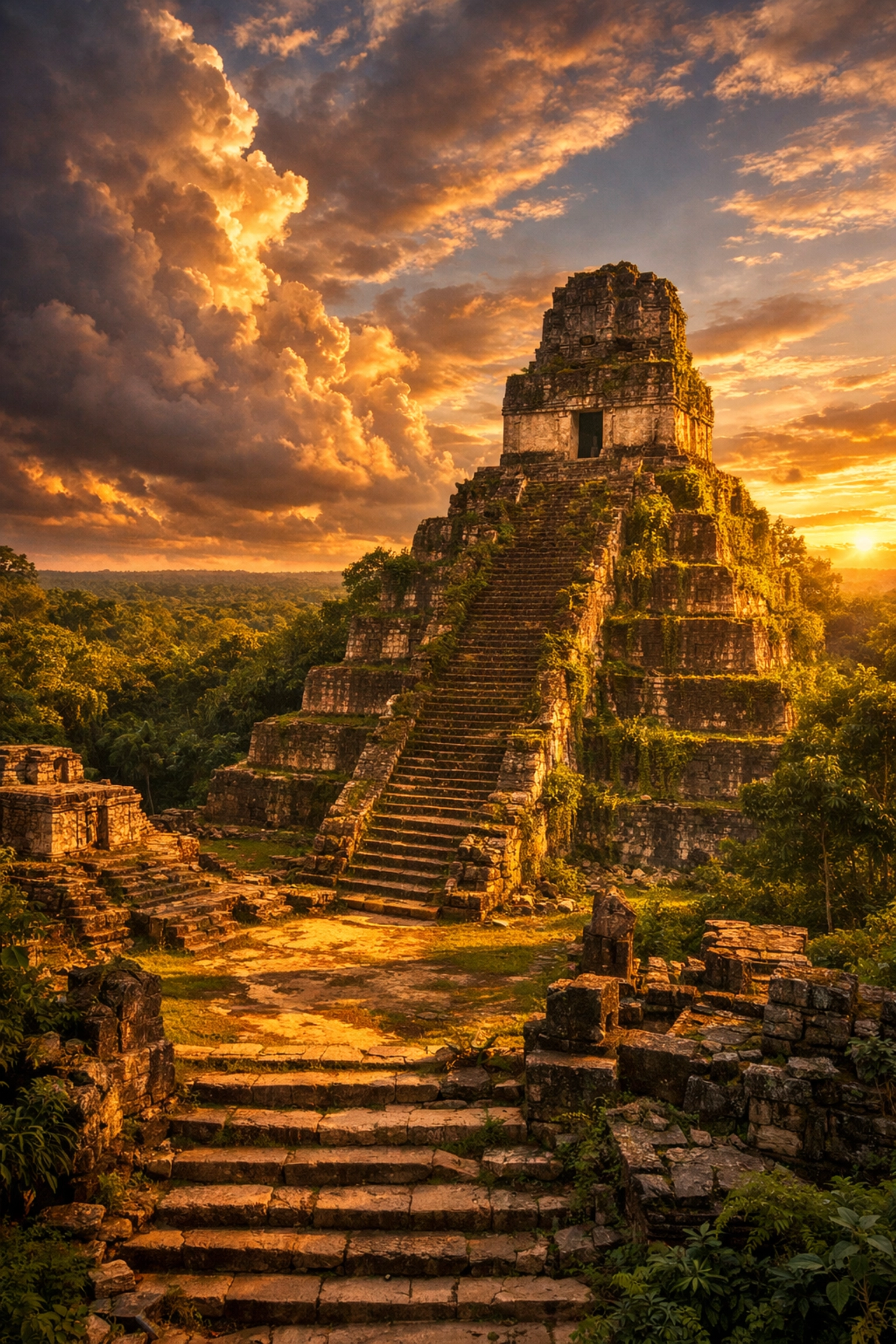
A student trip to Belize achieves its full educational potential when it incorporates multiple Maya archaeological sites, each offering distinct perspectives on this advanced civilization. Plan your itinerary to include at least two to three major sites, ensuring adequate time for exploration and guided interpretation.
Recommended Archaeological Sites:
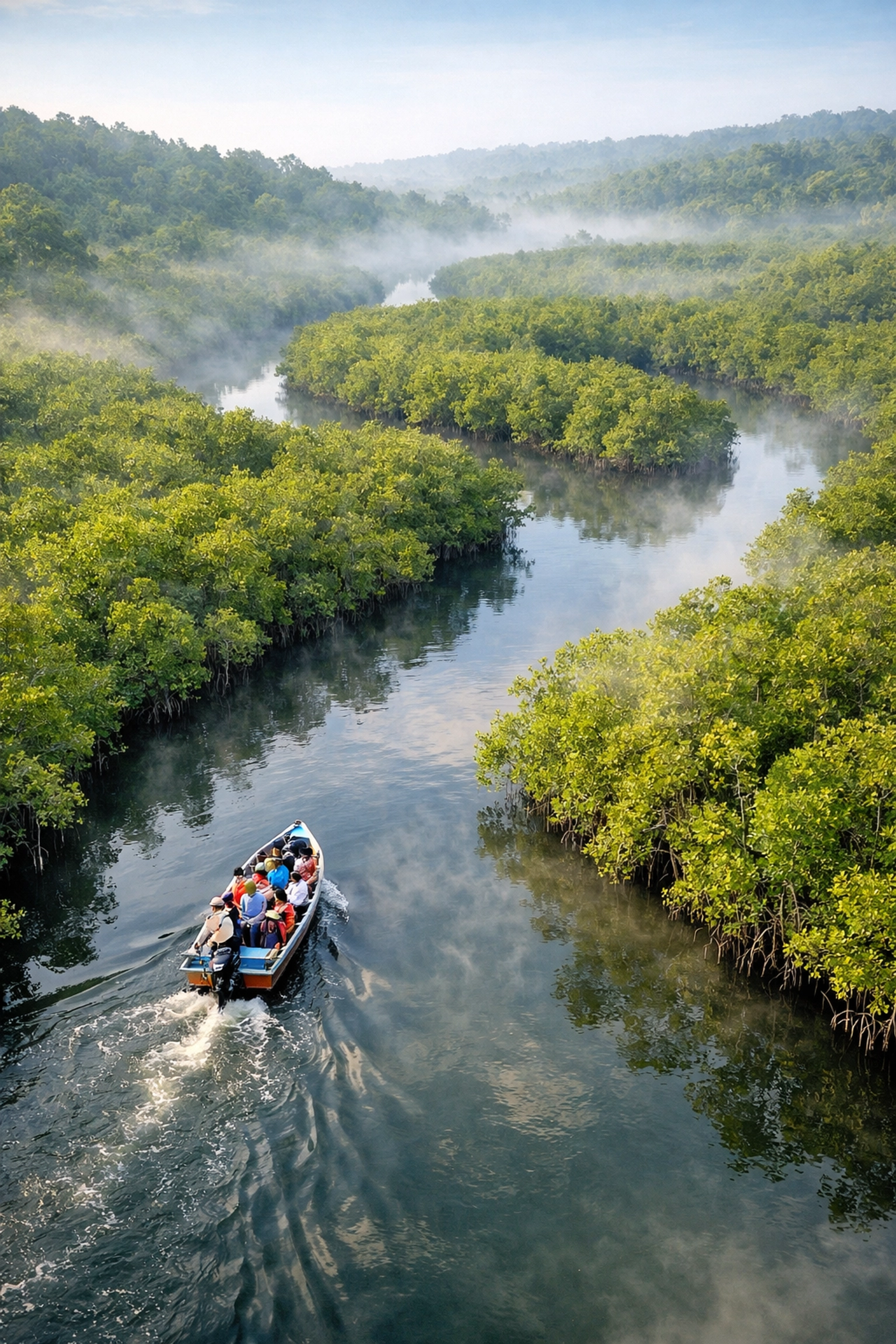
Lamanai - Accessible via river cruise through jungle-lined waterways, providing students opportunities to observe contemporary rainforest ecosystems before climbing ancient temples
Xunantunich - Features El Castillo, one of Belize's tallest structures, offering panoramic views that help students understand Maya site selection and landscape management
Caracol - Once a major Maya political center, demonstrating advanced urban planning and architectural achievement
At each site, direct students to observe and document:
Architectural techniques and engineering achievements
Evidence of astronomical knowledge in building alignment
Hieroglyphic inscriptions and their historical significance
Agricultural terracing and water management systems
Ceremonial spaces and their cultural importance
Connecting Environmental Decisions Across Time
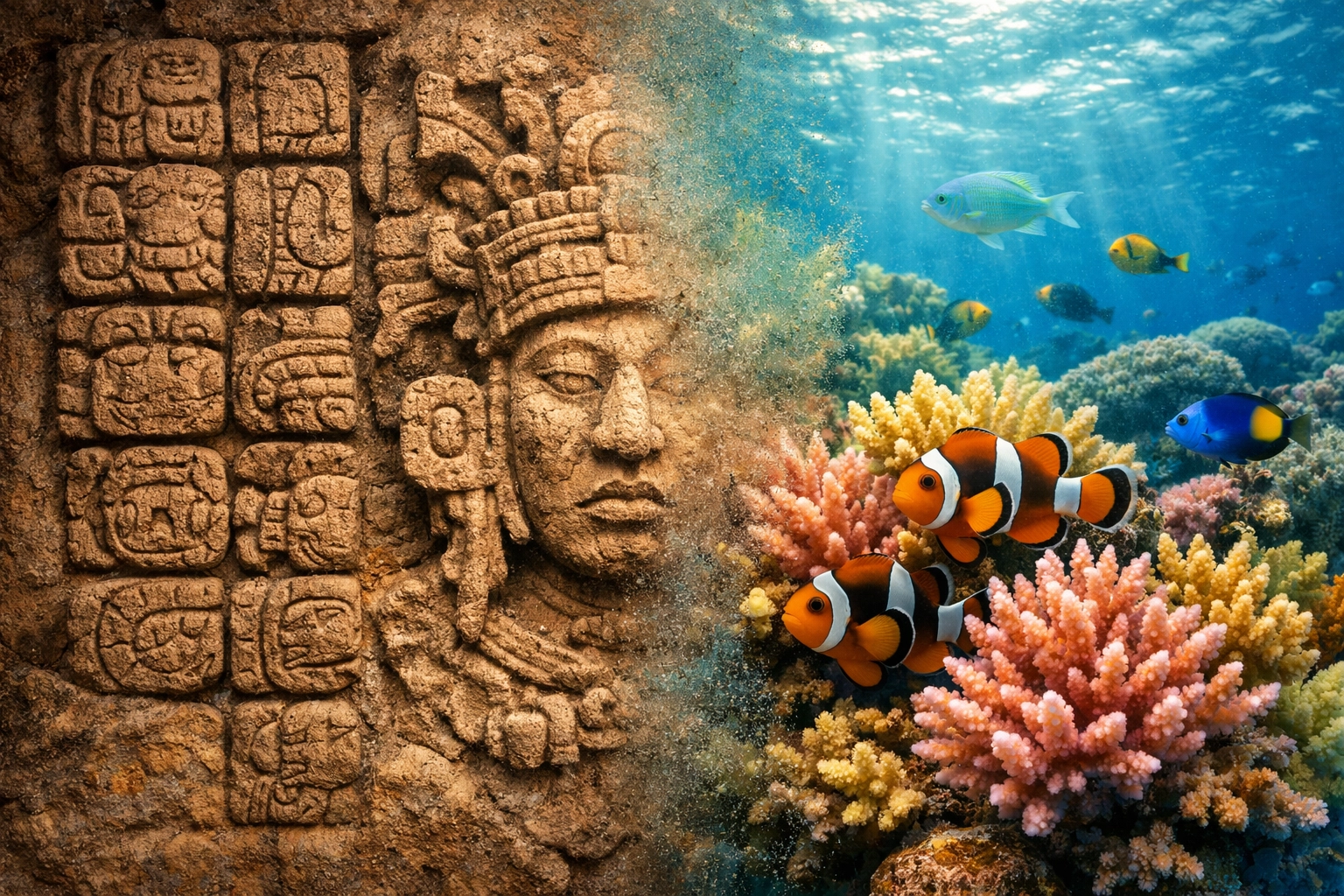
One of the most powerful learning outcomes from a school trip to Belize involves understanding the relationship between environmental management and societal outcomes. Prepare students to examine the scientific evidence suggesting that deforestation and unsustainable agricultural practices contributed to the collapse of major Maya cities around 900 A.D.
Facilitate discussions that connect historical environmental decisions to contemporary conservation challenges:
Compare ancient Maya deforestation to current rainforest conservation efforts
Analyze sustainable fishing practices versus historical overharvesting
Examine water resource management then and now
Discuss climate adaptation strategies across centuries
This interdisciplinary approach encourages students to think critically about long-term environmental stewardship and the consequences of human impact on ecosystems.
Structuring Your Educational Trip to Belize
Recommended Itinerary Framework (7-8 Days)
Create a balanced schedule that alternates between marine science and cultural exploration, allowing students adequate time to process and reflect on experiences. A well-structured educational trip to Belize typically follows this format:
Days 1-2: Arrival, orientation, and initial marine ecosystem exploration Days 3-4: Intensive marine science activities including multiple snorkeling sessions and beach ecology studies Days 5-6: Maya archaeological site visits with guided interpretation and historical context Day 7: Integration activities connecting marine science and historical learning Day 8: Departure with reflection sessions
Ensure that you build in adequate rest periods, particularly after physically demanding activities such as climbing temple structures or extended snorkeling sessions.
Pre-Trip Preparation: Essential Steps for Success
Preparing students mentally, physically, and academically for this experience is crucial for maximizing learning outcomes. Begin preparation at least two months before departure.
Academic Preparation:
Conduct pre-trip coursework on Maya civilization, including mathematics, astronomy, and writing systems
Teach basic marine biology concepts, focusing on coral reef ecosystems and tropical marine species
Assign reading materials about Belizean history, culture, and contemporary conservation efforts
Practice scientific observation and documentation skills
Physical Preparation:
Ensure all students are comfortable swimming and can use snorkeling equipment properly
Discuss the physical demands of climbing archaeological structures
Prepare students for tropical climate conditions and extended outdoor activities
Practical Preparations:
Share detailed itineraries with students and parents
Discuss emergency procedures and communication protocols
Advise students on appropriate clothing, sun protection, and personal supplies
Emphasize the importance of respecting both natural environments and cultural heritage sites
Safety and Supervision Considerations
Ensuring the safety of students during an educational trip to Belize is of paramount importance. Implement these safety protocols:
Maintain appropriate student-to-chaperone ratios at all times, particularly during water activities
Work exclusively with licensed, experienced guides for both marine and archaeological activities
Establish clear buddy systems for all snorkeling activities
Create and communicate detailed emergency response procedures
Ensure access to appropriate medical facilities and maintain updated student health information
Advise students to stay hydrated in the tropical climate, use adequate sun protection, and report any discomfort or concerns immediately to supervising adults.
Maximizing Learning Through Integration
The true value of combining marine science and Maya history on a single trip lies in helping students recognize connections between human societies and natural environments. Create structured opportunities for students to synthesize their learning:
Facilitate evening reflection sessions where students share observations and insights
Assign culminating projects that require integration of marine science and historical knowledge
Encourage students to develop questions that bridge disciplines
Create opportunities for students to present their learning to school communities upon return
Moving Forward with Your Belize Educational Experience
A well-planned school trip to Belize represents an investment in comprehensive, interdisciplinary education that students will reference throughout their academic careers and beyond. The combination of hands-on marine science exploration and immersive historical study creates lasting impressions that inspire continued learning and environmental stewardship.
Appleseed Expeditions specializes in creating carefully structured educational experiences that balance rigorous academic content with student safety and engagement. Our established programs provide the logistical support and expert guidance necessary for successful international educational travel, allowing educators to focus on facilitating student learning rather than managing complex travel arrangements.
Begin planning your educational trip to Belize today by establishing clear learning objectives, communicating with all stakeholders, and partnering with experienced educational travel providers who understand the unique requirements of school groups. The reefs and ruins of Belize await your students, ready to transform abstract concepts into tangible understanding and inspire the next generation of scientists, historians, and global citizens.

Comments