


San Juan Islands Kayaking vs. Classroom Labs: Which Marine Biology Experience Will Transform Your Students?

Ensuring your students receive a transformative marine biology education is of paramount importance. As an educator, you face a critical decision: continue with traditional classroom laboratory instruction or invest in experiential learning opportunities that place students directly in marine ecosystems. The San Juan Islands of Washington's Pacific Northwest offer one of the most compelling outdoor classrooms on the planet: where orcas breach alongside kayaks and sea otters float in kelp forests just feet away.
This comparison will help you evaluate both approaches and determine which experience will create lasting educational impact for your students.
Understanding the Classroom Lab Approach
Traditional classroom laboratories have long served as the foundation of science education. These controlled environments offer several advantages:
Consistency: Every student receives identical instruction and observes the same specimens
Safety: Controlled conditions minimize risk and liability concerns
Accessibility: No travel required; all materials are on-site
Curriculum alignment: Labs are designed to meet specific educational standards
However, classroom labs present significant limitations for marine biology instruction. Preserved specimens cannot demonstrate natural behaviors. Simulated ecosystems fail to capture the complexity of real marine food webs. Students observe rather than participate in scientific discovery.
The fundamental question educators must ask: Does understanding marine biology from a textbook and preserved specimens prepare students to become stewards of ocean ecosystems?
The Case for Experiential Learning in the San Juan Islands
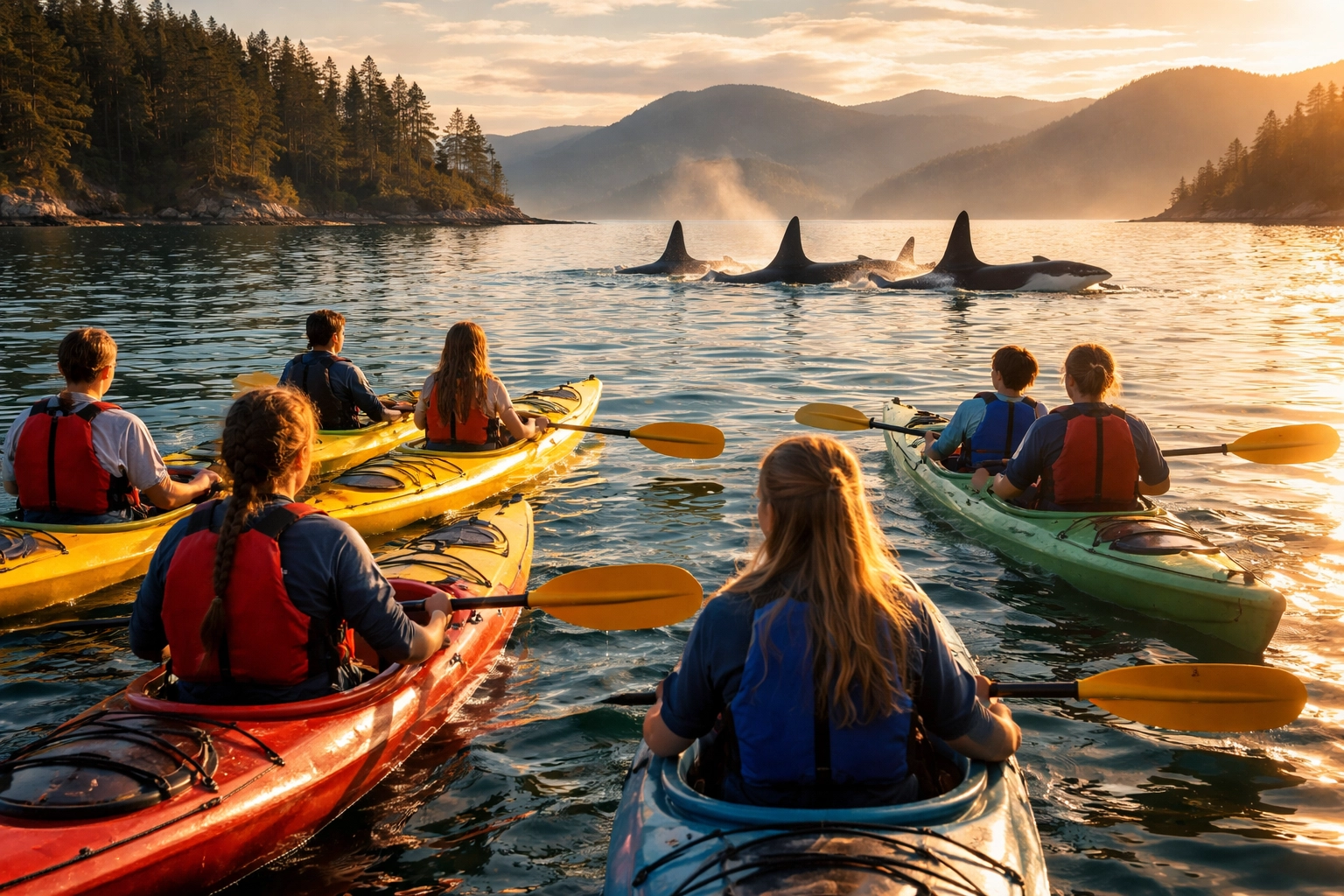
The San Juan Islands archipelago represents one of North America's most biodiverse marine environments. Located in Washington State's Salish Sea, these islands provide unparalleled access to resident orca pods, harbor seals, sea otters, porpoises, and countless seabird species.
Experiential learning programs in this region combine rigorous scientific instruction with hands-on field research. Students do not simply read about marine ecosystems: they paddle through them.
Key Components of San Juan Islands Marine Biology Expeditions
Phase One: Field Skill Development Students begin by mastering essential competencies including:
Kayak packing and safety protocols
Marine chart reading and navigation
Understanding tides and currents
Emergency rescue techniques
Camp management and Leave No Trace principles
Phase Two: Multi-Day Kayak Expeditions The heart of experiential marine biology involves kayak expeditions to island habitats accessible only by water. Students observe wildlife in natural settings, collect field data, and experience ecosystem interconnections firsthand.
Phase Three: Independent Research Projects Students design and execute their own scientific investigations, transforming from passive learners into active researchers contributing to real scientific understanding.
Comparing Learning Outcomes
Research consistently demonstrates that experiential learning produces deeper understanding and longer retention than traditional classroom instruction. Consider these comparative outcomes:
Learning Metric | Classroom Lab | San Juan Islands Expedition |
Knowledge retention (6 months) | 20-30% | 65-80% |
Student engagement | Moderate | Very High |
Real-world application | Limited | Extensive |
Career inspiration | Minimal | Significant |
Environmental stewardship | Abstract | Personal and lasting |
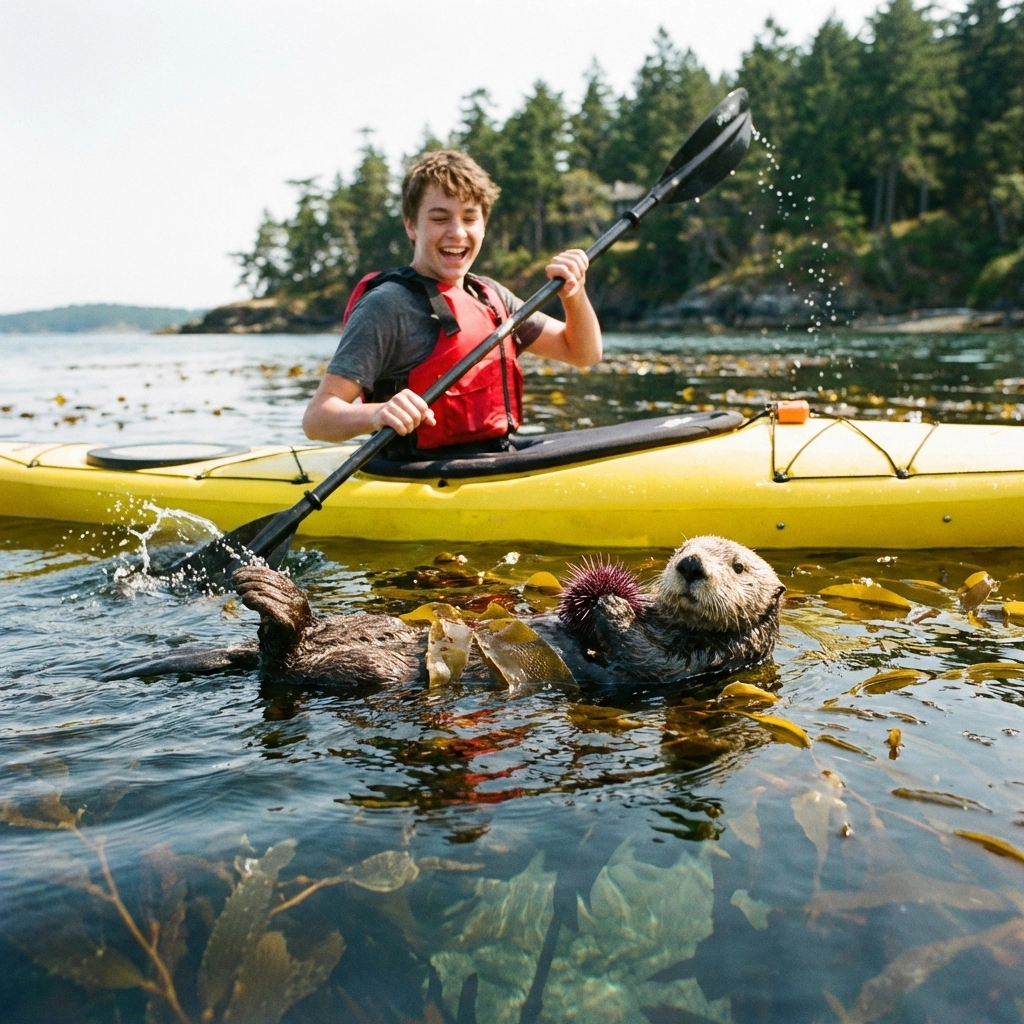
When students paddle alongside a pod of orcas or watch a sea otter crack open a sea urchin, they form emotional connections to marine conservation that no laboratory simulation can replicate.
Beyond Science: Cultural Immersion and Indigenous Knowledge
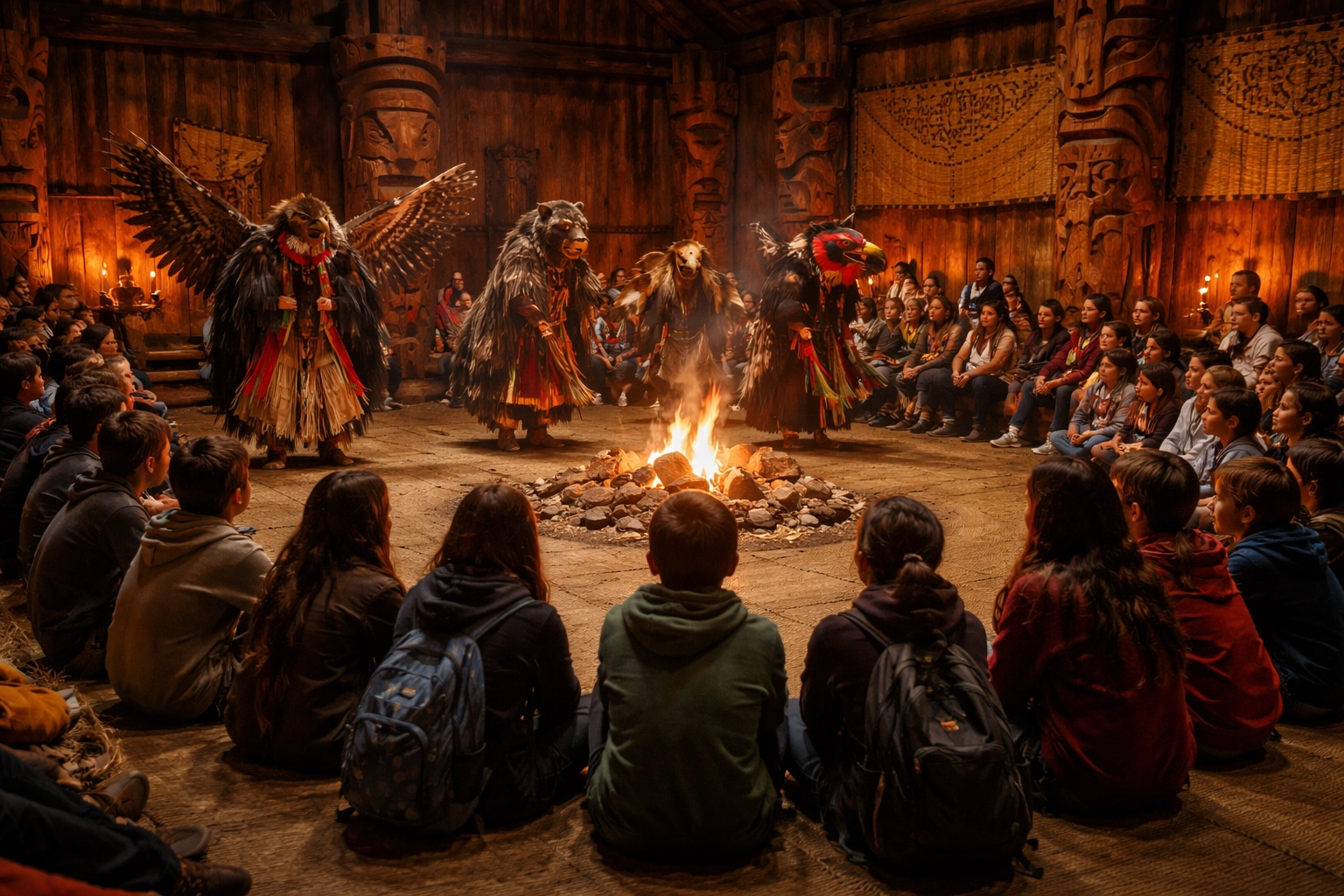
A comprehensive Pacific Northwest educational experience extends beyond marine biology to include the rich cultural heritage of Coast Salish peoples. The San Juan Islands have been home to Indigenous communities for thousands of years, and their traditional ecological knowledge offers invaluable perspectives on marine stewardship.
Many educational expeditions incorporate visits to tribal cultural centers where students witness traditional Native American dances and ceremonies. These experiences provide essential context for understanding:
Traditional resource management: How Indigenous communities sustainably harvested marine resources for millennia
Ecological interconnections: Native worldviews that recognize the relationships between land, sea, and all living beings
Conservation ethics: The responsibility humans bear as stewards rather than owners of natural resources
Integrating cultural experiences with scientific instruction creates well-rounded students who understand both the biological and human dimensions of environmental conservation.
Safety Considerations for Kayaking Expeditions
Preparation and vigilance are essential when planning any outdoor educational experience. Educators considering San Juan Islands expeditions should evaluate programs based on these safety criteria:
Guide certification and experience: Ensure all guides hold current certifications in wilderness first aid, swift water rescue, and kayak instruction
Student-to-guide ratios: Optimal ratios should not exceed 4:1 for kayaking activities
Equipment quality: All kayaks, paddles, and personal flotation devices must meet current safety standards
Weather monitoring protocols: Programs must have clear procedures for monitoring conditions and adjusting itineraries
Emergency communication: Satellite communication devices and established emergency protocols are essential
Medical preparedness: Comprehensive first aid kits and trained personnel must accompany all excursions
Programs operated by experienced educational travel organizations maintain rigorous safety standards while maximizing learning opportunities. Thoroughly vet any program before committing your students.
Planning Your San Juan Islands Expedition
If you determine that experiential learning will best serve your students, follow these steps to plan a successful expedition:
Step 1: Define Learning Objectives
Begin by identifying specific educational outcomes aligned with your curriculum. Marine biology standards, environmental science requirements, and social studies objectives can all be addressed through Pacific Northwest expeditions.
Step 2: Select an Experienced Provider
Choose an educational travel organization with demonstrated expertise in Pacific Northwest science expeditions. Look for providers offering comprehensive programs that include:
Wildlife ecology instruction
Earth science and geology components
Conservation service opportunities
Cultural immersion experiences
Step 3: Prepare Students and Parents
Create detailed informational materials explaining the expedition's educational value, itinerary, safety protocols, and packing requirements. Host a pre-trip meeting to address questions and establish expectations.
Step 4: Coordinate Logistics
Work with your chosen provider to arrange transportation, accommodations, equipment, and meals. Confirm all emergency procedures and communication protocols.
Step 5: Establish Assessment Methods
Develop assessment strategies that capture experiential learning outcomes. Field journals, research projects, presentations, and reflective essays effectively measure student growth.
Experience the Pacific Northwest with Appleseed Expeditions
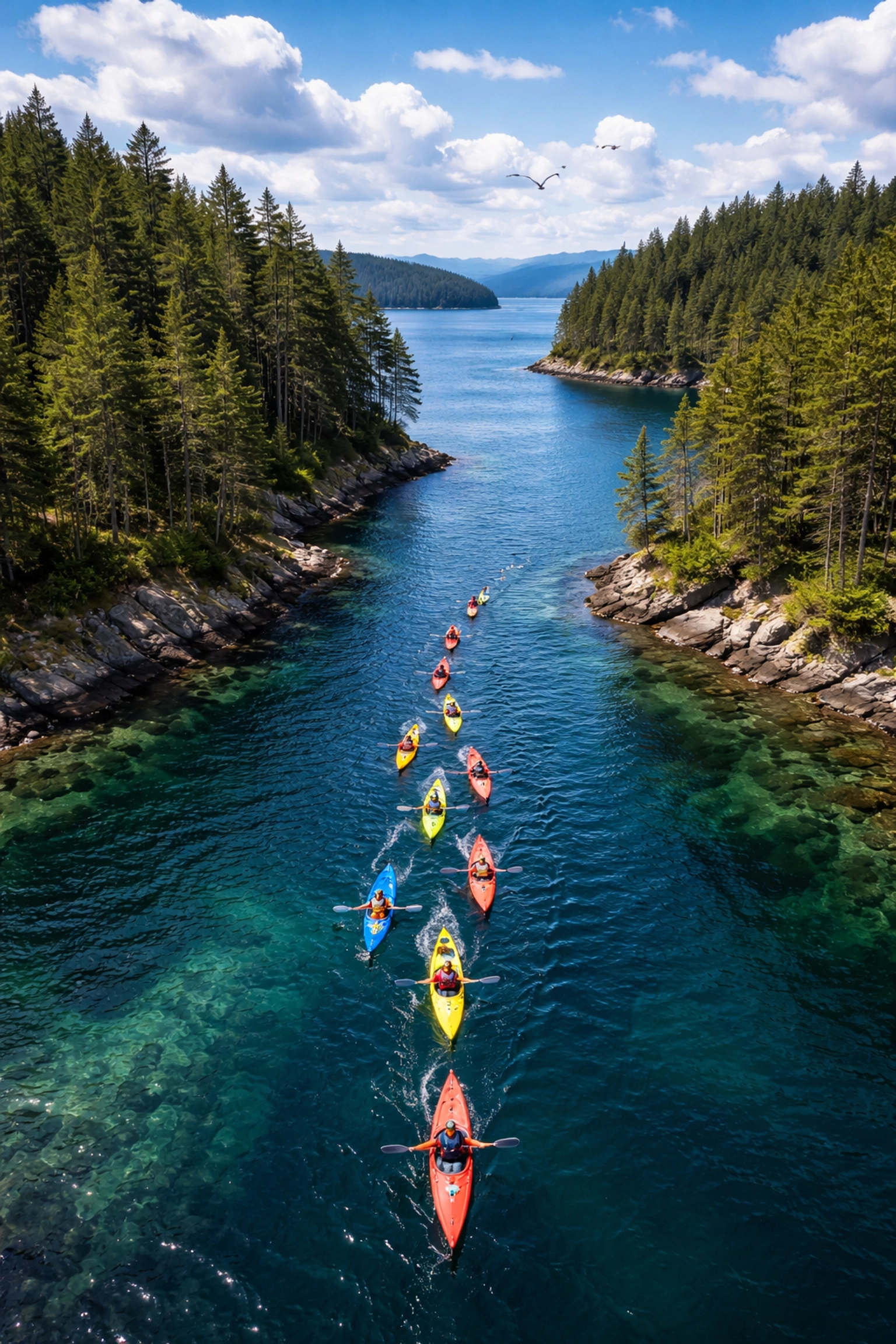
Appleseed Expeditions offers comprehensive Pacific Northwest science expeditions designed specifically for student groups seeking transformative educational experiences. Our programs combine kayaking adventures in the San Juan Islands with explorations of Mount Rainier, Olympic National Forest rainforest ecology, and conservation service opportunities.
Students participating in our Pacific Northwest expeditions engage with wildlife ecology, earth science, volcanic geology, and alpine forest studies while developing leadership skills and environmental stewardship values.
Making Your Decision
The comparison between classroom labs and experiential learning ultimately depends on your educational priorities and available resources. Classroom labs provide consistent, controlled instruction suitable for foundational learning. However, for students ready to deepen their understanding of marine biology and develop genuine connections to ocean conservation, San Juan Islands kayaking expeditions offer unmatched educational value.
Consider these guiding questions:
Do you want students to observe marine life or interact with it?
Is your goal knowledge acquisition or transformational understanding?
Will students remember preserved specimens or the experience of paddling with orcas?
The evidence strongly suggests that experiential learning in environments like the San Juan Islands produces more engaged, knowledgeable, and environmentally conscious students. When students witness the power of an orca surfacing beside their kayak or participate in traditional Coast Salish cultural ceremonies, they develop perspectives that no classroom can provide.
Invest in experiences that will transform your students into the marine scientists, conservationists, and informed citizens our oceans desperately need. The San Juan Islands await.

Comments