


The Educator’s Ultimate Guide to Planning a Grand Canyon Field Expedition
- Caleb Mullenix
- Apr 12
- 5 min read

Organizing a field expedition to the Grand Canyon is one of the most impactful decisions an educator can make. Beyond the sheer scale of the landscape, the canyon serves as a premier "living laboratory" where complex concepts in earth science, biology, and human history manifest in tangible ways. However, transitioning from a classroom setting to one of the world's most extreme environments requires meticulous preparation and a structured approach to safety and logistics.
This guide serves as a comprehensive roadmap for teachers and administrators. By following these steps, you will ensure that your geology student program is not only academically rigorous but also safe, organized, and transformative.
Establishing Educational Objectives and Curriculum Alignment
The first step in planning is to define exactly what your students should achieve. A Grand Canyon expedition should never be viewed as a simple sightseeing tour; it must be an extension of your classroom curriculum.
1. Earth Science and Geology
The Grand Canyon offers an unparalleled geology student program opportunity. Educators should align trip activities with Next Generation Science Standards (NGSS), focusing on:
Stratigraphy: Students can observe the distinct rock layers (strata), identifying the difference between the Vishnu Basement Rocks and the Kaibab Limestone.
Erosion and Weathering: Visible evidence of the Colorado River’s power provides a direct case study on how liquid water shapes the Earth's surface over millions of years.
Plate Tectonics: Discussing the uplift of the Colorado Plateau helps students understand the internal forces of the planet.
2. Biological Diversity and Ecology
From the desert scrub at the canyon floor to the coniferous forests of the North Rim, the canyon contains five of the seven life zones found in North America. Lessons should focus on:
Adaptation: How flora and fauna survive in extreme arid conditions.
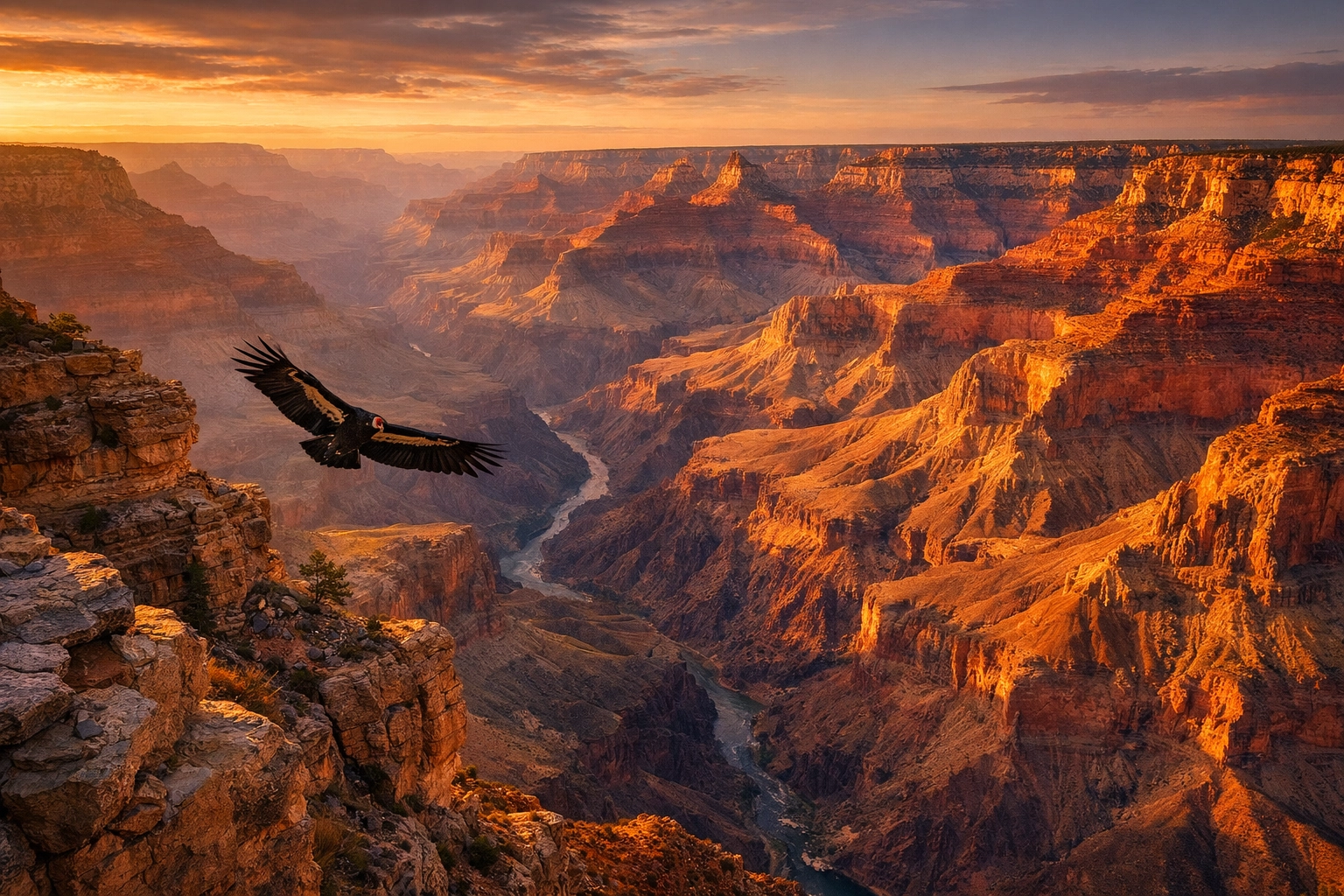
Conservation: Engaging in Grand Canyon conservation school trips allows students to study the reintroduction of the California Condor and the impact of invasive species on native ecosystems.
Integrating the Navajo Service Trip Experience
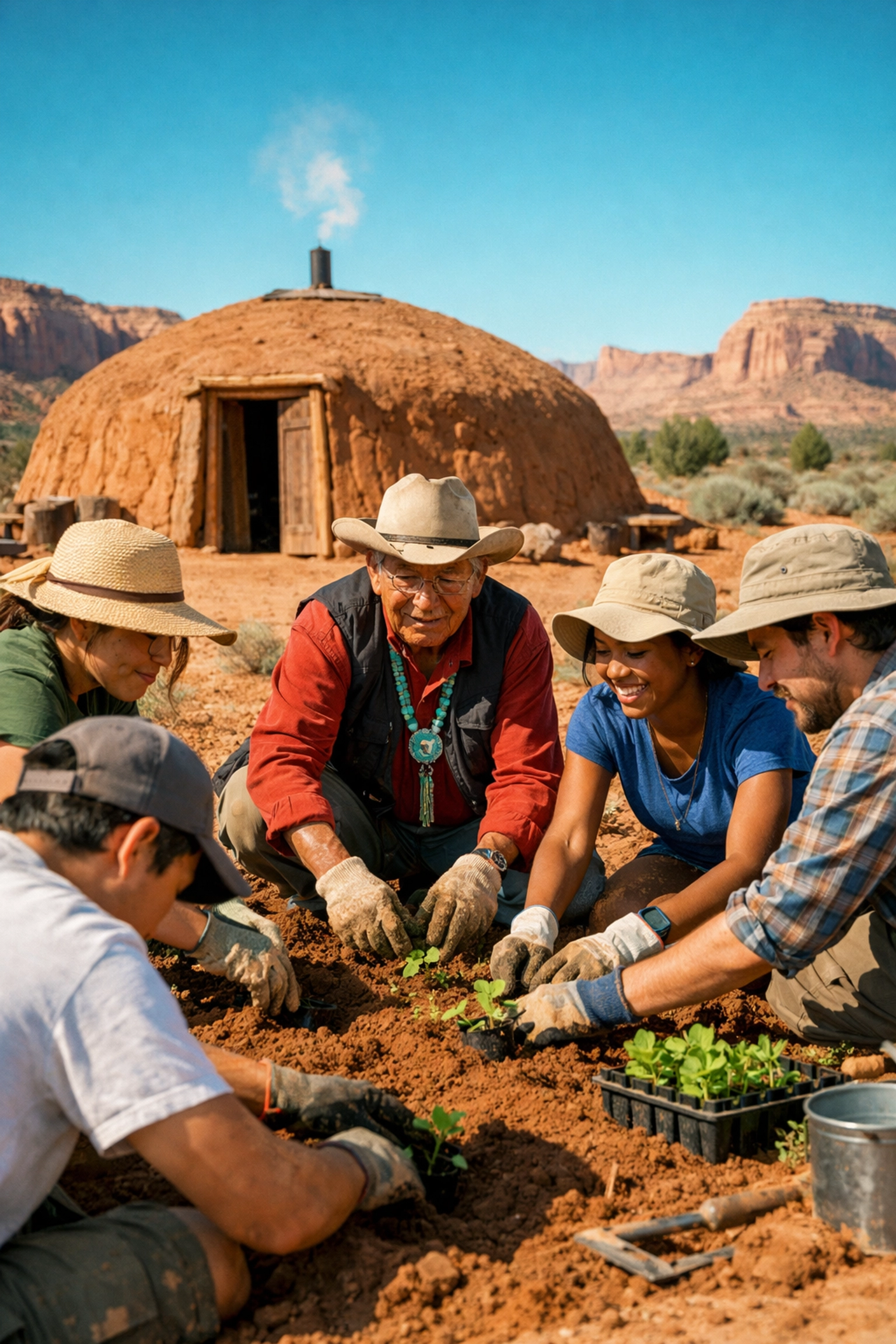
At Appleseed Expeditions, we believe that true education involves both the head and the heart. A hallmark of our Southwest itineraries is the Grand Canyon Navajo service trip component. Integrating service learning into your expedition provides students with a profound understanding of the cultural landscape.
Cultural Exchange and Community Service
The Grand Canyon is the ancestral home of several Indigenous tribes, including the Diné (Navajo). A dedicated service trip allows students to:
Engage in Community Projects: Work alongside Navajo community members on initiatives such as sustainable farming, traditional hogan restoration, or water access projects.
Understand Indigenous Perspectives: Moving beyond a textbook to hear oral histories and learn about the tribe’s relationship with the land fosters empathy and global citizenship.
Analyze Environmental Justice: Students can explore how water rights and land management policies affect the Navajo Nation, bridging the gap between social studies and environmental science.
For more information on how we structure these cultural immersions, you can visit our About page.
The Planning Timeline: A Step-by-Step Approach
Securing the necessary permits and logistics for a National Park expedition requires a long lead time. Failure to plan early often results in lost opportunities for ranger-led programs and preferred lodging.
6–12 Months Before Departure
Secure Administrative Approval: Present a formal proposal highlighting the curriculum alignment and safety protocols.
Initial Budgeting: Account for transportation, food, lodging, and specialized program fees.
Submit Educational Fee Waivers: The National Park Service offers waivers for legitimate educational institutions, but these must be applied for well in advance.
Contact Appleseed Expeditions: Partnering with experts can streamline the process for specialized Grand Canyon programs.
3–6 Months Before Departure
Finalize Itinerary: Confirm dates for your Grand Canyon Navajo service trip and any ranger-led sessions, such as the "Fossil Walk" or "Geo-Glimpse."
Chaperone Recruitment: Select adults who are not only responsible but can also assist in the educational delivery and student supervision.
Student Recruitment: Distribute permission slips and begin collecting deposits.
Safety and Risk Management Protocols
Ensuring the safety of students in a high-altitude, desert environment is of paramount importance. Educators must adopt a risk-averse mindset and prepare for a variety of environmental challenges.
1. Hydration and Heat Management
The Grand Canyon is a land of extremes. Temperatures at the bottom can be 20 degrees hotter than at the rim.
Mandatory Water Requirements: Every student must carry a minimum of two liters of water.
Electrolyte Balance: Encourage students to consume salty snacks alongside water to prevent hyponatremia.
Sun Protection: Require hats, long-sleeved UPF clothing, and high-SPF sunscreen.
2. Physical Conditioning and Terrain
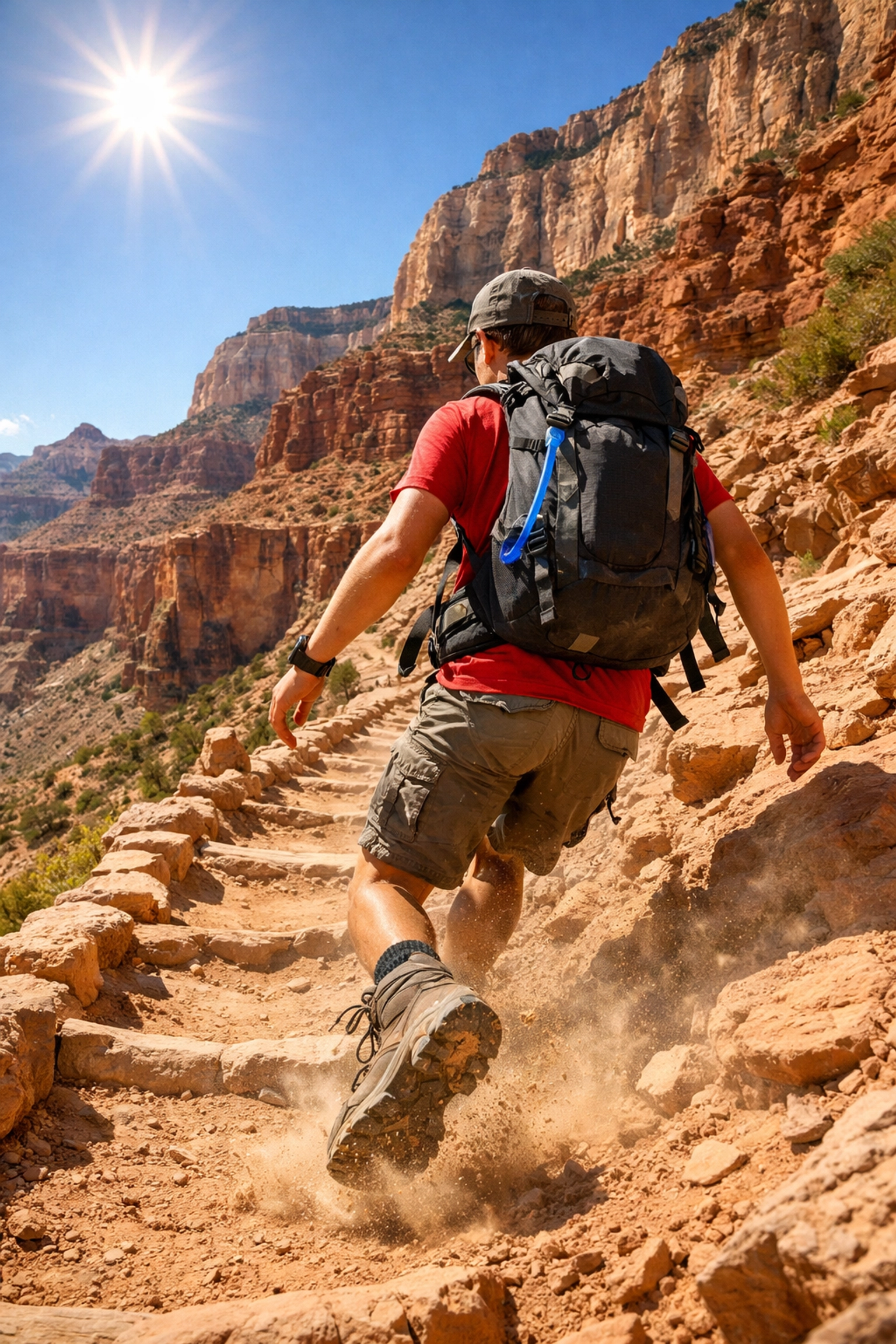
The trails are steep and unforgiving.
Assess Fitness Levels: Advise students and parents early about the physical demands of the trip.
Hike within Limits: On school expeditions, it is rarely advisable to attempt a "rim-to-river-and-back" hike in a single day. Focus on shorter, high-impact educational hikes like the South Kaibab Trail to Ooh-Aah Point.
3. Emergency Communication
Cell service is unreliable within the canyon.
Satellite Communication: Ensure lead teachers or guides carry a satellite messenger (like a Garmin inReach).
First Aid: At least one lead chaperone should be certified in Wilderness First Aid (WFA).
Pre-Visit and Post-Visit Learning
To maximize the impact of Grand Canyon conservation school trips, the learning must begin before the bus leaves the school parking lot and continue after the return home.
Pre-Visit Preparation
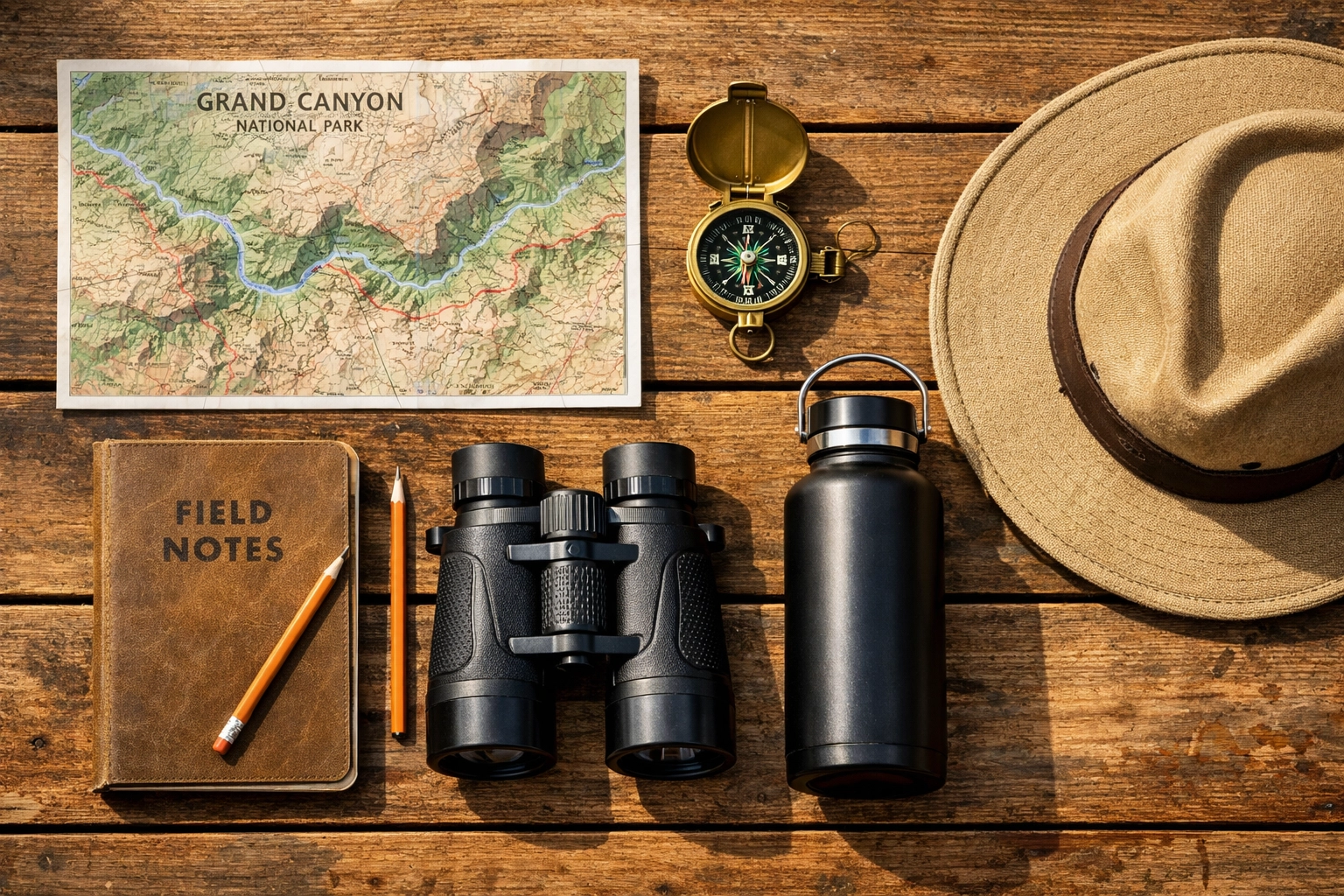
Develop classroom modules that introduce the specific geology of the Southwest. Use topographical maps to help students visualize the elevation changes they will encounter. Assign "expert roles" to students, one might be the resident expert on California Condors, while another focuses on the Great Unconformity.
Post-Visit Reflection and Documentation
Upon returning, students should synthesize their experiences.
Field Journals: Review the sketches and notes taken during the trip.
Community Presentations: Have students present their service work on the Navajo Nation to the school board or parents. This reinforces the value of the trip and builds support for future expeditions.
Action Projects: If students were inspired by conservation efforts, encourage them to start a local environmental initiative in their own community.
Why a Guided Expedition Matters
While it is possible to plan a trip independently, the logistical burden on a teacher can be overwhelming. Partnering with an organization that specializes in educational travel ensures that the "logistics" do not overshadow the "learning."
At Appleseed Expeditions, we handle the permitting, the community relationships for service projects, and the rigorous safety standards required for student travel. This allows you, the educator, to focus entirely on your students and the incredible classroom that is the Grand Canyon.
If you are interested in expanding your school’s travel program to other regions, explore our programs in Big Bend or our Marine Science expeditions.
Final Considerations
A Grand Canyon field expedition is a landmark event in a student’s academic career. It is a rare opportunity to witness the vastness of geologic time and the resilience of human culture simultaneously. By prioritizing curriculum alignment, safety, and meaningful service, you are providing your students with more than just a trip, you are providing them with a new perspective on the world.
Ensure that you communicate clearly and frequently with parents, maintain high standards for student conduct, and remain flexible in the face of the canyon’s unpredictable environment. With careful preparation and a commitment to educational excellence, your Grand Canyon expedition will be a resounding success.
For further resources on planning or to see examples of our past trips, please visit our blog.
Comments