


The Teachers Guide to Choosing Between Florida Keys and Cayman Islands for School Marine Biology Tours
- Caleb Mullenix
- Jan 5
- 5 min read

Updated: Jan 19
Selecting the optimal destination for your school marine biology tour Florida Keys versus Cayman Islands requires careful evaluation of educational objectives, reef conditions, and student learning outcomes. The decision you make will directly impact your students' understanding of marine ecosystems and their future engagement with ocean sciences.
Understanding Current Reef Health and Marine Ecosystem Conditions
Begin by examining the fundamental ecological differences between these two Caribbean marine environments, as these conditions will shape your students' learning experiences and research opportunities.
Florida Keys Marine Environment
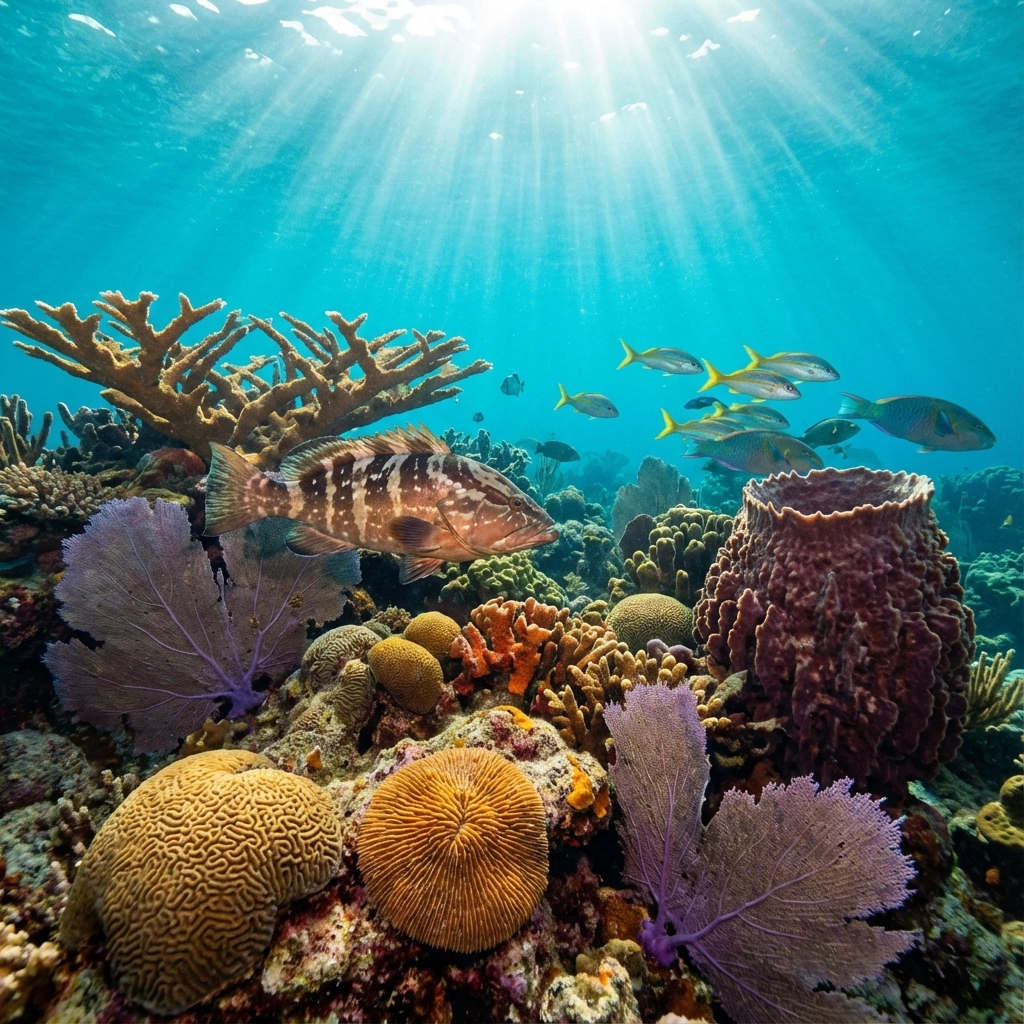
The Florida Keys currently maintain established, productive reef ecosystems with diverse predator and competitive fish species. Research data indicates that Florida Keys reefs support varied habitat types, including deep forereef systems, patch reefs, and high-relief structures that host different fish communities across multiple depth zones. This diversity provides students with comprehensive exposure to reef zonation patterns and marine biodiversity.
The region demonstrates greater densities of snappers, hamlets, and large groupers compared to other surveyed Caribbean locations, offering students clear examples of functioning reef food webs. These robust predator populations serve as excellent indicators of ecosystem health that students can observe and document during their school marine biology tour Florida Keys experience.
Cayman Islands Marine Environment
Cayman Islands reefs present a different educational opportunity, showcasing marine ecosystems under environmental stress. Twenty-year reef survey data reveals significant ecological changes that provide valuable learning experiences about reef resilience and conservation challenges.
Coral cover has declined substantially: from 21% to 15% on Grand Cayman: while macroalgal cover increased dramatically from 44% to 59% across all three islands. These changes indicate reduced reef complexity and structural support for marine organisms, creating opportunities for students to study reef degradation processes and recovery efforts.
Fish population trends show mixed results, with overall fish density remaining relatively constant but grouper populations declining significantly on Little Cayman. Average fish size has increased overall, though herbivorous fish populations have not decreased despite rising algae levels, presenting students with complex ecological relationships to analyze.
Marine Life Diversity and Research Opportunities
Evaluate the specific marine species and research opportunities available at each destination to align with your curriculum objectives and student learning goals.
Florida Keys Species Diversity
Florida Keys marine environments support exceptional biodiversity across multiple taxonomic groups. Students conducting school marine biology tour Florida Keys programs can observe:
Large predatory fish populations including groupers, snappers, and barracuda
Diverse coral species in various reef zones
Extensive seagrass communities supporting manatees and sea turtles
Lionfish populations for invasive species studies
Multiple shark species for predator-prey relationship analysis
The established nature of Florida Keys reef systems provides consistent wildlife viewing opportunities, ensuring successful student observations and data collection activities.
Cayman Islands Conservation Focus
School marine biology tour Cayman Islands programs offer unique opportunities to study marine conservation in action. Students can engage with:
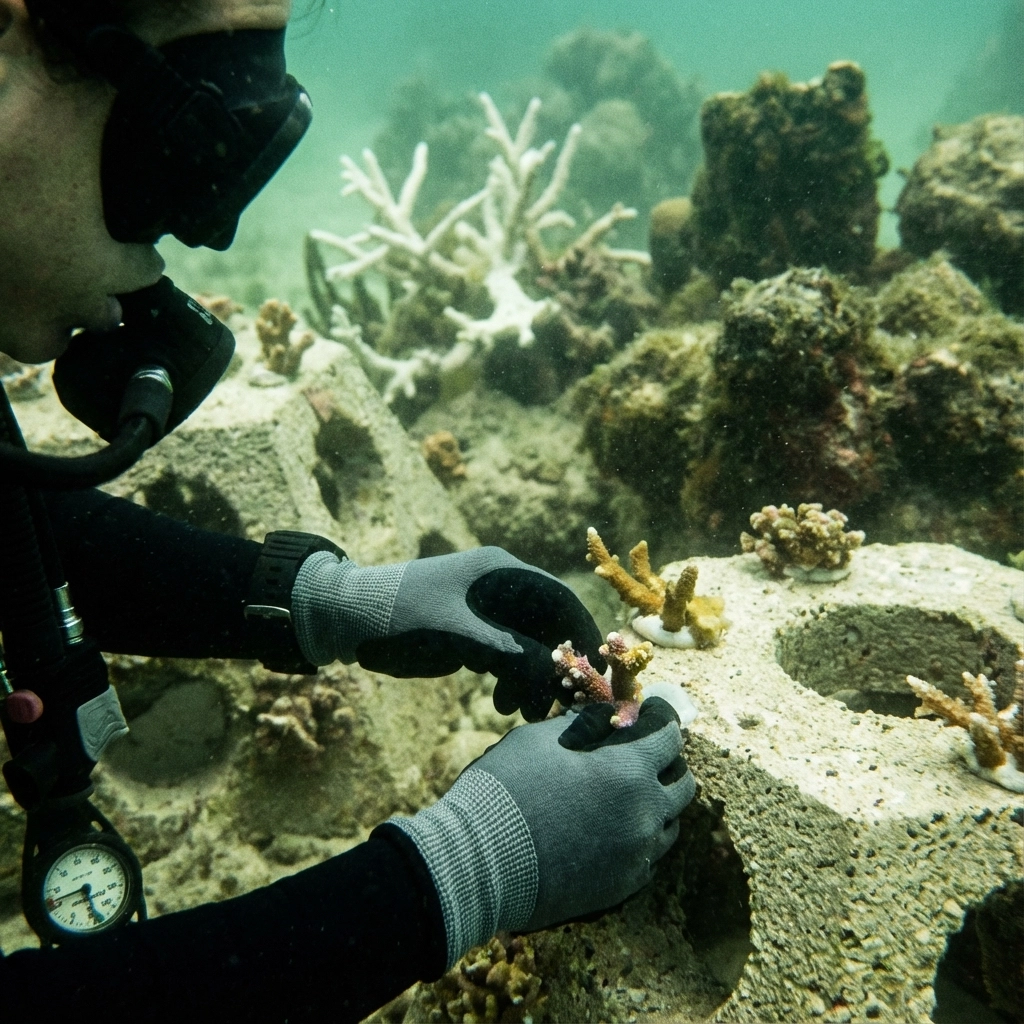
Coral restoration and rehabilitation projects
Marine protected area management strategies
Endemic species conservation efforts, including blue iguanas with marine habitat connections
Reef monitoring and citizen science programs
Climate change adaptation studies in marine environments
These experiences connect classroom learning with real-world conservation challenges, inspiring students to consider careers in marine science and environmental protection.
Educational Value and Curriculum Alignment
Determine which destination best supports your specific curriculum standards and learning objectives for marine biology education.
Florida Keys Academic Integration
Florida Keys marine biology tours excel in supporting comprehensive marine science curricula. The destination facilitates instruction in:
Marine ecosystem structure and function
Biodiversity assessment and species identification
Food web analysis and trophic relationships
Habitat zonation and environmental adaptation
Scientific methodology and field research techniques
The stable ecosystem conditions in the Florida Keys allow for predictable learning outcomes and successful completion of pre-designed research projects and data collection activities.
Cayman Islands Applied Conservation Science
Cayman Islands programs emphasize applied conservation science and environmental problem-solving. Students engage with:
Reef restoration techniques and coral propagation
Marine protected area design and effectiveness
Human impact assessment and mitigation strategies
Climate change effects on marine ecosystems
Conservation policy and community engagement
These experiences develop critical thinking skills while addressing contemporary environmental challenges, preparing students for advanced studies in marine conservation and environmental science.
Practical Considerations for School Groups
Assess logistical factors that will influence program success and student safety during your marine biology tour planning process.
Accessibility and Infrastructure
Florida Keys locations offer extensive educational infrastructure specifically designed for school groups. Established marine laboratories, research stations, and educational facilities provide controlled learning environments with backup plans for adverse weather conditions.
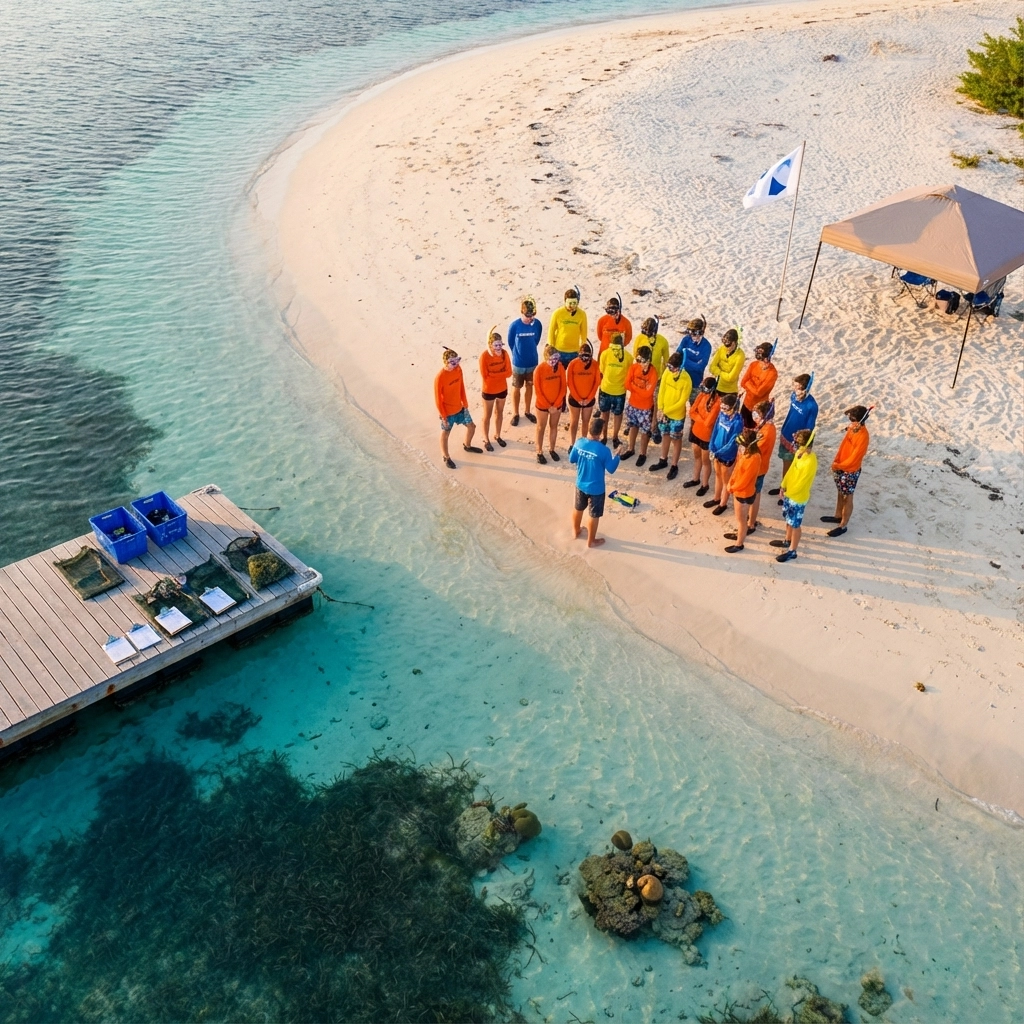
Cayman Islands programs may require more specialized arrangements but offer smaller group sizes and more personalized attention from local marine biologists and conservation professionals. Consider your group size and supervision requirements when evaluating these options.
Safety Protocols and Emergency Preparedness
Ensure that your chosen destination maintains comprehensive safety protocols for student marine activities. Florida Keys operators typically provide extensive safety equipment and emergency response capabilities due to proximity to mainland medical facilities and coast guard services.
Cayman Islands programs require additional emergency planning considerations due to island isolation, but local operators maintain high safety standards and established emergency protocols for educational groups.
Cost Analysis and Budget Planning
Develop a comprehensive cost comparison that includes all program components to make informed financial decisions for your school marine biology tour investment.
Florida Keys Budget Considerations
School marine biology tour Florida Keys programs typically offer competitive pricing due to:
Reduced international travel costs
Multiple program operator options
Established educational group rates
Shorter travel distances from most U.S. schools
Factor in accommodation costs, meal plans, transportation, and activity fees when calculating total program expenses. Many Florida Keys operators provide package deals specifically designed for educational groups.
Cayman Islands Investment Analysis
School marine biology tour Cayman Islands programs require higher initial investment but may provide enhanced educational value through:
Specialized conservation program access
Smaller group sizes and personalized instruction
Unique marine environments not available elsewhere
International experience for student development
Consider the long-term educational impact when evaluating the higher costs associated with international travel and specialized conservation programming.
Implementation Timeline and Booking Considerations
Begin planning your marine biology tour 12-18 months in advance to secure optimal dates and program availability. Peak season demand affects both destinations, with Florida Keys experiencing heavy bookings during winter months and Cayman Islands maintaining consistent demand year-round.
Research permit requirements, especially for Cayman Islands programs that may involve marine protected areas or conservation activities requiring special authorization. Ensure all students possess valid passports for international travel to Cayman Islands locations.
Making Your Final Destination Decision
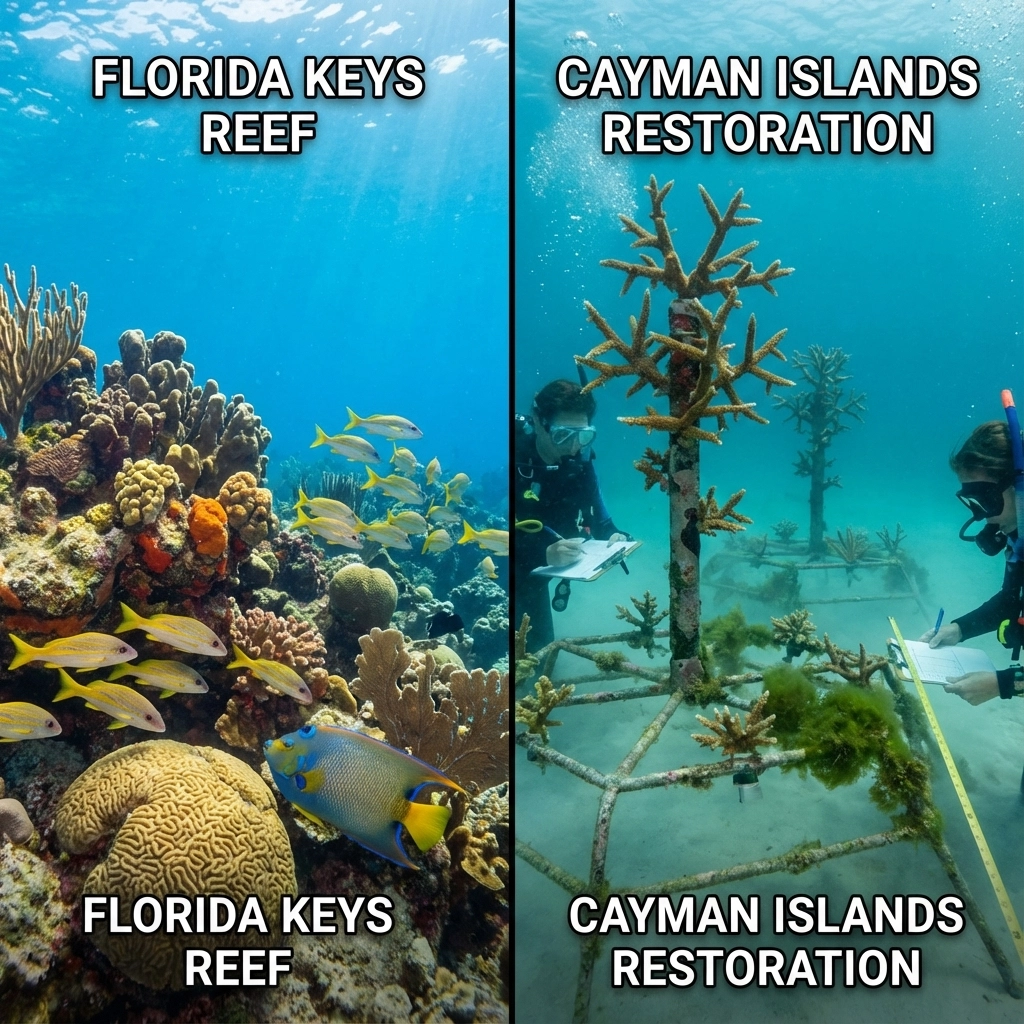
Evaluate your decision based on primary educational objectives, budget constraints, and desired student outcomes. Choose Florida Keys if your priority involves comprehensive marine ecosystem study, diverse species observations, and cost-effective programming with reliable logistics.
Select Cayman Islands if your curriculum emphasizes conservation science, environmental problem-solving, and international experience, with budget availability for enhanced programming costs.
Consider alternating destinations over multiple years to provide students with diverse marine biology experiences and comparative ecosystem study opportunities.
Professional Development and Educator Preparation
Regardless of your chosen destination, invest in professional development opportunities to maximize educational value. Attend pre-trip orientation sessions, review current marine science research from your selected location, and coordinate with program operators to align activities with curriculum standards.
Prepare students with background knowledge about marine ecosystems, conservation challenges, and scientific methodology before departure. This preparation ensures productive field work and meaningful data collection during your marine biology tour experience.
Both destinations offer exceptional learning opportunities when properly planned and executed. Your decision should reflect your specific educational goals, student needs, and institutional resources to create transformative marine science experiences that inspire lifelong environmental stewardship.
Contact Appleseed Expeditions to explore comprehensive marine biology tour options and receive expert guidance in selecting the optimal destination for your student group's educational objectives and academic requirements.
Comments