


The Ultimate Florida Keys Marine Science Expedition: A Guide for Student Group Travel Organizers

Organizing a successful Florida Keys marine science expedition requires meticulous planning, strategic partnerships, and a clear understanding of educational objectives. As a student group travel organizer, you hold the responsibility of creating an experience that balances academic rigor with safety, logistical efficiency, and lasting educational impact. This comprehensive guide provides the essential framework for planning a transformative Florida Keys expedition with Appleseed Expeditions.
Establish Clear Educational Objectives
Begin by defining the learning outcomes for your expedition. Identify the specific marine science concepts you intend to reinforce: ecosystem interdependence, conservation biology, species adaptation, or marine biodiversity. Align these objectives with your school's curriculum standards and ensure they connect meaningfully to classroom instruction that precedes and follows the trip.
Create measurable assessment criteria that demonstrate student learning. Develop field journal templates that require students to document species identification, ecosystem mapping, and daily observations. Establish rubrics evaluating student understanding of marine ecosystem relationships and conservation challenges. Share these expectations with students, parents, and chaperones well in advance of departure.
Core Educational Experiences in the Florida Keys
The Florida Keys offers three primary marine habitats that form the foundation of meaningful scientific study:
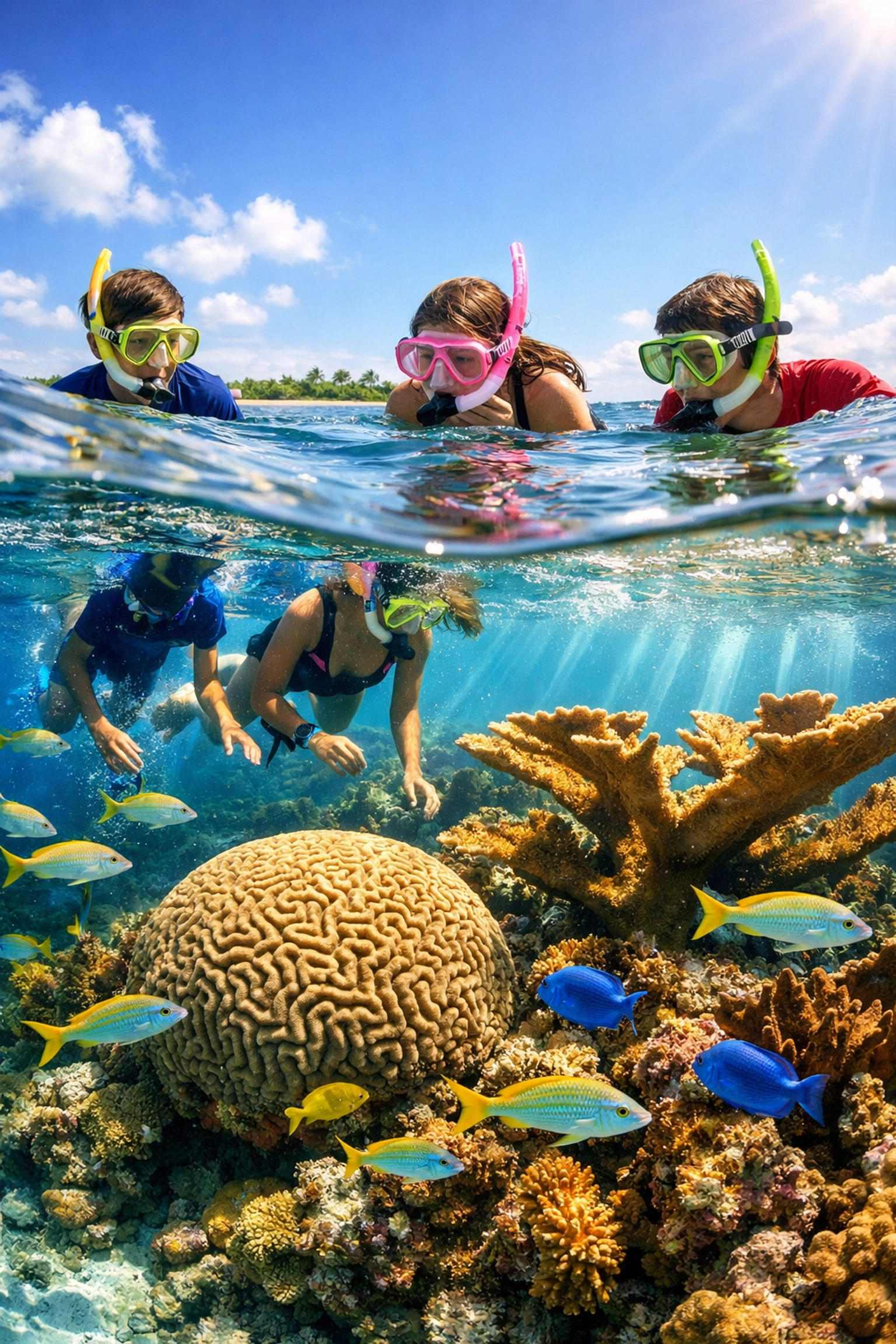
Coral Reef Ecosystems Schedule guided snorkeling excursions at locations such as John Pennekamp Coral Reef State Park. Students should identify coral species, observe fish populations, and assess reef health indicators. Provide underwater identification cards and emphasize reef protection protocols before any water entry. Ensure all participants understand proper snorkeling technique and maintain appropriate distance from fragile coral structures.
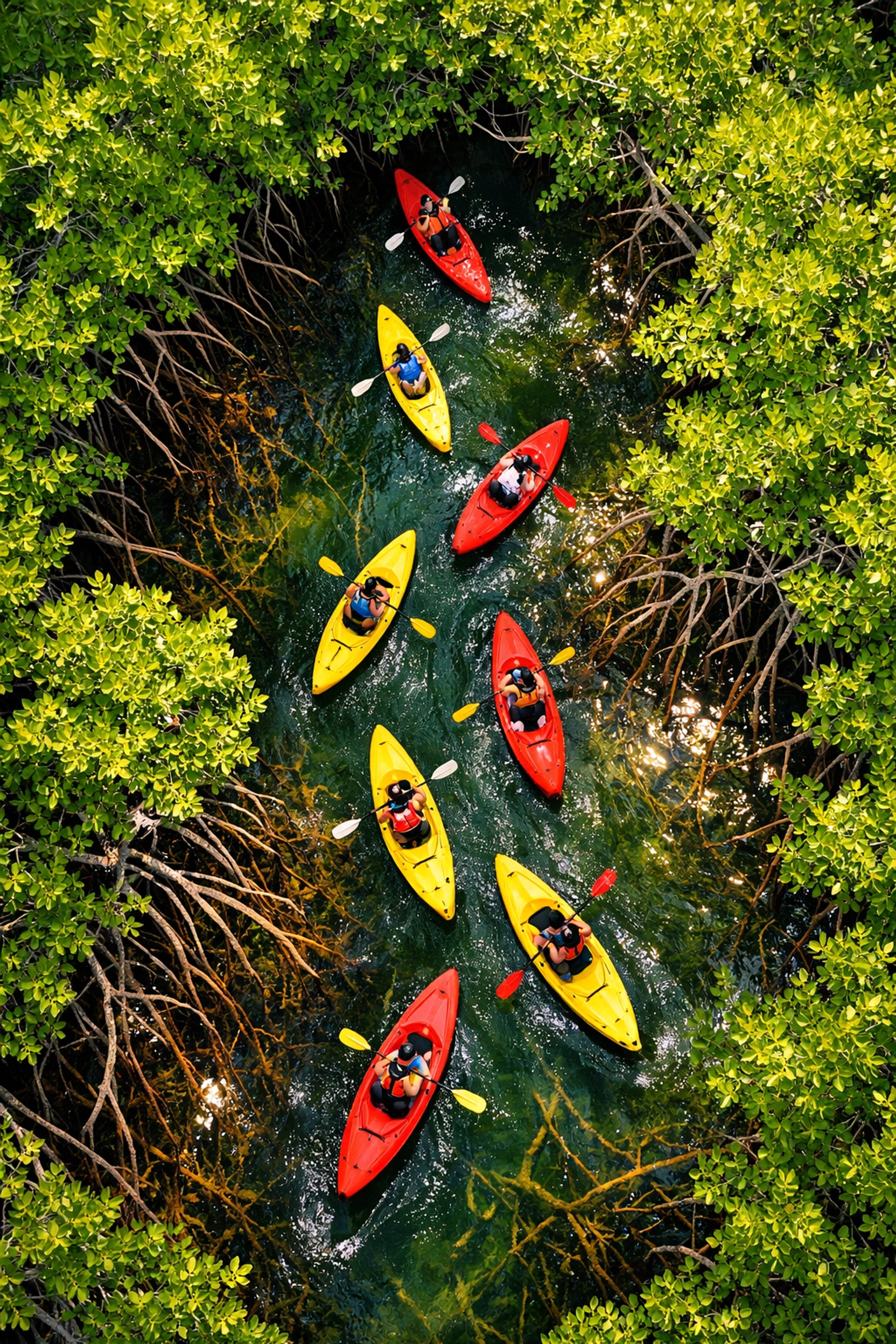
Mangrove Forests Organize kayaking expeditions through mangrove channels where students can study root adaptations, observe nursery functions for juvenile fish, and document wildlife activity. Conduct habitat assessments that measure water salinity, temperature, and clarity. Emphasize the critical role mangroves play in coastal protection and carbon sequestration.
Seagrass Meadows Facilitate shallow-water surveys where students can document seagrass species, identify invertebrates, and observe marine mammals such as manatees. Pair these observations with water quality testing and trawling programs that help students understand ecosystem interconnections.
Recommended Expedition Framework
Structure your expedition using a progressive learning model that builds confidence and knowledge systematically:
Day One: Orientation and Safety Protocols Conduct comprehensive safety briefings that address water activity procedures, emergency protocols, and medical considerations. Review hand signals for underwater communication and establish buddy systems for all aquatic activities. Introduce marine science concepts at controlled facilities such as aquarium centers where students can interact with touch tanks and engage with marine biologists in a supervised environment.
Day Two: Field Exploration and Species Documentation Schedule morning snorkeling sessions with expert naturalist guides who provide species identification expertise and ecosystem context. Allocate sufficient time for students to complete field journal entries while observations remain fresh. Conduct afternoon mangrove kayaking adventures where students navigate shallow channels and perform habitat assessments using standardized data collection methods.
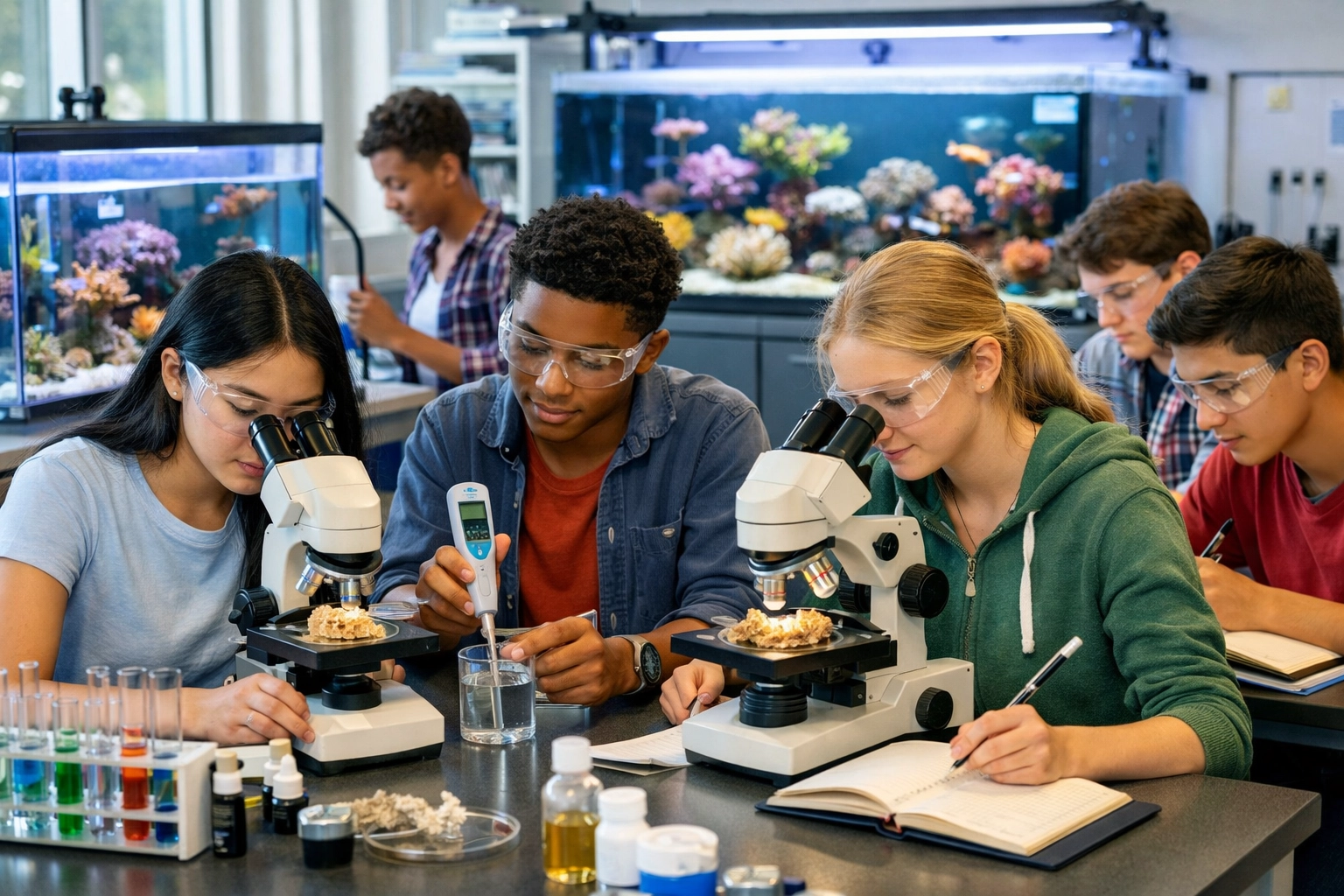
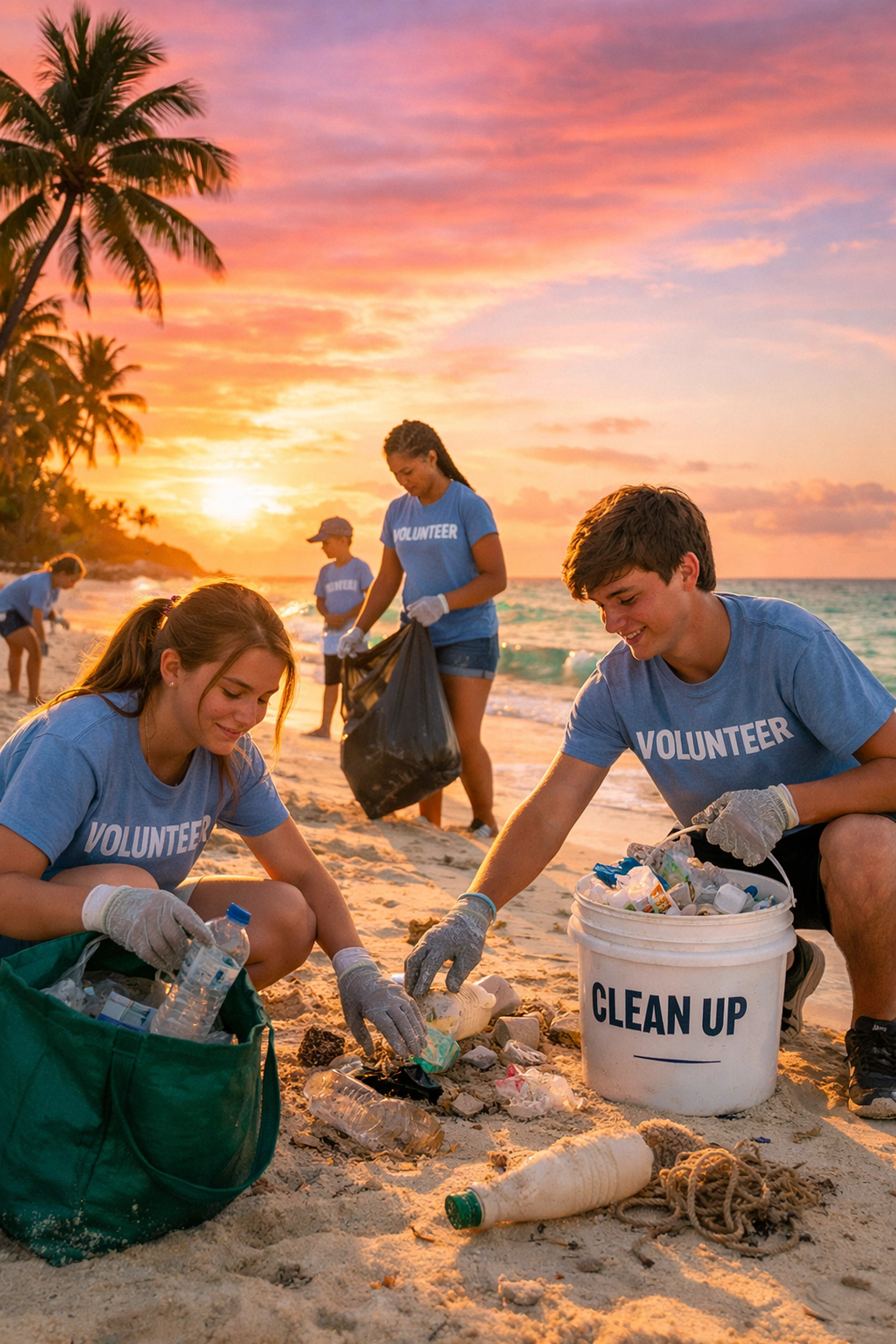
Day Three: Research Integration and Conservation Application Arrange morning visits to research facilities such as Mote Marine Laboratory where students observe cutting-edge scientific work and participate in hands-on experiments. Facilitate afternoon service projects including beach cleanups, invasive species removal, or data collection for citizen science initiatives. Ensure students understand how their contributions support ongoing conservation efforts.
Logistics and Group Management
Group Size Requirements Understand the specific requirements for vessel selection. Standard boats require a minimum of 9 paying participants with a maximum of 10 passengers total, including one complimentary chaperone per 9 students. Larger vessels accommodate 14 to 19 participants with two complimentary chaperones. Plan your group composition accordingly to meet these thresholds while maintaining appropriate supervision ratios.
Transportation and Accommodation Secure accommodations near primary field sites to minimize travel time and maximize instructional hours. Verify that lodging facilities can accommodate dietary restrictions and medical needs. Arrange transportation that includes secure storage for scientific equipment, first aid supplies, and students' personal belongings.
Equipment and Supplies Create detailed equipment lists that include snorkel gear, field journals, identification guides, water quality testing kits, and specimen collection materials. Verify that all equipment meets safety standards and fits participants appropriately. Pack backup supplies for essential items such as sunscreen, insect repellent, and hydration supplies.
Professional Partnerships and Expert Guidance
Partner with established organizations that provide expert instruction and research-grade experiences:
MarineLab: Offers programs ranging from single-day excursions to week-long expeditions for grades 5 through college, featuring snorkeling and authentic research participation
Mote Marine Laboratory: Provides access to the Elizabeth Moore International Center for Coral Reef Research & Restoration with programs spanning single to multiple days
Reef Environmental Education Foundation (REEF): Delivers specialized programs teaching marine invertebrate adaptations through snorkeling experiments and seagrass studies
Pigeon Key Marine Science Center: Offers customized experiences on a five-acre island with tailored hands-on learning activities
Engage expert naturalist guides who possess both scientific expertise and group management experience. These professionals provide species identification knowledge, ecosystem interpretation, and safety oversight that classroom teachers cannot replicate independently.
Safety Protocols and Risk Management
Ensuring the safety of students during aquatic activities is of paramount importance. Implement the following protocols:
Conduct swimming proficiency assessments before departure. Verify that all participants possess adequate swimming skills for planned activities. Require written physician approval for students with medical conditions that may affect water safety.
Establish clear emergency procedures for water-based incidents, marine life encounters, and medical situations. Share detailed emergency contact information with all chaperones. Identify the nearest medical facilities and maintain communication devices that function in marine environments.
Monitor weather conditions continuously and maintain flexibility to modify schedules when conditions present elevated risk. Emphasize to students the importance of following guide instructions without exception during all water activities.
Curriculum Integration and Assessment
Develop pre-trip assignments that introduce key concepts and build foundational knowledge. Require students to research Florida Keys ecosystems, identify target species, and formulate research questions they hope to investigate during fieldwork.
During the expedition, facilitate daily reflection sessions where students discuss observations, share discoveries, and connect field experiences to classroom learning. Encourage students to maintain detailed field journals that include sketches, species lists, and personal reflections.
Design post-trip assessments that transform field experiences into lasting understanding. Structure group research projects where student teams investigate specific conservation challenges, develop evidence-based solution proposals, and present findings to classmates and community members.
Post-Trip Engagement and Career Exploration
Extend the educational impact beyond the expedition itself. Facilitate action project development where students design and implement local conservation initiatives inspired by their Florida Keys experience. Create opportunities for students to present their learning to school assemblies, parent groups, or community organizations.
Connect students with marine science professionals who can provide mentorship and career guidance. Share information about college marine science programs, summer research opportunities, and professional organizations. Maintain connections with Florida Keys research institutions to facilitate ongoing engagement with conservation work.
Partner with Appleseed Expeditions
Appleseed Expeditions specializes in creating transformative Florida Keys marine science expeditions that balance rigorous academics with unforgettable experiences. Our expert team handles logistical details, coordinates with research facilities, and ensures safety protocols meet the highest standards. We provide the framework and support necessary for student group travel organizers to deliver exceptional educational expeditions.
Begin planning your Florida Keys marine science expedition today. The comprehensive preparation you invest now will yield educational dividends that extend far beyond the trip itself, inspiring the next generation of marine scientists and ocean conservationists.

Comments