


Unlocking Mayan Secrets: An Educational Trip to Belize for Aspiring Archaeologists

Preparing students for careers in archaeology and anthropology requires immersive, hands-on experiences that extend far beyond textbook learning. A school trip to Belize offers aspiring archaeologists the unparalleled opportunity to explore some of the most significant Mayan archaeological sites in Central America while developing critical field research skills and cultural understanding.
With over 600 ancient Maya sites scattered across its diverse landscape, Belize represents one of the most archaeologically rich regions in the world. An educational trip to Belize transforms theoretical classroom knowledge into tangible discoveries, allowing students to walk through ancient plazas, examine ceremonial structures, and understand the sophisticated engineering achievements of one of history's most advanced civilizations.
Why Belize Stands Apart for Archaeological Education
Selecting Belize as your destination for a student trip to Belize provides distinct advantages over other Maya regions. First, the country's compact size allows students to visit multiple significant sites within a single expedition, maximizing exposure to different time periods and architectural styles. Second, many Belizean sites remain actively excavated, offering students the rare opportunity to witness archaeology in action and potentially interact with working archaeologists.
Third, Belize's official language is English, eliminating communication barriers that might otherwise complicate educational interactions and logistical coordination. Fourth, the country's stable infrastructure and established tourism network ensure that student groups can travel safely while maintaining rigorous academic focus.
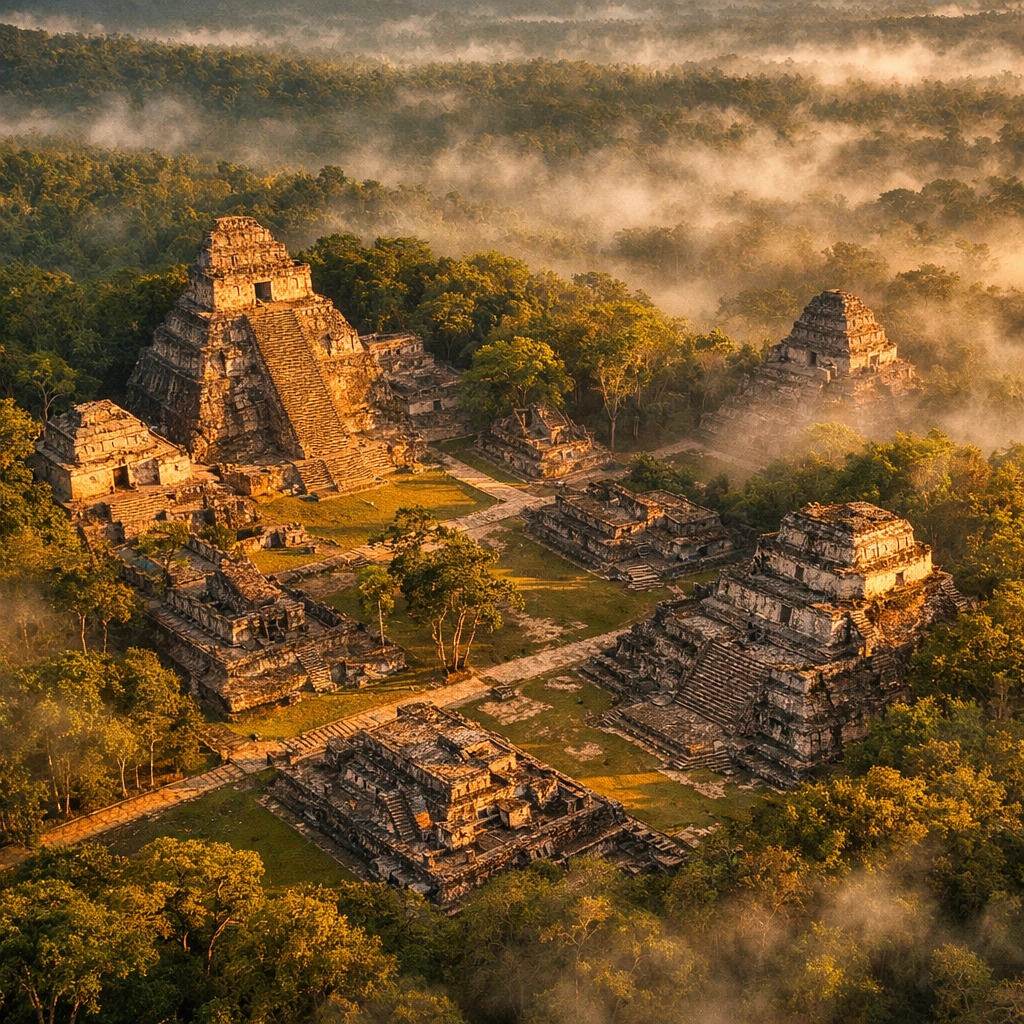
Begin planning your archaeological expedition by identifying which Maya periods and cultural developments align most closely with your curriculum objectives. The Maya civilization spans three major periods: Preclassic (2000 BC–250 AD), Classic (250–900 AD), and Postclassic (900–1500 AD): and Belize's archaeological reserves showcase all three eras with remarkable clarity.
Caracol: The Crown Jewel of Maya Urban Planning
Caracol represents the pinnacle of Maya architectural achievement and urban organization. This massive site, covering nearly 25,000 acres in the Chiquibul Forest Reserve, once supported a population exceeding 100,000 inhabitants, making it larger than present-day Belize City. For students studying ancient urban planning, resource management, and political systems, Caracol offers invaluable insights.
The site's centerpiece, Caana ("Sky Palace"), rises 140 feet above the plaza floor, making it the tallest structure in Belize to this day. Encourage students to carefully observe the temple's construction techniques, noting how Maya engineers compensated for the challenging jungle terrain while creating structures that have endured over 1,500 years.
Caracol's extensive causeway system: over 30 miles of raised roads connecting various sectors: demonstrates sophisticated civil engineering. Direct students to examine how these sacbeob (white roads) facilitated commerce, religious processions, and administrative control across the sprawling city. Discuss with students how these infrastructure projects required centralized planning, specialized labor forces, and extensive resource allocation: concepts that connect directly to modern urban development principles.
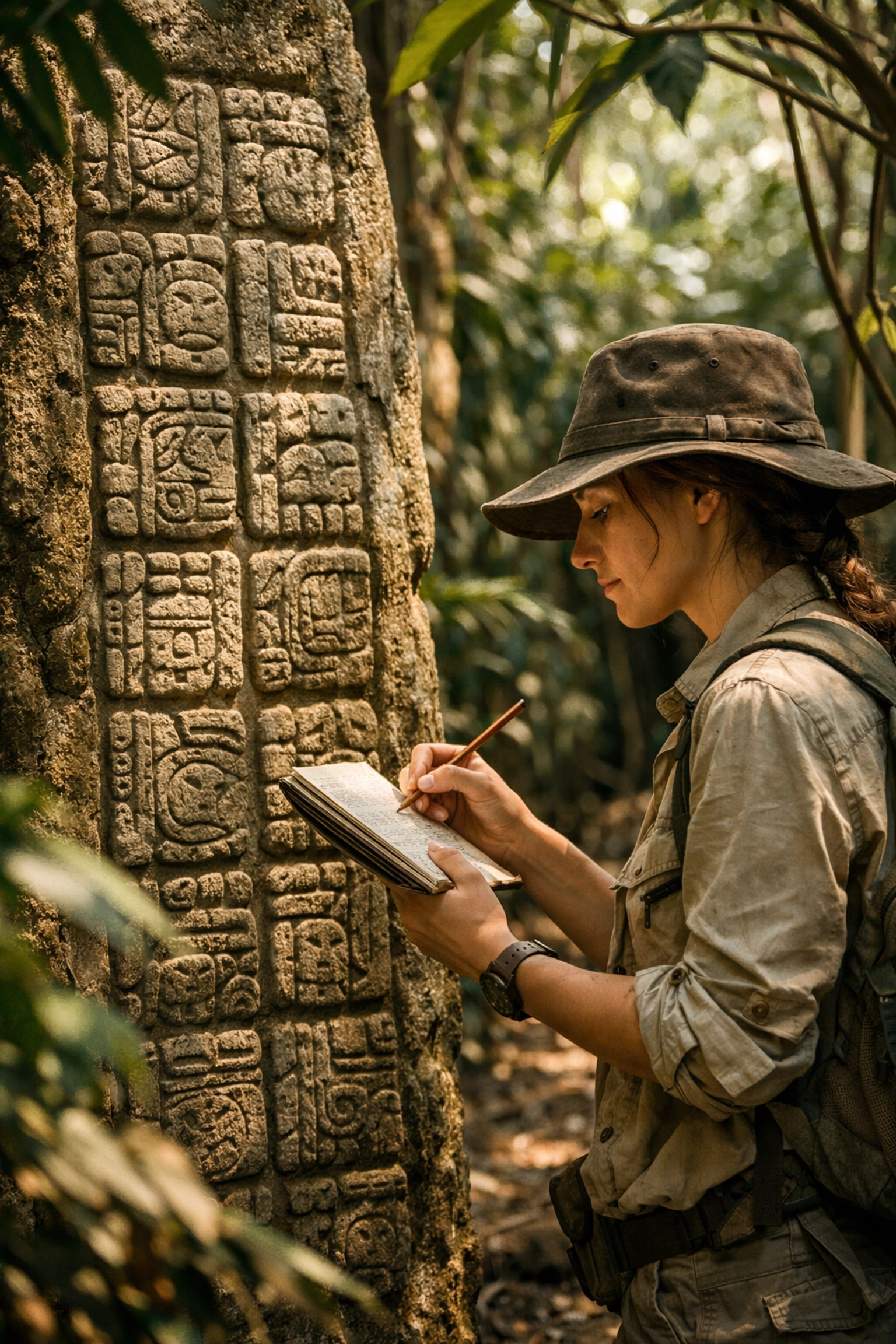
The site's numerous stelae (stone monuments) provide exceptional opportunities for students to practice archaeological documentation and interpretation. Assign students to sketch, measure, and analyze specific stelae, encouraging them to decode the hieroglyphic inscriptions and calendar dates that chronicle Caracol's political history and warfare with rival cities like Tikal.
Xunantunich: A Living Classroom in Archaeological Methodology
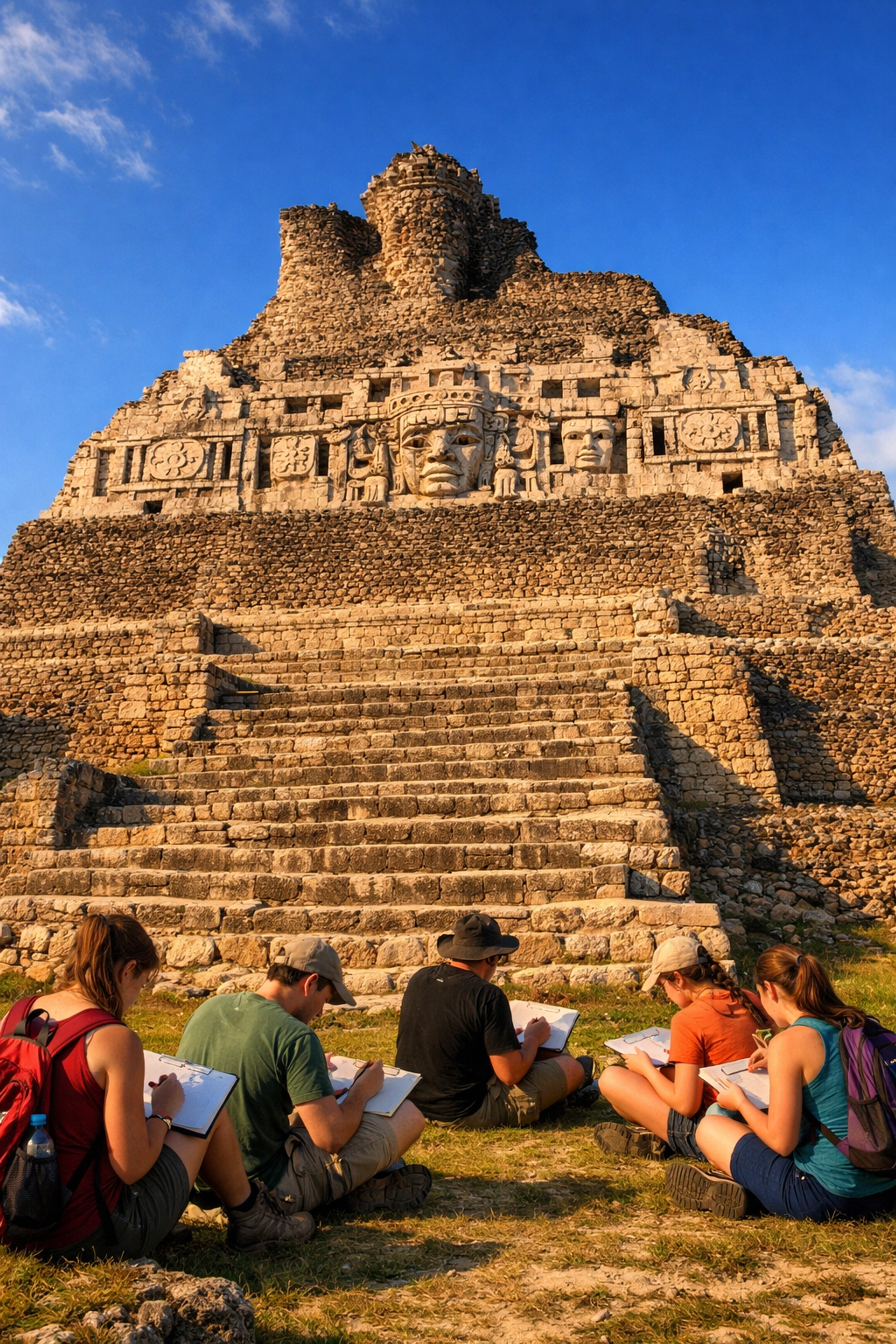
Xunantunich, meaning "Stone Woman" in Maya, offers students an ideal introduction to field archaeology due to its accessibility and well-preserved structures. Located near the Guatemalan border in western Belize, this Late Classic period site features six major plazas surrounded by more than 25 temples and palaces.
El Castillo, Xunantunich's most prominent structure, stands 130 feet tall and provides panoramic views across the Mopan River valley into Guatemala. The structure's elaborate stucco friezes: depicting astronomical symbols, deities, and ancestral figures: serve as excellent teaching tools for discussing Maya cosmology, religious practices, and artistic conventions.
Ensure that students carefully observe the frieze's celestial imagery, including representations of the sun god Kinich Ahau, Venus, and the cosmic monster. Facilitate discussions about how the Maya integrated astronomical observations into their architecture, religion, and agricultural calendar. Challenge students to identify recurring symbols and motifs, developing their visual analysis skills essential for archaeological interpretation.
The site's ball court provides opportunities to discuss Maya social structure, religious ritual, and competitive traditions. Present research suggesting that ball games held deep religious significance and possibly involved human sacrifice. Encourage students to consider how recreational spaces in ancient cities served complex social and spiritual functions beyond simple entertainment.
Lamanai: Continuity Across Maya History
Lamanai offers unique educational value due to its exceptional span of continuous occupation: over 3,000 years from 1500 BC through the Spanish colonial period. This extended timeline allows students to trace architectural evolution, technological advancement, and cultural adaptation across multiple eras.
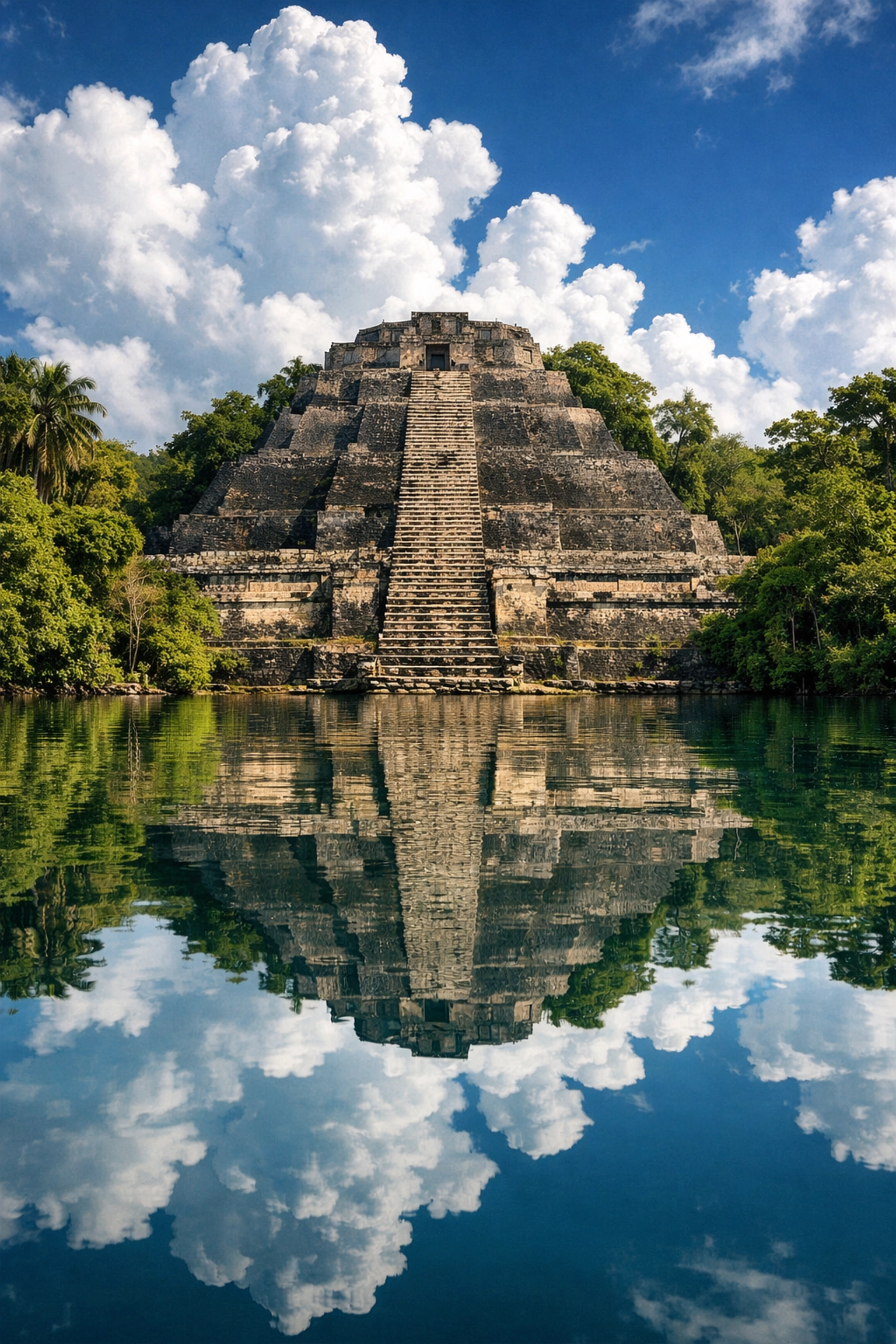
The site's Mask Temple showcases construction phases spanning from the Preclassic through Early Classic periods, featuring massive plaster masks depicting Maya rulers with distinctive upside-down crocodile snouts. These masks relate directly to the site's Maya name meaning "submerged crocodile," providing an excellent case study in how archaeological evidence connects to indigenous place names and cultural memory.
Direct students to examine the High Temple, which rises 108 feet and offers views across the New River Lagoon. Discuss how Maya builders selected elevated locations for temples to create visual connections between earth and sky, reinforcing religious cosmology through architectural placement.
Lamanai's ball courts and residential structures provide insights into daily life, social organization, and recreational practices. Encourage students to distinguish between ceremonial and domestic architecture, developing their ability to interpret building function from structural remains.
Cahal Pech: Witnessing the Maya Dawn
For students interested in Maya origins and early development, Cahal Pech represents one of the oldest recognizably Maya sites in western Belize, with continuous habitation dating to 1200 BCE. This site demonstrates how early Maya communities established trade networks, developed architectural traditions, and cultivated distinctive cultural practices.
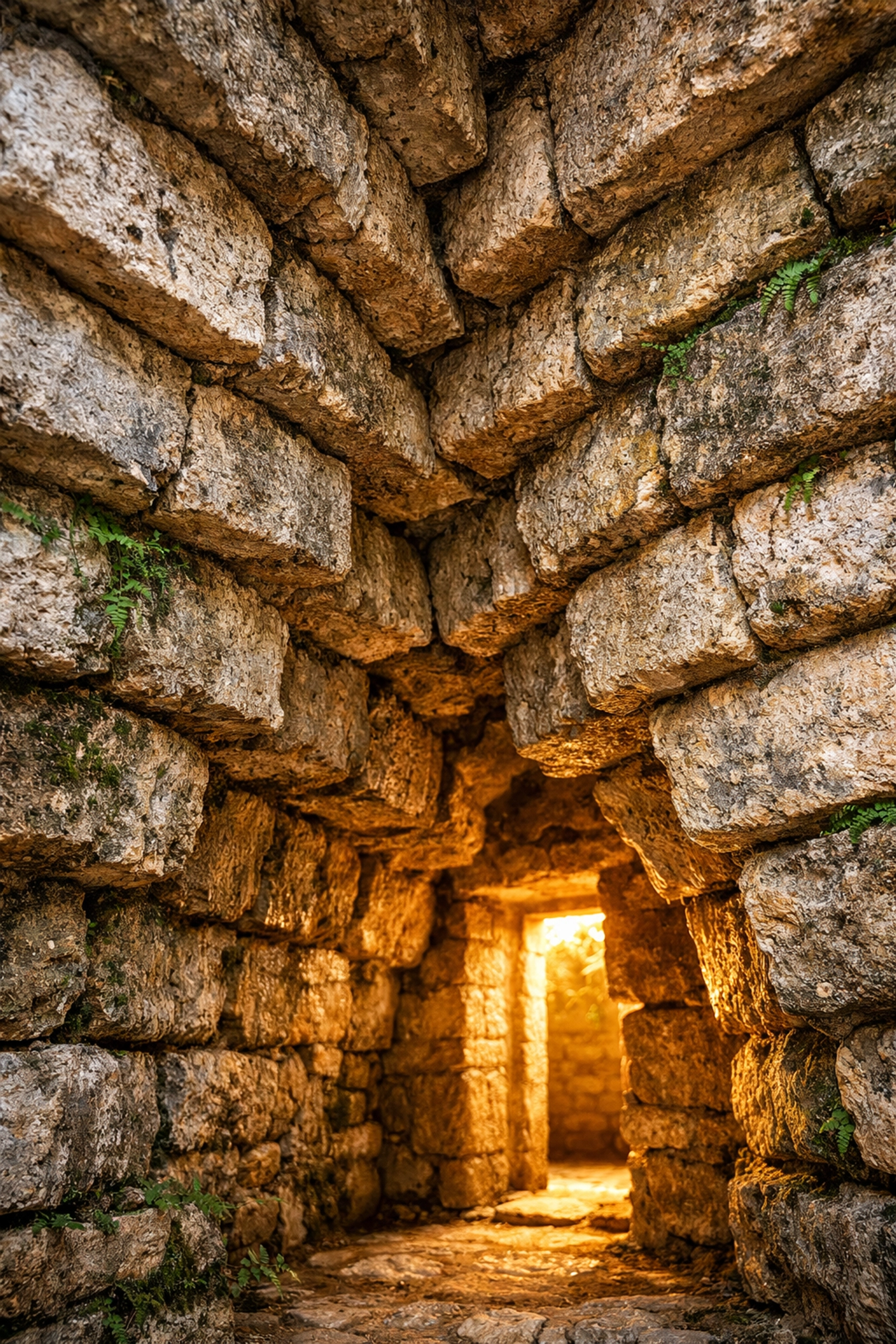
The site preserves excellent examples of the Maya corbel or false arch (Maya vault), a distinctive architectural innovation that allowed Maya builders to create covered interior spaces without true arches. Assign students to examine these vaults carefully, sketching their construction and calculating load-bearing principles. Challenge them to explain why Maya builders never developed the true arch despite their sophisticated mathematical and engineering knowledge.
Archaeological evidence from Cahal Pech reveals extensive early trade networks, including jade and obsidian from Guatemala, marine shells from the Caribbean, and Olmec cultural symbols from Mexico's Gulf Coast. These findings provide exceptional opportunities to discuss economic systems, long-distance trade, cultural exchange, and the interconnected nature of Mesoamerican civilizations.
Altun Ha: Where Jade Reveals Royal Power
Located just 30 miles from Belize City, Altun Ha provides convenient access for student groups while offering remarkable archaeological treasures. This ceremonial center and trade hub flourished during the Classic Period and gained international fame through the discovery of the Maya Jade Head: the largest carved jade object in Maya civilization, representing the sun god Kinich Ahau.
The site's two main plazas contain 13 structures, including the Temple of the Masonry Altars where the jade head was discovered in a royal tomb. Discuss with students how burial practices and grave goods reveal social hierarchies, religious beliefs, and craft specialization. Encourage them to consider what the presence of such a valuable object indicates about trade networks, royal authority, and the symbolic importance of jade in Maya culture.
Altun Ha's proximity to the Caribbean coast highlights its role as a trade intermediary between inland cities and coastal communities. Challenge students to map potential trade routes and identify which resources would have flowed through this hub, developing their understanding of economic geography and resource distribution in ancient societies.
Practical Considerations for Your Educational Trip to Belize
Planning a successful school trip to Belize requires meticulous preparation and attention to both educational objectives and student safety. Begin by establishing clear learning goals for your expedition, determining which archaeological concepts, field methods, and cultural insights you expect students to master.
Create a detailed itinerary that balances site visits with reflection time, allowing students to process observations and complete field documentation. Ensure that students maintain field notebooks throughout the trip, recording measurements, sketches, observations, and interpretations of each site visited.
Discuss appropriate conduct at archaeological sites before departure. Emphasize the importance of staying on designated paths, never touching fragile structures or artifacts, and respecting these irreplaceable cultural resources. Remind students that archaeological sites are not only scientifically valuable but also sacred places for contemporary Maya communities.
Coordinate with local guides who possess both archaeological expertise and educational experience working with student groups. These professionals can provide context that enriches student understanding while ensuring safety and proper site etiquette.
Prepare students for Belize's tropical climate by discussing appropriate clothing, sun protection, insect repellent, and hydration needs. Many archaeological sites involve significant walking, climbing, and exposure to heat and humidity: ensure students understand the physical demands and come properly equipped.
Maximizing Educational Impact
To transform your student trip to Belize from simple tourism into rigorous academic experience, implement structured learning activities throughout the expedition. Assign students specific research responsibilities before departure, requiring them to become "experts" on particular sites, time periods, or archaeological concepts that they'll present to peers during site visits.
Encourage students to practice archaeological drawing and measurement techniques, documenting structures, artifacts, and spatial relationships. These skills directly translate to professional archaeological methodology and develop observational precision applicable across scientific disciplines.
Facilitate regular group discussions that challenge students to synthesize observations across multiple sites, identifying patterns, variations, and cultural changes over time. Push students beyond description toward interpretation and analysis, asking them to propose explanations for architectural choices, settlement patterns, and cultural practices they've observed.
Your Archaeological Adventure Awaits
An educational trip to Belize focused on Maya archaeology provides students with transformative experiences that shape future careers and deepen understanding of human cultural achievement. By walking through ancient cities, examining monumental architecture, and engaging with ongoing archaeological research, students develop skills, knowledge, and perspectives impossible to gain in traditional classrooms.
Appleseed Expeditions specializes in creating immersive educational experiences that combine rigorous academic content with adventure and discovery. Our Belize archaeological expeditions connect students directly with Maya cultural heritage while developing critical thinking, scientific observation, and cross-cultural understanding that serve them throughout their academic and professional lives.
Begin planning your school trip to Belize today, and provide your aspiring archaeologists with an educational adventure they'll remember for a lifetime. The ancient Maya left behind questions waiting to be answered: will your students be the ones to unlock the next great discovery?

Comments