


Unlocking Service Learning Opportunities for High School Students in the Florida Keys Mangroves

Providing high school students with authentic service learning experiences in critical ecosystems is essential for developing environmental stewardship and scientific literacy. The Florida Keys mangrove forests offer an exceptional setting where students can contribute meaningful conservation work while mastering ecological concepts that extend far beyond the classroom.
Understanding the Critical Role of Mangrove Ecosystems
Before embarking on service learning in the Florida Keys, ensure that students comprehend why mangroves represent one of the planet's most valuable ecosystems. Mangrove forests serve as vital nurseries for commercially important fish species, provide storm surge protection for coastal communities, and sequester carbon at rates exceeding most terrestrial forests.
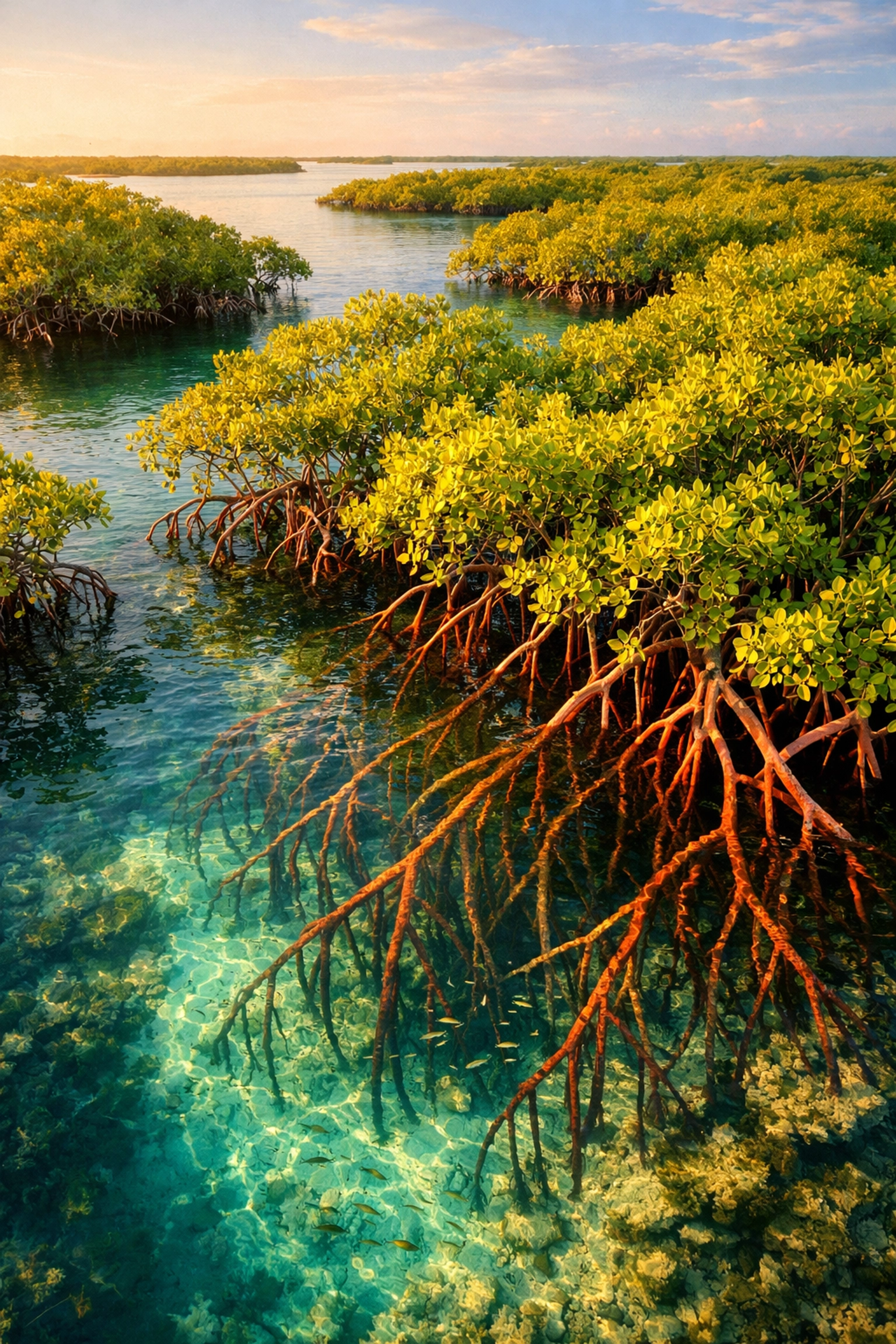
Educate students on the following ecological functions:
Habitat provision: Over 75% of commercial fish species depend on mangroves during at least one life stage
Erosion control: Root systems stabilize shorelines and reduce wave energy by up to 66%
Water filtration: Mangroves remove pollutants and excess nutrients from coastal waters
Carbon storage: Mangrove sediments store three to five times more carbon per hectare than tropical rainforests
Emphasize that despite their importance, mangrove forests worldwide have declined by 35% over the past four decades due to coastal development, pollution, and climate change. This context establishes why student contributions to mangrove conservation constitute genuine service rather than merely observational learning.
Defining Service Learning in Marine Conservation
Service learning differs fundamentally from community service or volunteer work. Ensure that your program incorporates these essential components:
Reciprocal learning: Students gain knowledge and skills while meeting genuine community needs
Structured reflection: Regular processing of experiences connects service work to curriculum objectives
Measurable impact: Conservation activities produce quantifiable environmental benefits
Academic integration: Field experiences align with and extend classroom learning in biology, environmental science, or marine studies
Establish clear learning objectives before departure. Students should understand that their work contributes to ongoing research projects and restoration initiatives managed by professional marine scientists and conservation organizations.
Available Service Learning Programs in the Florida Keys
Several established programs offer comprehensive service learning experiences focused on mangrove conservation and broader marine ecosystems.
Multi-Day Field Programs
MarineLab in Key Largo provides immersive field programs lasting up to five days at their coastal campus. Students explore interconnected habitats: seagrass beds, mangrove forests, and coral reefs: through snorkeling expeditions and hands-on research activities. This program emphasizes how mangroves function within the larger coastal ecosystem rather than as isolated habitats.
Shoulder-to-Shoulder programs combine mangrove ecology field research with coral reef restoration work in partnership with Mote Marine Laboratory. Students conduct marine debris surveys while developing an understanding of how terrestrial pollution impacts marine environments through mangrove channels and waterways.
Extended Service Expeditions
Programs offering 10 to 16 days allow students to complete substantial service hours while engaging in diverse conservation activities. Participants typically work on:
Coral restoration initiatives
Sea turtle monitoring and rehabilitation
Shark conservation projects
Marine wildlife population surveys
Mangrove restoration and monitoring
These extended programs enable students to earn 20 to 25 documented service hours, which can fulfill graduation requirements, honor society commitments, or college application portfolios.
Hands-On Conservation Activities
Direct students toward programs offering authentic conservation tasks:
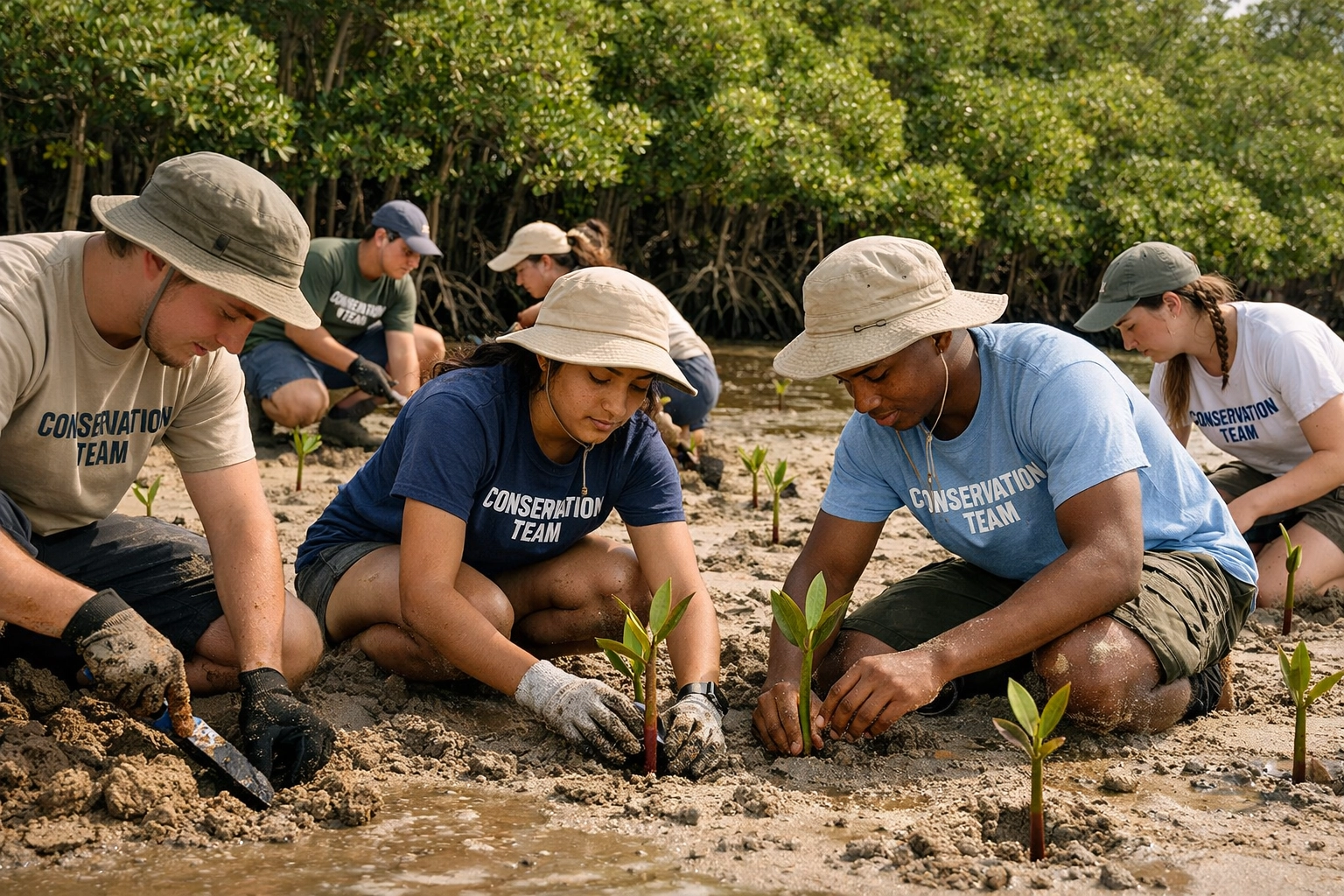
Mangrove propagule collection and planting: Students collect red mangrove propagules (seedlings) and plant them in designated restoration areas
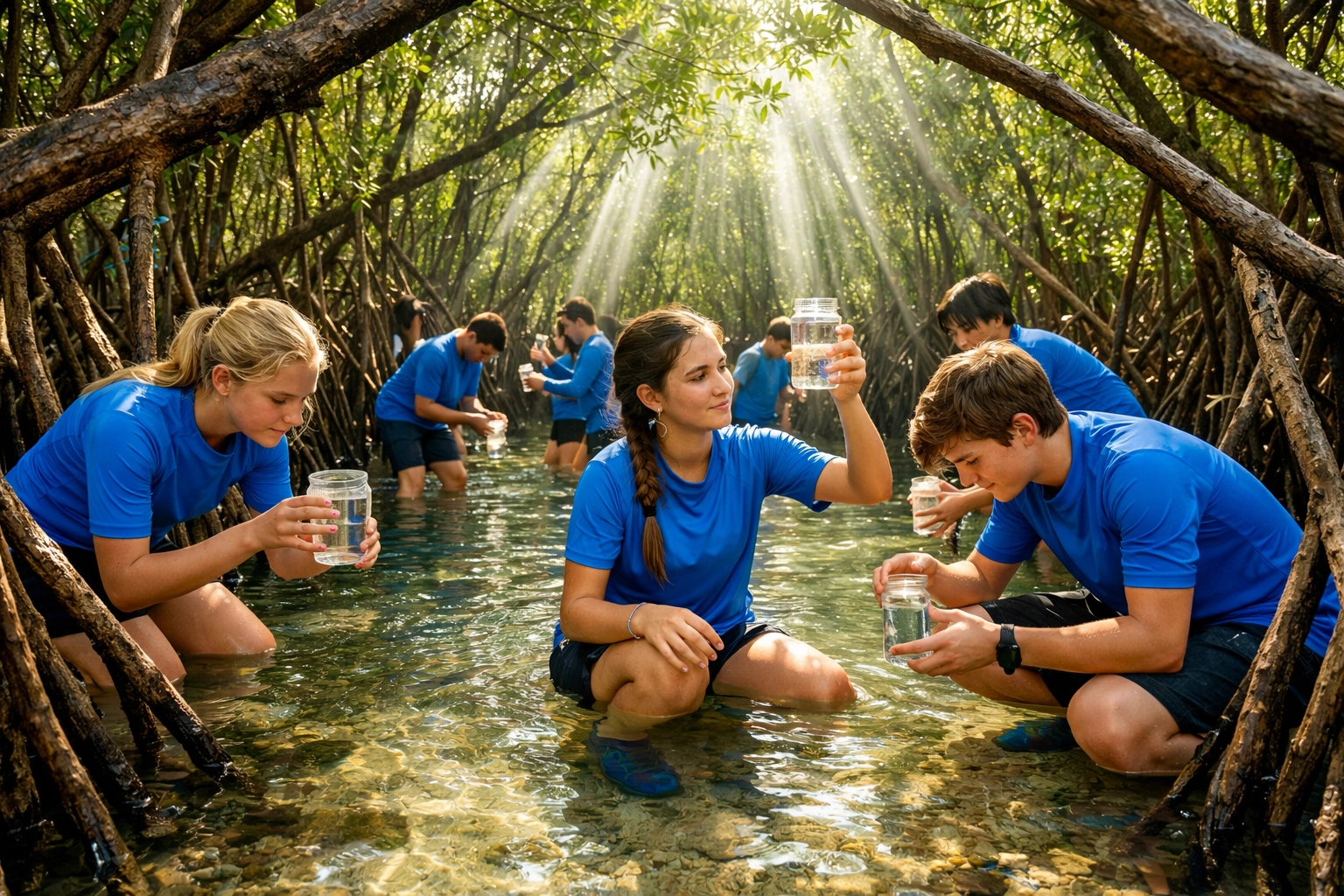
Water quality monitoring: Regular sampling trains students in field research protocols while contributing data to long-term monitoring projects
Habitat mapping: Using GPS and survey techniques, students document mangrove extent and health
Invasive species removal: Teams work to eliminate non-native plants threatening mangrove communities
Marine debris collection: Students remove plastics and other pollutants from mangrove forests and adjacent waterways
Partner with established organizations such as the Conch Republic Marine Army to ensure that student activities align with professional conservation priorities and standards.
Educational Integration and Academic Rigor
Service learning in mangrove ecosystems provides opportunities to address multiple academic standards and learning objectives. Structure your program to incorporate:
Science Curriculum Connections
Ecology: Food webs, nutrient cycling, succession, and habitat relationships
Biology: Plant adaptations to extreme environments, marine vertebrate and invertebrate diversity
Chemistry: Water quality parameters including salinity, dissolved oxygen, pH, and nutrient concentrations
Earth Science: Sediment dynamics, coastal geology, and climate change impacts
Field Research Skills
Ensure students develop and practice authentic scientific methodologies:
Formulate research questions based on observed phenomena
Collect data using standardized protocols
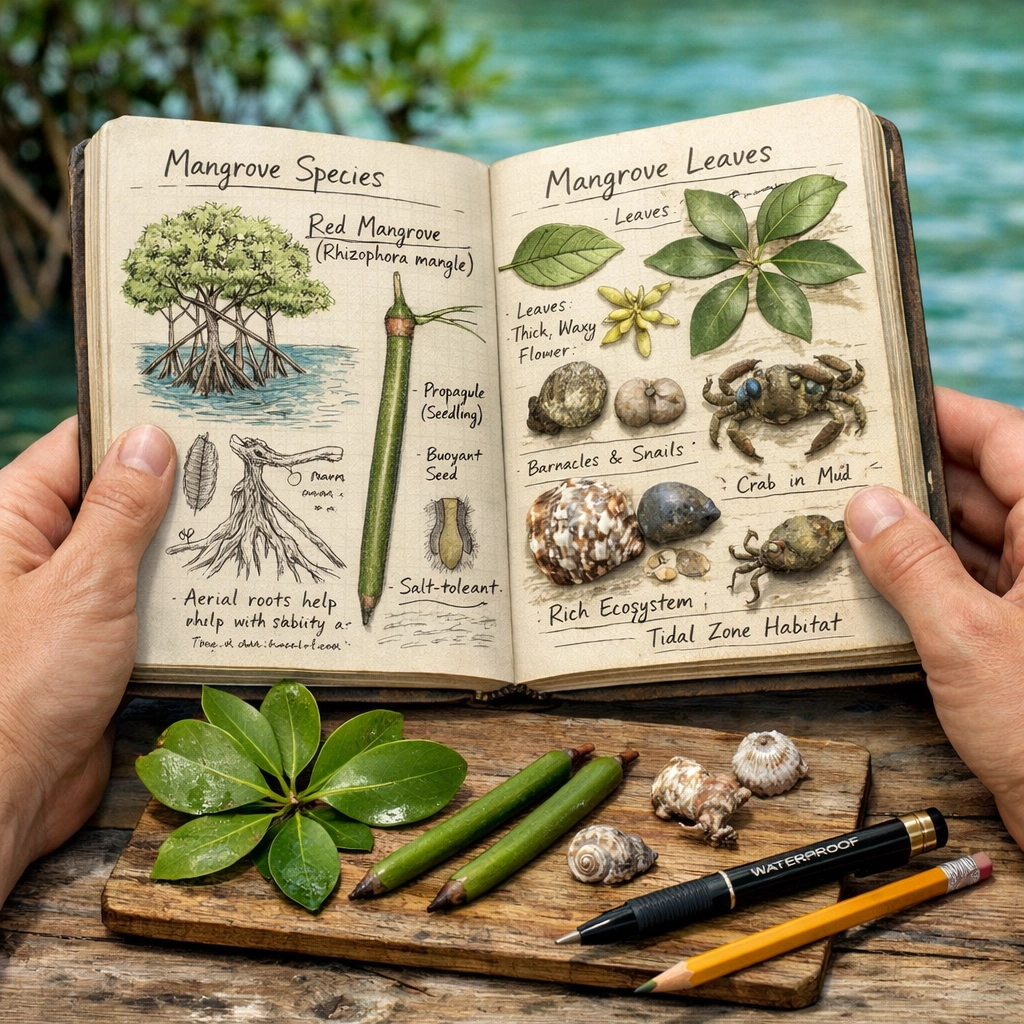
Record observations in field journals with appropriate detail and precision
Analyze data and identify patterns or trends
Present findings to peers and program staff
Reflect on limitations and sources of error
Require students to maintain detailed field journals documenting daily observations, data collection, and personal reflections. These journals become valuable assessment tools demonstrating both scientific understanding and personal growth.
Planning Considerations for Educators
Organizing service learning expeditions requires meticulous preparation to ensure both safety and educational effectiveness.
Pre-Trip Preparation
Begin planning at least six months before departure. Complete these essential steps:
Research and select a reputable program provider with established safety protocols and experienced staff
Obtain detailed information about daily activities, conservation partners, and learning outcomes
Communicate program details to parents and guardians, including physical requirements and environmental conditions
Ensure all participants possess appropriate swimming abilities and comfort in aquatic environments
Arrange for students with medical conditions to bring necessary medications and inform staff of any concerns
Prepare students academically with pre-trip lessons on mangrove ecology, Florida Keys geography, and conservation challenges
Packing and Equipment Requirements
Advise students to bring:
Reef-safe sunscreen (traditional sunscreens harm coral reefs and mangrove systems)
Closed-toe water shoes with sturdy soles for protecting feet during mangrove walks
Long-sleeve rash guards for sun protection during extended water activities
Reusable water bottles (emphasize the environmental mission extends to personal choices)
Field journals and waterproof writing implements
Appropriate clothing for variable weather conditions
Emphasize that students should avoid bringing single-use plastics, as these contradict the conservation values central to the experience.
Safety Protocols and Risk Management
Ensuring student safety in coastal environments requires proactive planning and constant vigilance.
Environmental Hazards
Educate students about potential risks specific to mangrove and marine environments:
Marine life: Jellyfish, sea urchins, stingrays, and fire coral require awareness and appropriate responses
Sun exposure: Tropical sun intensity necessitates regular sunscreen application and protective clothing
Heat stress: Monitor students for signs of dehydration and heat exhaustion
Strong currents: Even seemingly calm waters can have unexpected currents near mangrove channels
Sharp objects: Oysters, barnacles, and broken shells on mangrove roots can cause cuts
Establish clear protocols for reporting injuries or concerns immediately to supervising staff.
Emergency Preparedness
Create comprehensive emergency action plans addressing:
Medical emergencies requiring evacuation to mainland facilities
Severe weather events including tropical storms
Lost or separated students during field activities
Equipment failures during water-based activities
Communication procedures with parents and school administration
Share detailed itineraries with school administration and parents, including emergency contact information for program staff and local medical facilities.
Maximizing the Service Learning Impact
To ensure students derive maximum educational and personal benefit from their mangrove conservation work, incorporate structured reflection throughout the experience.
Daily reflection sessions should prompt students to consider:
How did today's activities contribute to conservation goals?
What surprised you about mangrove ecology?
How do human activities in your community impact coastal ecosystems?
What actions can you take at home to support marine conservation?
Post-trip integration extends learning beyond the field experience:
Require students to present findings to school communities or parent groups
Connect field observations to ongoing classroom curriculum
Encourage students to develop action projects addressing local environmental issues
Maintain connections with conservation organizations for continued engagement
Moving Forward with Confidence
Service learning in Florida Keys mangrove ecosystems provides high school students with unparalleled opportunities to contribute meaningful conservation work while developing scientific literacy and environmental ethics. By carefully selecting programs, preparing students thoroughly, maintaining rigorous safety standards, and facilitating deep reflection, educators create transformative experiences that inspire lifelong environmental stewardship.
Appleseed Expeditions offers comprehensive Florida Keys programs designed specifically for high school groups, combining mangrove conservation with coral reef studies and marine biology field research. These expeditions integrate academic rigor with authentic service learning, ensuring students return home with both documented service hours and profound connections to marine ecosystems.
Begin planning your mangrove conservation expedition today, knowing that you are providing students with experiences that extend far beyond academics: you are cultivating the next generation of environmental stewards equipped to address the conservation challenges of our time.

Comments