


Voices of the High Desert: What Serving the Hopi Teaches Students About 'Why'
- Caleb Mullenix
- Apr 14
- 5 min read

Developing a student’s sense of purpose is perhaps the most profound objective an educator can pursue. In an era of digital saturation and academic pressure, students often struggle to identify their "why": the driving force that connects their personal passions to the needs of the world. At Appleseed Expeditions, we believe that the most effective way to cultivate this purpose is through immersive service-learning in environments that challenge a student’s worldview.
The High Desert of the Grand Canyon region, home to the ancient Hopi and Navajo cultures, serves as a powerful backdrop for this transformation. By engaging in meaningful service alongside the Hopi people, students are invited to step out of their comfort zones and into a narrative that spans centuries. This journey is not merely a trip; it is a meticulously structured educational experience designed to foster reflection, connection, and the discovery of individual purpose.
The Educational Power of the High Desert
The landscape surrounding the Grand Canyon is more than a geological marvel; it is a classroom of resilience and tradition. For the Hopi, the desert is a sacred space that requires a deep, spiritual connection to the land to thrive. When students arrive in this region, they are often struck by the stark beauty and the perceived harshness of the environment.
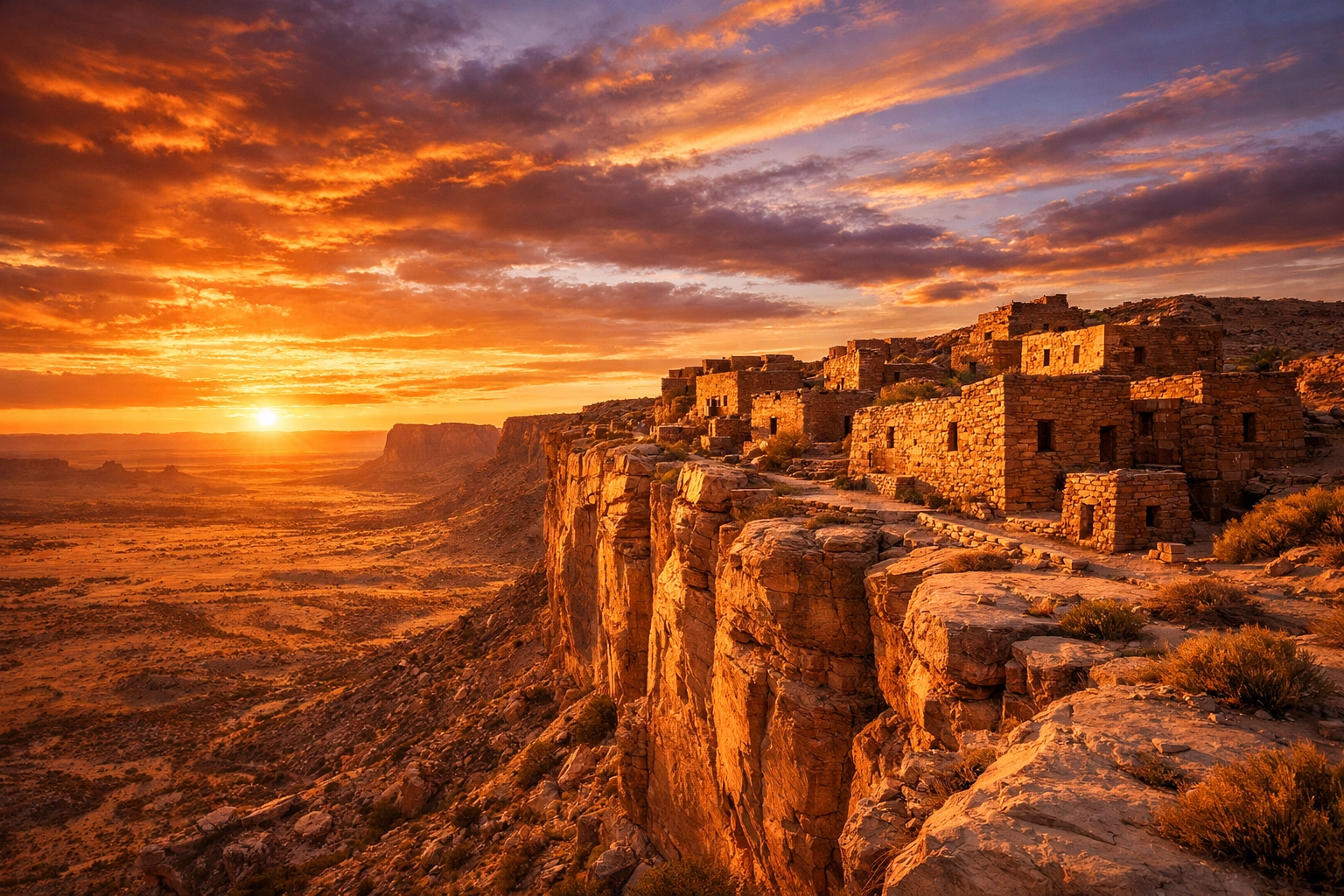
Understanding this context is the first step in the educational journey. Educators should begin by contextualizing the environment for their students:
Historical Depth: Research the history of the Hopi people, who have inhabited the Mesas of Northern Arizona for over a thousand years.
Environmental Stewardship: Emphasize how the Hopi have practiced sustainable dry-farming techniques in an area with minimal rainfall, illustrating a profound "why" rooted in survival and respect for nature.
Cultural Continuity: Discuss the importance of language and tradition in maintaining identity amidst modern external pressures.
By establishing this foundation, teachers prepare students to approach their service with a spirit of inquiry rather than just a checklist of tasks. For more information on organizing these types of experiences, you can view our Alternative Breaks options.
Service as a Gateway to Connection
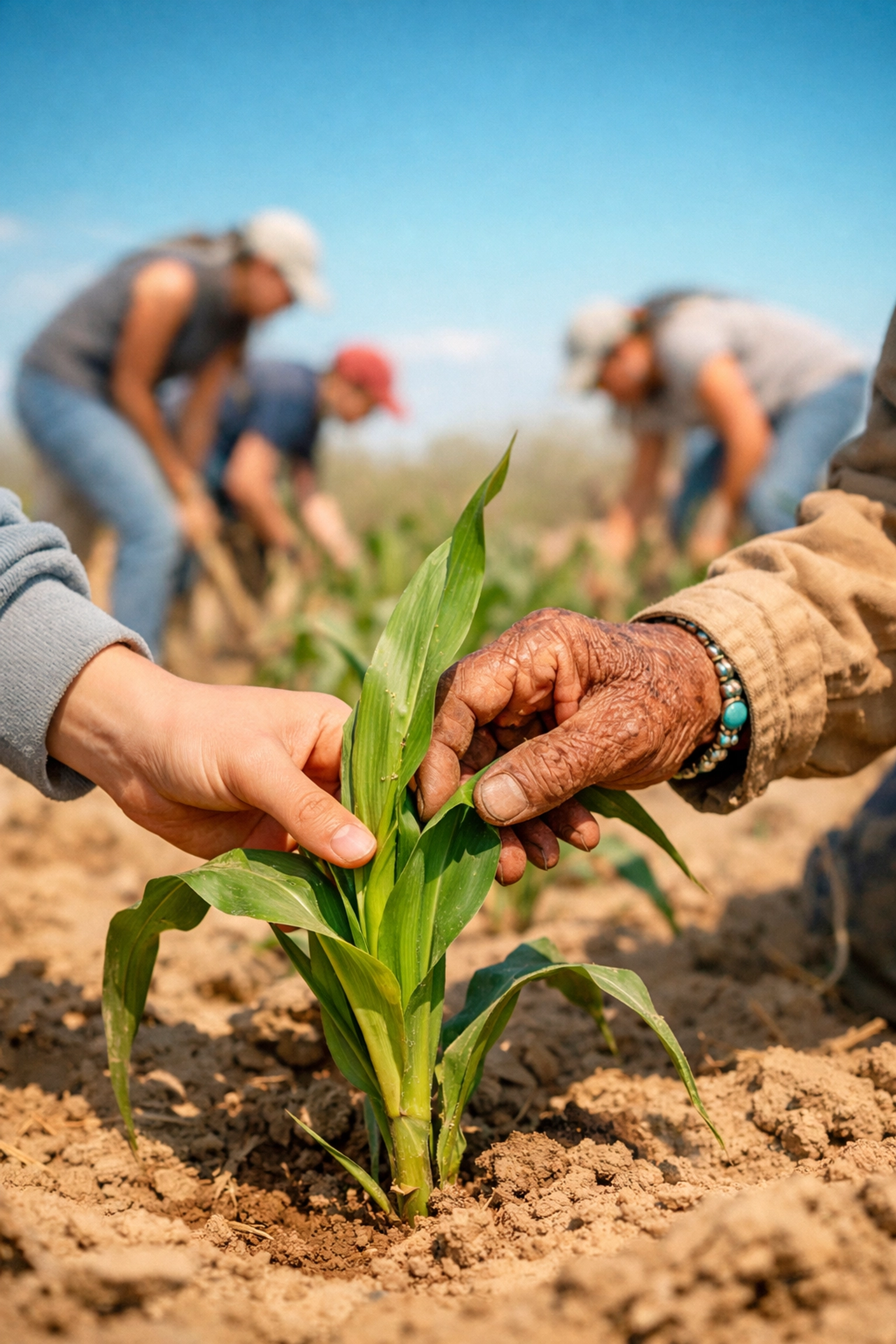
Service is the bridge that connects a student's abstract learning to tangible reality. In the Hopi community, service is not viewed as a one-way transaction of "charity." Instead, it is seen as an exchange of energy and a fulfillment of communal responsibility. When students engage in projects: whether it is assisting with traditional corn planting, repairing community structures, or supporting local schools: they are participating in the Hopi value of Summiyungwa (working together for the benefit of all).
Step-by-Step Engagement for Students:
Observation first: Before picking up a tool, students are encouraged to observe and listen to the elders and community leaders. This fosters respect and minimizes the "savior complex" often found in service trips.
Active Participation: Students engage in physical labor that directly benefits the community. This hard work serves to ground them and build a sense of shared accomplishment.
Relational Service: The focus is always on the people. Sharing a meal or a story after a day of work is often where the deepest learning occurs.
Learning the "Why" through Hopi Values
The Hopi worldview offers a unique framework for students searching for their own purpose. Central to Hopi life is the cultivation of corn. To the Hopi, corn is not just food; it is a symbol of humility, cooperation, and earth stewardship. By studying this relationship, students can begin to ask themselves: "What is my 'corn'? What am I cultivating in my life that serves more than just myself?"
Key Lessons from Hopi Culture:
Humility: In a world that prizes individual achievement, the Hopi emphasize the importance of the collective. Students learn that a life of purpose often requires putting the needs of the community before personal ego.
Stewardship: The Hopi believe they are the caretakers of the earth. This teaches students that their "why" must involve a responsibility to the environment and future generations.
Multi-Level Learning: As researched in traditional Hopi knowledge, lessons are often encoded in stories that reveal deeper meanings as a person matures. This encourages students to be lifelong learners, understanding that their purpose will evolve as they grow.
The Critical Role of Reflection
A service trip without reflection is just a vacation with chores. To truly develop a sense of purpose, students must be guided through a structured reflection process. This is where the experiences of the day are transformed into the convictions of a lifetime.
Best Practices for Teacher-Led Reflection:
Daily Debriefs: End each day with a group circle. Ask students to share one moment that challenged their perspective.
Journaling Prompts: Provide specific prompts focused on purpose, such as: "How did today's service change the way you view your role in your own community?"
Silent Reflection: Utilize the natural silence of the High Desert. Give students 30 minutes of "solitude time" to sit and process their thoughts without digital distractions.
Connecting to the Future: Challenge students to identify one action they will take when they return home to live out the values they observed in the Hopi community.

Ensuring a Safe and Respectful Experience
Providing a safe and culturally sensitive experience is of paramount importance when visiting Indigenous lands. Educators must be proactive in their planning and communication to ensure that the trip is both impactful and respectful.
Cultural Protocol: Advise students on local customs, such as restrictions on photography in certain areas and the importance of modest dress. Respecting these boundaries is a crucial part of the learning process.
Safety and Vigilance: The High Desert environment presents unique challenges, including heat and dehydration. Ensure that a strict hydration protocol is in place and that all students are educated on the signs of heat-related illness.
Formal Procedures: Maintain a detailed itinerary and emergency plan. Communication with local contacts should be frequent and clear to ensure that the group’s presence remains a benefit to the community.
For educators looking to integrate these lessons into a broader curriculum, our Sitemap offers a variety of resources and trip descriptions that align with national standards in social studies and science.
Developing Purpose-Driven Leaders
The ultimate goal of serving with the Hopi in the Grand Canyon region is to return home with a clarified sense of purpose. When students see how a community has thrived for millennia based on values of cooperation and stewardship, they are forced to evaluate their own trajectory. They begin to realize that a fulfilling life is not measured by what they acquire, but by how they serve.

Through the voices of the High Desert, students hear a call to live with intention. They learn that their "why" is not something they simply "find," but something they build through consistent action and connection to others. This is the heart of educational travel: stripping away the noise of the modern world so that the quiet voice of purpose can finally be heard.
By partnering with Appleseed Expeditions, you are ensuring that your students have access to these life-altering perspectives in a safe, structured, and academically rigorous environment. Whether you are interested in a School STEM Trip or a deep cultural immersion, the High Desert is waiting to teach your students what it truly means to live with purpose.
Conclusion: Reaffirming Our Mission
Preparing your students for a journey of this magnitude involves careful planning and a commitment to their holistic development. By focusing on service, reflection, and cultural respect, you are providing them with the tools to navigate their own futures with confidence and clarity. Ensuring the safety and growth of your students is our highest priority, and we are dedicated to supporting you every step of the way as you lead them toward a deeper understanding of their "why."
Comments