


Why Marine Science Expeditions in the Cayman Islands are the Ultimate Educational Tour for Teachers

Planning educational tours for teachers requires careful consideration of curriculum alignment, logistical feasibility, and genuine learning value. Marine science expeditions to the Cayman Islands offer a rare combination of accessible world-class ecosystems, research-based programming, and hands-on learning opportunities that directly support your teaching objectives while maintaining the highest standards of educational rigor.
The Cayman Islands: A Living Laboratory for Marine Science Education
The Cayman Islands present a unique geographical advantage that few other destinations can match. Within a single location, teachers gain access to ecosystems ranging from shallow coral reefs to ocean trenches exceeding 25,000 feet in depth. This dramatic underwater topography creates biodiversity hotspots where students observe marine life across multiple ecological zones without extensive travel between sites.
The waters surrounding these islands serve as natural classrooms where theoretical concepts transform into observable phenomena. Students studying oceanography witness firsthand how sea mounts influence water circulation patterns. Those examining marine biology observe species interactions in both shallow reef environments and deeper pelagic zones. This geographical diversity maximizes instructional time while minimizing logistical complexity: a critical consideration when planning educational tours for teachers and their students.
Curriculum Integration: From Standards to Real-World Application
Educational tours for teachers must demonstrate clear alignment with academic standards and learning objectives. Marine science expeditions in the Cayman Islands integrate seamlessly with curricula across multiple disciplines:
Biology and Ecology
Species identification exercises using established taxonomic keys
Population sampling methods and data collection protocols
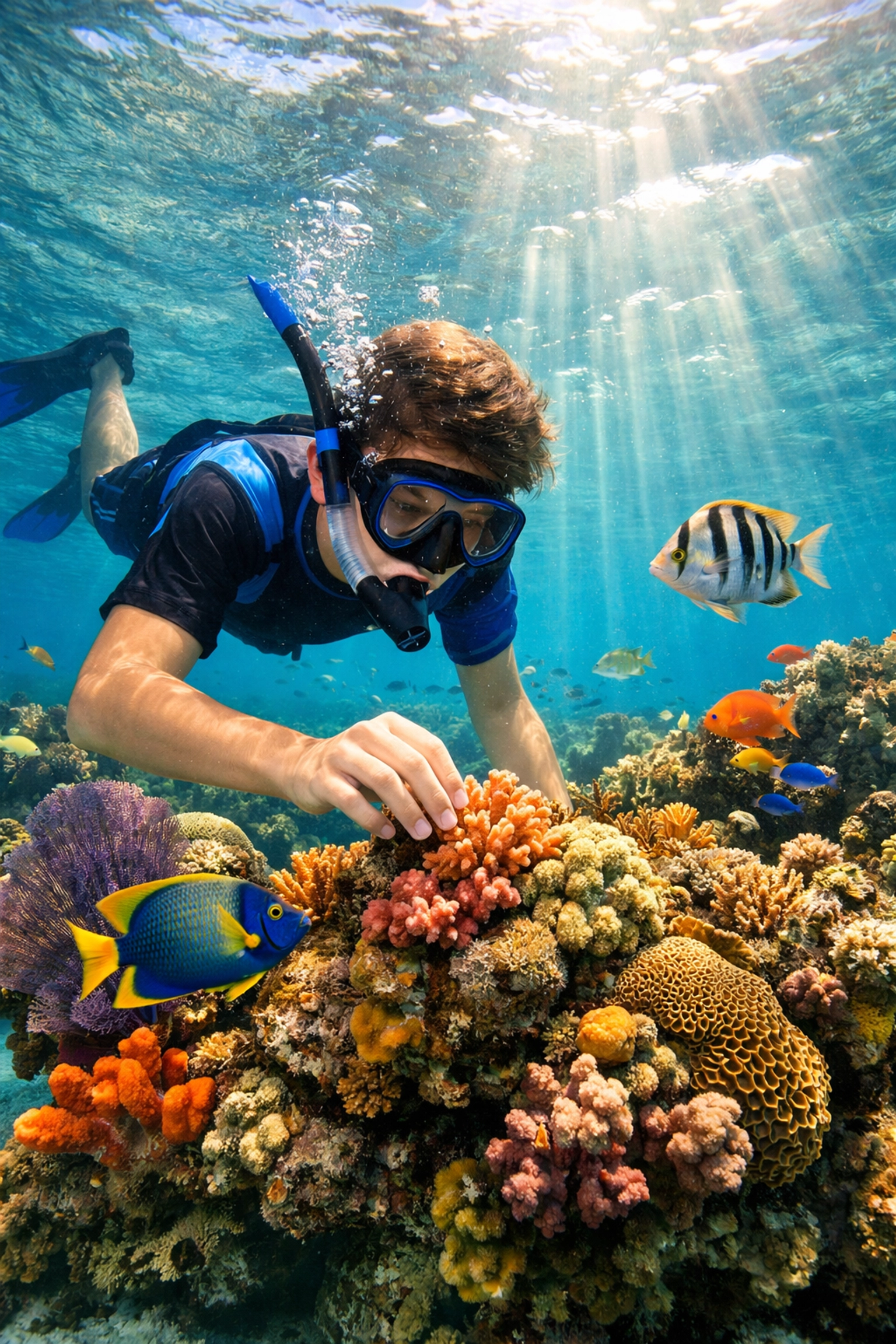
Ecosystem interdependence observation through snorkeling surveys
Invasive species impact assessment in protected marine areas
Earth Science and Oceanography
Tectonic plate interaction study through underwater geology
Ocean current mapping and temperature gradient analysis
Sediment composition examination and coastal erosion processes
Weather pattern influence on marine ecosystems
Environmental Science and Conservation
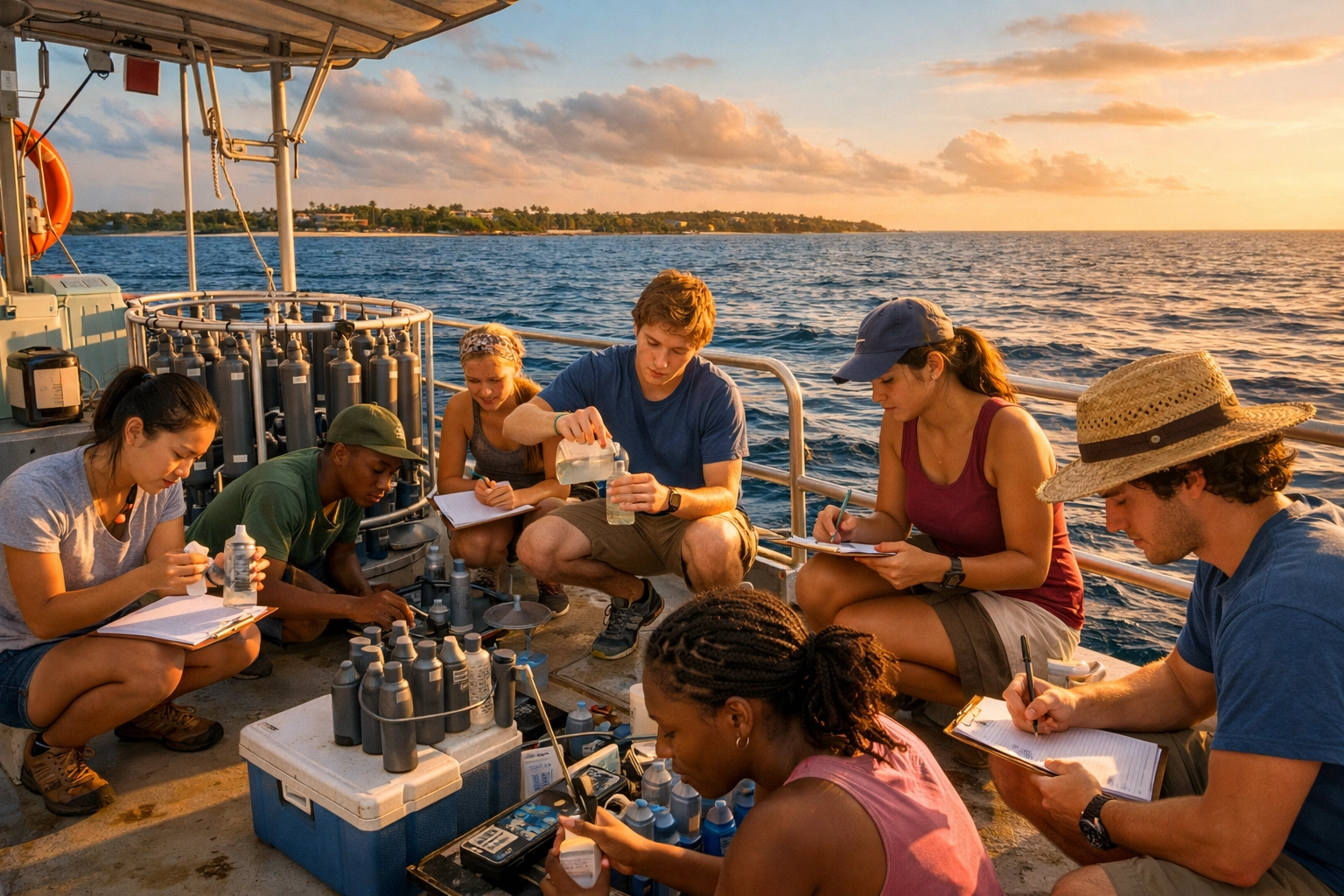
Water quality testing using professional field equipment
Habitat restoration participation in coral reef rehabilitation
Protected area management observation at sites like Booby Pond
Endemic species conservation through Rock Iguana monitoring programs
Teachers receive comprehensive curriculum guides that align expedition activities with specific learning standards, ensuring that every component of the journey serves defined educational purposes.
Hands-On Learning: Beyond Textbook Theory
The most significant advantage of educational tours for teachers planning marine science expeditions lies in the transformation from passive learning to active investigation. Organizations such as the Central Caribbean Marine Institute (CCMI) offer three-day Marine Ecology Courses specifically designed for school groups, featuring structured activities that engage students as practicing scientists rather than passive observers.
Field Research Protocols Students employ the same methodologies used by professional marine researchers, including transect surveys, quadrat sampling, and species abundance calculations. This exposure to authentic scientific practices develops critical thinking skills while demonstrating the rigorous nature of marine science careers.
Laboratory Analysis Hands-on dissections and specimen examination under teacher supervision provide concrete understanding of marine organism anatomy and physiology. Students connect theoretical knowledge from classroom instruction with physical evidence, reinforcing learning through multiple sensory channels.
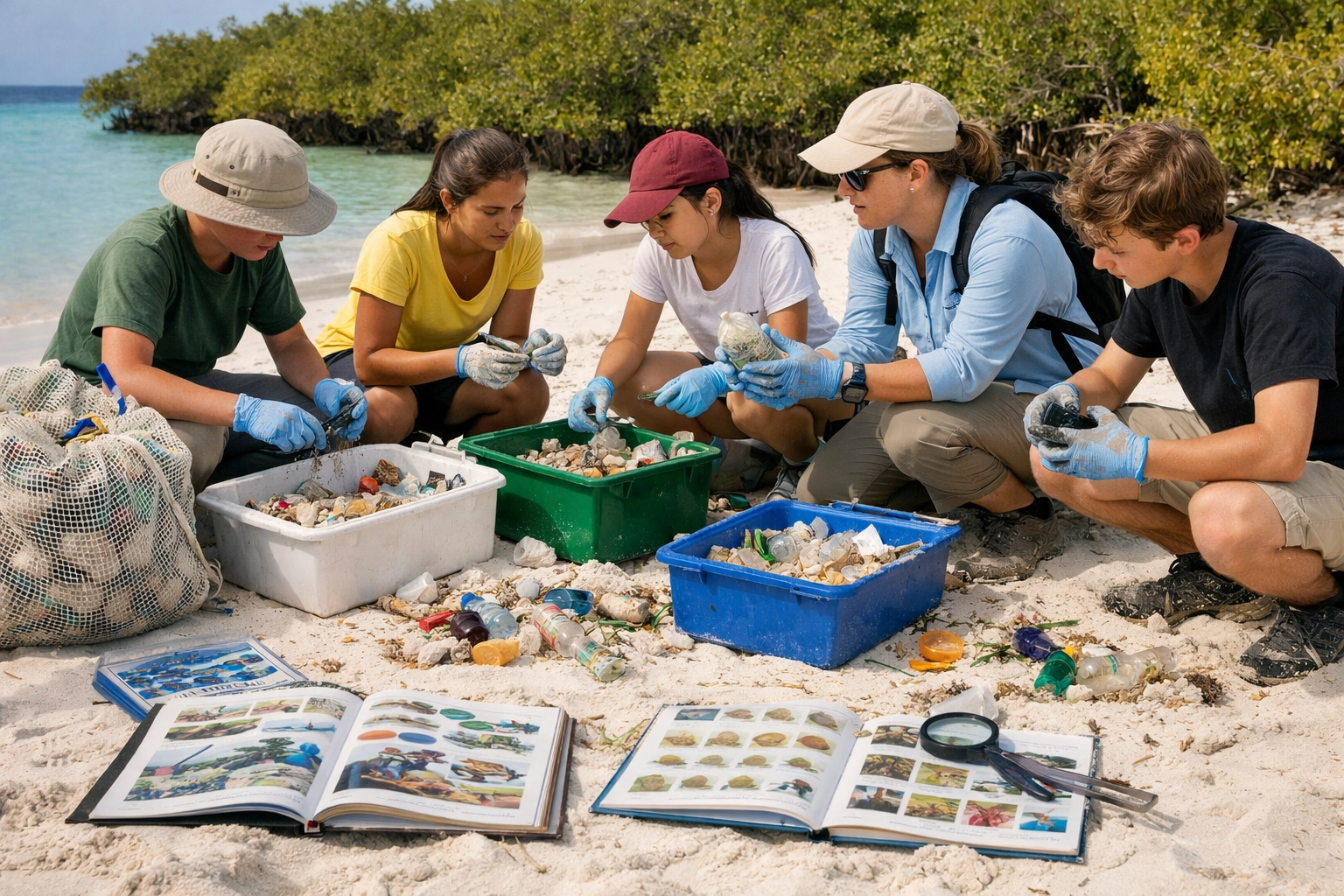
Environmental Stewardship Activities Beach cleanup initiatives and coral restoration projects instill conservation values while teaching students about anthropogenic impacts on marine ecosystems. These service-learning components satisfy requirements for community engagement while developing environmental citizenship.
Professional Development for Educators
Educational tours for teachers provide significant professional development opportunities that extend far beyond the immediate student benefit. When participating in marine science expeditions, teachers gain:
Updated Content Knowledge Direct interaction with marine researchers and conservation professionals ensures teachers remain current with evolving scientific understanding and contemporary conservation challenges. This exposure enhances classroom instruction long after the expedition concludes.
Pedagogical Strategies Observing and implementing place-based learning methodologies provides teachers with transferable strategies applicable to various subjects and locations. The expedition experience serves as a professional development workshop conducted in an authentic educational setting.
Network Building Connections with marine science professionals, education specialists, and fellow teachers create ongoing resources for curriculum development and future collaboration opportunities.
Access to World-Class Research Opportunities
The Cayman Islands host active scientific research programs that provide educational tours for teachers with exceptional learning contexts. The Blue Belt Programme's deep-sea surveys studying snapper populations, sea mount ecosystems, and water quality monitoring demonstrate real-world marine science applications.
Teachers can structure lessons around ongoing research initiatives, helping students understand that scientific knowledge remains dynamic and subject to continuous refinement through systematic investigation. This connection to active research transforms abstract concepts into tangible scientific endeavors.
Students observe professional researchers employing sophisticated equipment and methodologies, providing authentic career exposure and demonstrating the educational pathways necessary for marine science professions. This career awareness component helps students envision themselves in STEM fields while understanding the academic preparation required for such roles.
Safety Protocols and Risk Management
Ensuring student safety during marine expeditions requires comprehensive planning and established protocols. Educational tours for teachers must address several critical safety considerations:
Qualified Supervision All water-based activities should involve certified instructors with appropriate credentials in water safety, first aid, and CPR. Maintain student-to-supervisor ratios that ensure adequate oversight during all activities.
Equipment Standards Verify that all snorkeling equipment, personal flotation devices, and safety gear meet current safety standards and receive regular inspection and maintenance.
Medical Preparedness Establish clear medical emergency procedures, including communication protocols, evacuation plans, and access to qualified medical facilities. Ensure all staff members understand their roles in emergency situations.
Environmental Awareness Educate students about potential hazards including marine organisms requiring cautious interaction, weather conditions affecting water safety, and appropriate sun protection in tropical environments.
Buddy Systems Implement and enforce buddy system protocols during all water activities, ensuring no student enters water environments without designated partner supervision.
Logistical Planning Considerations
Successful educational tours for teachers require meticulous attention to logistical details:
Pre-Trip Preparation Begin planning at least six months in advance to secure permits, accommodations, and program bookings. Research visa requirements and passport validity guidelines for all participants.
Parent Communication Provide detailed itineraries including daily activities, safety protocols, emergency contact information, and expected learning outcomes. Schedule informational meetings where parents can ask questions and receive comprehensive trip documentation.
Academic Integration Develop pre-expedition curriculum introducing key concepts students will encounter. Create assessment tools measuring learning outcomes and post-expedition activities reinforcing expedition experiences.
Budget Planning Account for all expenses including airfare, accommodations, program fees, meals, ground transportation, equipment, travel insurance, and contingency funds for unexpected costs.
Long-Term Impact: Transforming Student Perspectives
Educational tours for teachers must demonstrate lasting value beyond the immediate expedition experience. Marine science expeditions to the Cayman Islands create measurable behavioral and attitudinal changes in students:
Research indicates that immersive marine education experiences cultivate lasting respect for ocean ecosystems and inspire transformation in students' environmental attitudes. Students who participate in hands-on marine science expeditions demonstrate increased environmental awareness, greater interest in STEM careers, and sustained conservation behaviors.
The combination of rigorous scientific instruction with emotionally engaging experiences in spectacular natural environments creates powerful learning memories that influence future academic and career decisions. Teachers observe increased classroom engagement with marine science topics and improved retention of ecological concepts among students who participated in expedition programs.
Making It Happen: Next Steps for Educators
Teachers interested in organizing marine science expeditions to the Cayman Islands should begin by:
Researching available programs that align with curriculum objectives and student skill levels
Consulting with administration regarding approval processes, funding sources, and scheduling considerations
Connecting with experienced educators who have previously organized similar expeditions
Developing comprehensive proposals demonstrating educational value and safety planning
Engaging parents early in the planning process to build support and address concerns
Educational tours for teachers represent significant investments of time, resources, and organizational effort. The Cayman Islands' unique combination of accessible marine biodiversity, research-based programming, comprehensive safety infrastructure, and curriculum-aligned learning opportunities make this destination an exceptional choice for marine science education.
Appleseed Expeditions specializes in designing and facilitating marine science expeditions that meet the highest educational standards while maintaining rigorous safety protocols. Our programs connect teachers and students with world-class marine ecosystems and professional researchers, creating transformative learning experiences that inspire the next generation of ocean stewards and marine scientists. Explore our marine science programs to discover how we can help you create an unforgettable educational expedition for your students.

Comments