


Why Student Group Travel Organizers Choose San Diego for Hands-On Marine Science

Selecting the ideal destination for a student marine science expedition requires careful evaluation of educational resources, accessibility, and logistical feasibility. Student group travel organizers consistently identify San Diego as a premier choice for hands-on marine science education due to its unparalleled concentration of world-class research institutions, diverse marine habitats, and established educational partnerships: all within a single, accessible metropolitan area.
Access to Leading Marine Research Institutions
San Diego provides student groups with direct access to cutting-edge ocean research through the Scripps Institution of Oceanography at UC San Diego, one of the oldest and most prestigious centers for ocean and earth science research in the world. This proximity allows students to learn directly from marine biologists, conservation experts, and oceanographers actively engaged in groundbreaking research.
When planning your group's itinerary, consider incorporating visits to Scripps' facilities where students can observe ongoing research projects, interact with scientists in their working environment, and gain insight into the daily operations of a major research institution. This exposure provides students with authentic career exploration opportunities while reinforcing classroom concepts through real-world application.
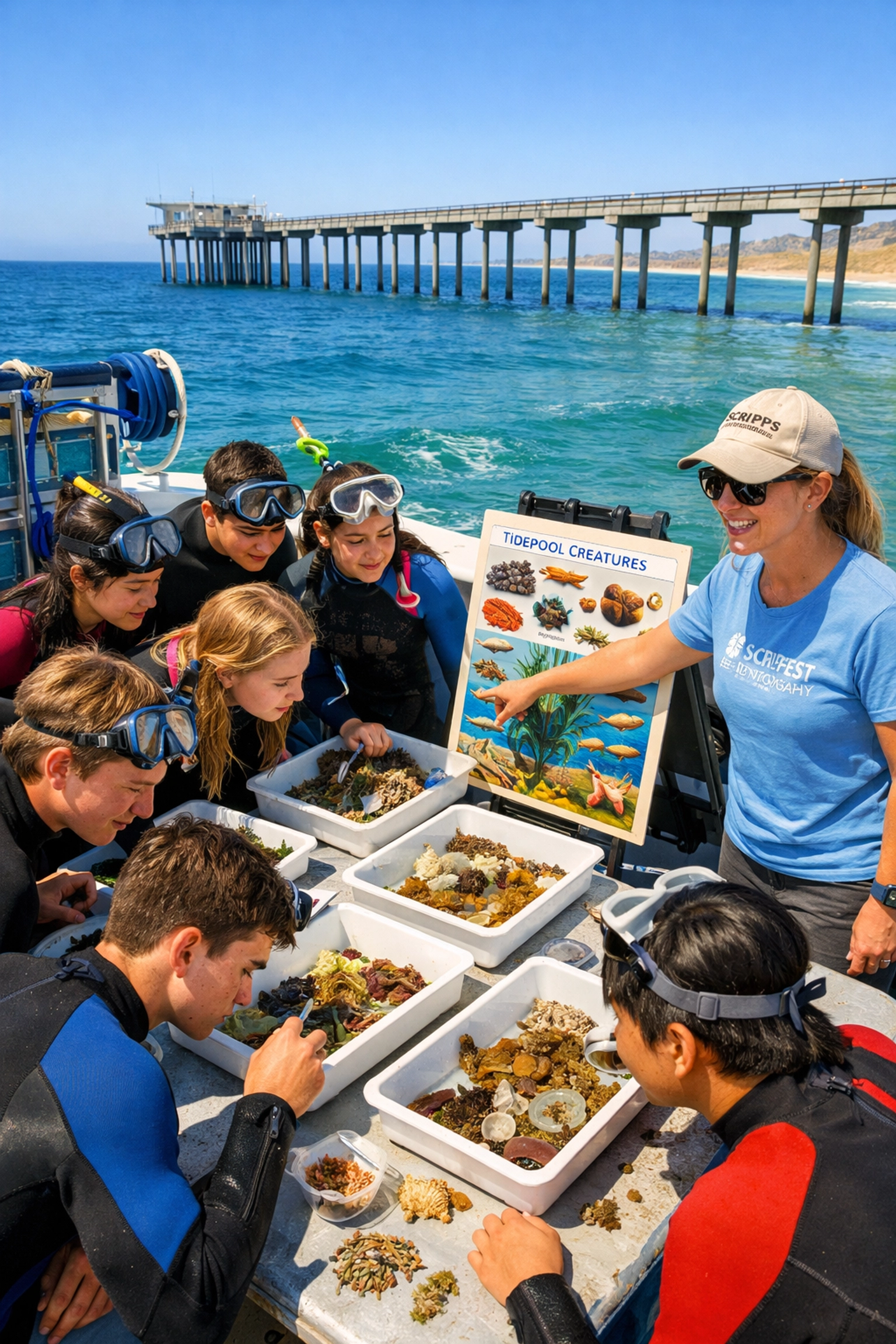
UC San Diego's campus serves as a hub for multiple marine science programs, creating an ecosystem of expertise and resources that benefits visiting student groups. Organizers can leverage these established relationships to arrange guest lectures, laboratory demonstrations, and Q&A sessions with researchers who specialize in diverse areas including marine ecology, conservation biology, oceanography, and climate science.
Established Educational Programs Designed for Student Groups
One significant advantage for student group travel organizers is San Diego's robust network of established educational programs specifically designed to accommodate visiting school groups. These turnkey solutions eliminate the need to develop custom experiences from scratch, allowing organizers to focus on logistics while ensuring high-quality educational outcomes.
SEACAMP San Diego, recognized as the best summer camp by San Diego Reader in 2024, combines hands-on laboratory work with interactive field activities including snorkeling, boat trips, and kayaking expeditions. The program's structure provides a comprehensive marine science curriculum that can be adapted to various grade levels and learning objectives. When evaluating program options, inquire about scheduling flexibility, group size accommodations, and customization possibilities to align with your specific educational goals.
The Marine Science Floating Lab in San Diego Bay offers half-day field trips specifically designed for grades 2-12, featuring oceanographic equipment and experiential learning opportunities. This program allows students to conduct water quality testing, observe marine organisms in their natural habitat, and practice scientific data collection techniques. Organizers should note the accessibility of this program for younger students while still providing substantive learning experiences.
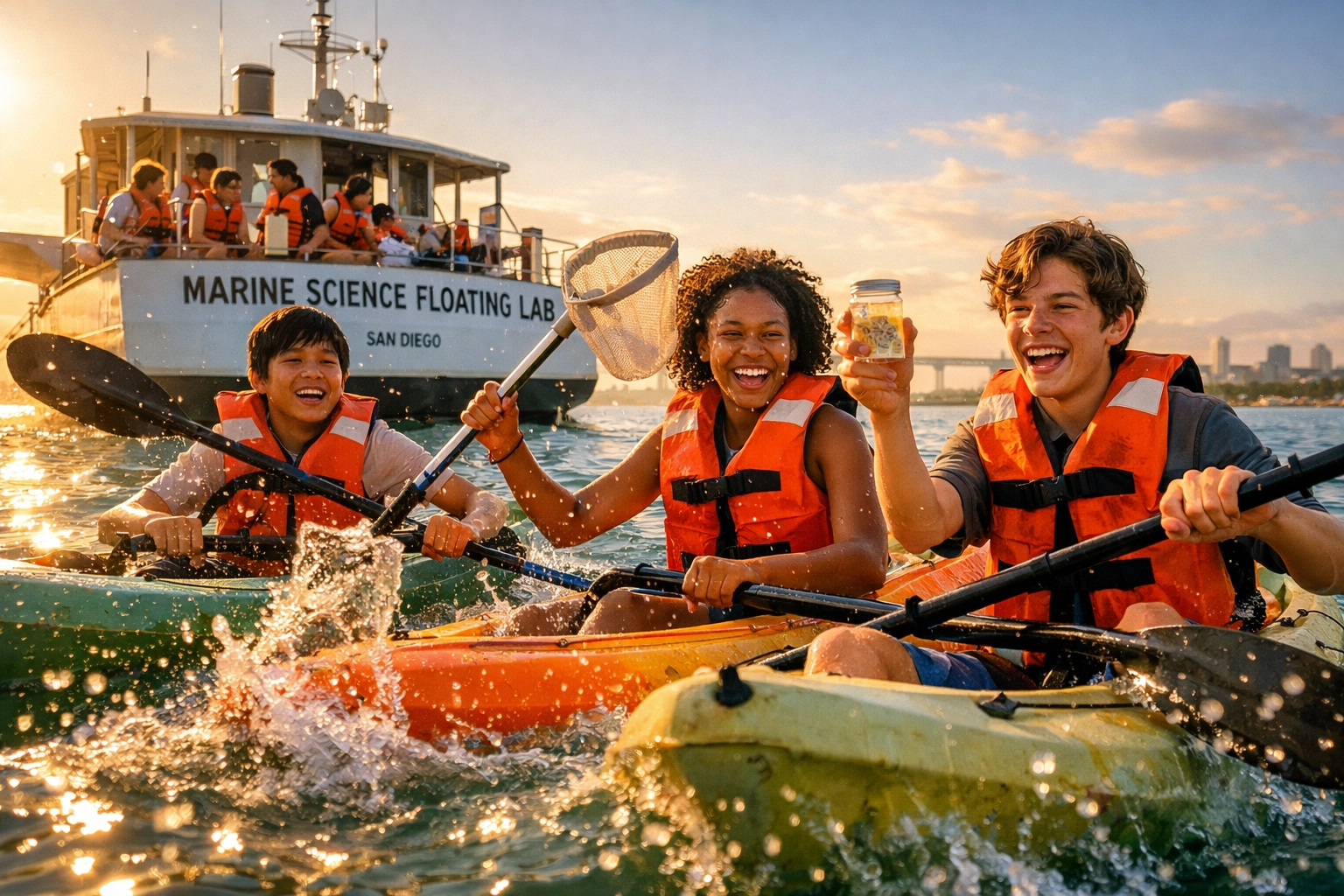
When coordinating with these established programs, begin planning well in advance to secure preferred dates and ensure adequate preparation time for students. Request detailed itineraries, safety protocols, and educational materials in advance to facilitate pre-trip curriculum integration and parental communication.
Diverse Marine Ecosystems Within Accessible Distances
San Diego's geographical advantage lies in the remarkable diversity of marine ecosystems available within short distances. This concentration of varied habitats allows student groups to study multiple environments: from kelp forests to sandy beaches to open water: within a single trip, maximizing educational value while minimizing travel time between sites.
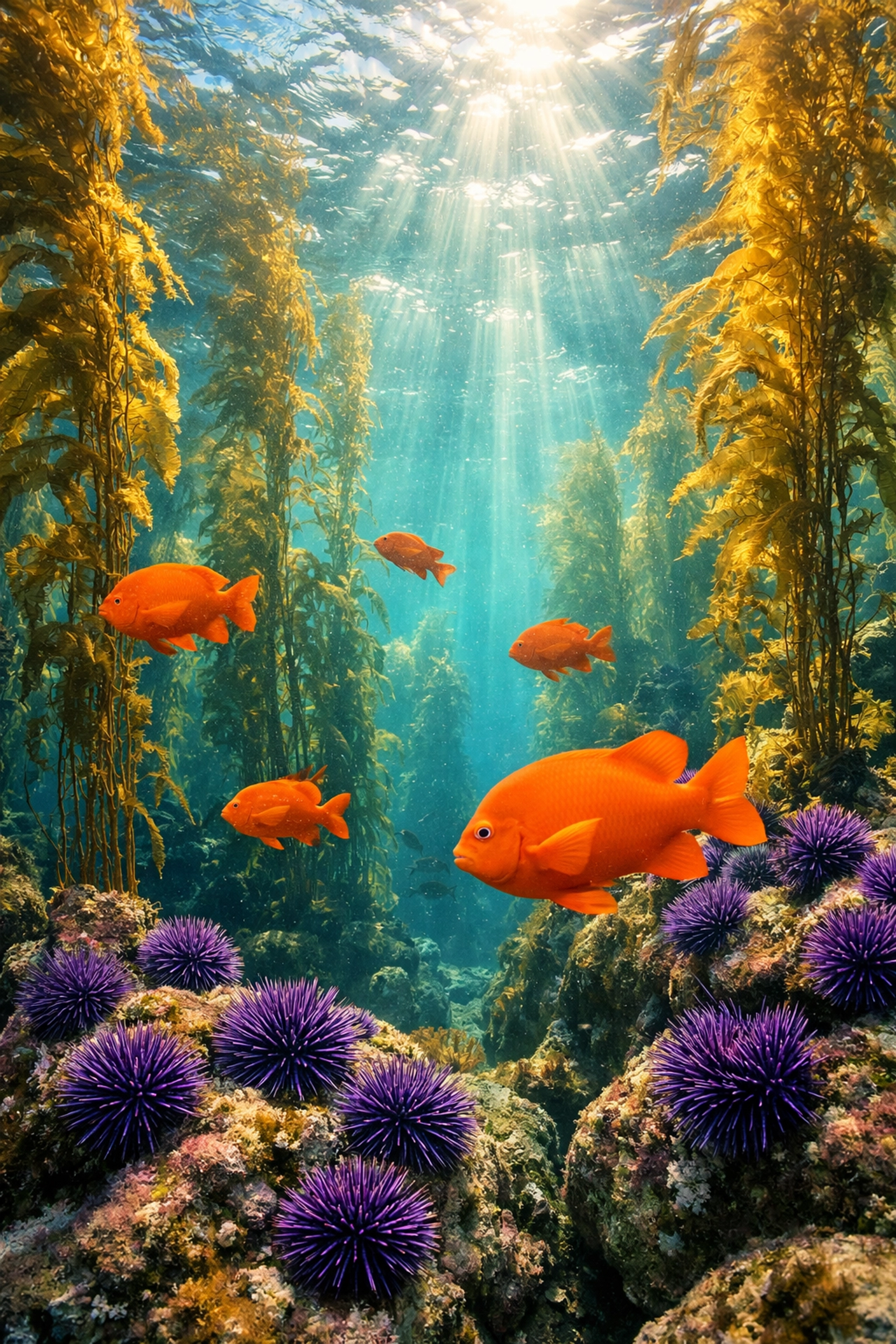
The shores of La Jolla provide accessible tide pools where students can observe intertidal organisms, study zonation patterns, and understand the adaptations required for survival in this dynamic environment. The La Jolla Ecological Reserve offers protected waters ideal for snorkeling or kayaking, where students can observe kelp forest ecosystems and diverse fish populations in their natural habitat.
Mission Bay presents opportunities to study estuarine environments, where freshwater meets saltwater, creating unique conditions that support specialized species. Students can investigate how organisms adapt to fluctuating salinity levels and observe the critical role these transitional zones play in marine ecosystem health.
When planning your itinerary, consider sequencing site visits to build conceptual understanding progressively. Begin with accessible shoreline observations, advance to shallow water explorations, and culminate with deeper water or boat-based experiences. This scaffolded approach ensures students develop foundational knowledge before encountering more complex ecosystems.
Strategic Conservation Partnerships
San Diego's established partnerships with conservation organizations provide student groups with opportunities to participate in authentic conservation work while learning from professionals dedicated to environmental protection. These collaborations add genuine value to the educational experience by connecting students with real-world conservation challenges and solutions.
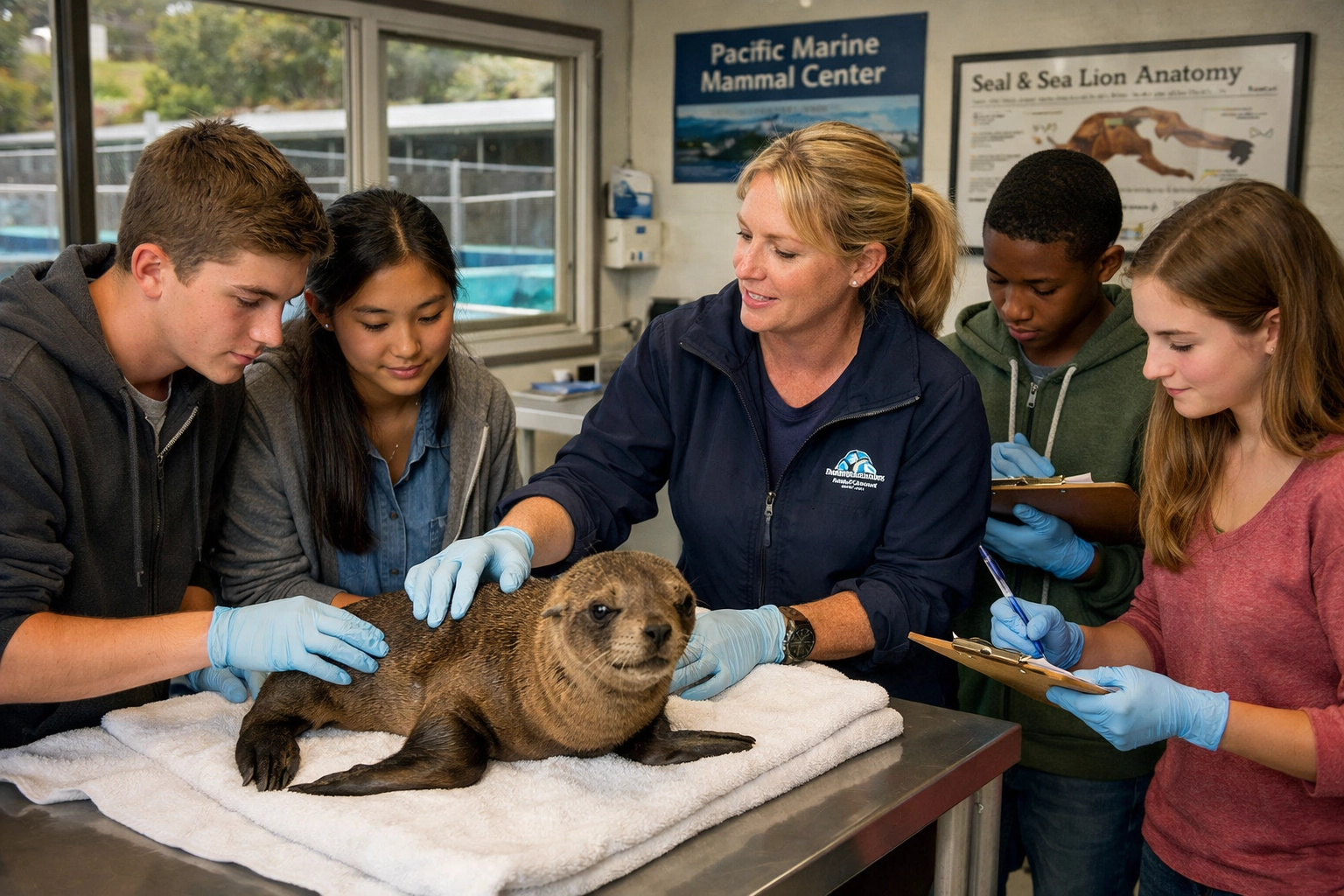
The Pacific Marine Mammal Center offers educational programs focused on marine mammal rescue, rehabilitation, and release. Students can learn about the threats facing marine mammals, observe rehabilitation techniques, and understand the broader ecosystem impacts of human activities on marine life.
San Diego Coastkeeper engages students in water quality monitoring and habitat restoration projects. Participation in these activities allows students to contribute meaningfully to ongoing conservation efforts while developing skills in environmental sampling and data analysis.
The Birch Aquarium at Scripps provides behind-the-scenes experiences and educational programs that complement field-based learning. Students can observe species not easily accessible in natural habitats and learn about the aquarium's conservation and research initiatives.
San Diego Zoo Wildlife Alliance offers marine conservation programs that connect terrestrial and marine ecosystems, helping students understand the interconnected nature of environmental systems.
When incorporating conservation partnerships into your itinerary, communicate clearly with partner organizations about your group's size, age range, and learning objectives. Discuss service learning opportunities in advance and ensure students are adequately prepared for hands-on participation through pre-trip education and appropriate attire.
Logistical Advantages for Group Organizers
Beyond educational resources, San Diego offers practical advantages that simplify logistics for student group travel organizers. The city's infrastructure, accessibility, and tourism experience make it a manageable destination for groups of varying sizes.
San Diego International Airport provides direct flights from major cities across the United States, reducing travel complexity and minimizing time away from educational activities. The airport's proximity to downtown and coastal areas further reduces ground transportation requirements.
The region's temperate climate allows for year-round programming, providing flexibility in scheduling and reducing weather-related disruptions to outdoor activities. When planning your trip, consider that spring and fall offer moderate temperatures ideal for extended outdoor exploration, while summer provides the warmest water temperatures for snorkeling and swimming activities.
San Diego's established tourism infrastructure includes numerous accommodation options suitable for student groups, from hotels with group rates to facilities specifically designed for educational groups. When selecting accommodations, prioritize locations that minimize travel time to primary educational sites and offer appropriate supervision configurations.
The city's public transportation system and abundance of charter services provide options for group movement between sites. Evaluate transportation needs carefully, considering group size, equipment requirements, and the scheduling of multiple site visits within single days.
Safety Considerations and Risk Management
Ensuring the safety of students during marine science expeditions is of paramount importance. San Diego's established educational programs typically maintain comprehensive safety protocols, but organizers must conduct thorough due diligence to verify these measures meet your institution's standards.
When evaluating program providers, request detailed information about:
Staff-to-student ratios during water-based activities
Lifeguard certifications and emergency response training
Equipment maintenance and inspection procedures
Weather monitoring and activity modification protocols
Emergency communication systems
Medical support availability
Discuss emergency procedures with all participating students, chaperones, and parents well before departure. Share detailed itineraries including contact information for all program providers, accommodations, and local emergency services.
Advise students about ocean safety including rip current awareness, marine life interactions, and sun protection. Require appropriate water safety equipment and ensure students have documented swimming abilities before participating in water-based activities.
Preparing Your Group for Maximum Learning
Preparation significantly enhances the educational value of marine science expeditions. Begin by researching San Diego's marine ecosystems and identifying key concepts that align with your curriculum objectives. Create an itinerary that balances structured learning experiences with opportunities for student-led exploration and discovery.
Encourage students to develop research questions before the trip that can be investigated through field observations and interactions with marine science professionals. This approach transforms students from passive observers into active scientific investigators.
Coordinate with program providers to obtain pre-trip educational materials and assignments that introduce key concepts and terminology. This preparation ensures students can engage meaningfully with content during the expedition rather than struggling with unfamiliar vocabulary or concepts.
Establish clear behavioral expectations and group norms before departure, emphasizing respect for marine environments, adherence to safety protocols, and positive representation of your institution.
Maximizing Educational Outcomes
San Diego's concentration of marine science resources in an accessible location provides student group travel organizers with exceptional opportunities to deliver transformative educational experiences. By leveraging world-class research institutions, established educational programs, diverse ecosystems, and conservation partnerships, organizers can create comprehensive marine science expeditions that inspire students and reinforce critical scientific concepts.
The key to success lies in thorough planning, clear communication with all stakeholders, and careful selection of program elements that align with your educational objectives. When executed thoughtfully, a San Diego marine science expedition becomes more than a field trip: it becomes a catalyst for environmental awareness, scientific curiosity, and career exploration that extends far beyond the classroom.

Comments