top of page


Search
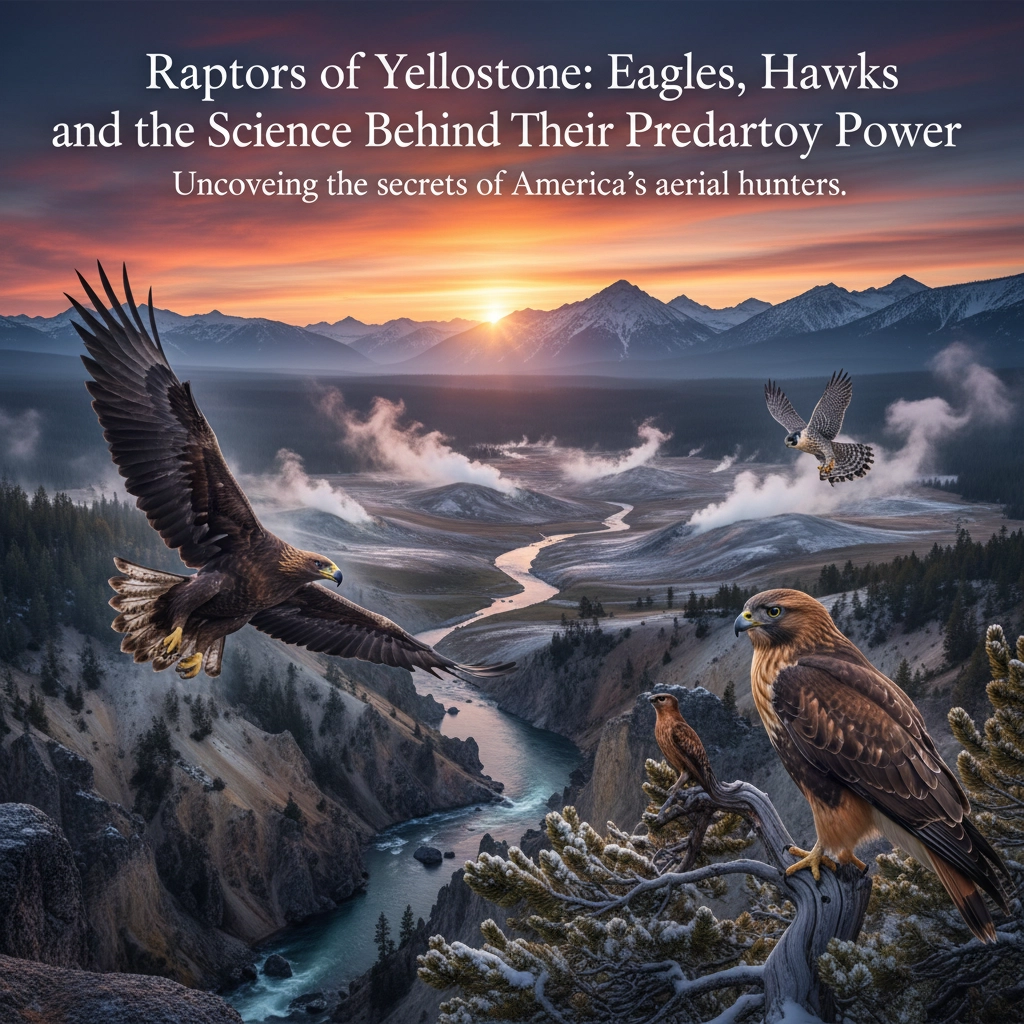
Raptors of Yellowstone: Eagles, Hawks, and the Science Behind Their Predatory Power
Understanding the remarkable diversity and specialized adaptations of Yellowstone's raptors provides students with exceptional opportunities to examine predator-prey relationships, ecosystem dynamics, and conservation biology in action. Yellowstone National Park supports an impressive 19 breeding raptor species , making it one of North America's most significant habitats for studying these apex predators and their critical ecological roles. Yellowstone's Raptor Diversity: A

Caleb Mullenix
Oct 28, 20255 min read

Elk, Moose, and Deer: Yellowstone's Ungulates and Their Role in Ecosystem Health
Understanding the intricate relationships between Yellowstone's ungulate populations and ecosystem health is essential for educators preparing students to witness one of North America's most complex ecological systems. The park's eight ungulate species: including elk, moose, mule deer, and white-tailed deer: serve as fundamental architects of ecosystem structure, influencing everything from predator populations to vegetation patterns across the Greater Yellowstone region. Ens
Caleb Mullenix
Oct 28, 20255 min read
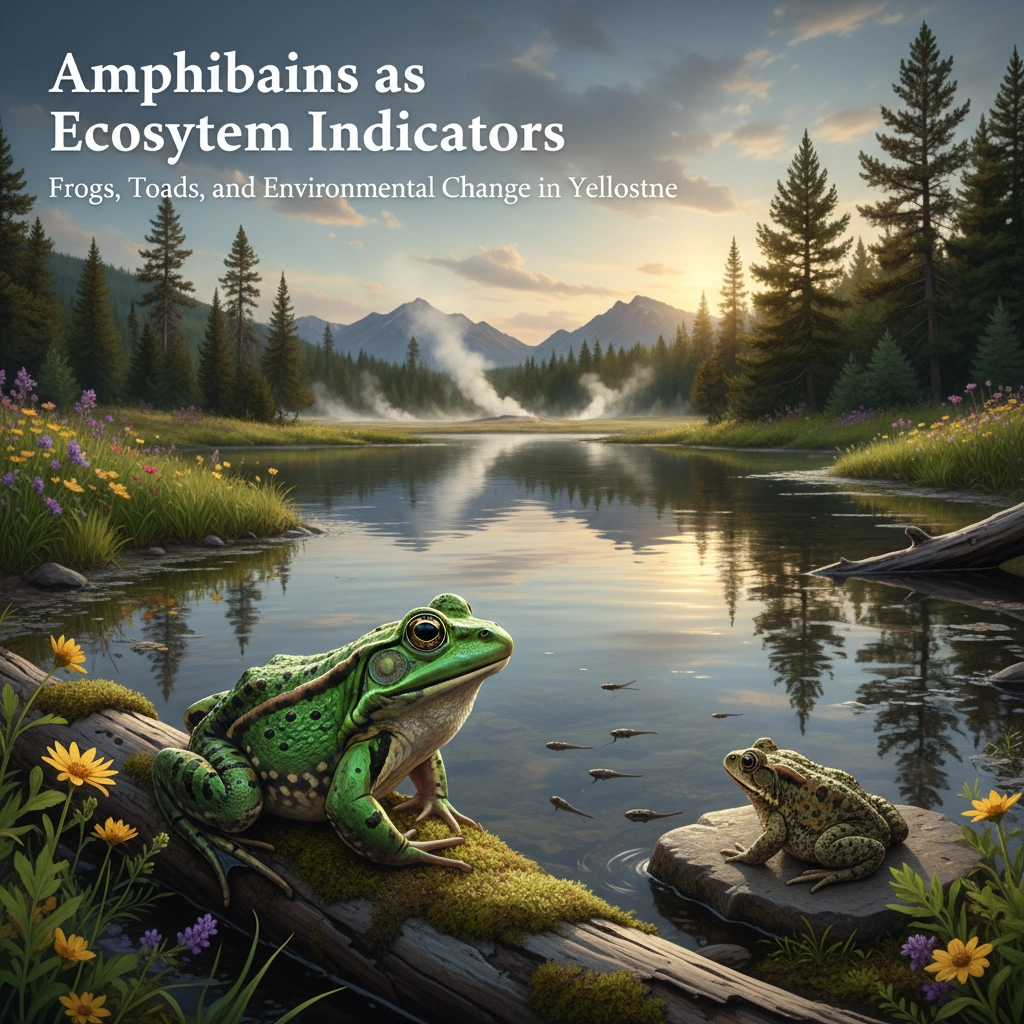
Amphibians as Ecosystem Indicators: Frogs, Toads, and Environmental Change in Yellowstone
Understanding the health of an ecosystem requires careful observation of its most sensitive inhabitants. In Yellowstone National Park, amphibians serve as nature's early warning system, providing crucial insights into environmental changes that affect the entire Greater Yellowstone Ecosystem. These remarkable creatures function as living indicators of ecological health, offering educators and students unparalleled opportunities to witness environmental science in action. Why
Caleb Mullenix
Oct 28, 20255 min read
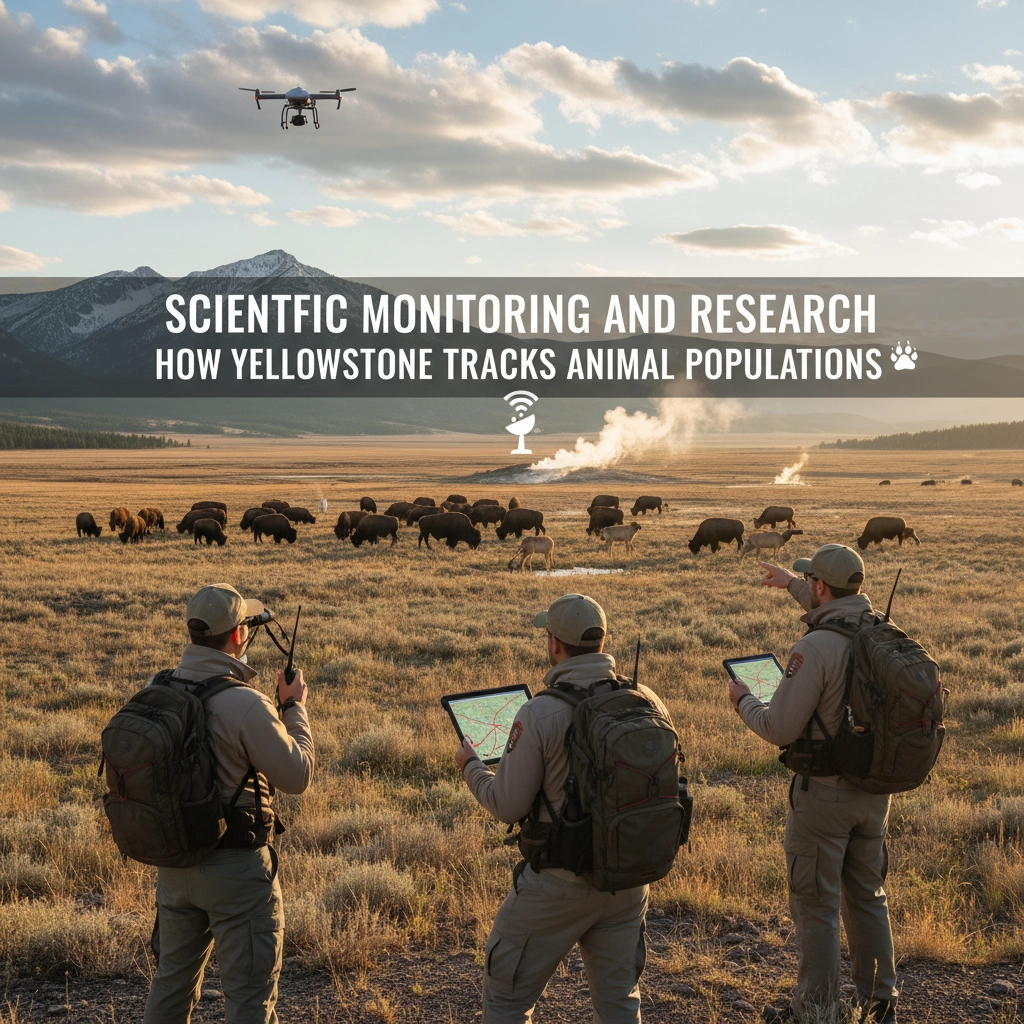
Scientific Monitoring and Research: How Yellowstone Tracks Animal Populations
Understanding how Yellowstone National Park tracks its diverse wildlife populations is essential for educators preparing students for meaningful field experiences. The park's sophisticated monitoring systems provide a compelling case study in modern conservation science, demonstrating how researchers combine cutting-edge technology with traditional field methods to gather comprehensive data on wildlife movements, population dynamics, and ecosystem interactions. The Foundatio
Caleb Mullenix
Oct 28, 20255 min read
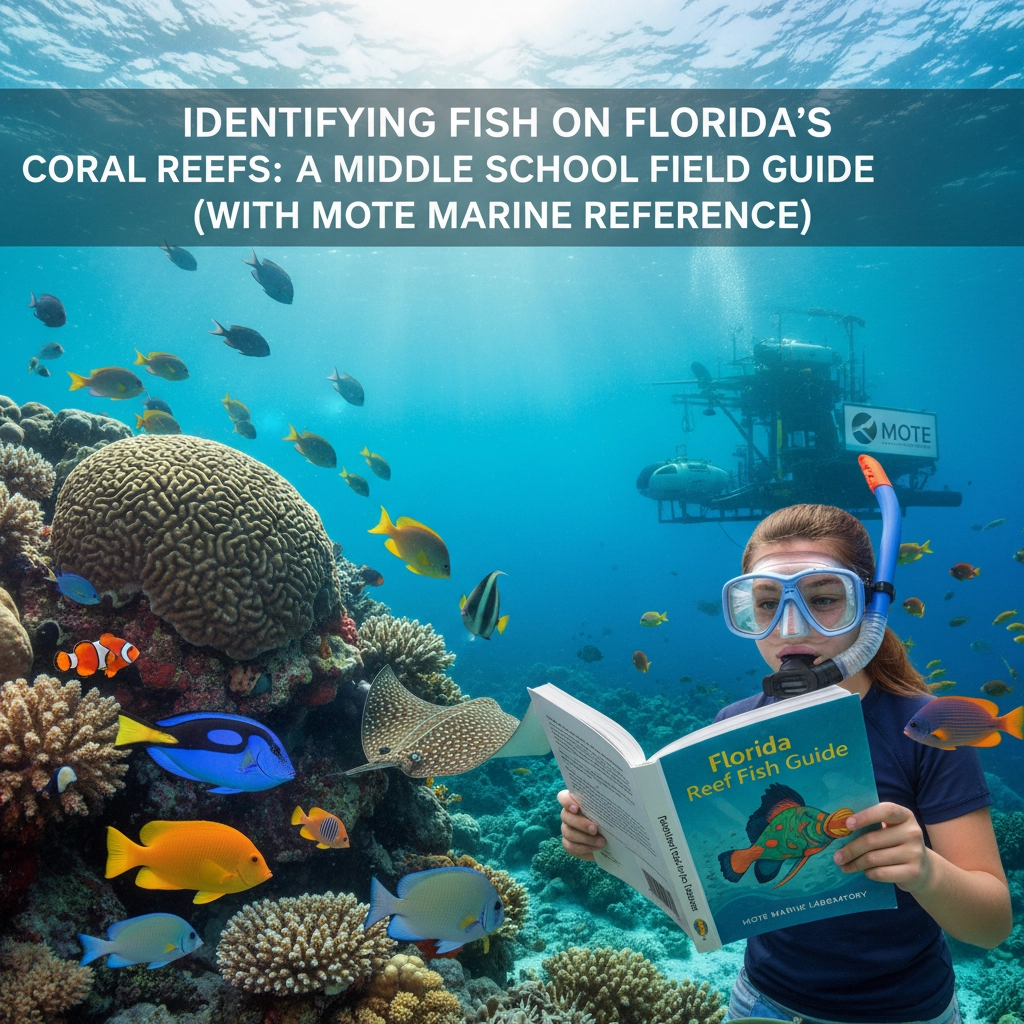
Identifying Fish on Florida's Coral Reefs: A Middle School Field Guide (with Mote Marine Reference)
Understanding fish identification on Florida's coral reefs represents one of the most engaging and educational experiences available to middle school students studying marine biology. Florida's coral reef system hosts approximately 600 fish species, making it the third-largest coral reef system in the world and an exceptional outdoor classroom for young marine scientists. Why Fish Identification Matters for Student Scientists Developing fish identification skills provides s
Caleb Mullenix
Oct 27, 20255 min read
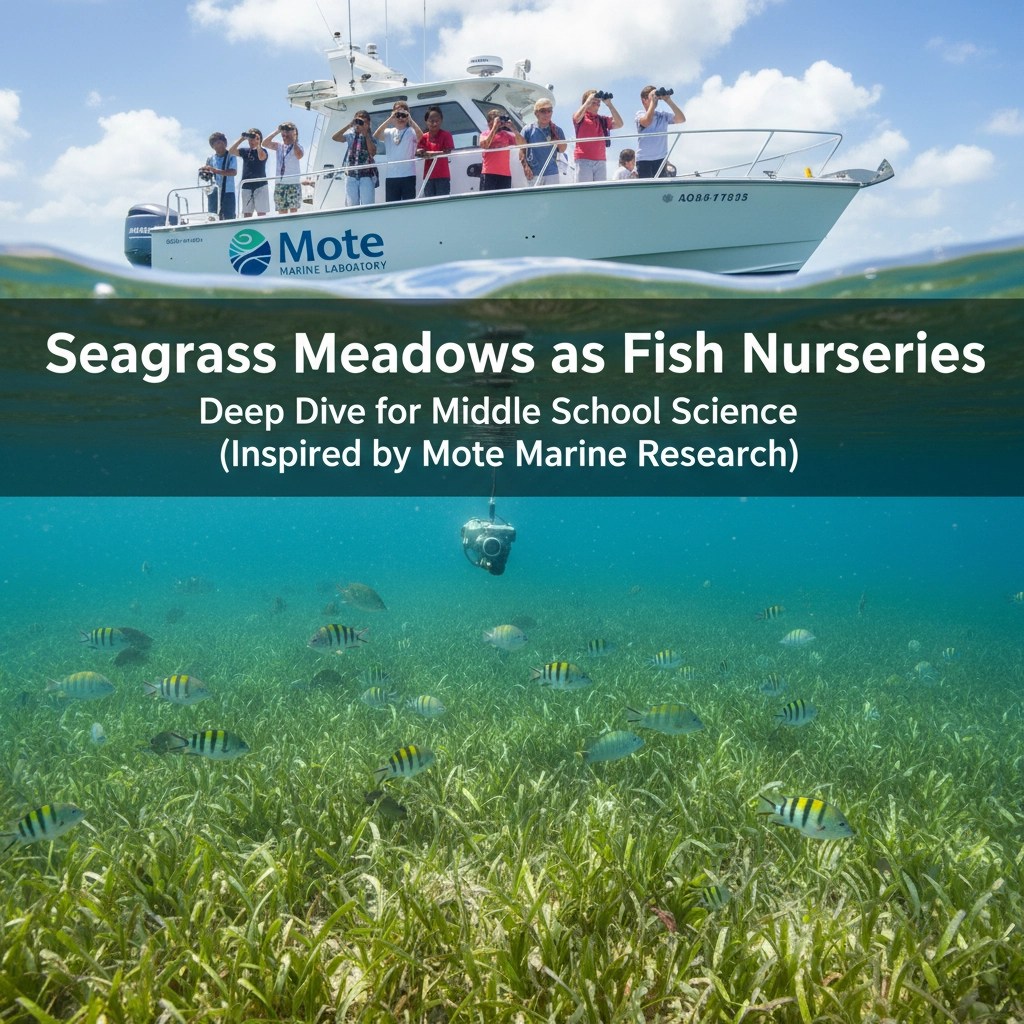
Seagrass Meadows as Fish Nurseries: Deep Dive for Middle School Science (Inspired by Mote Marine Research)
Picture yourself floating above an underwater meadow in the crystal-clear waters of the Florida Keys, watching thousands of juvenile fish dart between swaying grass blades. These aren't ordinary meadows: they're seagrass beds, serving as some of the ocean's most critical nurseries. Understanding how these marine ecosystems function as fish nurseries represents essential knowledge for any middle school scientist ready to explore marine biology. What Makes Seagrass Meadows Nat
Caleb Mullenix
Oct 27, 20255 min read
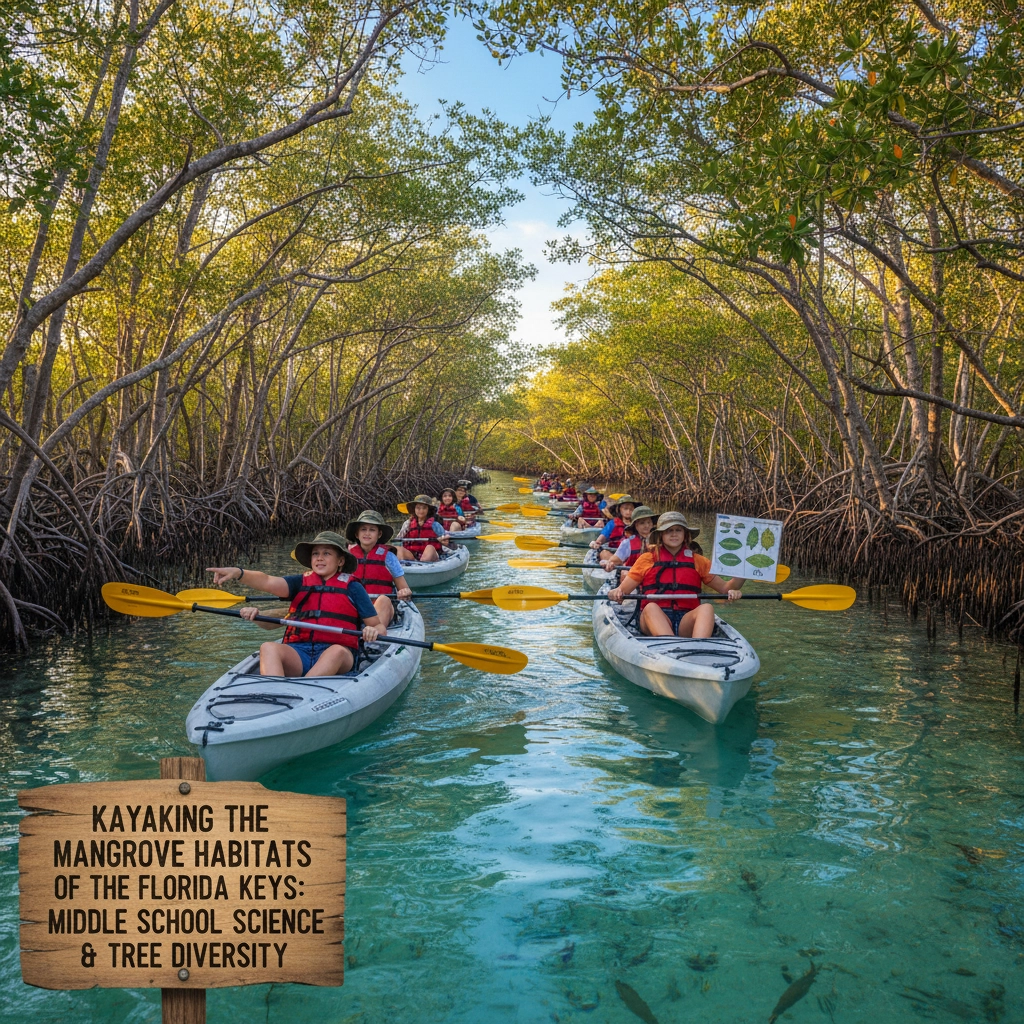
Kayaking the Mangrove Habitats of the Florida Keys: Middle School Science & Tree Diversity
Establishing meaningful connections between classroom learning and real-world ecosystems is paramount for middle school science education. The mangrove forests of the Florida Keys provide an exceptional opportunity for students to engage in hands-on field research while exploring one of nature's most remarkable coastal ecosystems. Through guided kayaking expeditions, students can observe, identify, and study the four distinct mangrove species that define these subtropical wet
Caleb Mullenix
Oct 27, 20255 min read
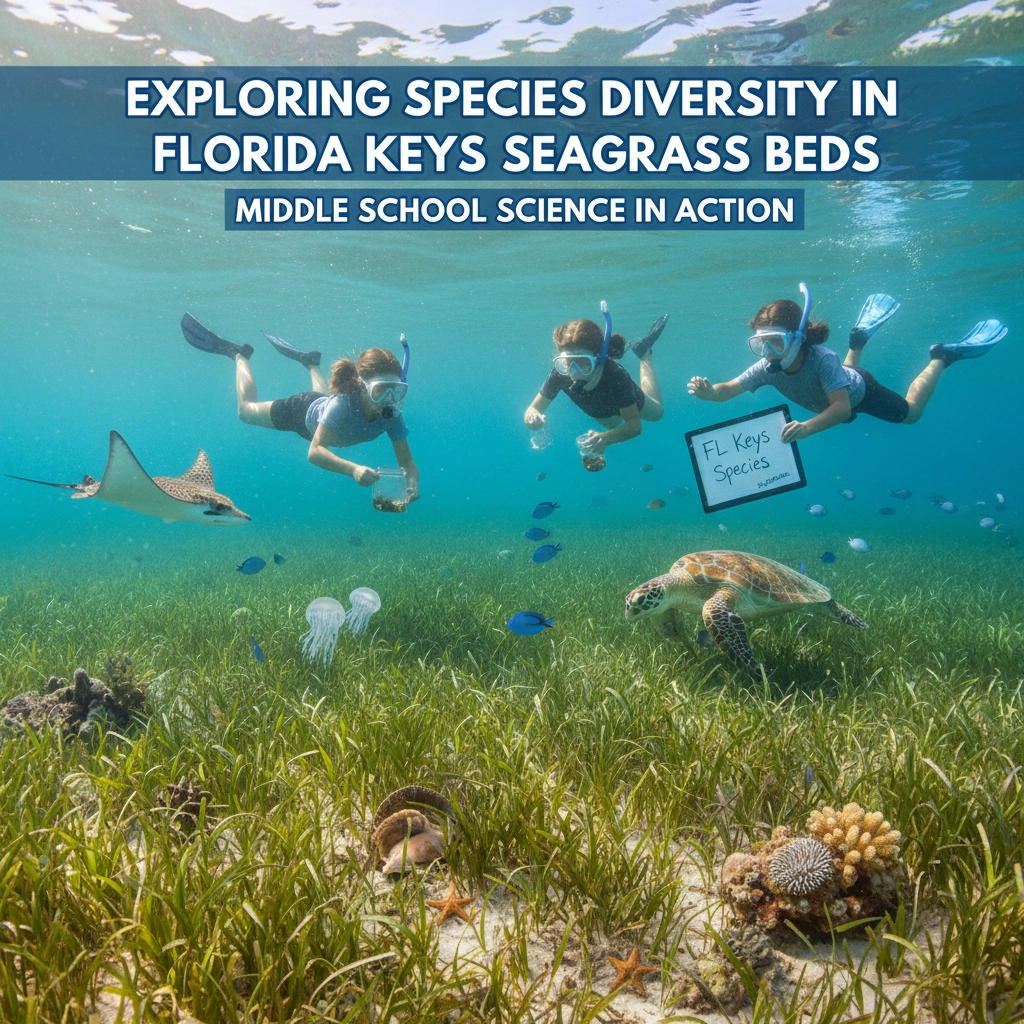
Exploring Species Diversity in Florida Keys Seagrass Beds: Middle School Science in Action
Discovering the incredible biodiversity within Florida Keys seagrass beds transforms middle school students into active marine scientists. These underwater meadows harbor one of Earth's most productive ecosystems, supporting extraordinary species diversity that rivals tropical rainforests. Understanding these complex communities requires hands-on investigation, systematic observation, and guided exploration that connects classroom learning to real-world conservation challenge
Caleb Mullenix
Oct 27, 20255 min read
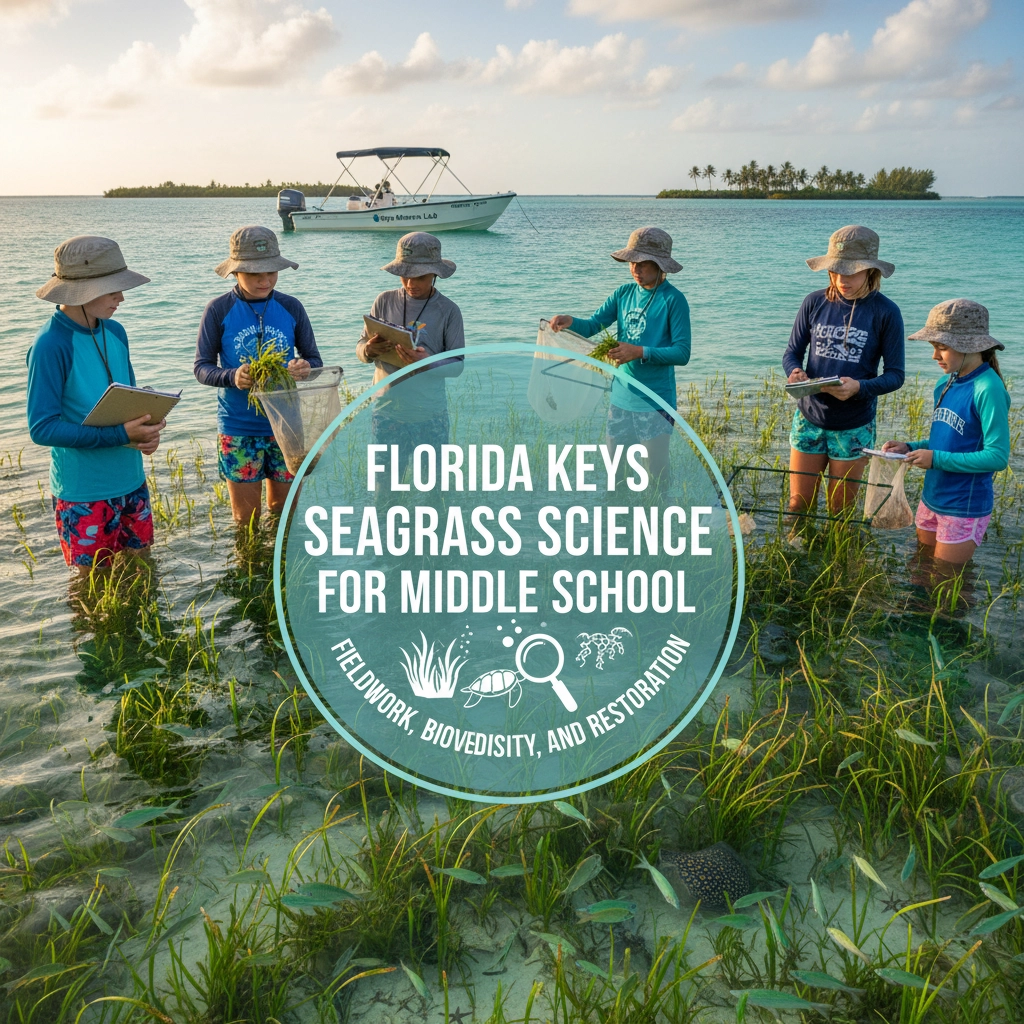
Florida Keys Seagrass Science for Middle School: Fieldwork, Biodiversity, and Restoration
Understanding marine ecosystems requires hands-on exploration, and the Florida Keys offers middle school students an unparalleled opportunity to study one of Earth's most productive underwater environments. The region's 1.5 million acres of seagrass meadows create a living laboratory where students can observe, measure, and participate in real marine science research while contributing to conservation efforts. The Foundation of Florida Keys Marine Life Seagrass meadows func
Caleb Mullenix
Oct 27, 20255 min read
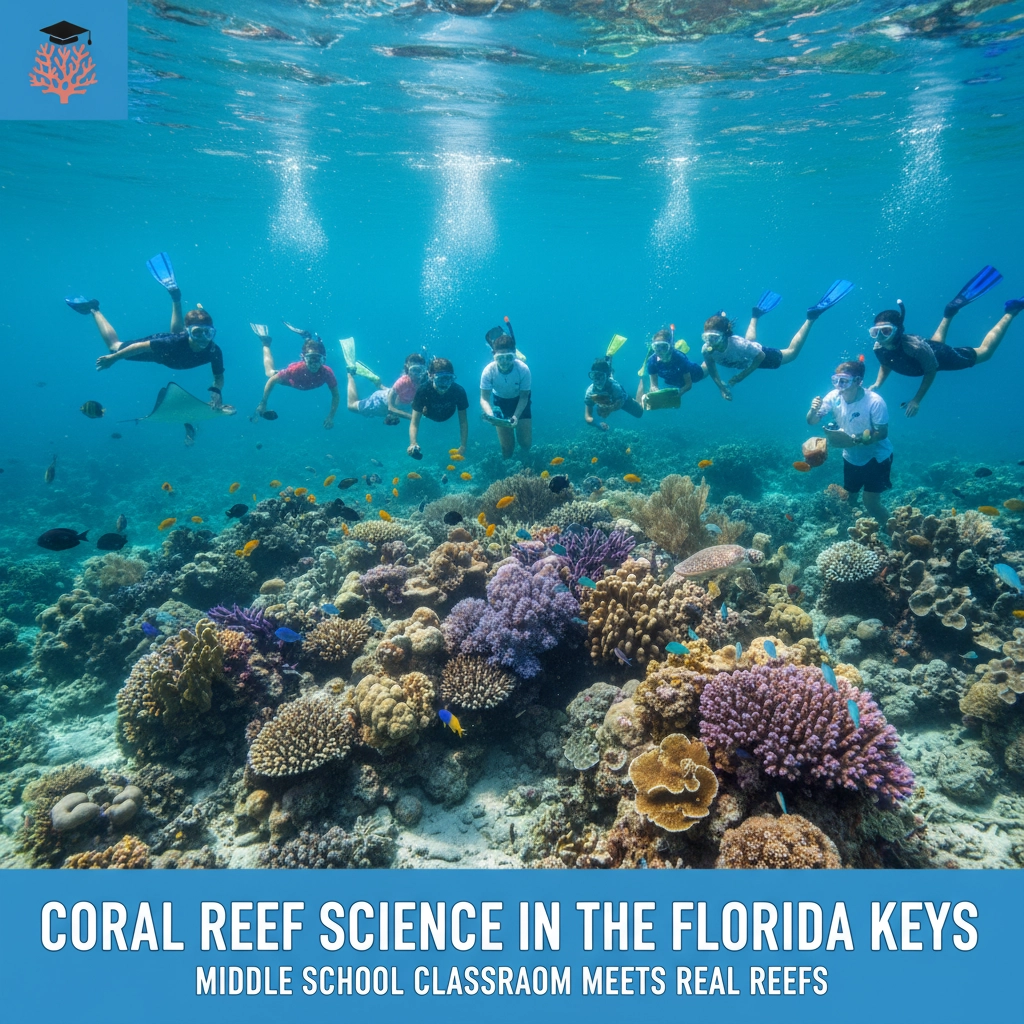
Coral Reef Science in the Florida Keys: Middle School Classroom Meets Real Reefs
Ensuring middle school students develop authentic connections to marine science requires more than textbook learning: it demands direct engagement with living coral ecosystems. The Florida Keys provide an unparalleled classroom where students transform from passive learners into active marine scientists through structured curriculum that bridges theoretical knowledge with hands-on reef exploration. Preparing your students for meaningful coral reef science experiences involves
Caleb Mullenix
Oct 27, 20256 min read
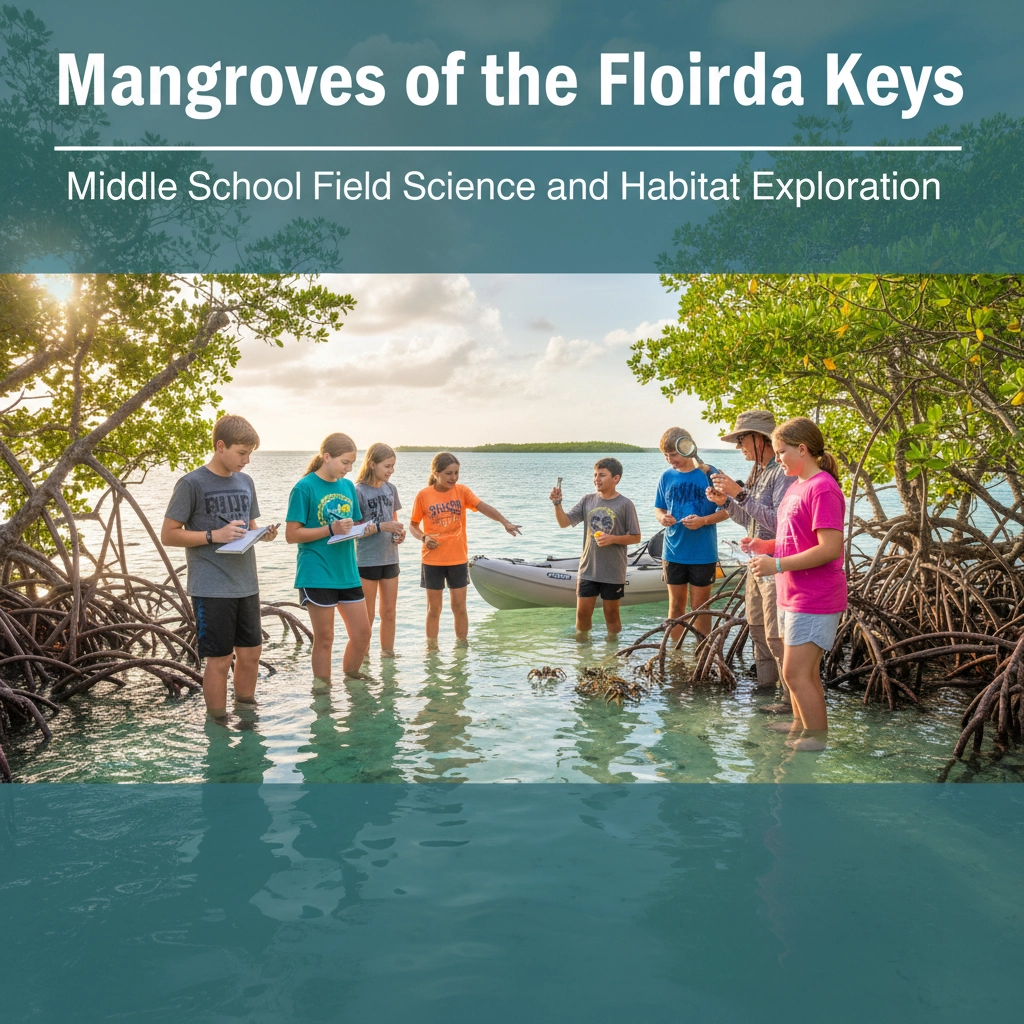
Mangroves of the Florida Keys: Middle School Field Science and Habitat Exploration
Preparing your middle school students for transformative field science requires selecting destinations that combine rigorous curriculum with hands-on discovery opportunities. The mangrove forests of the Florida Keys represent one of the most educationally rich ecosystems available to student groups, offering unparalleled access to marine biology, adaptation studies, and conservation science that directly aligns with Next Generation Science Standards for grades 6-8. Ensuring y
Caleb Mullenix
Oct 27, 20256 min read
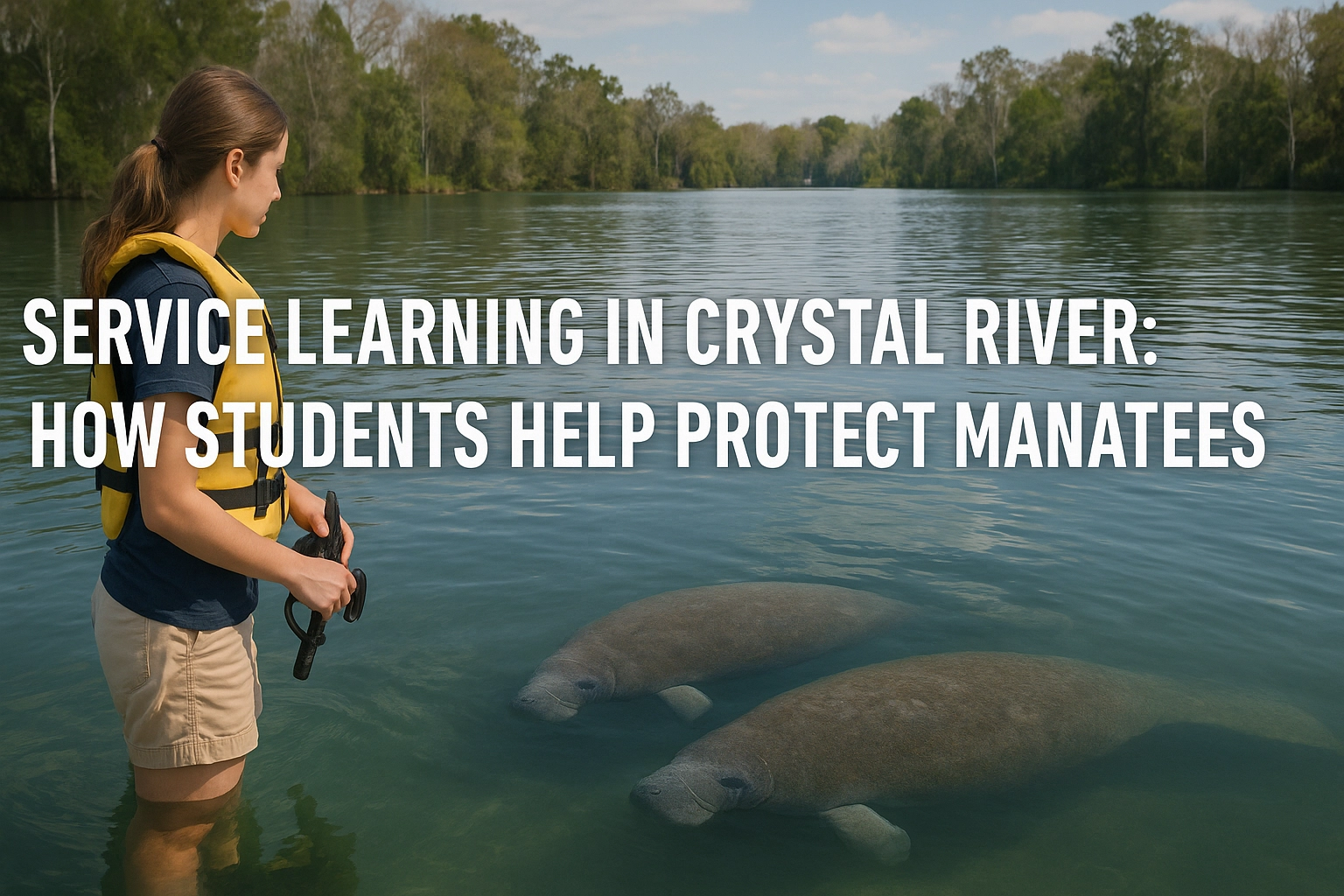
Service Learning in Crystal River: How Students Help Protect Manatees
Empowering students to become active participants in manatee conservation represents one of the most impactful approaches to environmental education available today. Service learning expeditions to Crystal River transform students from passive observers into dedicated conservationists, providing hands-on experiences that directly contribute to the protection of Florida's gentle giants while fostering lifelong environmental stewardship. The Critical Need for Student Conservat
Caleb Mullenix
Oct 27, 20255 min read
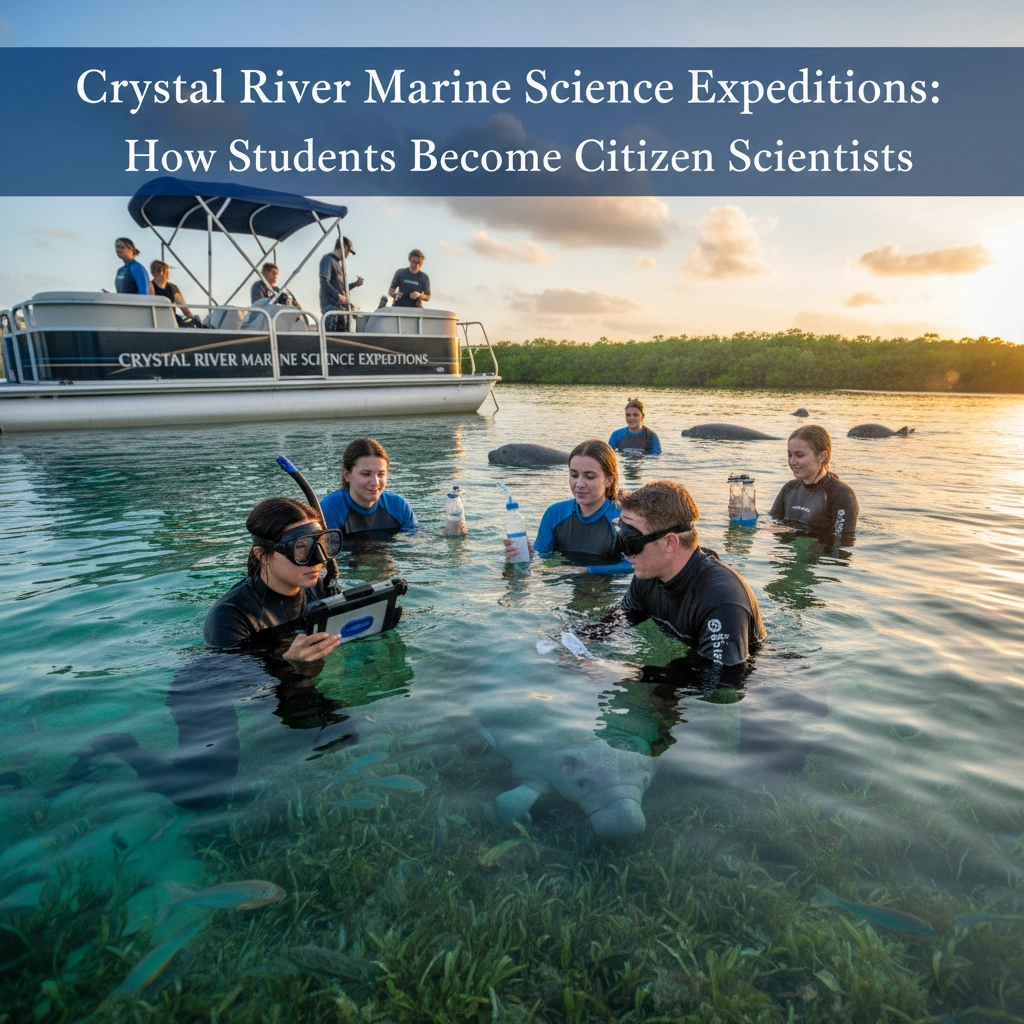
Crystal River Marine Science Expeditions: How Students Become Citizen Scientists
Transforming students into active contributors to marine science research represents one of the most impactful educational experiences available today. Crystal River, Florida, offers an unparalleled opportunity for students to engage in authentic scientific research while developing critical field science skills and contributing meaningful data to ongoing conservation efforts. The importance of citizen science in marine conservation cannot be overstated. With Florida's manate
Caleb Mullenix
Oct 27, 20256 min read
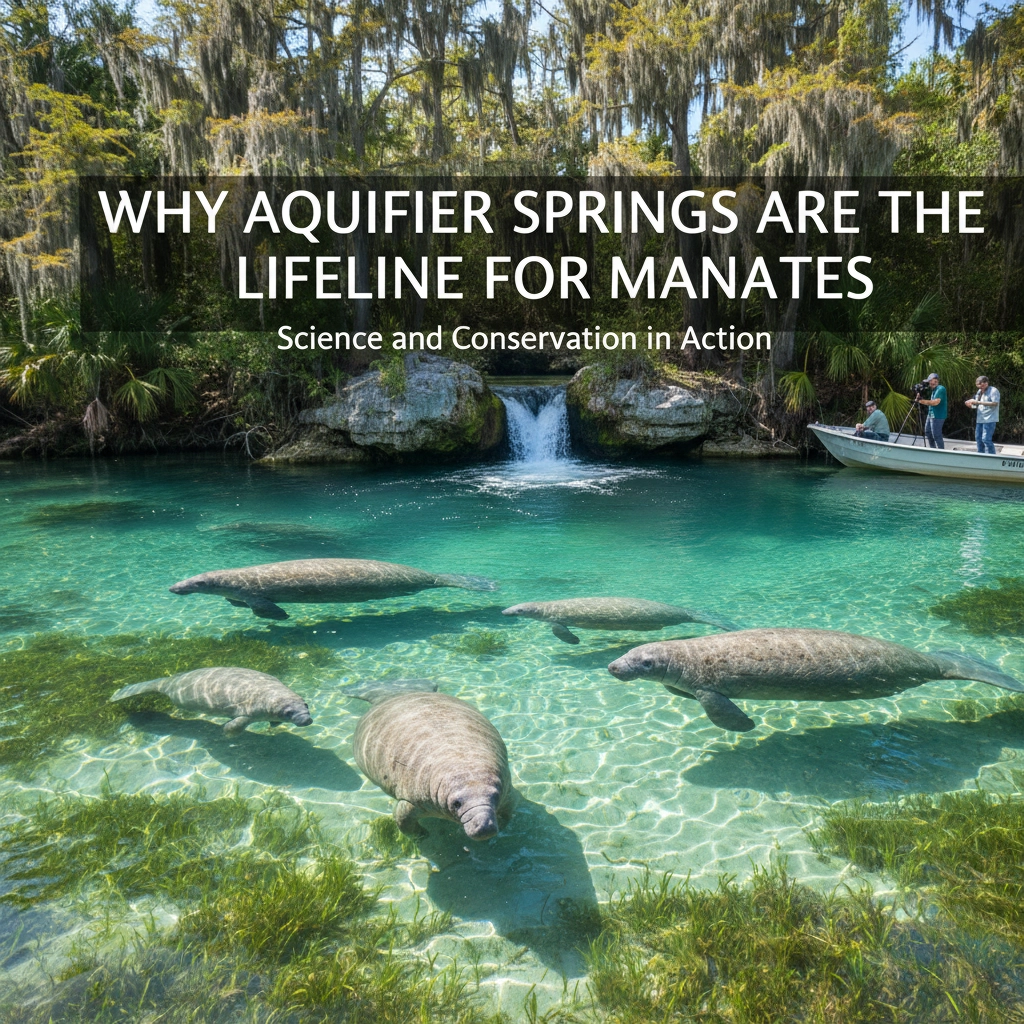
Why Aquifer Springs Are the Lifeline for Manatees: Science and Conservation in Action
Understanding the critical relationship between Florida's aquifer springs and manatee survival represents one of the most compelling case studies in marine conservation science. For educators seeking to provide students with meaningful hands-on learning experiences, Crystal River's spring system offers an unparalleled opportunity to explore aquifer science, thermal ecology, and conservation biology in action. The springs of Crystal River maintain a constant temperature of 72°
Caleb Mullenix
Oct 27, 20256 min read
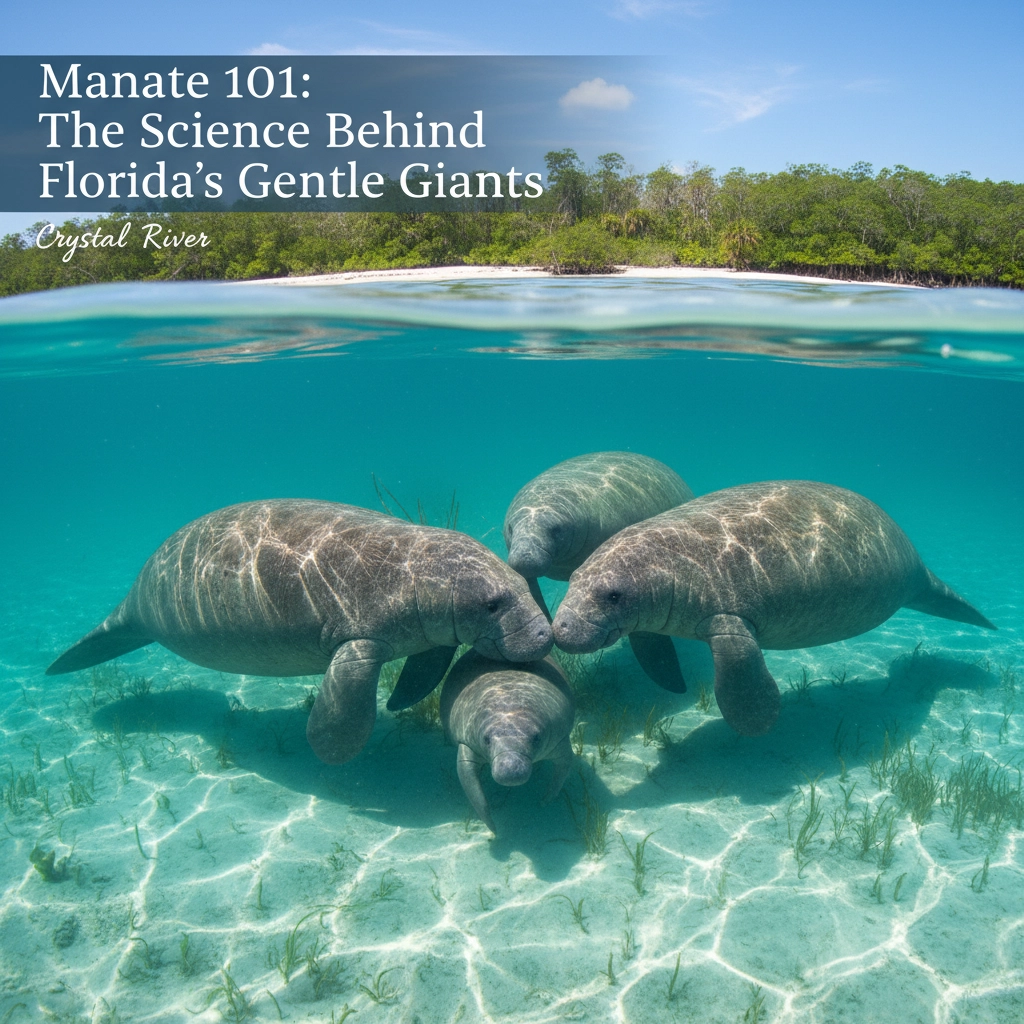
Manatee 101: The Science Behind Florida's Gentle Giants in Crystal River
Crystal River stands as North America's premier destination for hands-on marine mammal education, earning its designation as the "Manatee Capital of the World." For science educators planning student expeditions, this unique ecosystem offers unparalleled opportunities to study mammalian physiology, aquatic ecology, and conservation biology in a living laboratory. Understanding the scientific principles that make Crystal River essential to manatee survival provides the foundat
Caleb Mullenix
Oct 27, 20255 min read
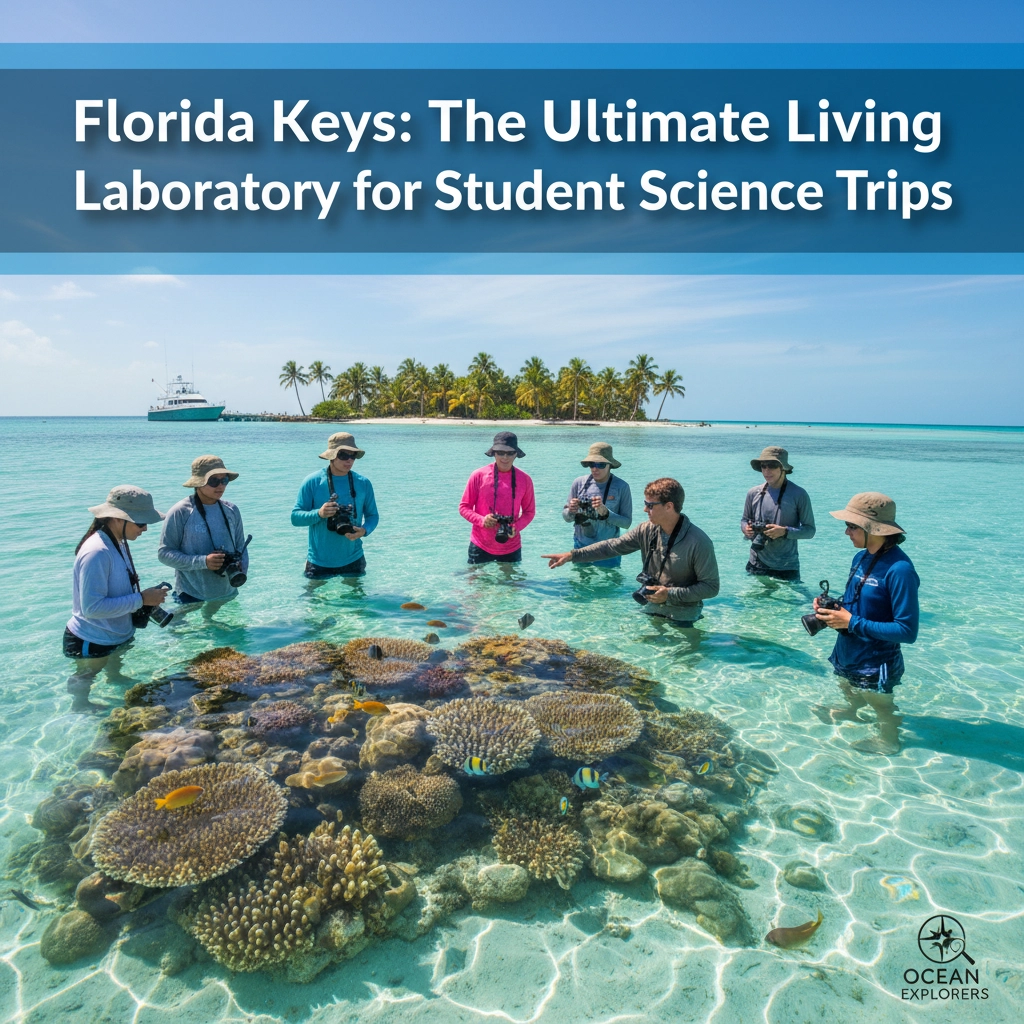
Florida Keys: The Ultimate Living Laboratory for Student Science Trips
Discovering the Florida Keys through educational travel transforms abstract scientific concepts into tangible, unforgettable learning experiences. This unique island chain represents one of North America's most diverse and accessible marine laboratories, where students engage directly with interconnected ecosystems spanning coral reefs, seagrass meadows, and mangrove forests. Preparing your students for a Florida Keys science expedition involves understanding how these enviro
Caleb Mullenix
Oct 27, 20255 min read
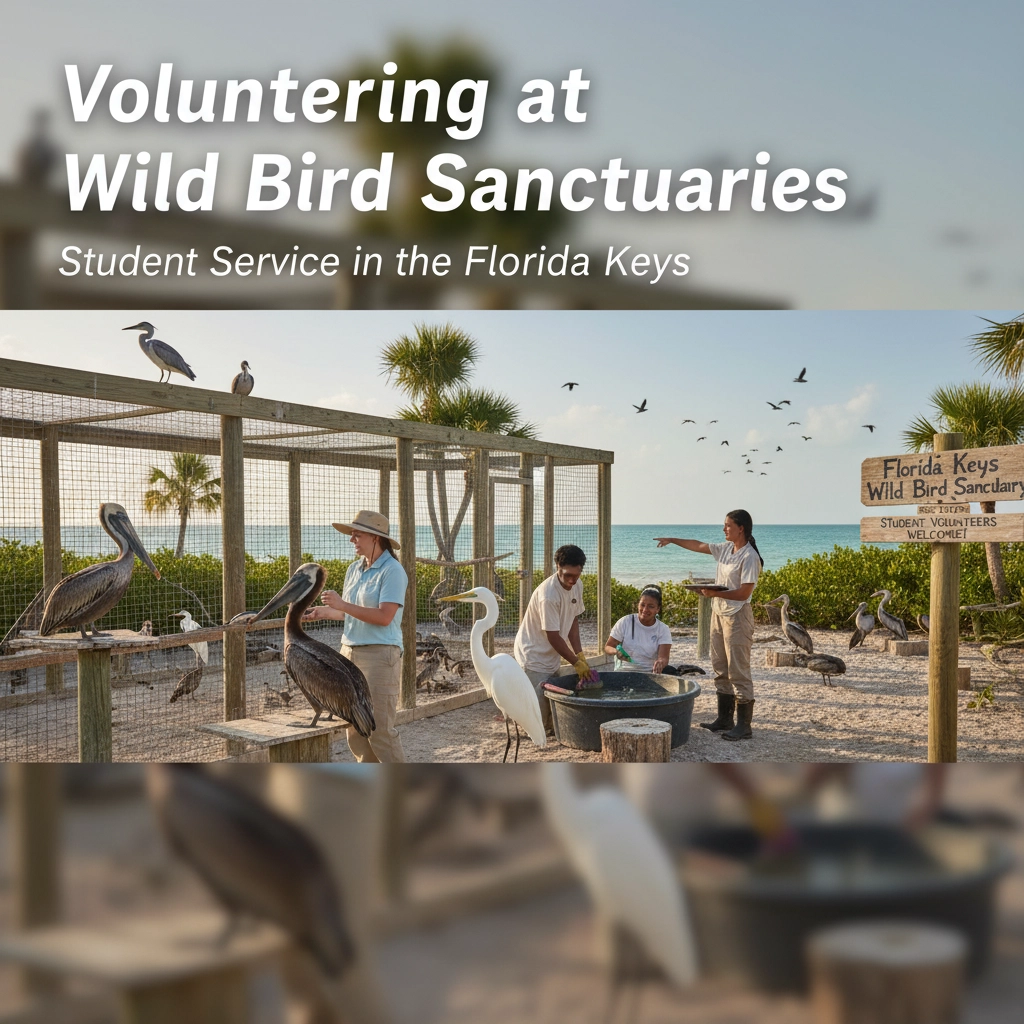
Volunteering at Wild Bird Sanctuaries: Student Service in the Florida Keys
Establishing meaningful connections between student service learning and conservation science represents one of the most impactful educational experiences available in the Florida Keys. Volunteering at wild bird sanctuaries provides students with direct engagement in wildlife rehabilitation while reinforcing critical lessons about ecosystem interconnectedness, environmental stewardship, and the scientific method in action. The Florida Keys archipelago functions as a living la
Caleb Mullenix
Oct 27, 20255 min read
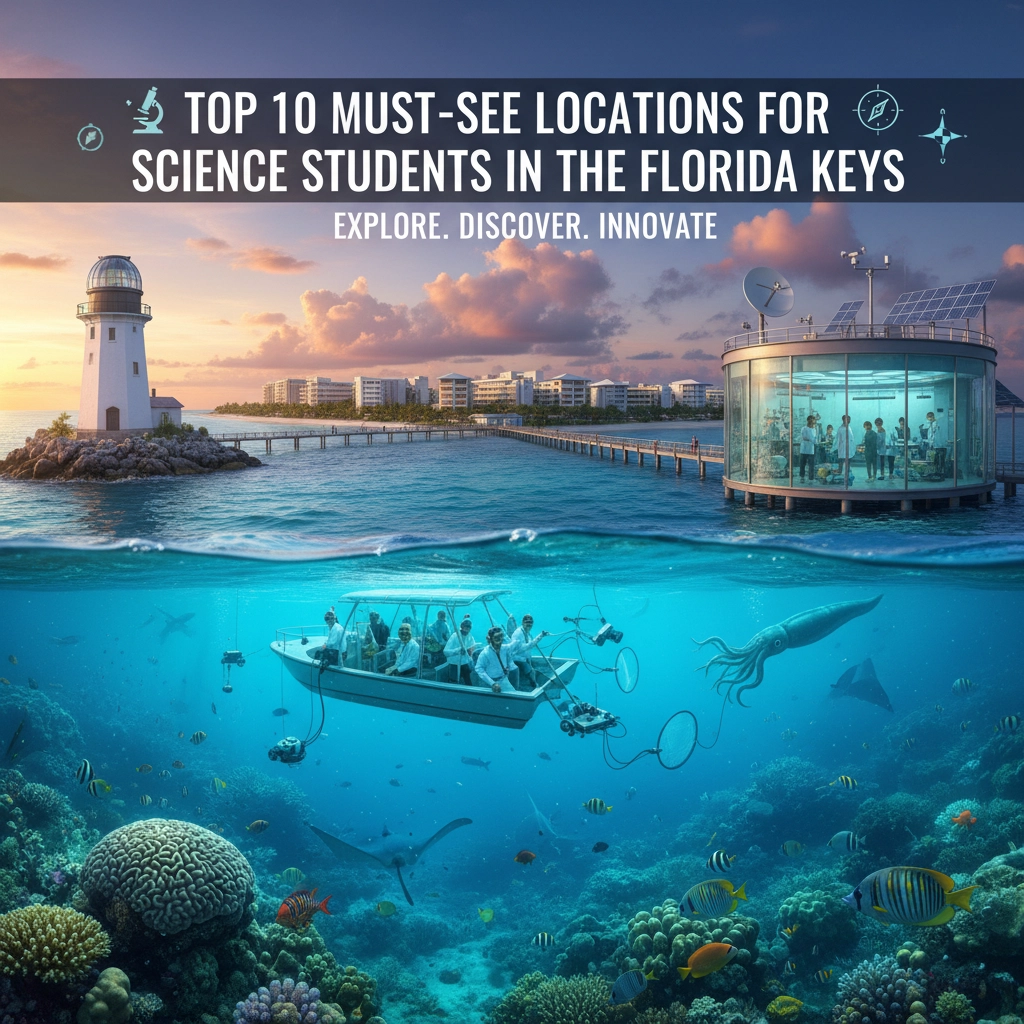
Top 10 Must-See Locations for Science Students in the Florida Keys
Ensuring your students experience the most comprehensive marine science education possible requires careful selection of learning environments that maximize both safety and educational impact. The Florida Keys represents one of North America's most exceptional living laboratories, where three distinct ecosystems: coral reefs, seagrass beds, and mangrove forests: converge to create unparalleled opportunities for hands-on scientific discovery. Planning your educational expediti
Caleb Mullenix
Oct 27, 20256 min read
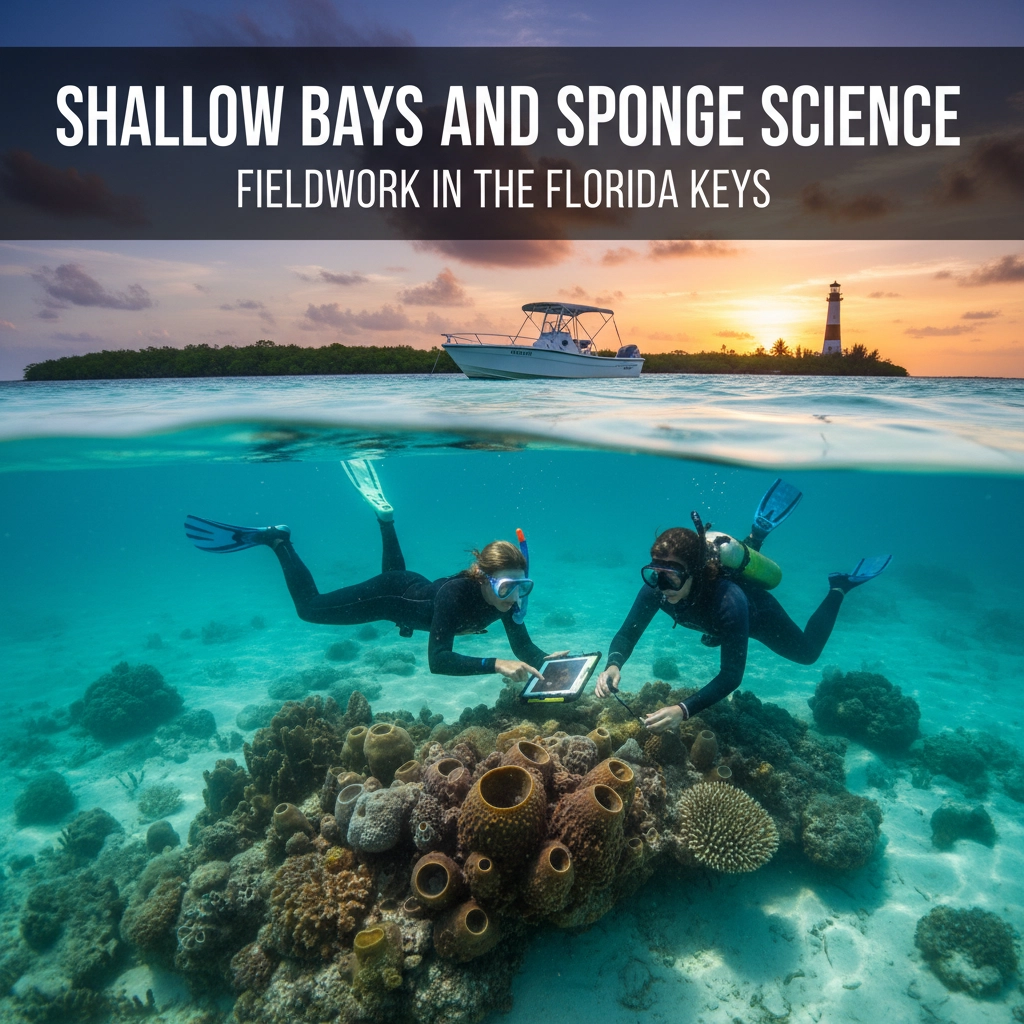
Shallow Bays and Sponge Science: Fieldwork in the Florida Keys
Transforming your students into marine biologists begins with understanding one of the ocean's most underappreciated yet essential organisms: sponges. The shallow bays of the Florida Keys provide an unparalleled living laboratory where students can conduct authentic scientific research while discovering the intricate connections between sponge communities, coral reefs, seagrass beds, and mangrove ecosystems. Ensuring your students engage with real scientific research: not jus
Caleb Mullenix
Oct 27, 20256 min read
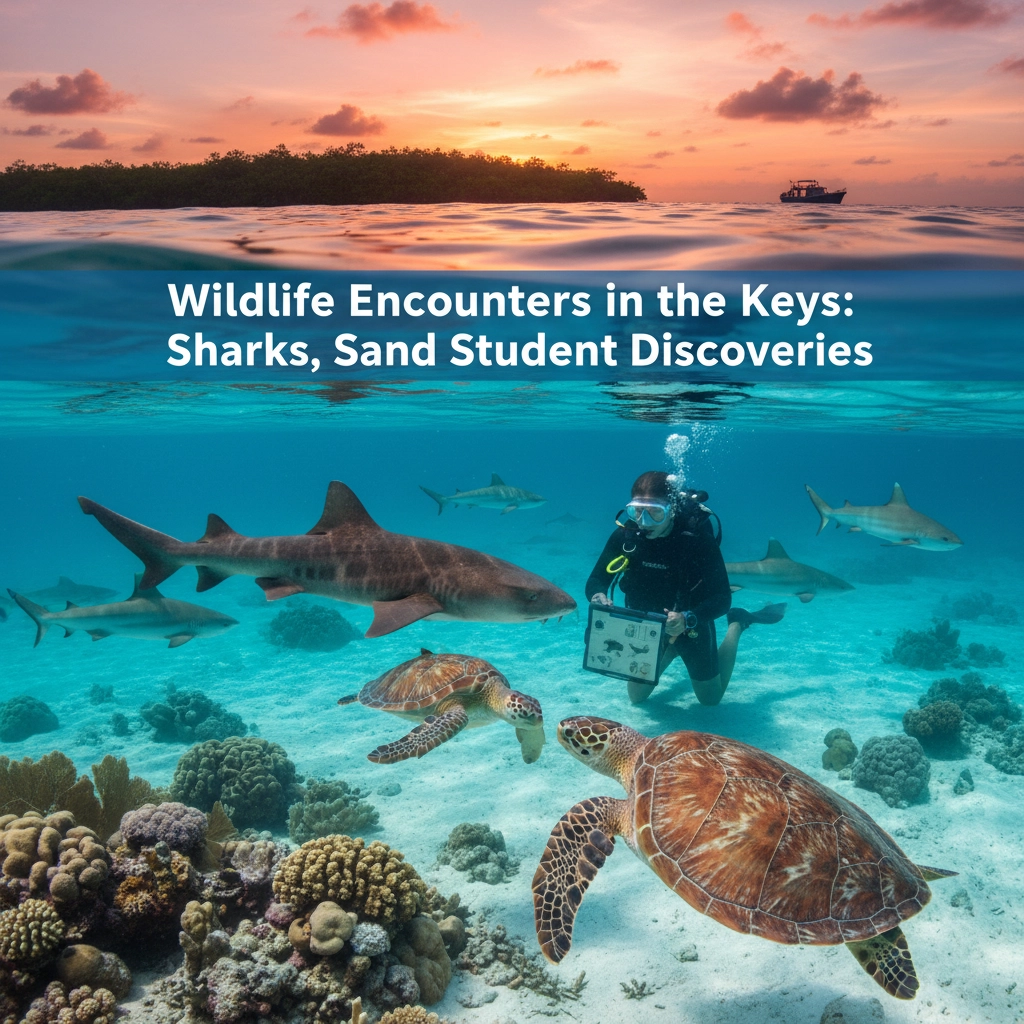
Wildlife Encounters in the Keys: Sharks, Sea Turtles, and Student Discoveries
The Florida Keys represent one of North America's most accessible marine laboratories, offering students unparalleled opportunities to observe and study wildlife interactions in interconnected tropical habitats. For educators seeking to transform classroom marine science concepts into hands-on discoveries, the Keys provide a living classroom where coral reefs, seagrass beds, and mangrove ecosystems support an extraordinary diversity of marine life. Understanding the Keys' In
Caleb Mullenix
Oct 27, 20255 min read
bottom of page