


The Ultimate Guide to Science and Language School Trips Peru and Amazon Rainforest Student Trips: Everything You Need to Succeed
- Caleb Mullenix
- Apr 2
- 5 min read

Organizing an international expedition requires a meticulous approach to planning, curriculum integration, and risk management. For educators seeking to provide a truly transformative experience, Peru offers an unparalleled landscape where STEM disciplines and linguistic immersion converge. This guide serves as a comprehensive framework for teachers to design and execute science and language school trips Peru programs and Amazon rainforest student trips that maximize academic rigor and student safety.
Ensuring the educational value of an international trip involves more than just selecting a destination; it requires a strategic alignment of travel activities with national curriculum standards. Peru’s unique geography, ranging from the hyper-biodiverse Amazon basin to the high-altitude Andean peaks, provides a living laboratory for earth science, biology, and environmental studies, all while offering an immersive environment for Spanish language acquisition.
1. Establishing Academic Objectives for Science and Language Integration
The most effective science and language school trips Peru educators plan are those that treat these two disciplines as interconnected rather than separate tracks. By integrating STEM concepts with language learning, students develop cognitive flexibility and a more profound understanding of global environmental challenges. This is especially true for Amazon rainforest student trips, where field science and Spanish immersion can reinforce one another in immediate, practical ways.
Science Learning Outcomes:
Biodiversity Studies: Students should conduct field research in the Amazon rainforest, focusing on the adaptation strategies of flora and fauna in varzea forests.
Geological and Earth Sciences: Use the Andean mountain range to study tectonic activity, soil composition, and the impact of glaciation on water resources.
Hypothesis and Data Collection: Engage students in real-world data collection, such as water quality testing in the Urubamba River or biodiversity surveys in protected regions.
Language and Cultural Outcomes:
Linguistic Confidence: Move beyond the classroom by requiring students to use Spanish in practical environments, such as local markets, community service sites, and during homestay interactions.
Cultural Competency: Foster an understanding of how indigenous Quechua traditions and modern Peruvian culture influence environmental conservation practices.
2. Selecting the Ideal Environments for Field Study
To achieve a balanced curriculum, your itinerary must include diverse ecological zones. Each region in Peru offers specific opportunities for scientific inquiry and linguistic practice.
The Amazon Rainforest: The Biodiversity Hub
For science-focused expeditions, the Amazon is indispensable. Programs centered in the Yarapa River region allow students to participate in wildlife conservation courses and biodiversity surveys. For educators evaluating Amazon rainforest student trips, this region stands out as one of the most effective environments for immersive ecological fieldwork and language practice.
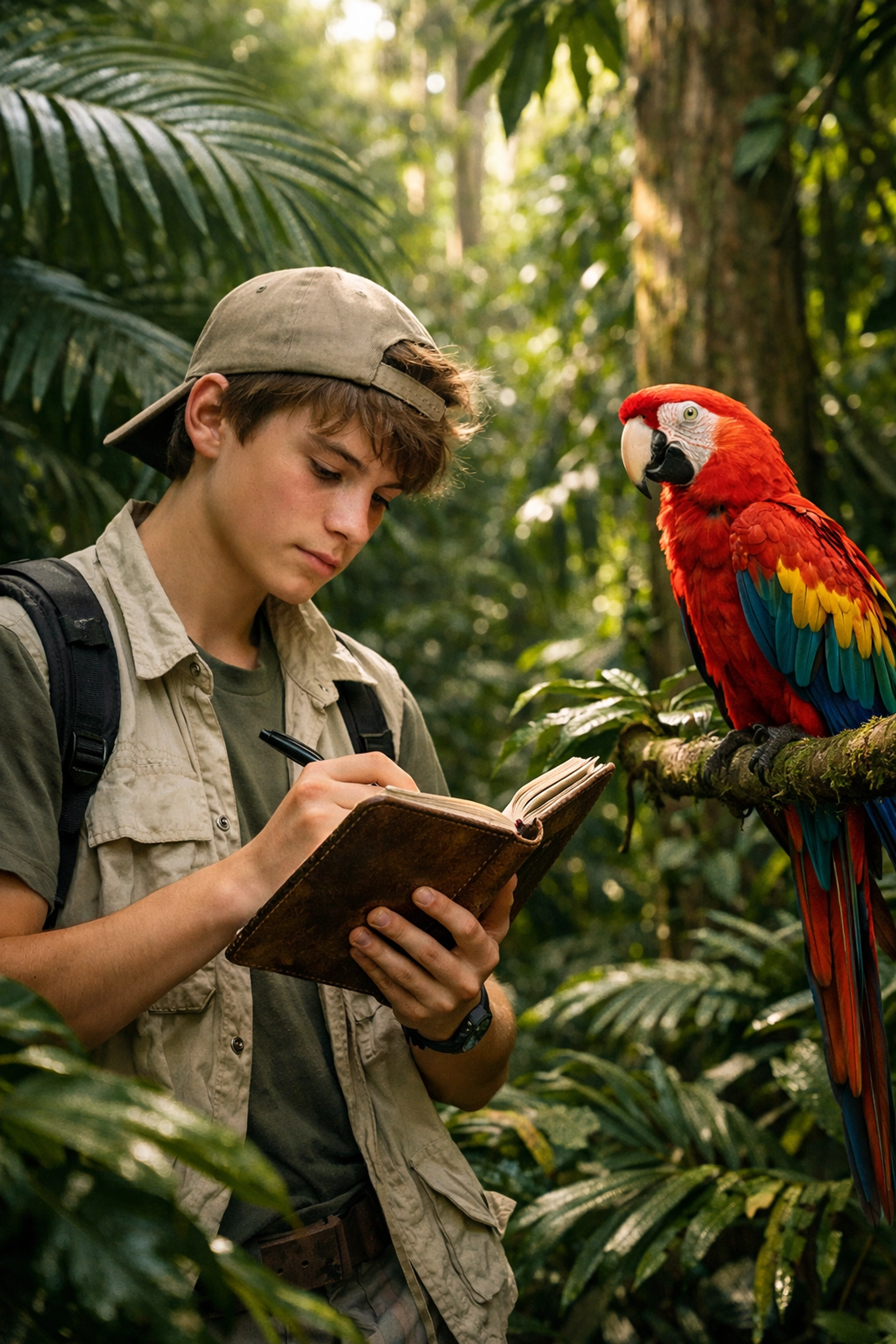
Actionable Step: Instruct students to maintain bilingual field journals. Observations of species should be recorded in Spanish, reinforcing scientific vocabulary in a natural context.
Focus Area: Explore rainforest ecology and the symbiotic relationships within the ecosystem. You may find relevant Earth science resources on our Earth Science and Wildlife page to help prepare your students for this transition.
The Andean Highlands: Geology and Archaeology
Cusco and the Sacred Valley provide a different scientific perspective. Here, the focus shifts to high-altitude biology and the engineering marvels of the Incan Empire.
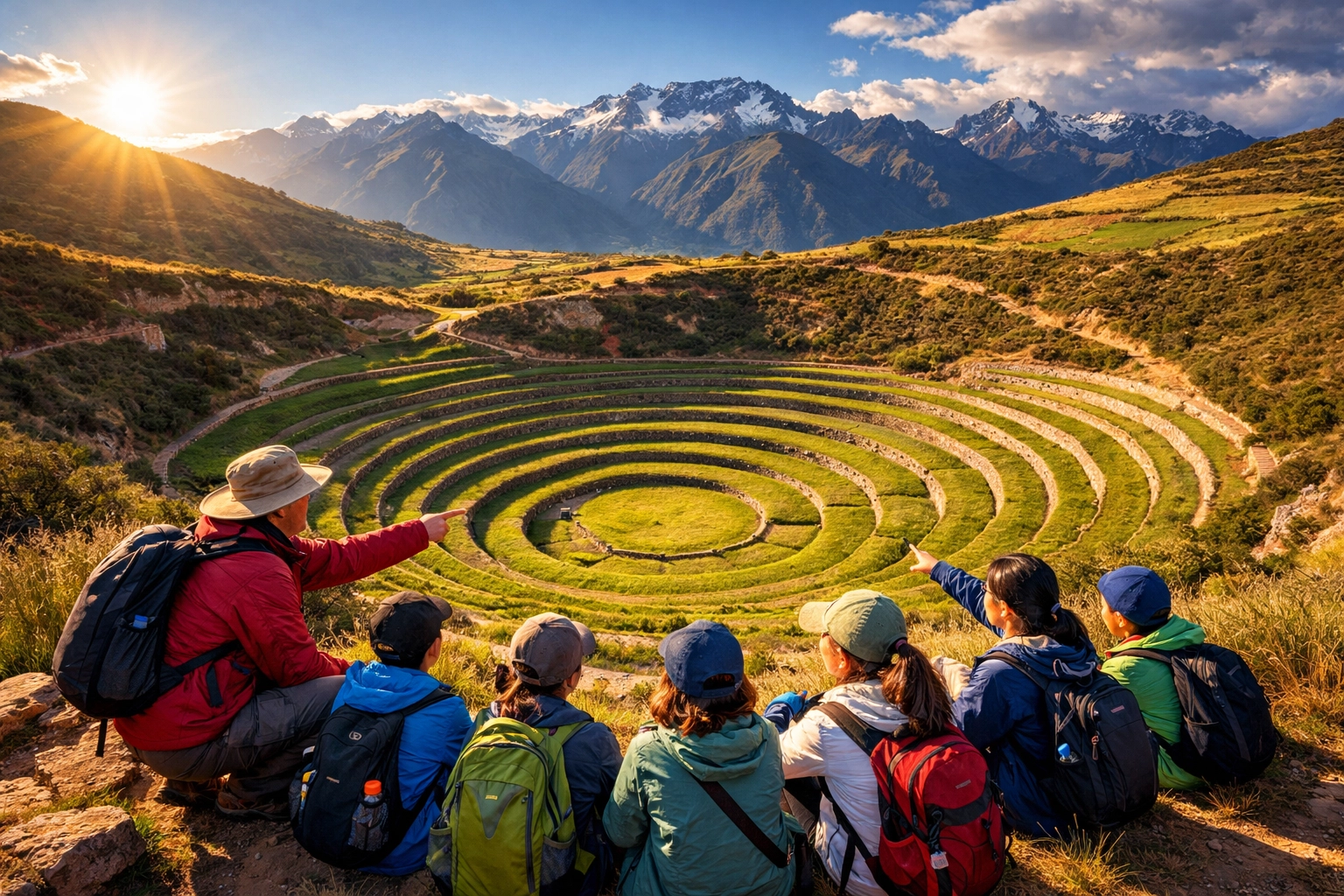
Scientific Inquiry: Analyze how Incan agricultural terraces (Andenes) represent an early understanding of microclimates and soil erosion management.
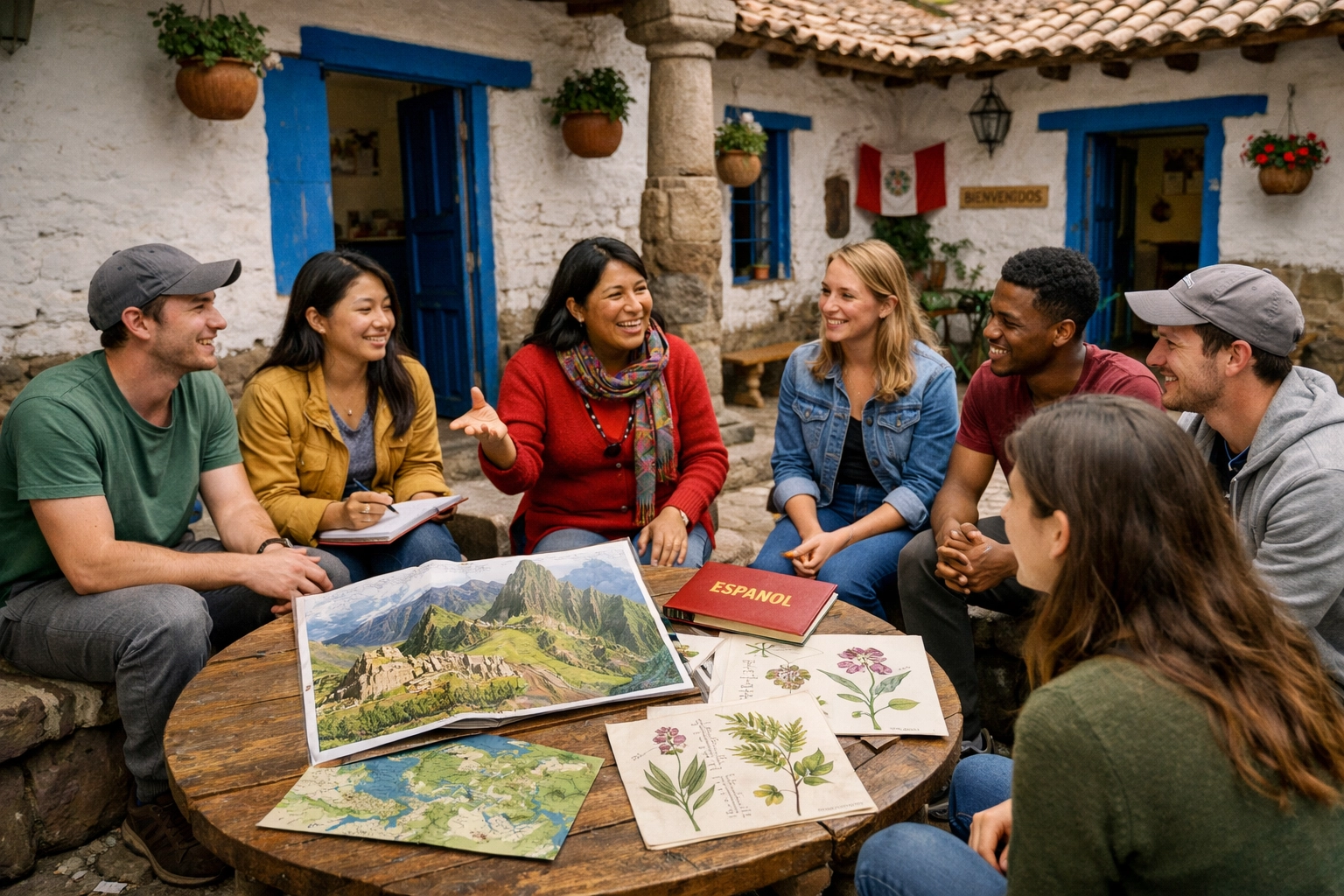
Language Immersion: Utilize the city of Cusco for intensive Spanish practice. Arrange for students to interview local artisans or farmers regarding their sustainable practices, ensuring all communication is conducted in the target language.
3. Designing a Structured Daily Itinerary
A successful expedition relies on a structured, logical progression of activities. A disorganized schedule leads to missed learning opportunities and potential safety oversights.
Morning: Academic Instruction. Begin the day with formal Spanish lessons or a scientific briefing. Establish the goals for the day’s field work.
Mid-Day: Active Field Research or Service Learning. Engage in hands-on projects, such as volunteering at a local health clinic or participating in a reforestation initiative.
Afternoon: Cultural Exploration. Visit historical sites like Machu Picchu or Sacsayhuaman. Use these visits to discuss the intersection of history, geology, and sociology.
Evening: Reflection and Reporting. Conduct peer review sessions where students present their daily findings in Spanish. This reinforces neural connections between the two subjects.
4. Safety, Supervision, and Meticulous Preparation
Managing a school group in a foreign country demands a risk-averse mindset and the implementation of formal procedures. Safety is the foundation upon which all learning is built.
Pre-Trip Preparation
Medical Clearances: Ensure all students and chaperones have updated vaccinations and a medical clearance for high-altitude travel.
Altitude Acclimatization: Address the risk of soroche (altitude sickness). Plan for at least 48 hours of low-impact activity upon arrival in Cusco before engaging in strenuous hikes.
Emergency Contingency Plans: Create a detailed document outlining the nearest medical facilities in each region of the trip. Distribute this to all staff and parents.
During the Trip
Constant Supervision: Maintain strict student-to-chaperone ratios. Emphasize the importance of the "buddy system" at all times, especially in crowded markets or dense jungle environments.
Communication Protocols: Equip all group leaders with local SIM cards or satellite communication devices if traveling to remote Amazonian research stations.
Hydration and Hygiene: Remind students constantly of the necessity of drinking bottled or filtered water and practicing rigorous hand hygiene to prevent gastrointestinal issues.
5. Integrating Service Learning for Global Citizenship
Service learning is a critical component of science and language school trips Peru programs. It provides a platform for students to apply their scientific knowledge to solve community problems while using their language skills to build relationships. It also strengthens Amazon rainforest student trips by connecting environmental study with meaningful community engagement.
Environmental Projects: Partner with local organizations to work on clean water initiatives or sustainable farming. This allows students to see the practical application of their STEM studies.
Educational Outreach: Facilitate sessions where your students teach basic science concepts to local Peruvian children, utilizing Spanish to communicate. This dual-purpose activity reinforces their own understanding while providing a valuable service to the host community.
6. Post-Trip Assessment and Curriculum Integration
The learning should not end when the flight lands. To maximize learning retention, integrate the Peru experience back into the classroom curriculum for the remainder of the school year.
Bilingual Presentations: Require students to produce a final report or presentation in Spanish detailing their scientific findings.
Data Analysis: Use the data collected during the trip, such as species counts or soil pH levels, in math and statistics classes.
Reflection Papers: Encourage students to write about how their perspective on global biodiversity and cultural diversity has shifted.
7. Partnering for Success
Planning a trip of this magnitude is a significant undertaking for any educator. Partnering with an organization that understands the delicate balance between education and adventure is essential. Appleseed Expeditions specializes in creating these interdisciplinary pathways, ensuring that every logistics detail is handled with professional precision.
If you are considering a multi-destination approach or looking for similar high-impact science programs, you might also explore our Monterey Bay or Grand Canyon programs for future domestic academic travel.
Final Reaffirmation of Objectives
Successfully executing science and language school trips Peru educators can trust requires a commitment to safety, a dedication to academic rigor, and a meticulous approach to planning. By following this structured guide, you are not merely planning a vacation; you are orchestrating a pivotal educational milestone that will define your students’ academic careers. When designed thoughtfully, Amazon rainforest student trips can serve as a powerful centerpiece within that broader Peru educational experience.
Emphasize preparation, maintain vigilance, and prioritize the integration of STEM and language at every turn. For further assistance in tailoring an itinerary that meets your specific curriculum standards, we invite you to contact our educational travel experts. Additionally, if you know other educators who would benefit from these high-standard expeditions, please visit our referral page.
Your students are ready for the world; ensure you are ready to lead them there safely and purposefully.
Comments