


10 Reasons Your Service Learning Peru for High School Students Isn’t Making an Impact (And How to Fix It)
- Caleb Mullenix
- Apr 2
- 6 min read

Organizing a service learning trip to Peru is a monumental undertaking for any educator. The goal is rarely just "travel"; it is to foster a sense of global citizenship, provide tangible aid to communities in need, and offer students a transformative educational experience. However, many programs fall into the trap of "voluntourism," where the impact on the local community is negligible and the educational growth for the student is superficial.
To ensure your service learning Peru for high school students creates lasting change, you must move beyond the standard tourist itinerary and adopt a meticulous, curriculum-driven approach. Below are ten common reasons these programs fail to make an impact and the professional strategies required to fix them.
1. Prioritizing "The Photo Op" Over Real Community Need
Many service programs focus on high-visibility tasks: like painting a wall or playing soccer with local children: that look excellent in a brochure but do little to address the systemic challenges of the region. If the project is not requested by the community, it is not service; it is an imposition.
How to Fix It:
Conduct a Needs Assessment: Before departure, ensure the project is part of a long-term development plan coordinated by local leaders.
Focus on Sustainability: Choose projects that have a "hand-over" phase, ensuring the community can maintain the progress after your students leave.
Consult Experts: Work with organizations like Appleseed Expeditions that maintain year-round relationships with Peruvian NGOs and community councils.
2. Lack of Pre-Departure Cultural and Historical Context
Sending students into the Sacred Valley or the Amazon without a deep understanding of Incan history, the impact of colonialism, and modern Peruvian socio-economics leads to a "savior complex." Without context, students view the local population through a lens of pity rather than partnership.
How to Fix It:
Implement a Mandatory Pre-Trip Curriculum: Require students to complete readings or modules on Peruvian history and current events.
Study the Language: Even basic Quechua or Spanish phrases can bridge the gap between "us and them."
Utilize Professional Resources: Review the teacher's guide to cultural immersion in Peru to align your program with academic standards.
3. Over-Reliance on Classroom Learning in the Field
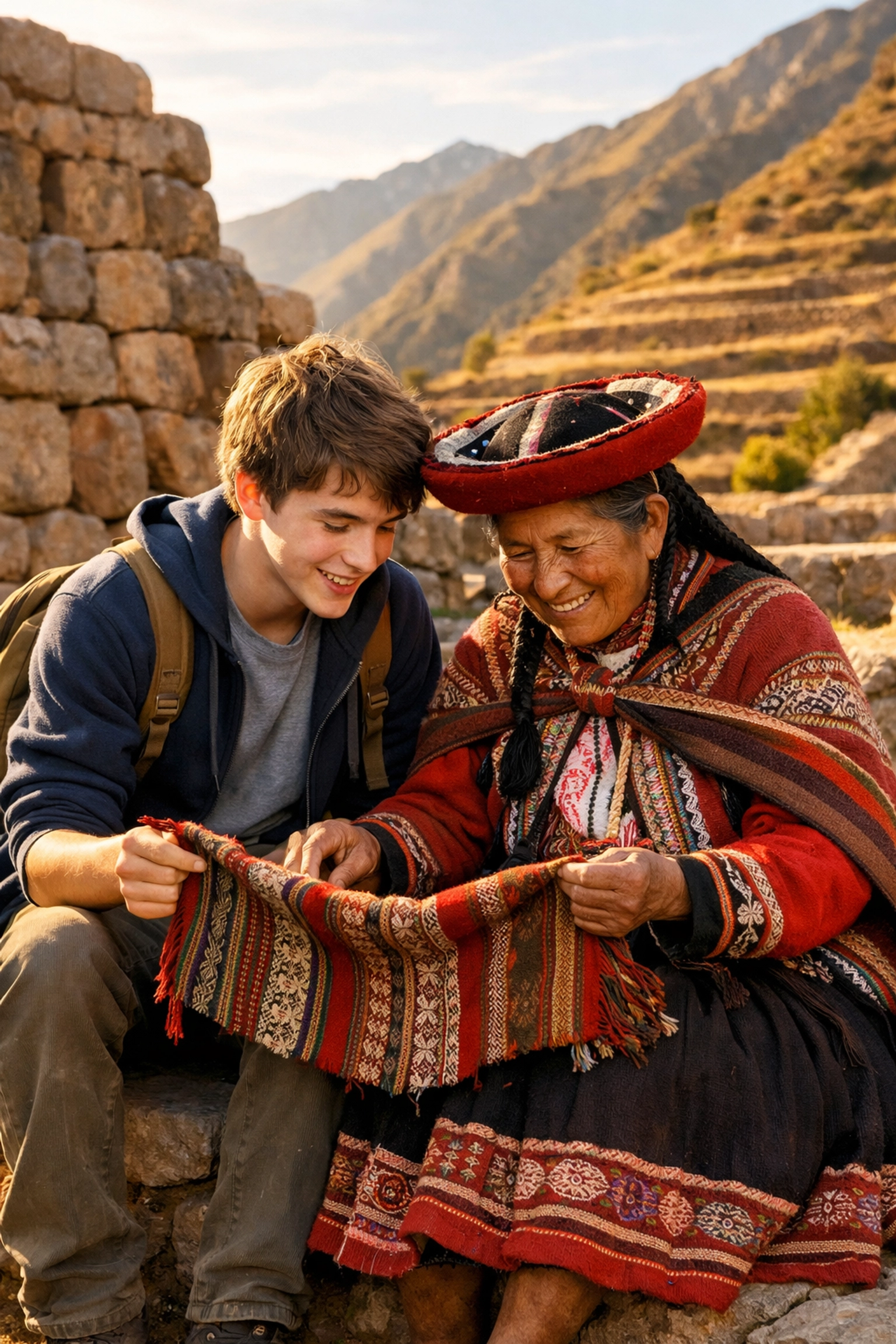
Research indicates that for high school students, the most intense learning occurs through direct interaction in rural settings, not through lectures delivered in a hotel conference room. If your trip spends more time in a "classroom" than in the village, you are missing the primary impact opportunity.
How to Fix It:
Prioritize Fieldwork: Shift the focus from "learning about" to "learning with."
Village-Based Immersion: Spend significant time in rural Andean or Amazonian villages where students must navigate real-world challenges.
Integrate Field Research: For those focused on biology or environmental science, consider how to turn a Peru trip into real field research rather than just sightseeing.
4. Neglecting Technical and Scientific Application
Service learning is often relegated to "humanities," but some of the most impactful service in Peru involves engineering, environmental science, and public health. When students perform technical tasks with limited resources, they are forced to revisit fundamental concepts and understand design functions more deeply.
How to Fix It:
Incorporate STEM Projects: Design service tasks around water filtration, sustainable agriculture, or reforestation.
Challenge Design Thinking: Ask students to troubleshoot project issues using only the tools available on-site.
Explore Specialized Tracks: Look into Peru STEM adventures to see how science can be the driving force of your service mission.
5. Failing to Facilitate Structured Reflection
A student can build a greenhouse in the Andes and return home with no internal change if they are not forced to reflect on the experience. Reflection is the bridge between an activity and an educational outcome.
How to Fix It:
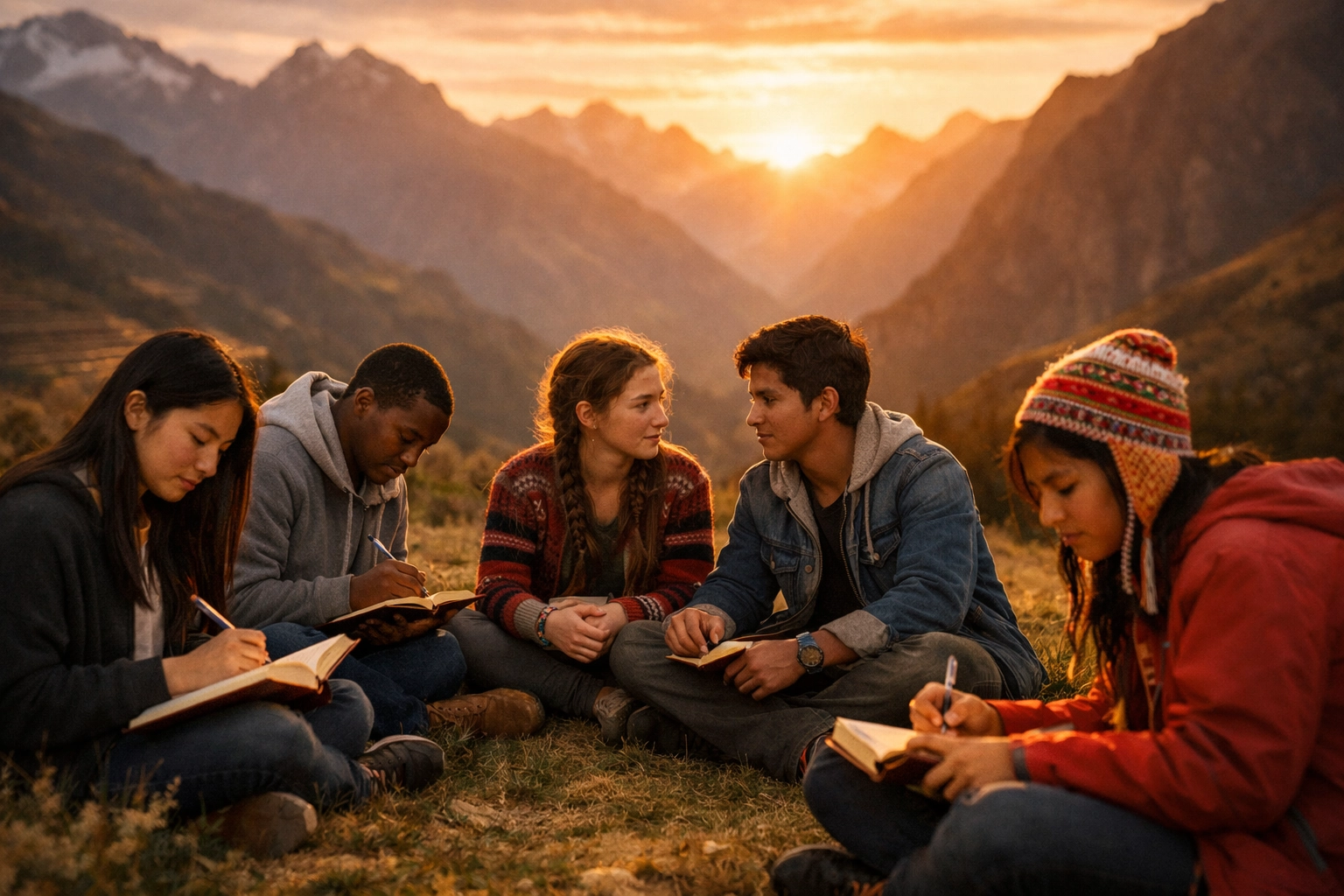
Daily Journaling: Provide prompts that move beyond "what we did today" to "how this challenged my assumptions."
Evening Socratic Seminars: Lead guided discussions that connect the day's service to global issues like climate change or economic inequality.
Post-Trip Projects: Ensure the learning continues by requiring a presentation or project upon return to the classroom.
6. Underestimating the Importance of "Soft Skills"
While the physical labor of service is important, the development of communication, relationship building, and networking is often the more significant long-term benefit for high schoolers. If the program is too rigid, these organic learning moments are lost.
How to Fix It:
Create Community Interaction Time: Schedule "unstructured" time for students to interact with local peers.
Assign Leadership Roles: Rotate "student leaders of the day" who are responsible for coordinating with local site foremen.
Emphasize Adaptability: View logistical shifts as "teachable moments" rather than inconveniences.
7. Treating the Trip as a "One-Off" Event
Impactful service learning is a process, not a destination. If the trip is treated as an isolated event with no lead-up and no follow-through, the "impact" on the student will fade within weeks of returning. The strongest student service learning trips Peru programs are designed as part of a broader educational commitment, not a single standalone experience.
How to Fix It:
Year-Long Engagement: Connect the trip to a school-year club or specific course.
Support Long-Term Partners: Encourage students to continue fundraising for or communicating with the Peruvian community they visited.
Build a Legacy: Aim to return to the same community for several years to see the long-term results of your students' work.
8. Inadequate Risk Management and Safety Planning
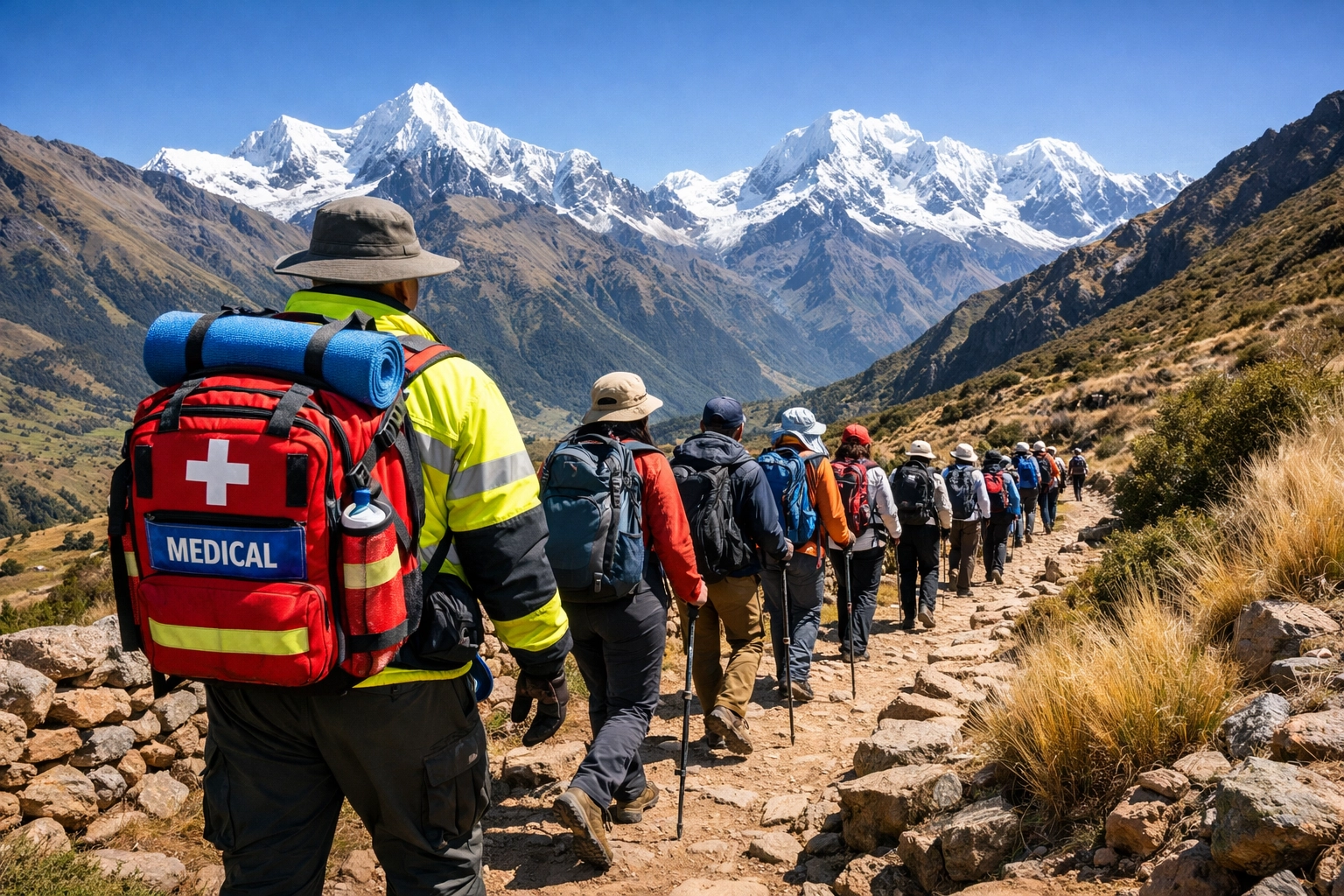
Nothing halts an educational mission faster than a safety crisis. In Peru, challenges include high altitude, remote locations, and varying hygiene standards. If a teacher is constantly stressed about logistics, they cannot focus on the educational impact.
How to Fix It:
Develop a Comprehensive Safety Plan: This must include emergency evacuation procedures, proximity to medical facilities, and strict food/water protocols.
Altitude Acclimatization: Plan your itinerary to start at lower elevations (like the Sacred Valley) before ascending to Cusco or trekking to Machu Picchu.
Expert Chaperonage: Ensure you have experienced guides who are trained in Wilderness First Aid and understand the local terrain.
9. Overlooking the "Service" in Service Learning
Sometimes, the "learning" (sightseeing at Machu Picchu) completely overshadows the "service." While cultural icons are important, they should serve as the context for the service, not the primary reason for the trip. This distinction is especially important when designing high school service trips abroad that aim to create measurable community benefit and meaningful student growth.
How to Fix It:
Balance the Itinerary: For every day of "sightseeing," schedule at least two days of intensive service.
Frame Sightseeing Educationally: When visiting Machu Picchu, focus on Incan engineering and agricultural techniques that inform modern sustainable practices in the region.
Maintain the Mission: Remind students daily that they are guests and contributors, not just consumers of culture.
10. Ignoring the Impact on the Local Environment
Peru is home to some of the most biodiverse and fragile ecosystems on Earth. If your service project or travel habits negatively impact the environment (e.g., excessive plastic waste, disturbing wildlife), you are doing a disservice to the country.
How to Fix It:
Adopt "Leave No Trace" Principles: Apply these not just to hiking, but to all aspects of the trip.
Support Eco-Friendly Providers: Partner with organizations that prioritize sustainability, similar to the eco-friendly living models found in Costa Rica.
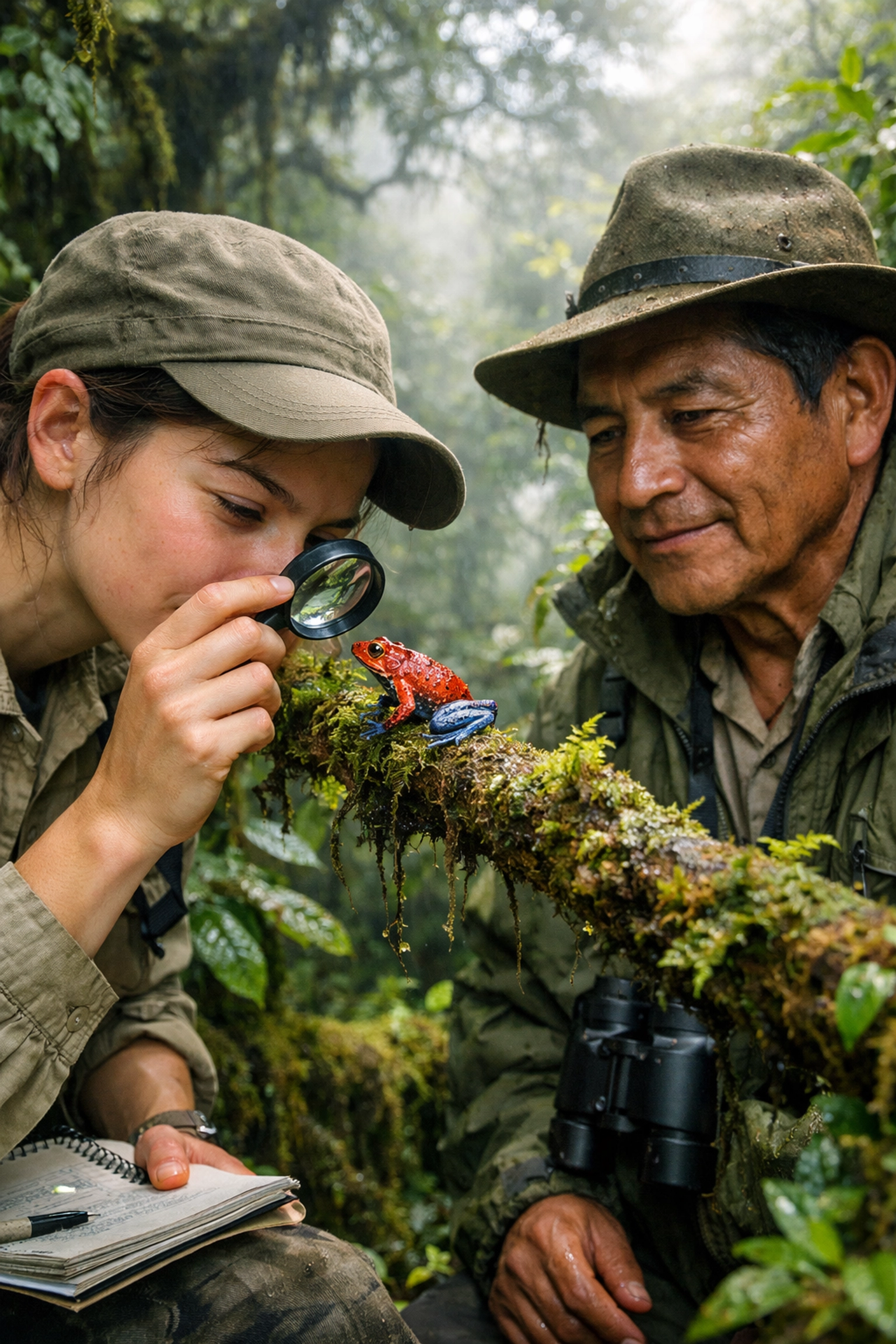
Educate on Biodiversity: Ensure students understand the ecological importance of the regions they inhabit, particularly if traveling near the Amazon or the high-altitude cloud forests.
Establishing a Path Forward
Creating a high-impact service learning Peru for high school students program requires moving from a mindset of "travel" to a mindset of "intentional expedition." By focusing on authentic community needs, rigorous academic integration, and meticulous safety preparation, you can transform a standard school trip into a life-defining educational milestone.
The goal is to produce students who are not only more knowledgeable about the world but who are also equipped with the technical skills and emotional intelligence to act as responsible global citizens. Preparation is the key to this transformation. Ensure every hour spent in Peru is accounted for in your educational objectives, and prioritize the safety and dignity of the local community above all else.
By adhering to these standards, you ensure that the impact of your journey is measured not in the number of photos taken, but in the sustainable change left behind in Peru and the lasting growth found within your students.
Comments