


The Teacher's Guide to Cultural Immersion in Peru: How to Design a Program That Proves Academic Value

Designing a cultural immersion Peru for students program that delivers measurable academic outcomes requires careful planning, structured instruction, and authentic community engagement. Educational travel to Peru offers unprecedented opportunities for language acquisition, cultural competency development, and interdisciplinary learning: but only when programs are intentionally designed to prove their academic value to administrators, parents, and accreditation bodies.
This guide provides step-by-step instructions for creating science and language school trips Peru that produce documented learning outcomes and transformative student experiences.
Establish Clear Academic Learning Objectives
Begin by identifying specific, measurable learning objectives that align with your curriculum standards. Cultural immersion programs must demonstrate clear academic value beyond tourism.
Define language proficiency goals using established frameworks such as ACTFL proficiency guidelines or the Common European Framework of Reference (CEFR). Specify the language level students should achieve by program completion: whether novice-mid, intermediate-low, or another benchmark appropriate to their current abilities.
Identify cultural competency outcomes that students will demonstrate, such as analyzing cultural differences in communication styles, evaluating historical contexts of Peruvian traditions, or synthesizing observations about social structures. These outcomes should connect directly to social studies, world languages, or global studies curriculum requirements.
Integrate interdisciplinary learning goals that connect to science, history, art, and literature coursework. Peru's rich archaeological heritage, diverse ecosystems, and indigenous knowledge systems provide exceptional opportunities for cross-curricular engagement that strengthens the academic justification for student travel.
Structure Intensive Language Instruction
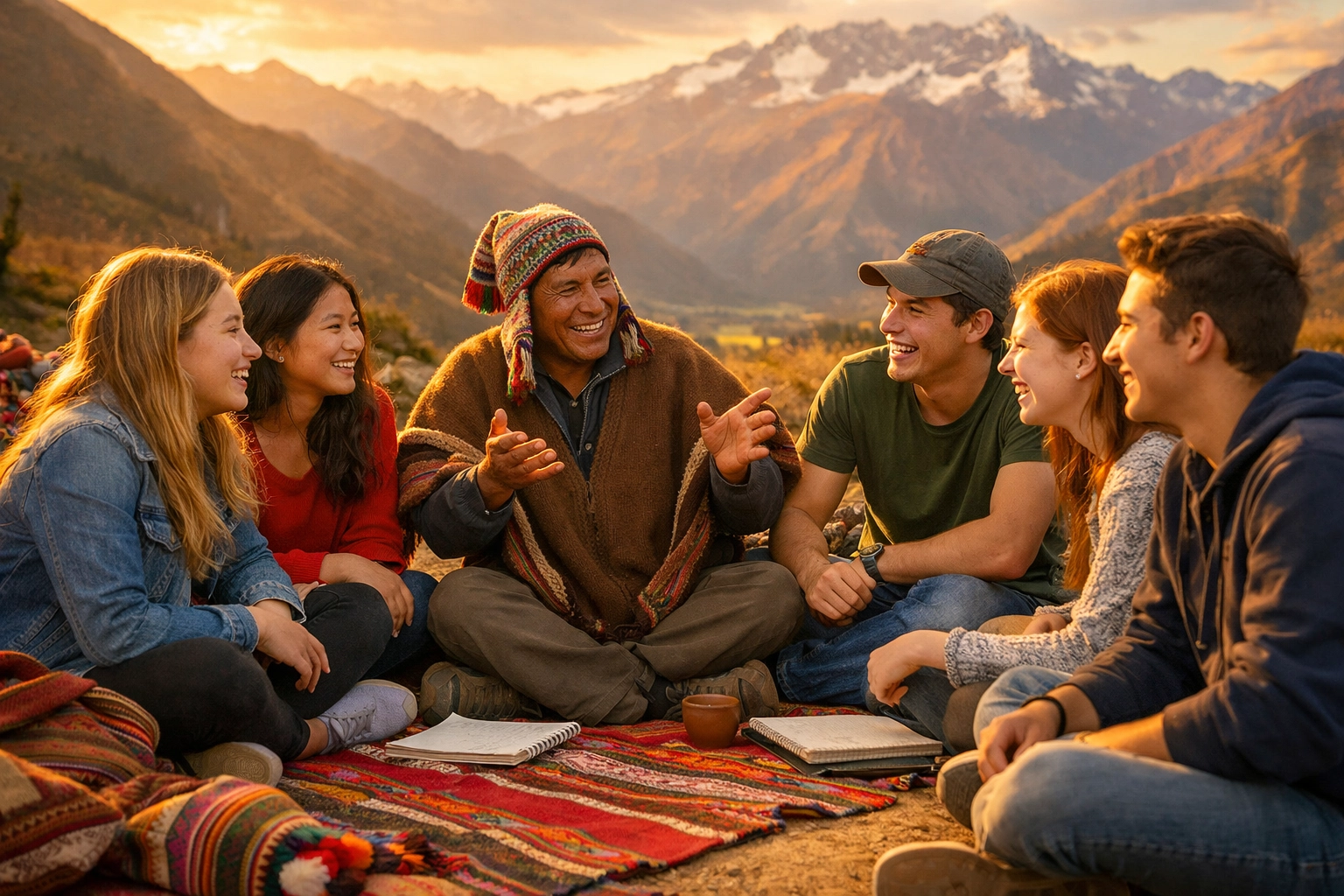
Effective language acquisition requires structured daily instruction combined with authentic practice opportunities. Schedule a minimum of four hours of Spanish instruction daily in small group settings, with no more than four students per instructor to ensure individualized attention and maximize speaking practice.
Ensure all language instructors are qualified native Spanish speakers with formal training in language pedagogy and cultural instruction. Request documentation of instructor credentials, teaching experience with adolescent learners, and familiarity with educational travel contexts.
Organize students into proficiency-based groups rather than age-based cohorts. Mixed-level classes dilute instruction effectiveness and prevent students from progressing at appropriate paces. Conduct pre-trip language assessments to inform group placement decisions.
Design thematic curriculum units that integrate language instruction with planned cultural activities. When students visit historical sites, ensure preceding language lessons cover relevant vocabulary for architecture, historical periods, and cultural significance. When students participate in cooking classes, ensure they learn food preparation terminology, ingredient names, and conversational phrases for market interactions beforehand.
Arrange for students to receive official certificates upon program completion documenting course length, daily instruction hours, and achieved language proficiency level. These certificates provide tangible evidence of academic work completed and can support foreign language credit applications.
Implement Authentic Cultural Immersion Activities
Academic value emerges when students apply classroom language instruction in real-world contexts that require genuine communication and cultural navigation.
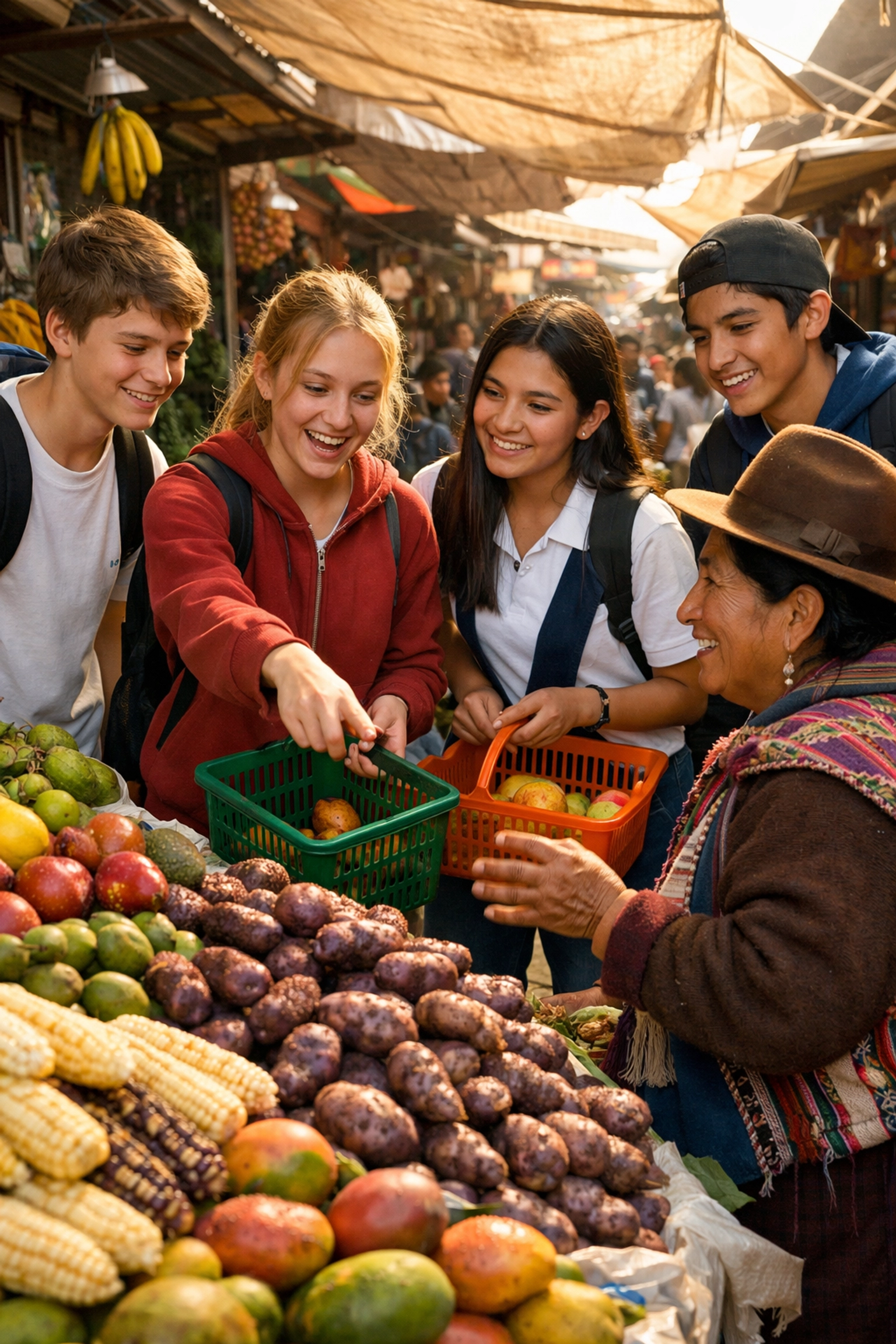
Market Interactions and Economic Exchange Structure supervised visits to local markets where students must communicate entirely in Spanish to purchase ingredients for cooking classes. Provide students with specific purchasing goals, budgets in Peruvian soles, and vocabulary lists for negotiation phrases. Debrief afterwards to discuss cultural norms around bartering, pricing, and vendor-customer relationships.
Traditional Cooking Instruction Arrange cooking classes with local chefs where instruction occurs entirely in Spanish, requiring students to follow directions, ask clarifying questions, and discuss ingredient preparation techniques. Connect these experiences to discussions about agricultural practices, regional cuisine variations, and the role of food in cultural identity.
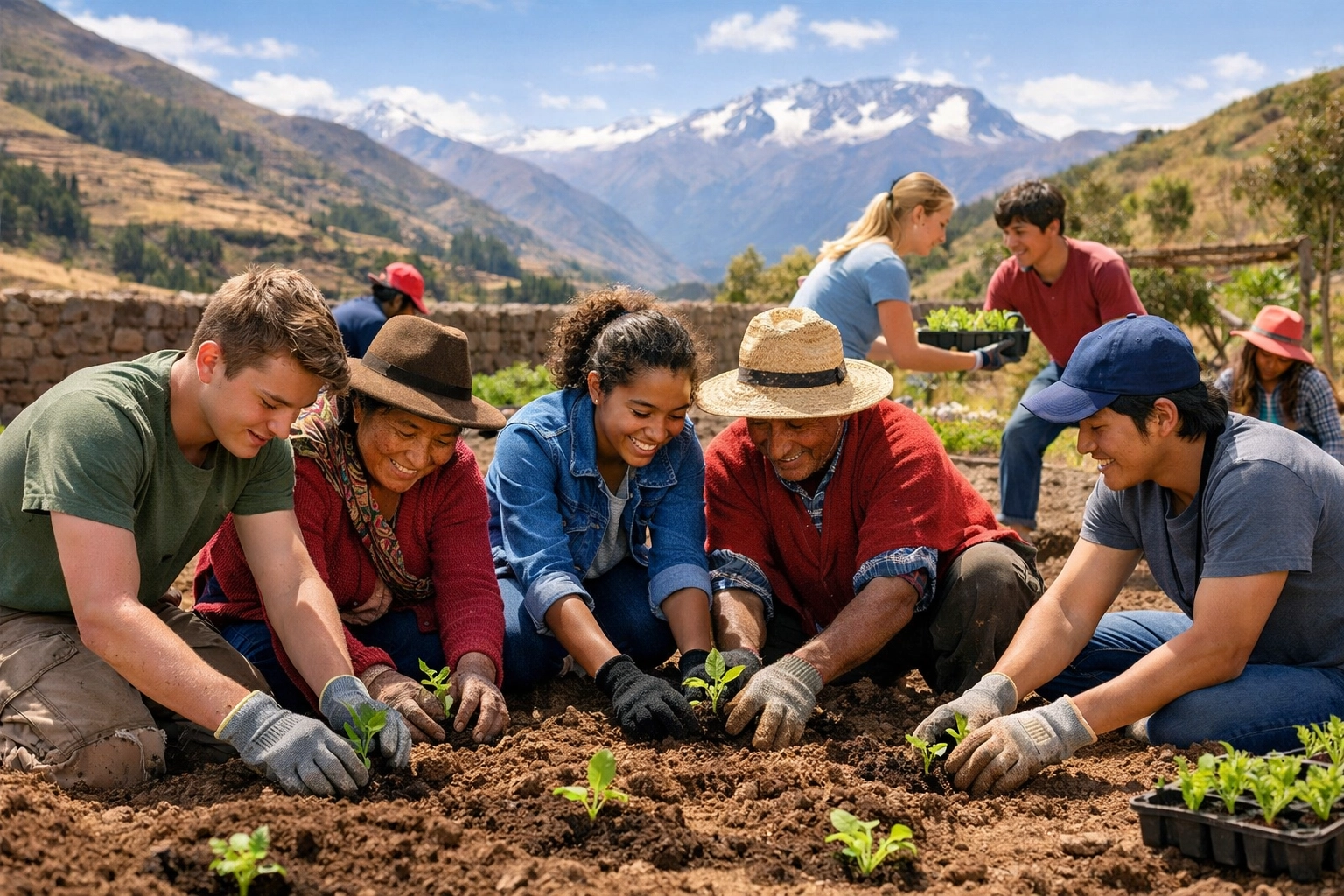
Service Learning Integration Partner with established community organizations to facilitate half-day service projects that combine Spanish practice with meaningful contribution. Projects might include school maintenance, garden cultivation, or educational support programs. Ensure students receive advance cultural briefings about appropriate behavior, communication expectations, and the community context for their service work.
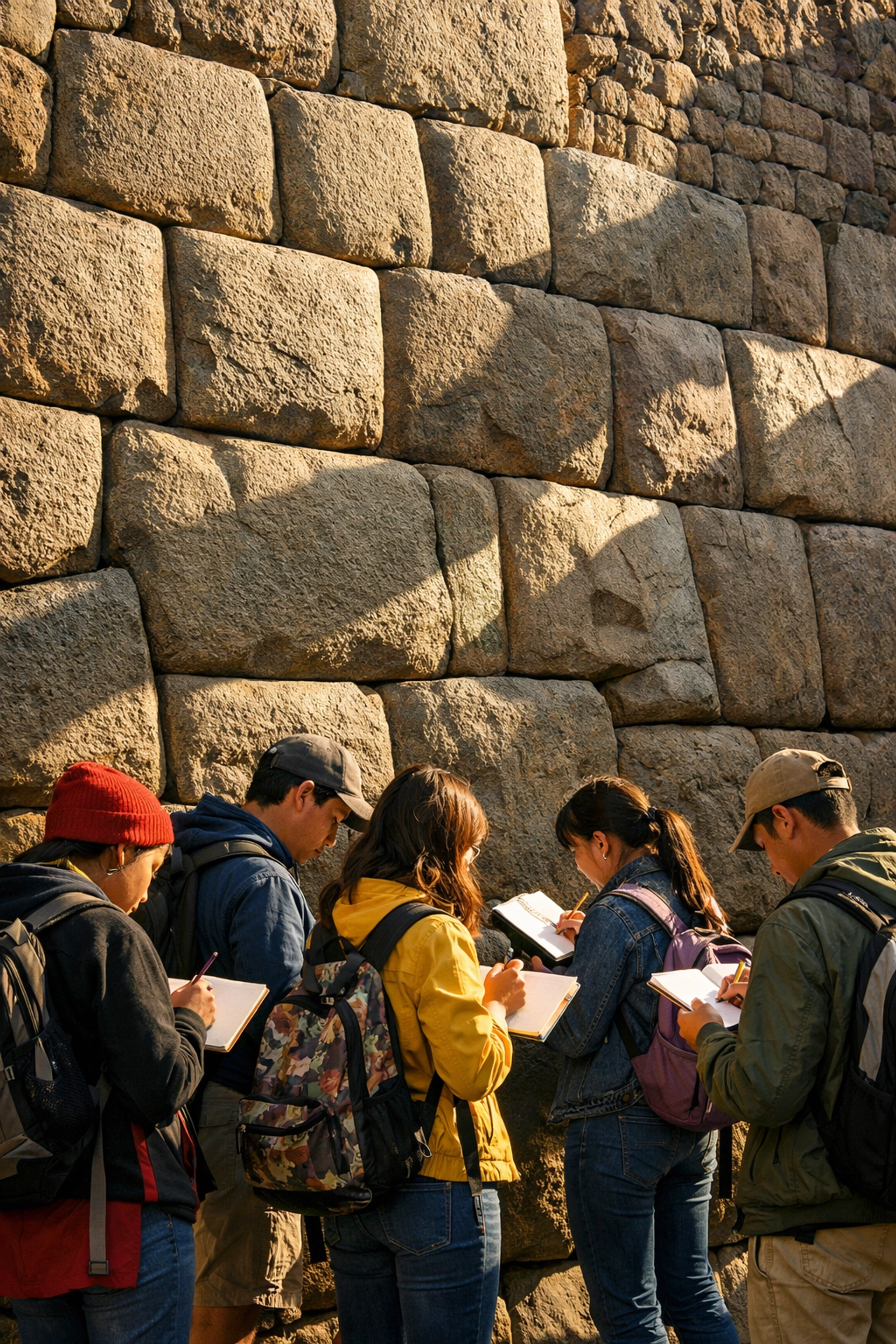
Guided Cultural Site Exploration Organize tours of historical and artistic sites: such as Lima's Barranco district, Cusco's colonial architecture, or archaeological sites: with Spanish-speaking guides. Require students to prepare research questions in advance, take notes in Spanish during tours, and present synthesis reflections afterward. Emphasize analysis of symbolism, historical context, and cultural preservation efforts.
Utilize Host Family Placements Strategically
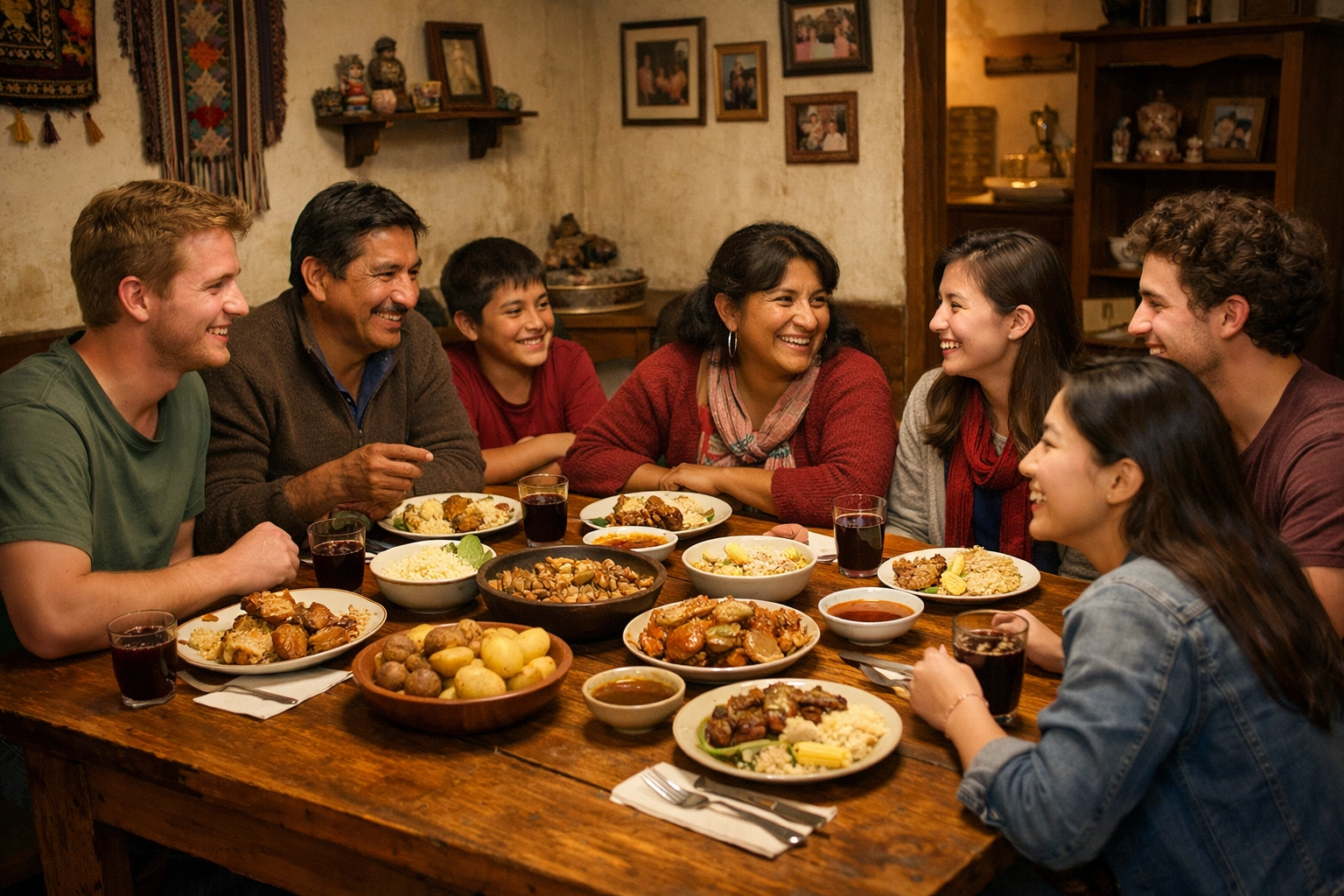
Host family accommodations provide continuous language exposure and cultural learning opportunities that extend far beyond structured program hours. Place students in pairs or small groups with local families who commit to Spanish-only communication and three daily meals together.
Establish clear expectations with host families regarding student supervision, safety protocols, and communication with program leaders. Provide families with emergency contact information, student dietary restrictions, and cultural background information to facilitate positive placements.
Prepare students thoroughly for host family experiences by discussing cultural differences in family structure, meal timing, household expectations, and appropriate conversation topics. Emphasize respect, flexibility, and openness to unfamiliar practices.
Schedule regular check-ins with students to assess host family placement success and address any concerns promptly. Have contingency plans in place for relocating students if necessary, while recognizing that minor discomfort is often part of valuable cultural learning.
Document and Assess Academic Outcomes
Proving academic value requires systematic documentation of learning throughout the program and measurable assessment of outcomes.
Pre- and Post-Trip Language Assessments Administer identical speaking, listening, reading, and writing assessments before departure and after program completion. Document proficiency gains using standardized rubrics. Research consistently demonstrates that immersive learning environments produce significant improvements in language fluency and comprehension compared to traditional classroom instruction alone.
Daily Reflection Journals Require students to maintain daily journals in Spanish documenting their observations, challenges, language use, and cultural insights. Provide specific reflection prompts that encourage analytical thinking about cultural differences, language acquisition strategies, and personal growth. Review journals regularly and provide feedback.
Cultural Competency Portfolios Have students compile portfolios containing photographs with analytical captions, interview transcripts with local community members, service learning reflections, and research papers on specific cultural topics encountered during the program. These portfolios provide concrete evidence of interdisciplinary learning and critical thinking development.
Presentation of Learning Upon return, require students to present their learning to school administrators, parents, and peers through formal presentations, cultural fairs, or multimedia projects. These presentations should explicitly connect trip experiences to curriculum standards and demonstrate measurable academic growth.
Address Safety and Risk Management
Ensuring student safety during cultural immersion Peru for students programs is paramount and directly impacts the program's academic effectiveness. Develop comprehensive risk management protocols before departure.
Conduct thorough research on current safety conditions in planned destinations. Register your group with relevant embassy programs and establish communication protocols with local emergency services. Share detailed itineraries with school administrators and parents, including accommodation addresses, daily activity schedules, and local contact information.
Require students and families to complete comprehensive health and emergency contact forms. Verify that all participants have appropriate travel insurance covering medical emergencies, evacuation, and trip interruption. Discuss altitude sickness prevention for trips to Cusco or other high-elevation destinations.
Establish clear behavioral expectations, supervision ratios, and buddy systems. Discuss cultural norms regarding appropriate dress, public behavior, and respectful interaction with community members. Emphasize that disrespectful behavior jeopardizes both safety and learning opportunities.
Select Appropriate Program Duration
Cultural immersion programs require sufficient time for meaningful language acquisition and cultural understanding to develop. Research indicates that programs shorter than one week provide insufficient immersion for measurable language gains.
Design programs of two to four weeks minimum to allow for initial cultural adjustment, progressive language skill development, and deepening community connections. Longer programs produce more substantial academic outcomes and justify the significant investment in educational travel.
Consider offering programs during school breaks or as credit-bearing courses during the academic year to minimize conflicts with regular coursework. Work with administration to establish mechanisms for granting academic credit based on documented learning outcomes.
Partner With Experienced Educational Travel Organizations
Educational travel to Peru requires extensive logistical coordination, cultural expertise, and safety infrastructure. Partner with organizations specializing in science and language school trips Peru that maintain established relationships with qualified instructors, vetted host families, and community organizations.
Verify that partner organizations carry appropriate liability insurance, maintain 24/7 emergency support, and employ staff with extensive experience leading student travel programs. Request references from other schools and detailed information about their safety protocols, instructor vetting processes, and curriculum design capabilities.
Communicate Academic Value to Stakeholders
Successfully implementing cultural immersion Peru for students requires buy-in from administrators, parents, and students themselves. Clearly articulate the academic value proposition from the outset.
Prepare detailed program proposals emphasizing alignment with curriculum standards, measurable learning objectives, and assessment methods. Highlight research documenting the academic benefits of cultural immersion for language acquisition, global competency development, and college readiness.
Share information about how program costs translate into educational value: daily instruction hours, qualified instructors, authentic cultural access, and documented learning outcomes. Compare the depth of learning possible through immersive student travel versus traditional classroom instruction alone.
Conclusion: Creating Transformative Academic Experiences
Designing cultural immersion programs in Peru that prove academic value requires intentional planning, structured instruction, authentic cultural engagement, and rigorous assessment. By establishing clear learning objectives, partnering with qualified instructors, facilitating genuine community interaction, and documenting measurable outcomes, you create transformative educational travel experiences that withstand scrutiny from administrators, parents, and accreditation bodies.
The result is student travel that transcends tourism: programs where language acquisition accelerates, cultural competency develops, and students gain perspectives that reshape their understanding of global citizenship. When designed with academic rigor and assessed with appropriate documentation, cultural immersion Peru for students represents some of the most powerful learning opportunities available to today's students.
Begin planning your program by identifying curriculum connections, establishing measurable learning objectives, and partnering with experienced educational travel organizations committed to academic excellence. The academic value of cultural immersion becomes undeniable when programs are designed with intention, executed with expertise, and assessed with rigor.

No seed phrases, no exchange transfers, no hidden fees. That's what you get with https://apps.apple.com/us/app/paybis-wallet-buy-bitcoin/id1584641245 . Verification took about two minutes, then buying Bitcoin with Apple Pay was instant. First purchase had zero fee. The built‑in wallet holds BTC, ETH, and USDC all in one place. Even has a live price tracker. If you've been avoiding crypto because it seemed too complicated, this app fixes that.
Learning doesn’t have to be boring. With creativity, interactivity, and the right visual storytelling, children can develop essential skills while having the time of their lives. Thanks to the partnership with VSQUAD Studio Art, read more, these ideas aren’t just dreams. They’re ready to become a colorful, dynamic world where every child can explore, learn, and grow.