


5 Steps to Plan Your 2026 Machu Picchu Student Trip (Easy Guide for First-Time Teachers)

Planning Peru educational trips for students requires meticulous organization, careful attention to logistics, and thorough preparation to ensure a safe, enriching, and transformative experience. Student travel to Peru Machu Picchu represents one of the most rewarding educational opportunities available, combining ancient history, archaeological wonder, cultural immersion, and high-altitude adventure. For first-time teachers organizing educational tours for teachers Peru, the process can feel overwhelming: but following a structured, step-by-step approach will ensure your 2026 expedition succeeds.
The importance of advance planning cannot be overstated. Machu Picchu operates under strict visitor limits, requires official government permits, and demands physical preparation due to high-altitude conditions. Begin your planning process at least 8-10 months before your intended departure date to secure the best options for your student group.
Step 1: Secure Entrance Tickets Immediately Through Official Channels
Book entrance tickets as your absolute first priority through the official Peruvian government website at www.machupicchu.gob.pe. The booking system opens approximately four months in advance, and tickets frequently sell out within days: sometimes hours: during peak travel seasons. For a 2026 spring or summer departure, mark your calendar and set reminders to access the system the moment booking opens.
Ensure every student in your group brings valid student identification documents. The Peruvian government offers substantial student discounts on entrance tickets, reducing costs from the standard rate to approximately $40 per student. Verify that all identification is current, officially issued by educational institutions, and includes photographs. International Student Identity Cards (ISIC) are universally accepted and highly recommended.
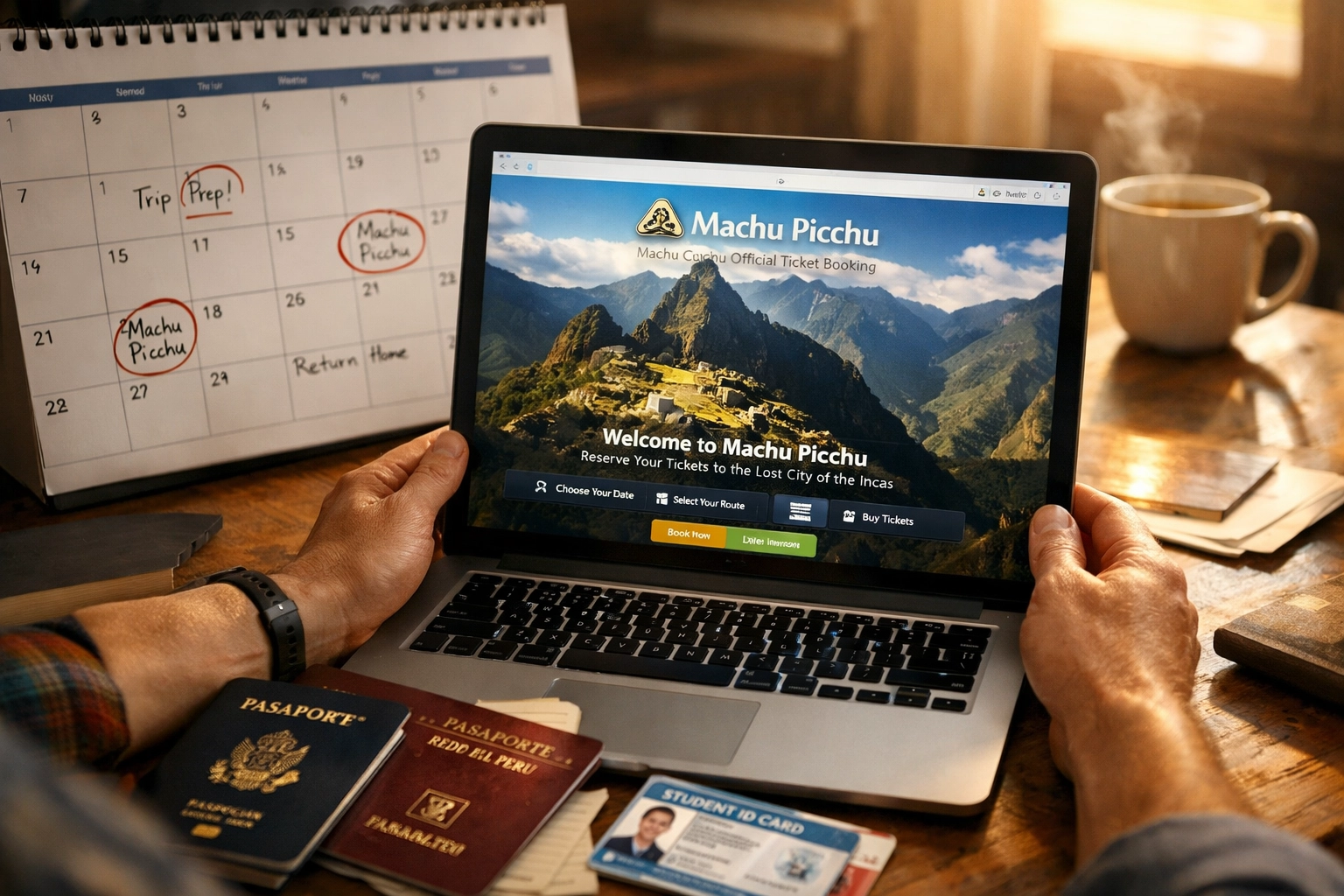
Create a detailed spreadsheet tracking all student names, passport numbers, and confirmation numbers once tickets are secured. This organizational tool proves immensely helpful during check-in procedures and resolves any discrepancies that may arise. Share this information with all chaperones and maintain both digital and physical copies throughout your journey.
Critical reminder: Tickets are non-transferable and non-refundable. Double-check all spelling of names and passport information before finalizing purchases. Even minor discrepancies between ticket names and passport names can result in denied entry.
Step 2: Design a Comprehensive 5-7 Day Itinerary with Built-In Acclimatization
Allocate a minimum of five days: ideally seven: for your complete Peru educational trip. This timeline allows adequate acclimatization to high altitude, reduces the risk of altitude sickness among students, and provides opportunities for broader cultural and educational experiences beyond Machu Picchu itself.
Structure your itinerary following this proven framework:
Days 1-2: Arrive in Lima, then connect immediately to Cusco (11,150 feet elevation). Schedule only light activities during these critical first 48 hours. Explore Cusco's historic Plaza de Armas, visit the Cathedral and Qorikancha (Temple of the Sun), and allow students to rest frequently. Emphasize hydration, discourage strenuous activity, and monitor all students for early symptoms of altitude sickness (headache, nausea, dizziness, fatigue).
Day 3: Conduct a full-day Sacred Valley excursion to lower elevation sites (approximately 9,000 feet). Visit Pisac archaeological site and traditional market, explore Ollantaytambo fortress, and study Incan agricultural terraces. This day serves dual purposes: providing rich educational content while maintaining acclimatization at a more comfortable altitude.
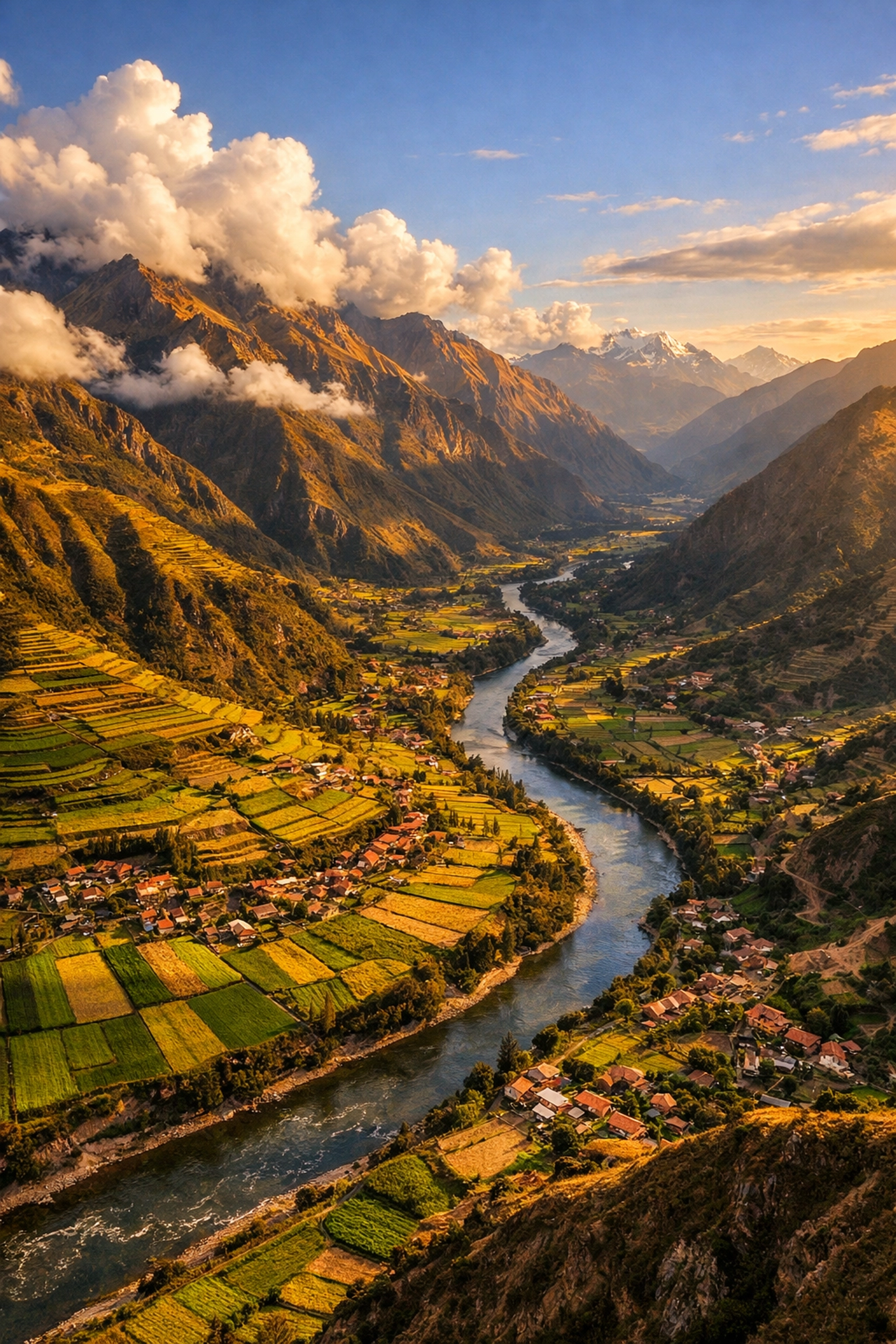
Day 4: Travel to Aguas Calientes (the town at Machu Picchu's base) via scenic train through the Urubamba River valley. This journey itself provides extraordinary educational value: discuss how geography, topography, and climate zones change dramatically over short distances in the Andes.
Day 5: Experience Machu Picchu. This represents the pinnacle of your educational journey.
Days 6-7: Return to Cusco for final cultural activities, reflection sessions, and departure preparation.
Share a detailed, hour-by-hour itinerary with students and parents at least one month before departure. Include meeting times, locations, expected activities, meal arrangements, and emergency contact information for every single day. This transparency builds trust and ensures everyone understands expectations.
Step 3: Select Circuit 2 (Classic Route) for Maximum Educational Value
Machu Picchu now operates under a circuit system that routes visitors through specific pathways. For first-time student groups, Circuit 2: officially designated the "Classic Route": delivers the most comprehensive educational experience without requiring additional mountain climbing or extreme physical exertion.
Circuit 2 provides access to approximately 70% of visitable areas over 2.5 to 3.5 hours, including:
Upper Agricultural Terraces with commanding overview perspectives
Temple of the Sun (one of Machu Picchu's most precisely constructed buildings)
Royal Palace complex and elite residential zones
Sacred Plaza containing the Temple of the Three Windows
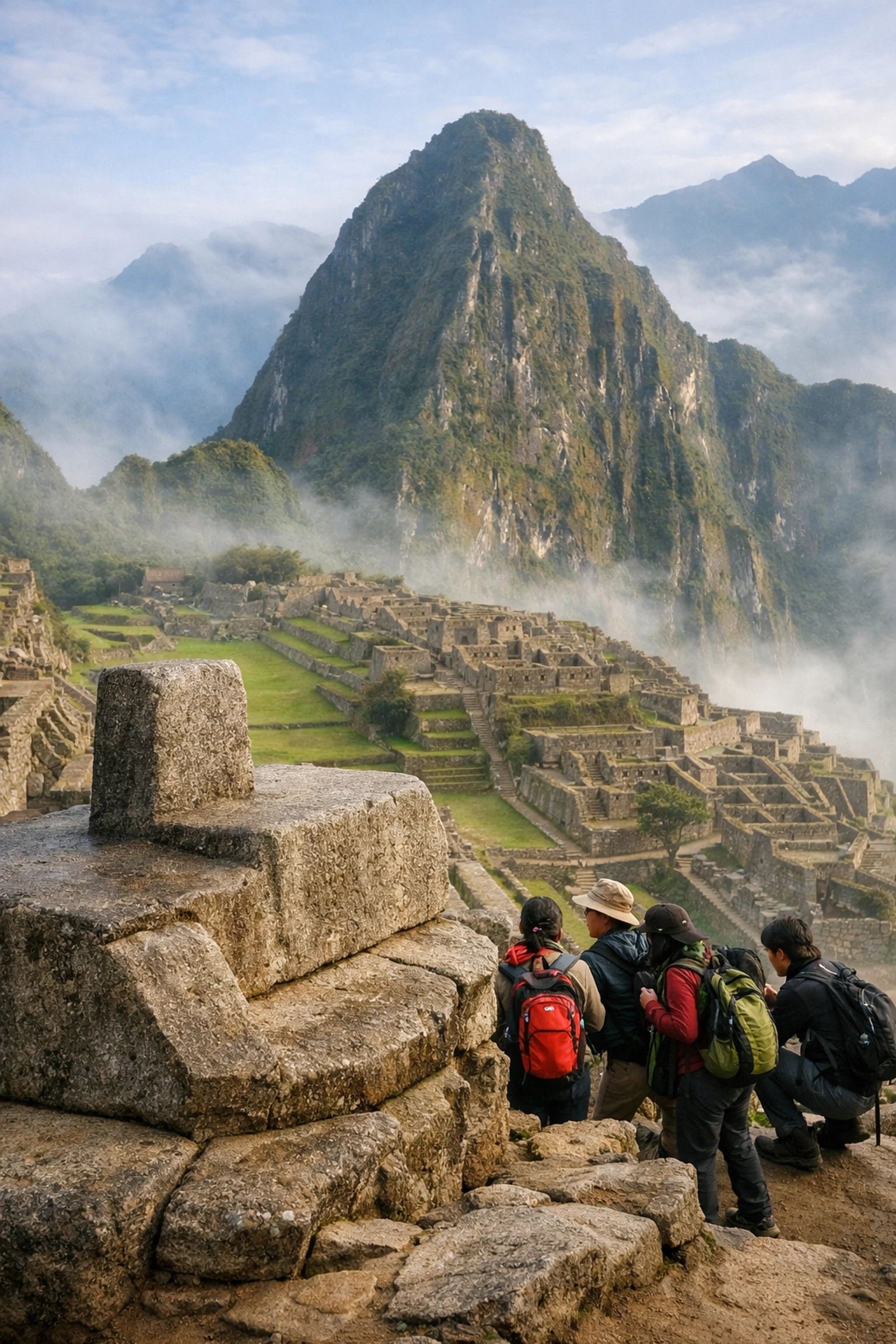
Intihuatana stone (the "hitching post of the sun" used for astronomical observations)
Lower terraces and water management systems
This circuit allows students to examine remarkable Incan stonework at close range, understand urban planning principles, study agricultural innovation, and appreciate astronomical knowledge: all core elements of Peru educational trips for students that align with multiple academic disciplines including history, engineering, agriculture, astronomy, and cultural anthropology.
Book Circuit 2 when securing your entrance tickets. Communicate clearly with students about the physical requirements: while not extremely strenuous, the circuit involves uneven stone paths, stairs, and 2-3 hours of continuous walking at high altitude.
Step 4: Establish Realistic Budget Expectations and Secure Funding Early
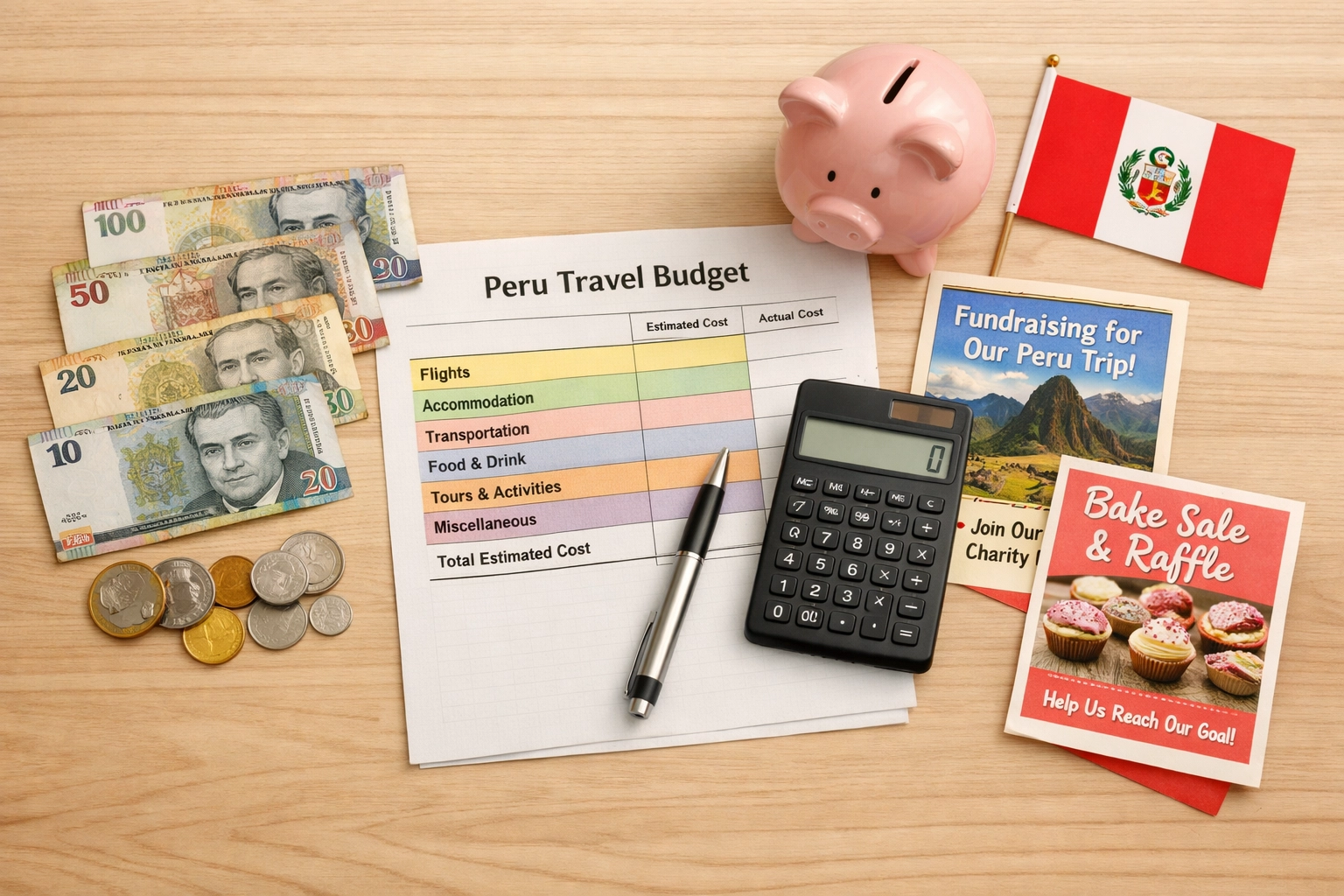
Transparent, detailed budgeting prevents financial surprises and demonstrates professionalism to administrators and parents. For student travel to Peru Machu Picchu, budget $1,200-2,000 per person for a comprehensive 5-7 day experience (excluding international flights from your home location).
Break down major expense categories:
Transportation:
Domestic flights (Lima to Cusco round-trip): $80-150
Train to Aguas Calientes (round-trip): $140-200
Bus from Aguas Calientes to Machu Picchu entrance (round-trip): $24
Local transportation in Cusco and Sacred Valley: $50-75
Accommodations:
Cusco hotels (2-3 nights): $60-120 per night
Aguas Calientes hotel (1 night): $80-150
Sacred Valley hotel (optional): $70-120
Entrance Fees and Tours:
Machu Picchu entrance with student discount: $40
Sacred Valley site entrances: $30-50
Professional guided tours: $35-50 per site
Meals:
Daily food budget: $30-50 per student
Group meals in restaurants: plan for 1-2 special dinners
Emergency Fund:
Allocate 10-15% of total budget for unexpected expenses, medical needs, or last-minute changes
Begin fundraising efforts 8-10 months before departure. Organize student-led initiatives such as bake sales, car washes, community dinner events, and crowdfunding campaigns. Many educational travel providers, including Appleseed Expeditions, offer group rates and payment plans that ease financial burden.
Discuss payment deadlines clearly with families and establish a transparent refund policy for students who must withdraw. Consider offering scholarship opportunities for students facing financial hardship: ensuring inclusivity strengthens your program and benefits all participants.
Step 5: Prioritize Acclimatization and Schedule Early Morning Entry
Altitude sickness represents the most common health challenge during Peru educational trips. Implement proactive acclimatization strategies to protect student health and maximize enjoyment:
Acclimatization Protocol:
Arrive in Cusco at least 48 hours before visiting Machu Picchu
Enforce minimal physical exertion during Days 1-2
Mandate constant hydration (students should drink 3-4 liters of water daily)
Encourage frequent rest breaks during all activities
Avoid alcohol consumption entirely
Consider consulting with school nurses about preventive medications (acetazolamide) for susceptible students
Schedule your Machu Picchu entry for the earliest available time slot (6:00 AM entry time). Early morning visits provide multiple advantages for educational groups:
Optimal weather conditions: Mornings typically feature clearer skies before afternoon clouds and rain arrive
Dramatic lighting: Sunrise illuminates the ruins with spectacular golden light ideal for photography and observation
Smaller crowds: Fewer visitors enable better movement through circuits and more meaningful educational discussions
Cooler temperatures: Morning temperatures remain comfortable for extended walking
Extended day: Early start allows afternoon return to Cusco for reflection activities
Book overnight accommodation in Aguas Calientes so students can board the first bus departing at 5:30 AM. The 25-minute bus ride climbs steep switchbacks to the entrance: prepare students for this exciting but somewhat nerve-wracking journey.
Pack all required documents in easily accessible bags: passports (required for entry and all transactions), entrance tickets (printed copies), student identification cards, and emergency contact information. Create a checklist system ensuring every student carries these items.
Prepare Students with Pre-Departure Educational Sessions
Maximize the educational impact of your Peru student trip by conducting thorough pre-departure orientation sessions. Cover these essential topics:
Historical Context: Teach students about Incan civilization, Machu Picchu's discovery by Hiram Bingham in 1911, current archaeological theories, and the site's cultural significance to modern Peru.
Cultural Respect: Discuss appropriate behavior at sacred sites, respectful interaction with local Peruvian communities, basic Spanish phrases, and cultural sensitivity.
Safety Protocols: Review altitude sickness symptoms and reporting procedures, buddy systems, meeting points if separated, emergency communication plans, and appropriate clothing for variable mountain weather.
Environmental Responsibility: Emphasize leave-no-trace principles, proper waste disposal, staying on designated paths, and conservation ethics protecting this UNESCO World Heritage Site.
Final Preparation Checklist for Teachers
Use this comprehensive checklist as you finalize preparations for your 2026 Peru educational trip:
☐ Entrance tickets confirmed for all students (4 months in advance)
☐ Flights booked (international and domestic)
☐ Hotels reserved in Cusco, Sacred Valley, and Aguas Calientes
☐ Train tickets to Aguas Calientes purchased
☐ Bus tickets to Machu Picchu entrance secured
☐ Professional guide services arranged
☐ Student passport expiration dates verified (must be valid 6 months beyond travel)
☐ Travel insurance purchased for all participants
☐ Emergency contact list compiled and distributed
☐ Medical information collected for all students
☐ Pre-departure educational sessions completed
☐ Parent information meetings held
☐ Packing lists distributed
☐ Group WhatsApp or communication channel established
☐ Chaperone responsibilities clearly assigned
☐ Budget finalized and payments collected
☐ School administration and legal approvals obtained
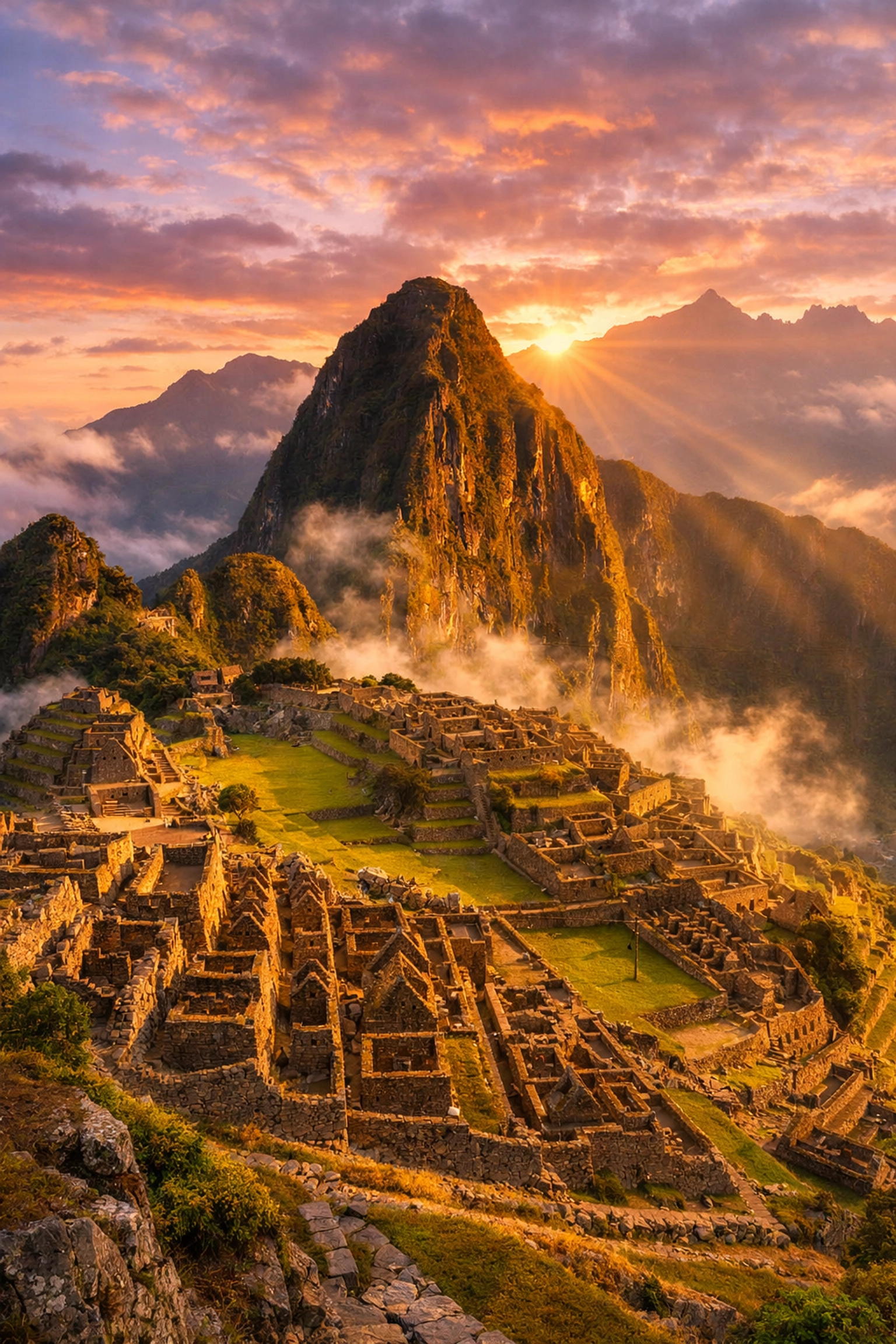
Planning educational tours for teachers Peru requires dedication, attention to detail, and proactive problem-solving: but the rewards are extraordinary. Student travel to Peru Machu Picchu creates transformative educational experiences that inspire lifelong learning, cultural appreciation, and personal growth. Your careful preparation ensures students return home with expanded worldviews, deeper historical understanding, and memories that will influence their academic and personal trajectories for years to come.
Begin your planning process today, follow these five essential steps systematically, and prepare to lead one of the most meaningful educational experiences of your teaching career. The ancient stones of Machu Picchu await your students in 2026.

Comments