


Amazon Rainforest Student Expeditions: How to turn a Peru trip into real field research (not just sightseering)

Transforming a student trip to the Amazon rainforest into a legitimate field research experience requires intentional planning, rigorous preparation, and a fundamental shift from passive observation to active scientific participation. Too many Amazon rainforest student expeditions function as guided nature tours with educational themes rather than authentic research opportunities. This distinction matters significantly for student learning outcomes and the development of genuine scientific literacy.
Ensuring that your students engage in real field research, not merely sightseeing with scientific terminology, demands careful program selection, pre-expedition preparation, and clear educational objectives that prioritize data collection, conservation impact, and original research contributions.
Establish Research Questions Before Departure
Begin by requiring students to design their research projects during the semester preceding your expedition. This pre-expedition research design distinguishes authentic scientific programs from tourist experiences. Students should identify specific research questions, develop hypotheses, and design methodologies they will implement in the field.
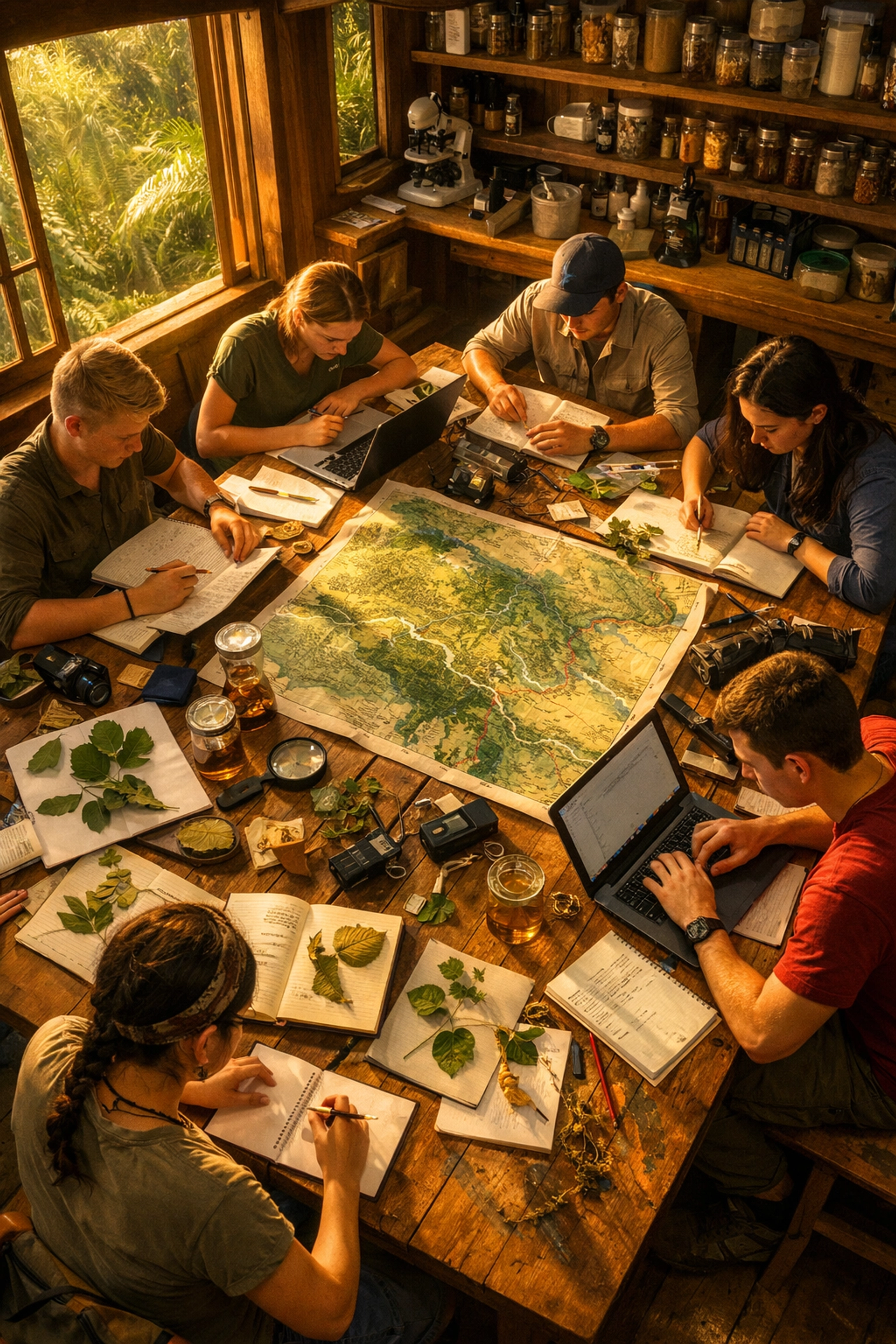
Effective pre-expedition preparation includes:
Literature reviews of existing Amazon biodiversity research to identify knowledge gaps
Methodology design outlining specific data collection techniques students will employ
Equipment preparation ensuring students understand how to use field research tools
Research ethics training addressing responsible interaction with wildlife and ecosystems
Collaboration planning organizing students into research teams with defined roles
This preparation transforms students from passive observers into active researchers with ownership of their scientific contributions. Programs that skip this phase reduce educational travel to tourism regardless of location or activities included.
Prioritize Active Data Collection Over Observation
Distinguish between programs that assign students meaningful roles in ongoing biodiversity research versus those offering guided wildlife viewing. Real field research requires students to collect, record, and analyze data that contributes to conservation science.
Evaluate programs based on these active research components:
Programs offering these responsibilities transform science and language school trips Peru into genuine research expeditions. Students return with tangible contributions to conservation science rather than merely photographs and memories.
Understand What Field Research Actually Looks Like
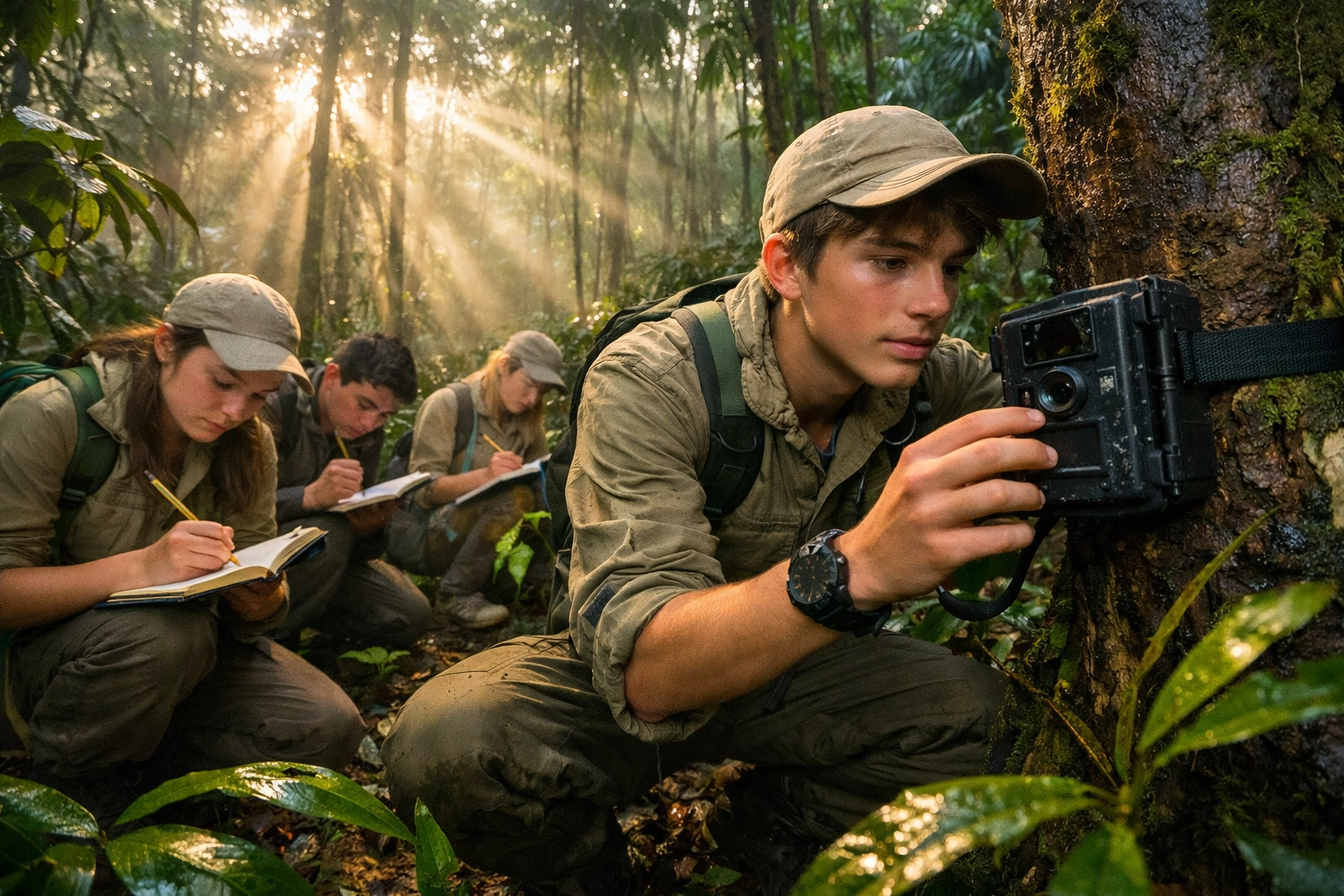
Real Amazon rainforest field research differs substantially from typical tourist activities. Set clear expectations with students and parents about the nature of research work, which often involves repetitive tasks, uncomfortable conditions, and unglamorous responsibilities that nonetheless generate critical scientific data.
Authentic field research includes:
Early morning and evening survey sessions when wildlife activity peaks, requiring students to wake before dawn and work after sunset
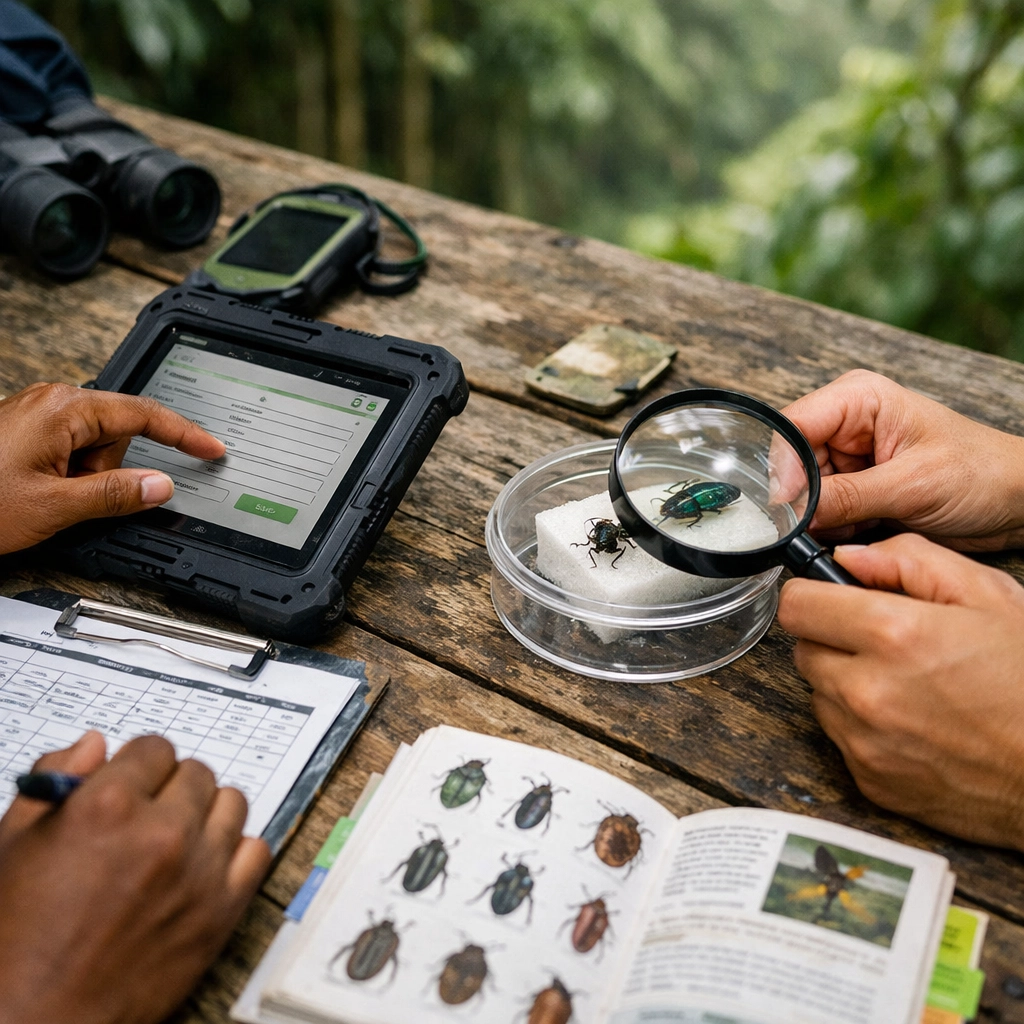
Systematic transect walks along established trails where students record every observation according to standardized protocols
Specimen collection and preservation of insects, plants, or environmental samples following ethical guidelines
Equipment maintenance including cleaning optical equipment, charging batteries, and organizing field supplies
Detailed field notes documenting observations, environmental conditions, and methodological decisions
Team debriefing sessions where students discuss findings, troubleshoot challenges, and refine approaches
Prepare students for the reality that meaningful research involves significant time conducting routine observations and data collection. This preparation prevents disappointment and helps students appreciate the methodical nature of scientific work.
Evaluate Program Duration and Educational Structure
Select programs offering sufficient duration for skill development and meaningful data collection. Two to three weeks represents the minimum timeframe for students to learn field techniques, conduct research, and analyze preliminary findings. Shorter expeditions typically prioritize tourism over research regardless of stated objectives.
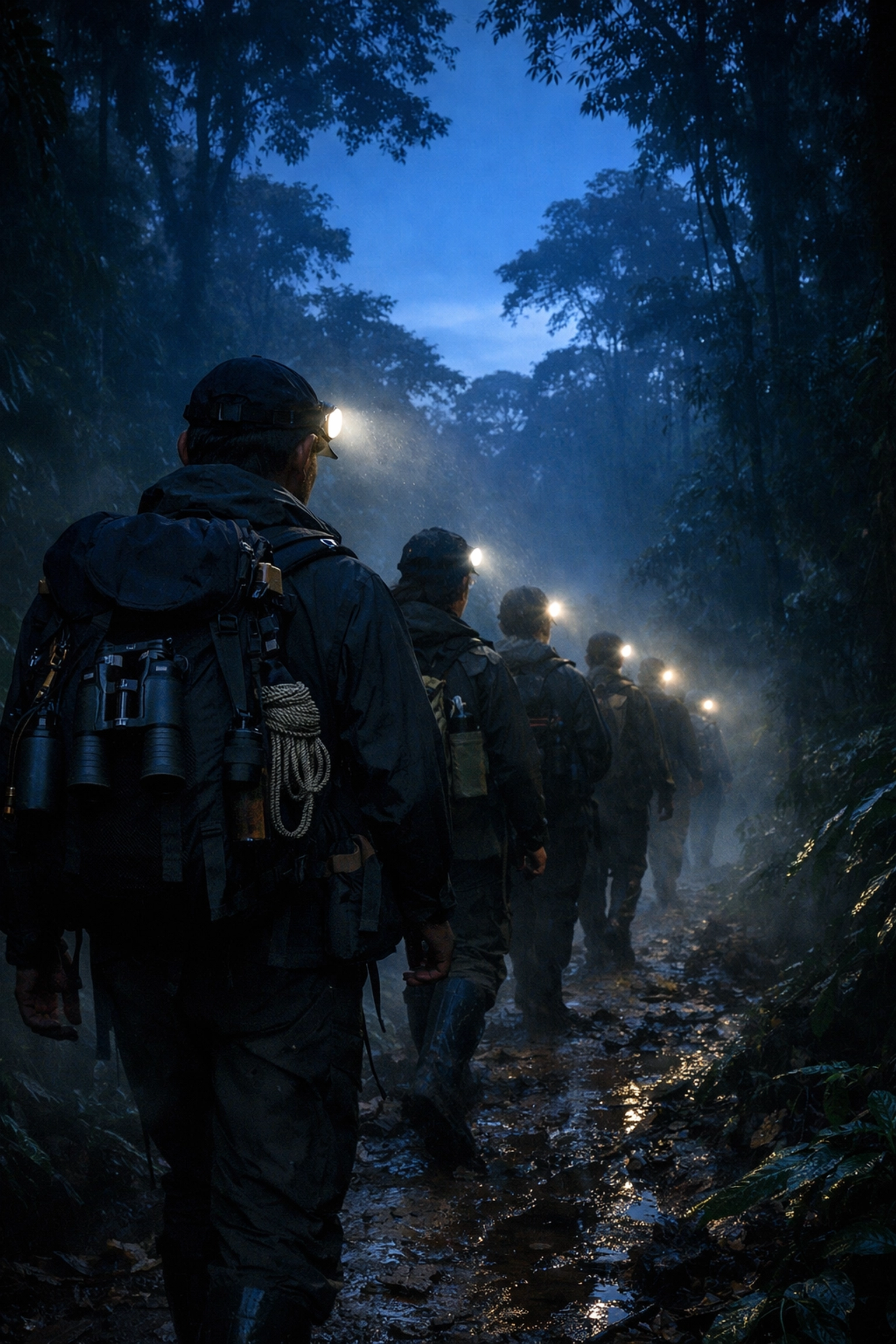
Comprehensive educational travel programs provide structured learning through:
Formal coursework covering Amazon geography, rainforest ecology, biodiversity survey methods, and conservation challenges
Progressive skill development beginning with basic observation techniques and advancing to independent research
Expert mentorship pairing students with experienced field researchers who provide guidance and feedback
Research presentations requiring students to synthesize findings and communicate results
Conservation context connecting student research to broader environmental challenges and solutions
Ensure programs include these educational components rather than simply scheduling field activities without instructional framework. The structure distinguishes rigorous academic programs from adventure tourism with educational themes.
Identify Programs with Conservation Impact
Select Amazon rainforest student expeditions that explicitly connect student research to measurable conservation outcomes. Programs should articulate how collected data informs protection strategies, management decisions, or scientific understanding rather than serving solely educational purposes.
Examine these program characteristics:
These elements distinguish programs generating genuine conservation impact from those conducting research primarily for educational value without broader scientific contribution.
Assess Research Site Characteristics
Evaluate the specific research locations programs utilize within the Amazon. Different sites offer distinct research opportunities and varying levels of biodiversity that impact student learning experiences.
Priority site characteristics include:
White-water and black-water river systems providing contrasting ecological conditions for comparative studies
Primary forest access allowing students to observe undisturbed ecosystems with high biodiversity
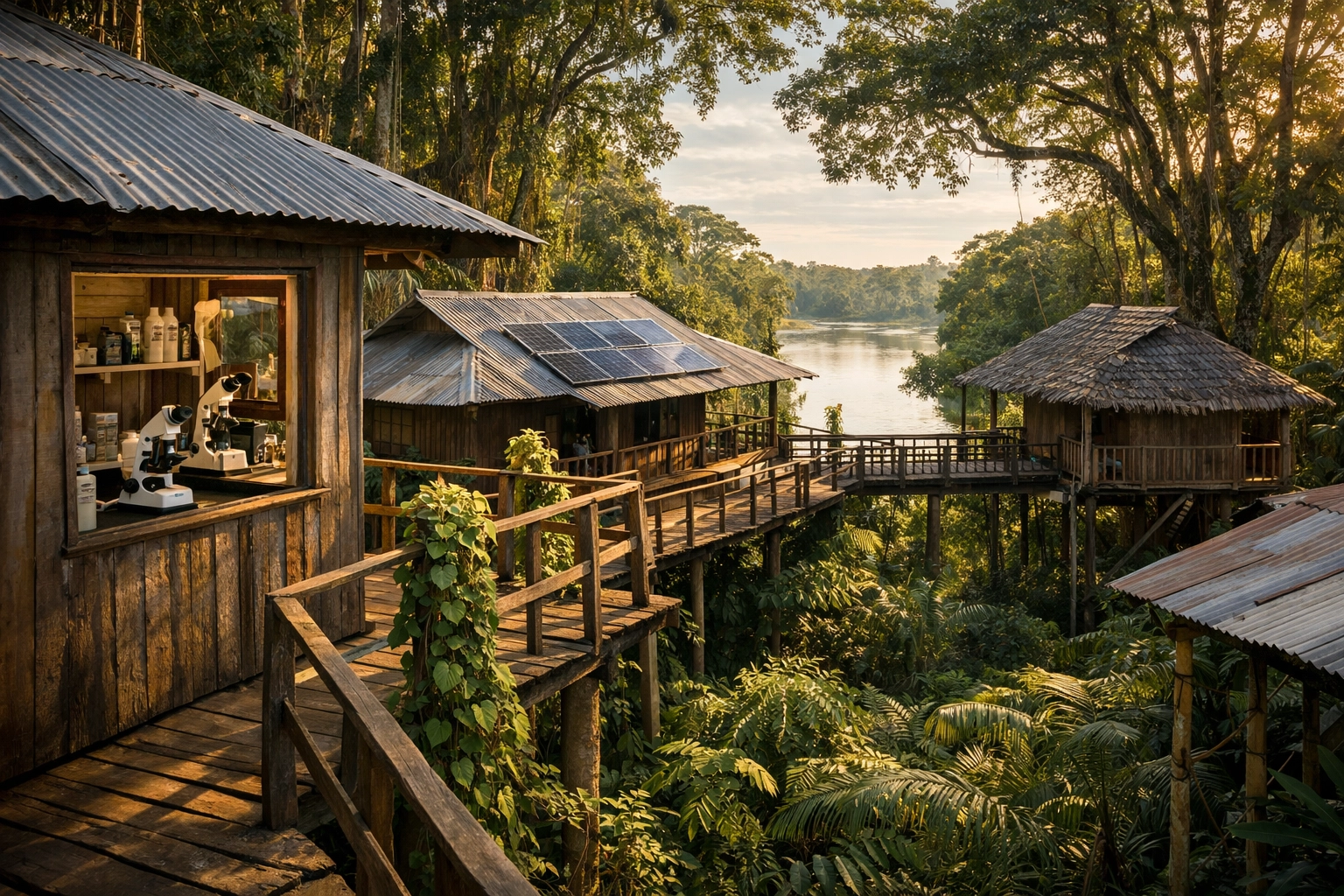
Research station facilities offering laboratories, equipment, and specimen storage for processing collected data
Varied habitat types including terra firme forest, várzea floodplains, and secondary growth for understanding ecological succession
Accessible wildlife at locations where responsible observation opportunities exist without disturbing sensitive species
Programs utilizing multiple habitat types within várzea forests and other Amazon ecosystems provide richer educational experiences than those limited to single forest types or heavily disturbed areas.
Prepare Students for Intensive Learning
Communicate realistic expectations about the physical and intellectual demands of field research. Amazon rainforest student expeditions require stamina, flexibility, and sustained focus under challenging conditions that differ significantly from classroom learning.
Advise students to prepare by:
Building physical fitness through regular hiking and outdoor activities before departure
Practicing observation skills by conducting biodiversity surveys in local parks or natural areas
Reviewing tropical ecology through assigned readings on rainforest structure, climate, and species interactions
Learning basic Spanish for communication with local guides and community members
Understanding cultural norms regarding behavior in indigenous territories and protected areas
This preparation maximizes learning opportunities by ensuring students arrive ready to engage fully with research responsibilities rather than struggling with basic adjustment to field conditions.
Distinguish Between Research and Volunteering
Recognize the important distinction between research expeditions and volunteer programs. While both offer valuable learning, research programs emphasize data collection and scientific methodology, whereas volunteer programs focus on conservation service tasks supporting existing projects.
Research expeditions prioritize student-led investigations, hypothesis testing, and scientific skill development. Volunteer programs typically involve predetermined tasks like habitat restoration, animal care at rehabilitation centers, or educational outreach: valuable activities that differ from original research.
Both approaches offer merit for educational travel, but clarity about program focus prevents misaligned expectations. If your educational objectives emphasize scientific literacy, critical thinking, and research methodology, select programs explicitly structured as research expeditions rather than volunteer opportunities.
Plan for Data Analysis and Dissemination
Ensure your program includes time and structure for students to analyze collected data and communicate findings. Field research remains incomplete without interpretation and dissemination, yet many programs conclude immediately after data collection without this critical phase.
Effective programs incorporate:
Data processing workshops where students organize, clean, and prepare datasets for analysis
Statistical analysis training introducing appropriate methods for examining collected data
Results interpretation sessions helping students draw meaningful conclusions from findings
Presentation development guiding students in communicating research through posters, reports, or talks
Peer review processes allowing students to provide feedback on each other's work
These components transform raw field observations into completed research projects that students can share with broader audiences, including school communities, science fairs, or regional conferences.
Moving Forward with Educational Travel Excellence
Planning Amazon rainforest student expeditions that deliver authentic field research experiences rather than guided sightseeing requires deliberate program selection, thorough preparation, and unwavering commitment to scientific rigor. By prioritizing pre-expedition research design, active data collection, appropriate duration, and conservation impact, you ensure students develop genuine scientific capabilities while contributing meaningfully to biodiversity research.
These principles distinguish educational travel that transforms student understanding of ecology and conservation from trips that merely expose students to tropical environments without deeper scientific engagement. Your commitment to authentic research experiences prepares students for future scientific study while fostering the conservation ethic necessary for addressing global environmental challenges.
Appleseed Expeditions designs science and language school trips Peru that emphasize rigorous field research and meaningful conservation contributions. Our programs incorporate the research elements and educational structure outlined here, ensuring your students engage in authentic scientific work rather than observation-based tourism. Contact us to discuss how we can support your educational objectives through transformative Amazon research expeditions.

Comments