


Beyond the Reef: Educational Tours for Teachers in the Florida Keys

Educational tours for teachers represent far more than a simple vacation or professional obligation. When educators immerse themselves in the Florida Keys ecosystem, they gain firsthand knowledge that transforms classroom instruction, deepens scientific understanding, and reignites the passion for teaching that drives meaningful student engagement. While coral reefs capture immediate attention with their vibrant colors and diverse marine life, the true educational value of the Florida Keys extends well beyond these underwater gardens.
Understanding the full spectrum of Florida Keys ecosystems: from mangrove forests to seagrass meadows, from tidal pools to coastal hardwood hammocks: equips teachers with comprehensive knowledge that enriches curriculum across multiple disciplines. This depth of experience enables educators to design more engaging lessons, answer student questions with authority, and inspire the next generation of marine scientists and environmental stewards.
The Complete Florida Keys Ecosystem: A Teacher's Laboratory
The Florida Keys archipelago represents one of North America's most diverse and accessible marine environments. Educational tours for teachers must prioritize exploration of the interconnected ecosystems that create this unique bioregion.
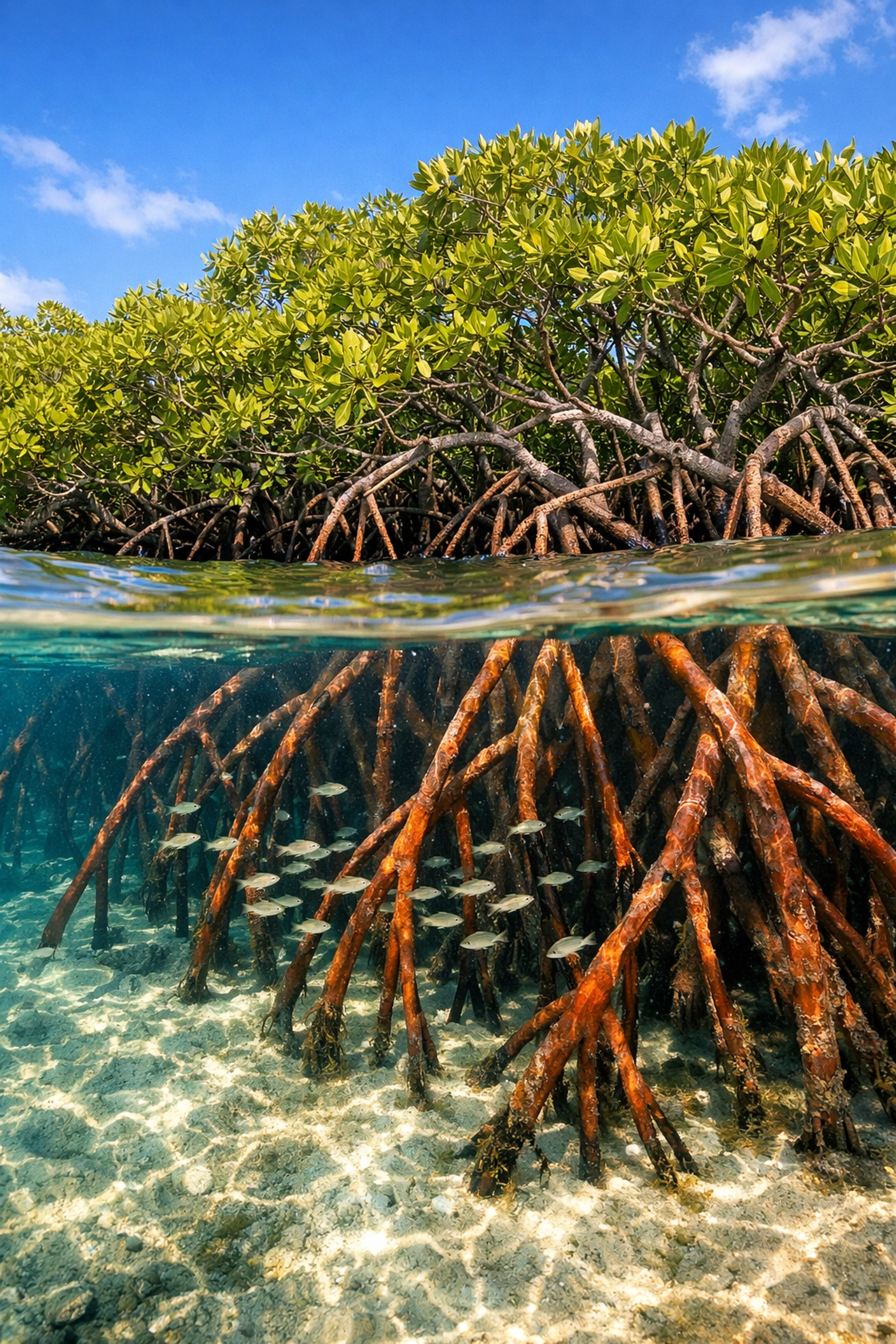
Mangrove Forests: The Coastal Nursery
Mangrove ecosystems serve as critical nursery habitats for juvenile fish, feeding grounds for wading birds, and natural storm buffers that protect coastal communities. Teachers exploring mangrove channels gain understanding of:
Root structure adaptations that enable survival in saltwater environments
Nutrient cycling processes that support offshore reef systems
Wildlife observation opportunities including manatees, crocodiles, and roseate spoonbills
Climate change impacts on coastal vegetation and sea level rise
Hands-on exploration through kayak or paddleboard allows educators to observe aerial prop roots, pneumatophores, and the complex food web that begins in these productive waters. Document observations through photography and field notes to create authentic classroom resources that demonstrate real-world scientific investigation.
Seagrass Meadows: The Underwater Prairie
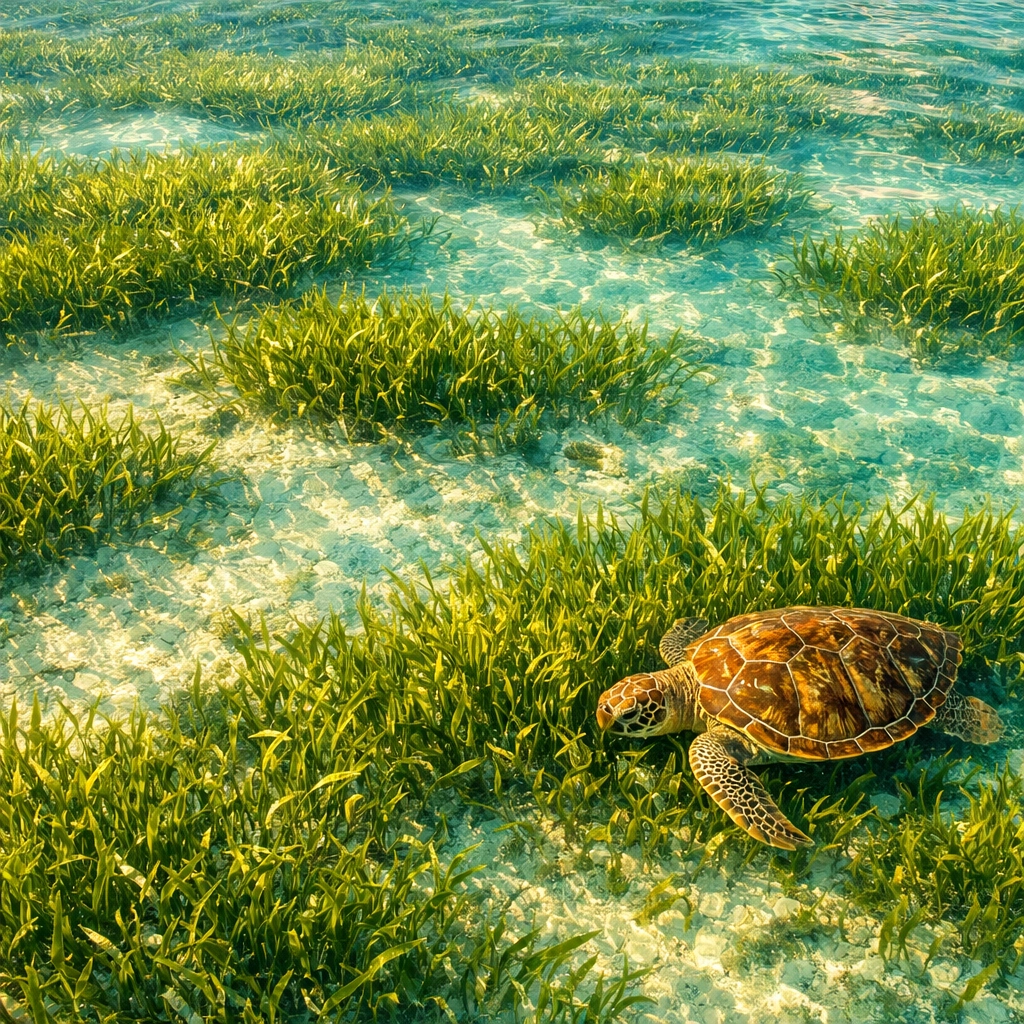
Often overlooked in favor of more colorful coral reefs, seagrass beds represent the foundation of the Florida Keys marine ecosystem. Educational tours for teachers should include snorkeling opportunities in shallow seagrass meadows to observe:
Multiple seagrass species including turtle grass, manatee grass, and shoal grass
Juvenile fish and invertebrate species seeking shelter and food
Foraging sea turtles and their feeding patterns
Sediment stabilization and water filtration processes
Understanding seagrass ecology enables teachers to explain trophic relationships, habitat connectivity, and the cascading effects of habitat loss on entire marine ecosystems. Collect (non-destructively) samples of algae and small invertebrates for microscopic examination, creating memorable teaching moments that students will reference throughout the academic year.
Coastal Hardwood Hammocks: Terrestrial Biodiversity
The transition zones between marine and terrestrial environments harbor unique plant communities found nowhere else in the continental United States. Teachers should investigate:
Endemic plant species adapted to salt spray and hurricane conditions
Migratory bird species using the Keys as stopover habitat
Historical human settlement patterns and archaeological evidence
Invasive species challenges and ongoing conservation efforts
These terrestrial explorations provide essential context for understanding the Florida Keys as an integrated ecosystem rather than simply an underwater destination.
Professional Development Through Immersive Experience
Educational tours for teachers deliver professional development that transcends traditional workshop settings. Direct ecosystem engagement creates learning experiences that inform instruction for years to come.
Scientific Methodology in Action
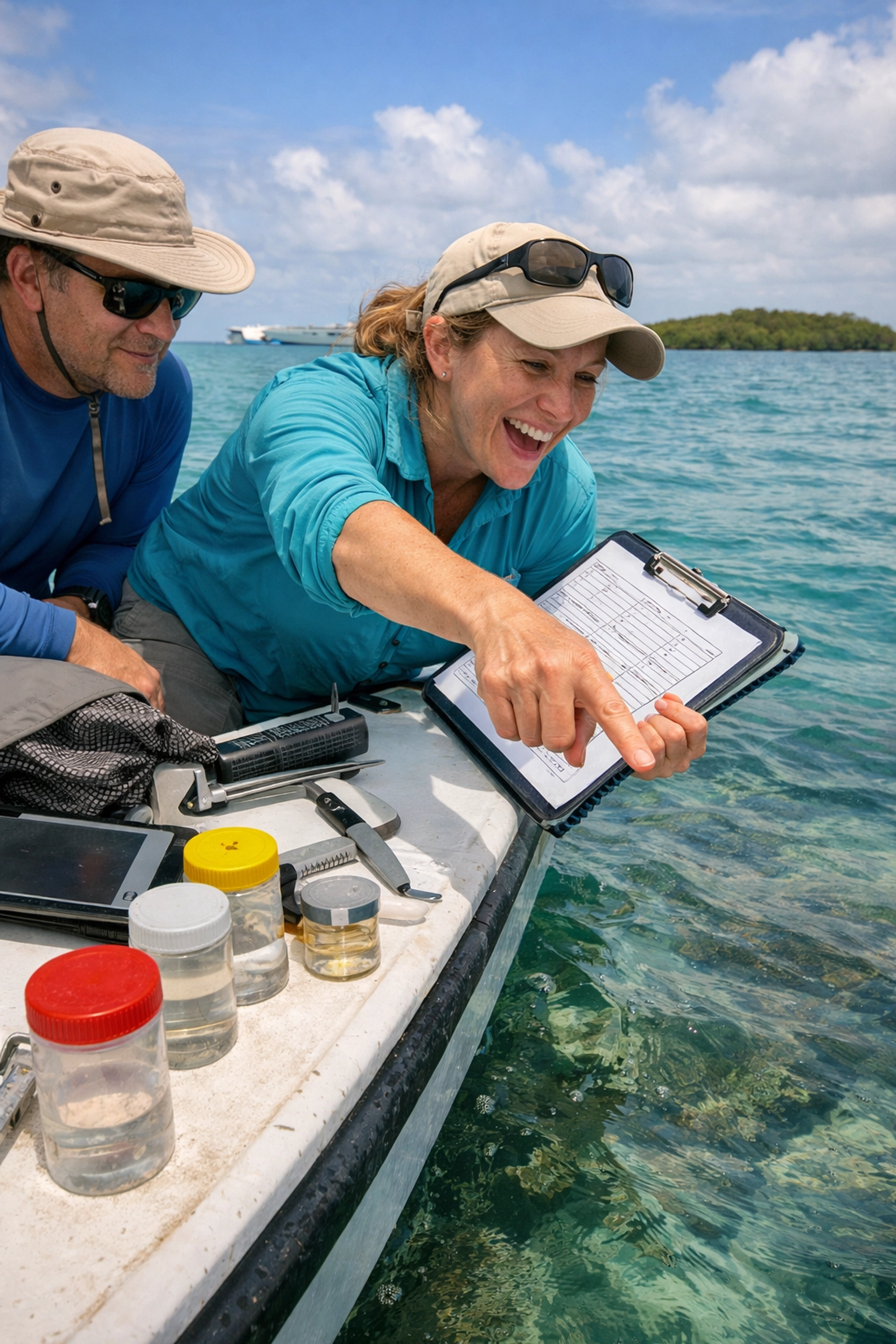
Participating in citizen science programs and research activities models authentic scientific investigation. Seek opportunities to:
Conduct reef health surveys using standardized protocols
Participate in sea turtle monitoring and nest protection programs
Collect water quality data contributing to long-term environmental databases
Engage with working marine scientists and conservation professionals
These experiences enable teachers to guide student research projects with genuine understanding of scientific methodology, data collection procedures, and peer review processes. Share contact information with research institutions to establish ongoing partnerships that bring expert guest speakers into your classroom virtually or in person.
Cross-Curricular Connections
The Florida Keys environment supports learning objectives across multiple subject areas. Educational tours for teachers should intentionally explore:
History and Social Studies
Shipwreck archaeology and maritime history
Conch Republic history and Keys culture
Ernest Hemingway's residence and literary legacy
Military history including Fort Jefferson at Dry Tortugas
Mathematics and Data Science
Population sampling and biodiversity indices
Water quality measurements and trend analysis
GPS navigation and coordinate systems
Climate modeling and sea level projections
Arts and Literature
Environmental photography techniques
Nature journaling and scientific illustration
Conservation storytelling and persuasive writing
Ecosystem-inspired art projects
Document these cross-curricular connections during your tour to design integrated lesson plans that demonstrate real-world application of academic concepts.
Practical Resources and Planning Considerations
Maximizing the educational value of Florida Keys tours requires thorough preparation and strategic selection of learning sites.
Essential Educational Facilities
Visit multiple educational centers to gather diverse teaching resources:
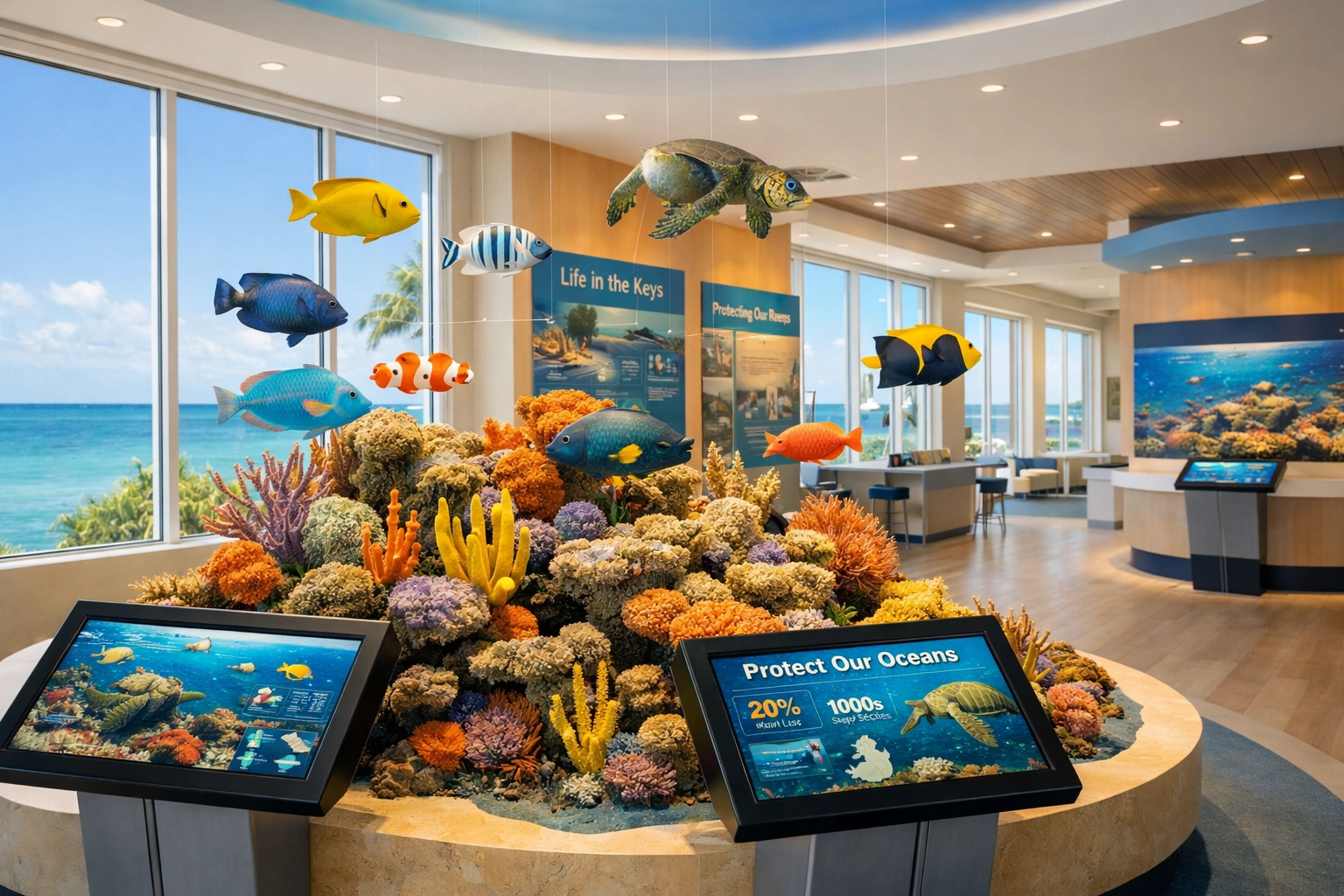
REEF Ocean Exploration Center in Key Largo offers free admission to interactive exhibits focused on marine conservation and Florida Keys ecosystems. Secure educational materials, curriculum guides, and establish relationships with education staff who can support future classroom instruction.
Florida Keys Eco-Discovery Center in Key West features multilingual exhibits on coral reefs, mangroves, and marine ecosystems. Schedule your visit during operating hours (Wednesday-Saturday, 9 a.m.–4 p.m.) and participate in available educational programming.
Mote Marine Laboratory conducts complimentary public tours at multiple campuses throughout the Florida Keys. Reserve space for Tuesday 10 a.m. tours at the Elizabeth Moore International Center for Coral Reef Research & Restoration on Summerland Key to observe cutting-edge coral restoration science.
Documentation and Resource Development
Transform your educational tour into lasting classroom resources through systematic documentation:
Create detailed photographic records of organisms, habitats, and geological features
Maintain a field journal with observations, questions, and teaching ideas
Collect (legally and ethically) appropriate specimens for classroom use
Record GPS coordinates of significant sites for future reference
Interview local experts and record their insights with permission
Organize these materials immediately upon return to ensure they remain accessible and relevant for lesson planning.
Safety and Environmental Ethics
Educational tours for teachers must model the same safety protocols and environmental ethics expected of student groups:
Complete required safety briefings before water activities
Understand and respect marine sanctuary regulations
Practice leave-no-trace principles in all environments
Demonstrate appropriate wildlife observation distances
Support conservation-minded tourism businesses and organizations
Your commitment to responsible environmental behavior establishes the foundation for student expectations during future educational expeditions.
Translating Experience Into Curriculum
The ultimate value of educational tours for teachers manifests in improved classroom instruction and enhanced student learning outcomes.
Designing Authentic Learning Experiences
Use your Florida Keys experience to create lesson plans incorporating:
Primary source materials from your field observations
Real data sets collected during your tour
Personal narratives connecting curriculum to real places
Problem-based learning scenarios reflecting actual conservation challenges
Students respond more enthusiastically to lessons grounded in their teacher's authentic experiences rather than textbook abstractions.
Building Student Expeditions
Teachers who have personally explored the Florida Keys possess the knowledge and confidence necessary to organize transformative student expeditions. Your firsthand experience enables:
Selection of appropriate sites matching learning objectives and student abilities
Anticipation of logistical challenges and implementation of solutions
Meaningful preparation of students for expedition experiences
Effective debriefing and integration of expedition learning into ongoing curriculum
Share your enthusiasm for the Florida Keys ecosystem while maintaining realistic expectations about physical demands, weather conditions, and group management considerations.
Investing in Your Teaching Practice
Educational tours for teachers represent professional development investments that yield returns for entire teaching careers. The inspiration gained from direct ecosystem exploration reinvigorates teaching practice, deepens subject matter expertise, and models lifelong learning for students.
Prioritize these immersive professional development opportunities to maintain the passion and knowledge that define exceptional educators. The Florida Keys ecosystem extends far beyond its famous coral reefs, offering comprehensive learning opportunities that span biology, ecology, geology, history, and environmental science.
Schedule your educational tour during school breaks to ensure adequate time for thorough exploration without the stress of immediate return to classroom responsibilities. Dedicate time to reflection and resource organization, transforming your experience into practical tools that enhance student learning throughout the academic year.
Begin planning your Florida Keys educational tour today, committing to exploration beyond the reef that reveals the complete story of this remarkable ecosystem. Your students deserve instruction informed by authentic experience and genuine passion for the natural world.

Comments