


Peru STEM Adventures Secrets Revealed: What Traditional School Trips Don't Want You to Know About Amazon Research and Archaeology

Updated: Jan 19
The truth about educational science trips to Peru for students goes far beyond what most traditional school travel programs advertise. While conventional tours focus on superficial sightseeing, Peru's genuine STEM adventures offer students unprecedented access to real scientific research, archaeological discoveries, and immersive cultural experiences that transform how young minds understand science and language learning.
The Hidden Reality: Real Research Over Tourism
Traditional school trips to Peru often mask themselves as educational while delivering glorified tourism experiences. However, authentic student travel packages for science exploration in Peru operate entirely differently. Students don't simply observe: they actively contribute to ongoing scientific research that influences conservation policy and archaeological understanding.
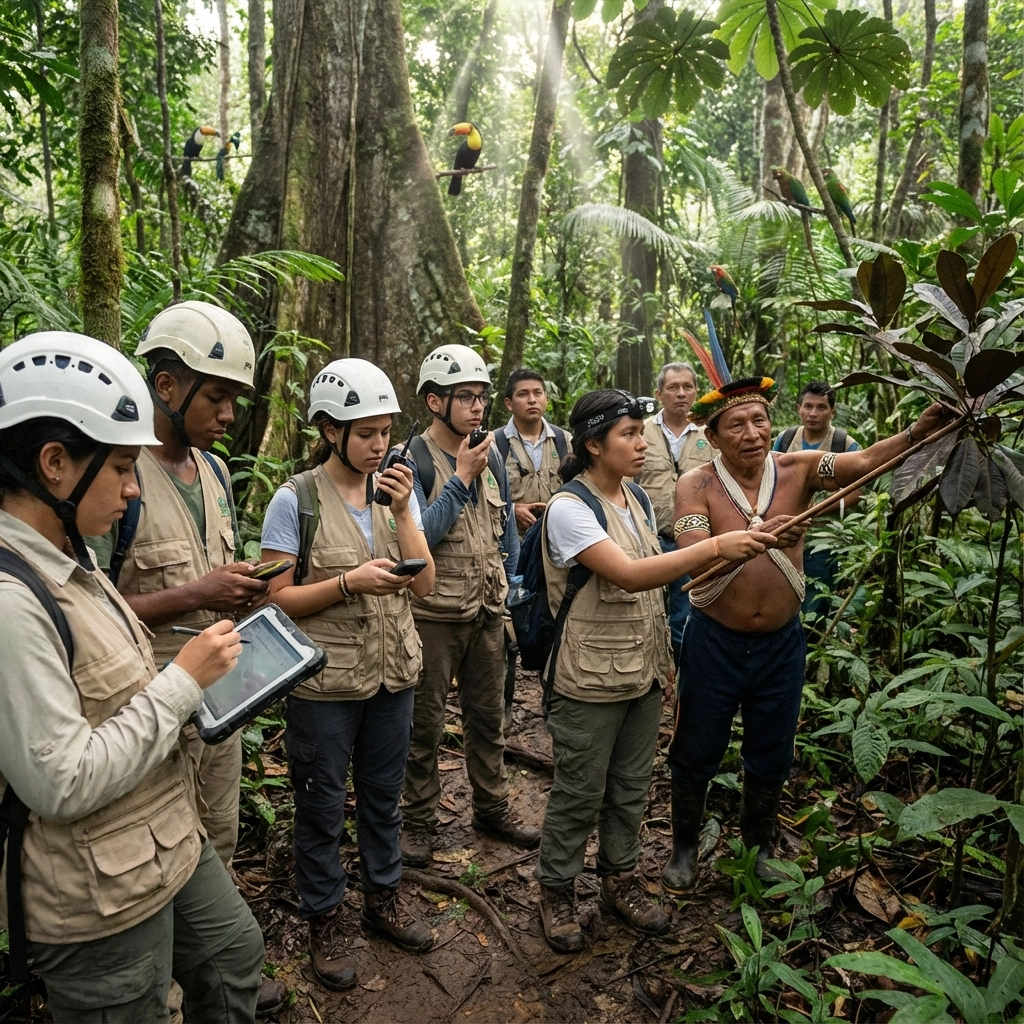
Field Research Integration: Unlike conventional programs, legitimate Peru STEM expeditions place students directly into active research projects. Students establish GPS-marked biodiversity plots, collect specimens for institutional databases, and monitor endangered species populations alongside professional researchers. This hands-on approach ensures that every data point collected contributes to peer-reviewed scientific publications and conservation efforts.
Indigenous Community Partnerships: Authentic programs collaborate directly with Indigenous communities like the Maijuna and Cocama peoples, creating opportunities for students to understand traditional ecological knowledge while contributing to community-led conservation initiatives. Students learn directly from Indigenous researchers and elders, gaining perspectives unavailable through traditional academic channels.
Amazon Research Opportunities That Transform Student Understanding
The Amazon rainforest serves as an unparalleled living laboratory where students engage in scientific research that impacts global understanding of biodiversity and climate change. Language immersion programs in Peru for high school students capitalize on this unique environment by conducting research activities entirely in Spanish, forcing students to master scientific terminology while collecting critical environmental data.
Biodiversity Documentation Projects: Students utilize advanced technology including drone surveys, environmental DNA sampling, and acoustic monitoring equipment to document species populations. These activities require precise data recording in both English and Spanish, naturally developing technical language skills while contributing to international biodiversity databases.
Climate Change Monitoring: Research stations throughout the Amazon provide students access to long-term climate monitoring equipment. Students learn to operate weather stations, soil temperature sensors, and atmospheric gas analyzers while developing proficiency in scientific Spanish vocabulary. This practical application of language skills in real scientific contexts accelerates both language acquisition and scientific understanding.
Conservation Challenge Assessment: Students investigate pressing conservation issues including deforestation frontiers, mining impacts, and sustainable resource extraction. These investigations require interviews with local stakeholders, government officials, and Indigenous leaders: all conducted in Spanish: providing authentic language practice while addressing critical environmental challenges.
Archaeological Discoveries Beyond Tourist Sites
While traditional tours shuttle students through well-known archaeological sites, authentic cultural and language learning trips to Peru for students provide access to active excavation sites and research projects where students contribute to ongoing archaeological discoveries.
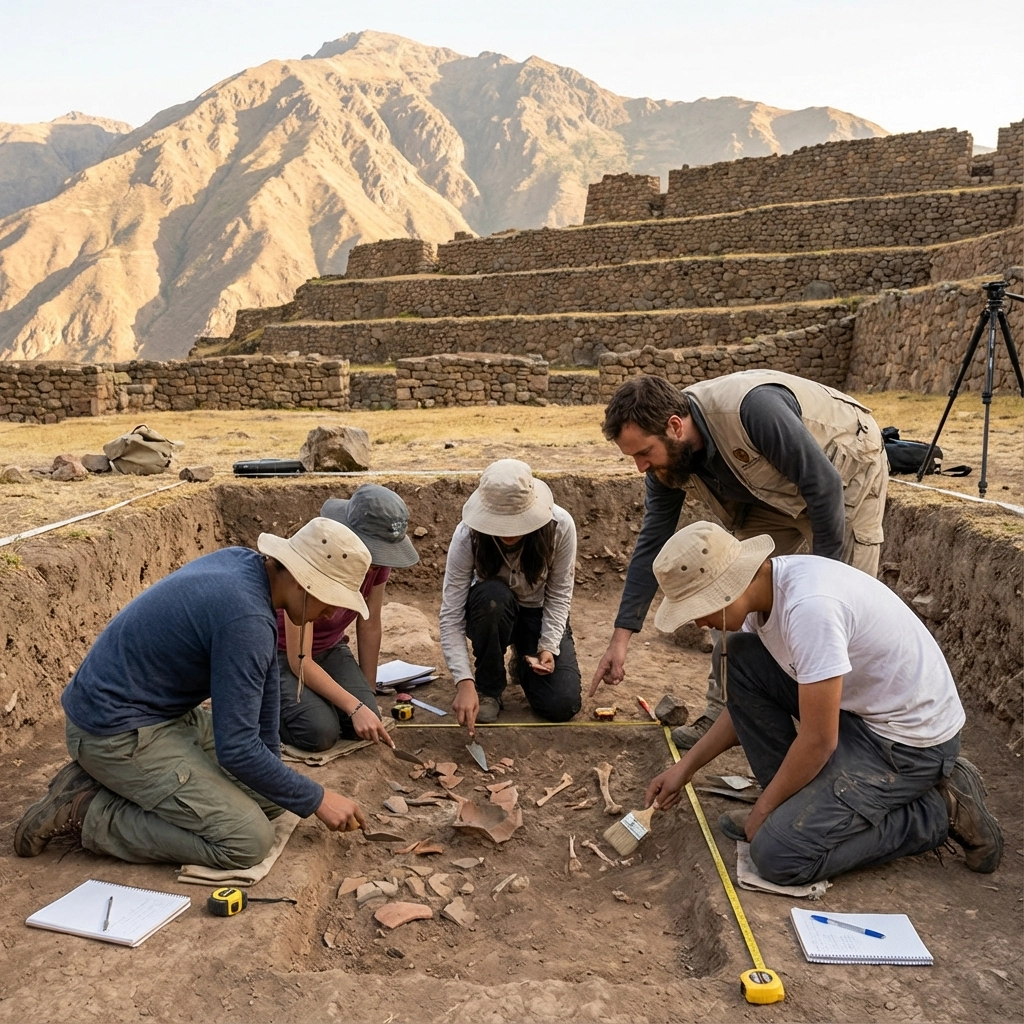
Active Excavation Participation: Students work alongside professional archaeologists at research sites, learning proper excavation techniques while uncovering artifacts that contribute to academic understanding of pre-Columbian civilizations. This hands-on experience requires students to master archaeological vocabulary in Spanish while developing precise documentation skills.
Artifact Analysis and Documentation: Beyond excavation, students learn laboratory techniques for artifact preservation, analysis, and cataloging. These technical processes demand precision in both scientific methodology and Spanish language skills, as all documentation follows international archaeological standards requiring bilingual proficiency.
Indigenous Historical Perspectives: Students engage directly with Indigenous historians and cultural specialists who provide oral history contexts for archaeological findings. These interactions, conducted entirely in Spanish, offer perspectives unavailable through traditional archaeological education while developing advanced conversational abilities.
Language Immersion Through Scientific Investigation
The most significant advantage of Peru educational tours focusing on science and language lies in their integration of language learning with meaningful scientific work. Students acquire Spanish proficiency naturally through necessary communication rather than artificial classroom exercises.
Technical Vocabulary Development: Scientific research requires students to master complex technical vocabulary including botanical nomenclature, geological terminology, and archaeological concepts. This specialized language acquisition proves invaluable for students pursuing scientific careers while developing fluency in professional Spanish communication.
Cross-Cultural Scientific Collaboration: Students work directly with Peruvian researchers, university students, and Indigenous scientists, necessitating clear communication in Spanish while building international professional relationships. These collaborations often continue beyond the expedition, creating lasting academic and personal connections.
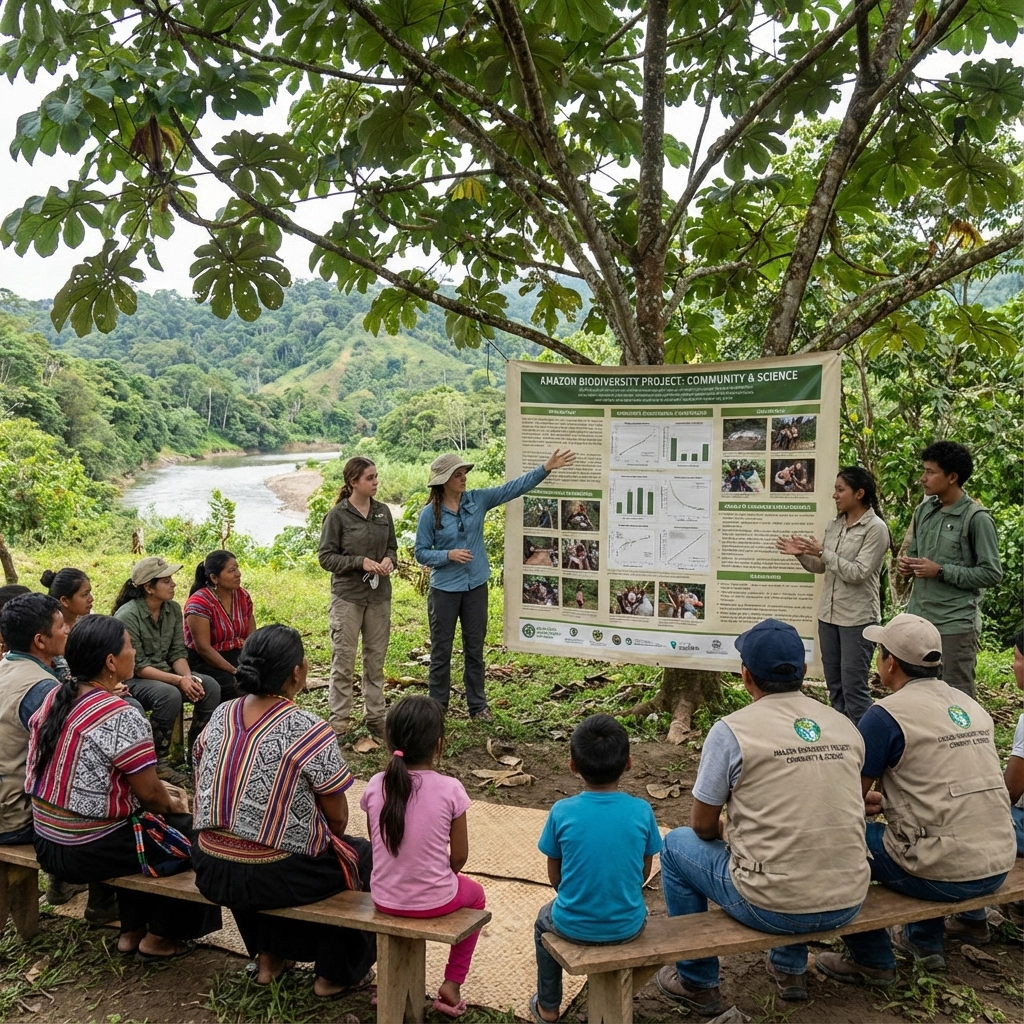
Documentation and Presentation Skills: All research findings require presentation to Spanish-speaking audiences including local communities, government officials, and academic institutions. Students develop advanced presentation skills while contributing to community education and scientific outreach initiatives.
Practical Benefits Traditional Programs Cannot Match
High school science and language trips to Peru that emphasize authentic research provide tangible benefits extending far beyond typical educational travel experiences.
University Application Advantages: Students return with published research contributions, professional references from international scientists, and documented language proficiency certificates. These credentials significantly strengthen university applications while demonstrating commitment to scientific inquiry and cross-cultural competence.
Career Preparation: Direct experience with professional scientific equipment, research methodologies, and international collaboration prepares students for scientific careers while developing language skills essential for global scientific communication. Many students pursue internships and research opportunities based on connections established during Peru expeditions.
Personal Transformation: Living and working within Indigenous communities while conducting meaningful research creates profound personal growth experiences. Students develop cultural sensitivity, environmental awareness, and scientific curiosity impossible to achieve through traditional travel programs.
Choosing Authentic Programs Over Marketing Hype
Identifying legitimate science and cultural exchange programs in Peru for students requires careful evaluation of program structure, research partnerships, and educational outcomes.
Research Partnership Verification: Authentic programs maintain formal partnerships with established research institutions, universities, and Indigenous organizations. Verify these partnerships through independent research rather than relying solely on marketing materials.
Scientific Methodology Integration: Legitimate programs emphasize proper scientific methodology, data collection standards, and research ethics. Students should receive training in research protocols before engaging in data collection activities.
Language Immersion Requirements: Authentic programs conduct all research activities in Spanish, requiring students to develop functional scientific vocabulary before departure. Programs offering translation services typically prioritize tourism over education.
Community Benefit Documentation: Ethical programs clearly demonstrate how student research contributions benefit local communities and conservation efforts. Students should understand exactly how their work influences ongoing research and community initiatives.
Maximizing Educational Impact Through Preparation
Student educational science tours to Peru achieve maximum impact when students arrive prepared for intensive research engagement and language immersion challenges.
Pre-Departure Language Preparation: Develop functional Spanish proficiency including scientific vocabulary relevant to intended research activities. Students should achieve conversational competence before departure to maximize learning opportunities.
Scientific Methodology Training: Understanding basic research protocols, data collection techniques, and equipment operation ensures students can contribute meaningfully to ongoing research projects from expedition beginning.
Cultural Competency Development: Comprehensive preparation regarding Indigenous cultures, environmental challenges, and Peruvian social contexts enables students to engage respectfully and effectively with local communities and researchers.
Authentic Peru STEM adventures represent transformational educational experiences that combine rigorous scientific research with meaningful cultural exchange and language acquisition. Students who participate in legitimate programs return with scientific credentials, advanced Spanish proficiency, and global perspectives impossible to achieve through traditional school travel.
For educators seeking to provide students with these transformational experiences, Appleseed Expeditions offers carefully structured Peru expeditions that prioritize authentic research engagement, meaningful community partnerships, and comprehensive educational outcomes that extend far beyond typical school travel experiences.

STEM adventures in Peru offer an exciting way to combine education with real-world exploration. It’s refreshing to see learning happening beyond traditional classrooms. Many learners also consider Management Courses in Lima, Peru to complement these experiences with strong business and leadership skills.