


5 Steps How to Combine Wildlife Conservation and Service Learning in Costa Rica (Easy Guide for Educators)

Planning a meaningful student trip to Costa Rica that combines wildlife conservation with service learning requires careful preparation and strategic partnerships. This comprehensive guide provides educators with a proven framework to design transformative Costa Rica STEM trips for students that deliver measurable conservation impact while meeting rigorous educational objectives.
Successful integration of conservation work and service learning creates powerful educational experiences that engage students in real-world environmental problem-solving. Follow these five essential steps to ensure your educational trip Costa Rica delivers maximum learning outcomes while contributing meaningfully to wildlife preservation efforts.
Step 1: Identify Your Conservation Focus Area and Learning Objectives
Begin by establishing clear educational goals and selecting a conservation focus area that aligns with your curriculum standards and student interests. Costa Rica wildlife trips for students offer diverse specialization options that support multiple academic disciplines.
Marine and Coastal Conservation Options:
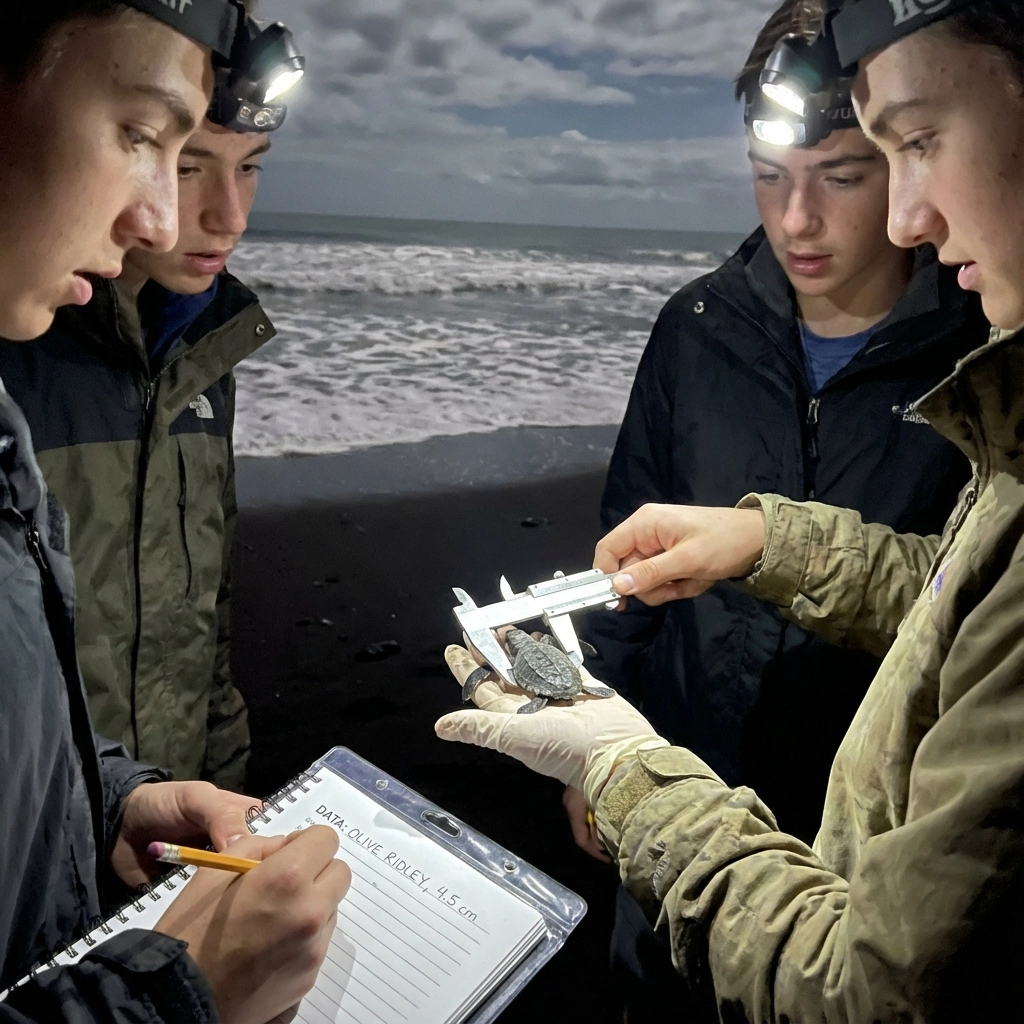
Sea turtle monitoring and nest protection programs
Coral reef ecosystem surveys and restoration projects
Beach cleanup initiatives and marine debris research
Mangrove forest preservation and restoration work
Terrestrial Wildlife Conservation Opportunities:
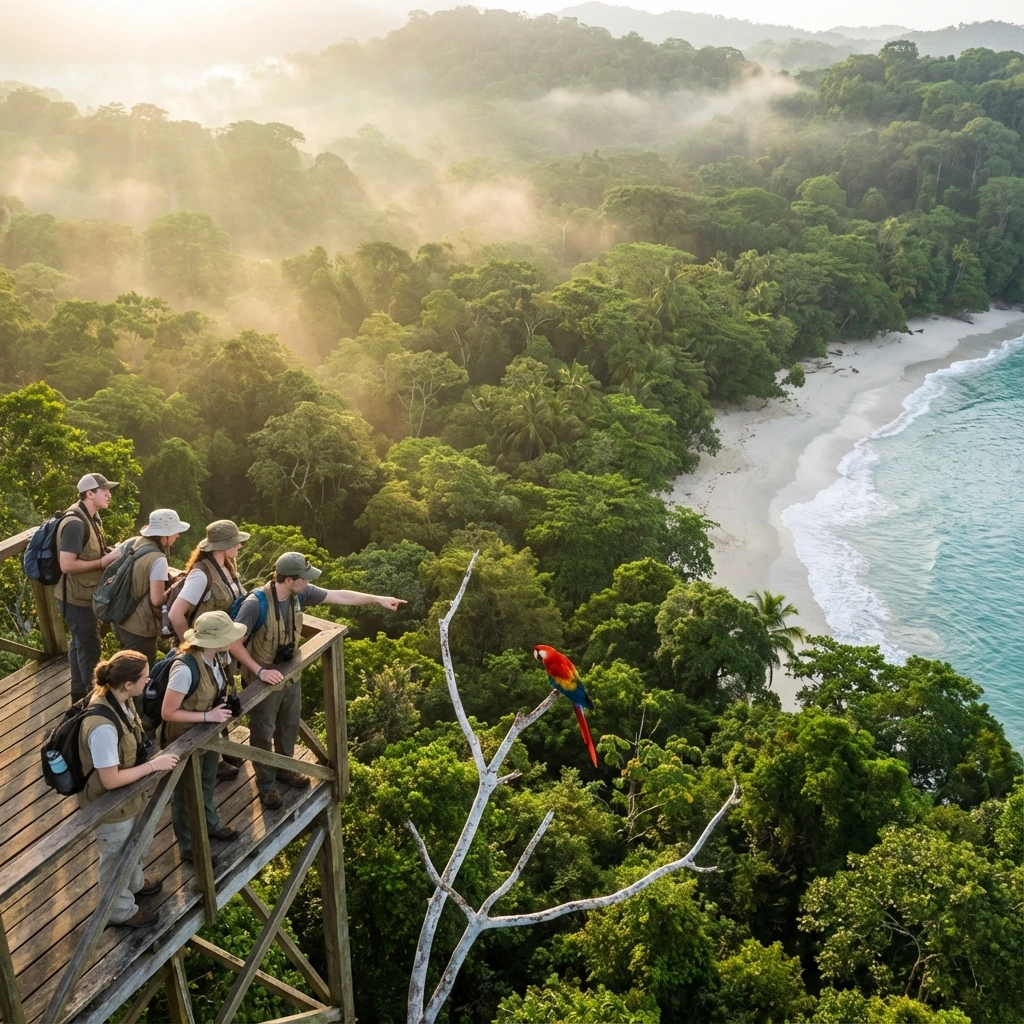
Rainforest biodiversity surveys and species monitoring
Wildlife rescue and rehabilitation center support
Reforestation projects and habitat restoration
Bird migration tracking and nest monitoring programs
Research-Based Conservation Projects:
Camera trap installation and wildlife behavior documentation
Water quality testing and ecosystem health assessments
Climate change impact studies on local species
Community-based conservation education initiatives
Select conservation work that provides hands-on scientific methodology training while addressing real environmental challenges. Ensure your chosen focus area offers sufficient depth for meaningful Costa Rica hands-on science learning experiences that extend beyond superficial volunteer tourism.
Document specific learning outcomes you expect students to achieve through their conservation work. This preparation ensures your service learning Costa Rica program delivers measurable academic value alongside environmental impact.
Step 2: Partner With Established Conservation Organizations
Collaborate with reputable organizations that maintain long-term community relationships and possess necessary infrastructure to support student groups safely and effectively. Established partnerships ensure your Costa Rica student conservation project contributes to ongoing research efforts rather than creating isolated activities.
Recommended Partnership Criteria:
Organizations with university accreditation and formal educational programs
Groups offering structured orientation and safety protocols
Partners providing professional supervision and mentorship
Organizations with documented conservation impact and community integration
Research potential partners thoroughly, examining their safety records, educational credentials, and actual conservation outcomes. Request detailed information about their student supervision protocols, emergency procedures, and academic support systems.
Verify that partner organizations offer meaningful work assignments rather than token activities. Effective Costa Rica school volunteering opportunities should involve students in legitimate research collection, habitat restoration, or wildlife care activities that contribute to broader conservation goals.
Schedule pre-trip consultations with potential partners to discuss your specific educational objectives, group size limitations, and required academic documentation. Establish clear expectations regarding student responsibilities, supervision levels, and learning outcome measurements.
Step 3: Structure Comprehensive Service Learning Components
Design your program to include substantial service learning hours that create measurable conservation impact while supporting rigorous academic standards. Effective student travel Costa Rica programs balance direct conservation work with structured reflection and academic integration activities.
Essential Service Learning Elements:
Minimum 10-15 hours of direct conservation fieldwork per week
Daily data collection and scientific documentation requirements
Structured reflection sessions with professional conservation mentors
Collaborative projects with local students and community members
Academic Integration Strategies:
Pre-departure research assignments on local ecosystems and conservation challenges
Field journal maintenance with scientific observation protocols
Data analysis projects using information collected during conservation work
Final presentations documenting research findings and conservation impact
Ensure service learning activities connect directly to curriculum standards in biology, environmental science, geography, or related subjects. Develop assessment rubrics that evaluate both conservation work quality and academic learning achievement.
Create structured opportunities for students to interact with local conservation professionals, researchers, and community members. These interactions enhance cultural understanding while providing authentic insights into international conservation careers and environmental stewardship approaches.
Step 4: Plan Program Duration, Logistics, and Safety Protocols
Determine optimal program length based on educational objectives, budget constraints, and meaningful conservation contribution requirements. Most effective Costa Rica wildlife trips for students require minimum two-week durations to achieve substantial learning outcomes and conservation impact.
Program Duration Considerations:
One-week programs: Limited to orientation and introductory conservation activities
Two-week programs: Adequate time for meaningful conservation work and cultural immersion
Three-week programs: Comprehensive conservation projects with advanced research components
Four-week programs: In-depth specialization with independent research opportunities
Logistical Planning Requirements:
Airport transportation and in-country travel arrangements
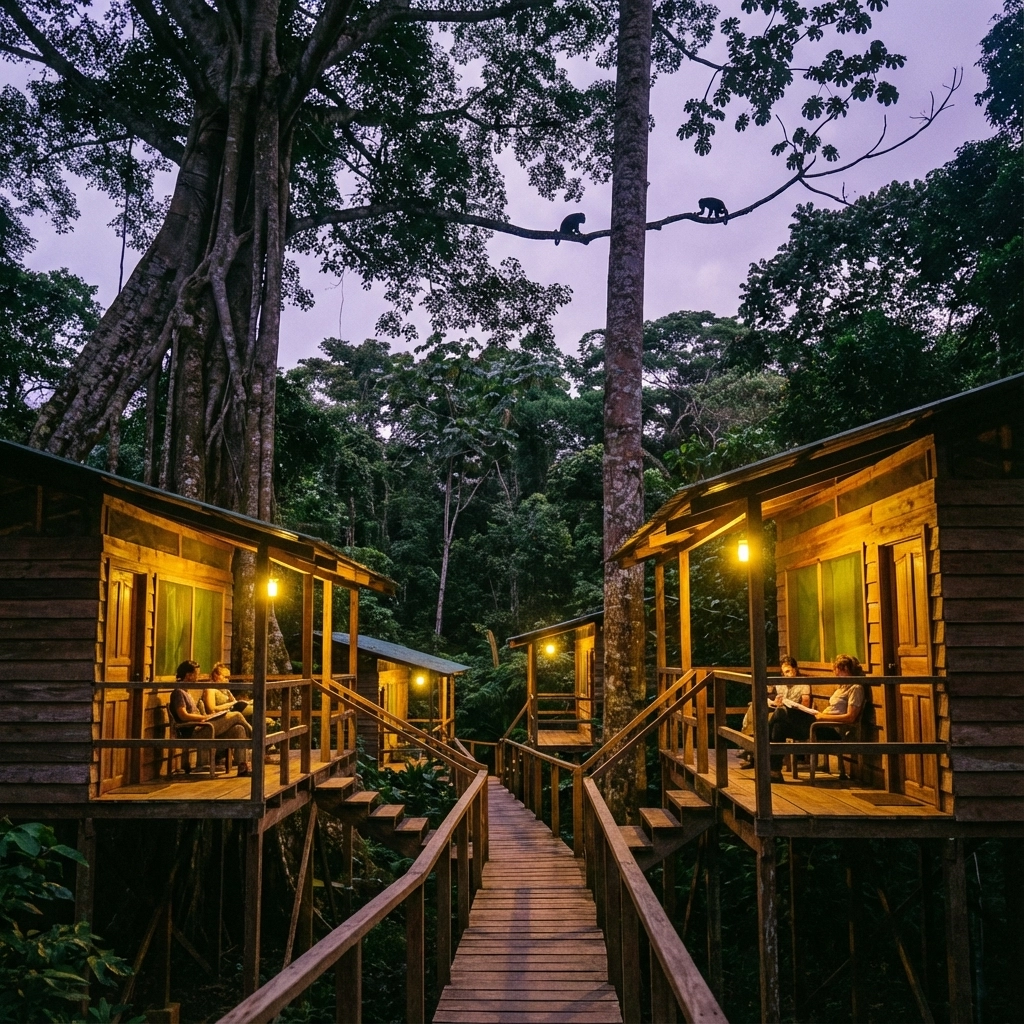
Accommodation selection based on safety standards and educational value
Meal planning considering dietary restrictions and cultural exposure
Communication systems for regular parent and school updates
Safety Protocol Development:
Emergency contact information and evacuation procedures
Medical care access and insurance verification requirements
Risk assessment documentation for all planned activities
Supervision ratios and chaperone responsibility assignments
Schedule program timing to align with optimal wildlife observation periods and conservation work opportunities. Research seasonal patterns affecting your chosen conservation focus area to maximize educational value and student engagement levels.
Coordinate with school administrative requirements for international travel, including permission forms, medical documentation, and academic credit arrangements. Ensure all participants understand their responsibilities for conservation work and cultural sensitivity expectations.
Step 5: Implement Comprehensive Preparation and Reflection Protocols
Develop thorough pre-departure preparation programs that maximize learning potential and ensure student readiness for meaningful conservation work. Effective preparation transforms Costa Rica STEM trips for students from simple travel experiences into transformative educational opportunities.
Pre-Departure Preparation Components:
Costa Rican ecosystem and biodiversity education sessions
Spanish language basics for conservation work communication
Cultural sensitivity training and community interaction protocols
Conservation methodology and scientific data collection training
During-Program Reflection Activities:
Daily field journal documentation with guided reflection prompts
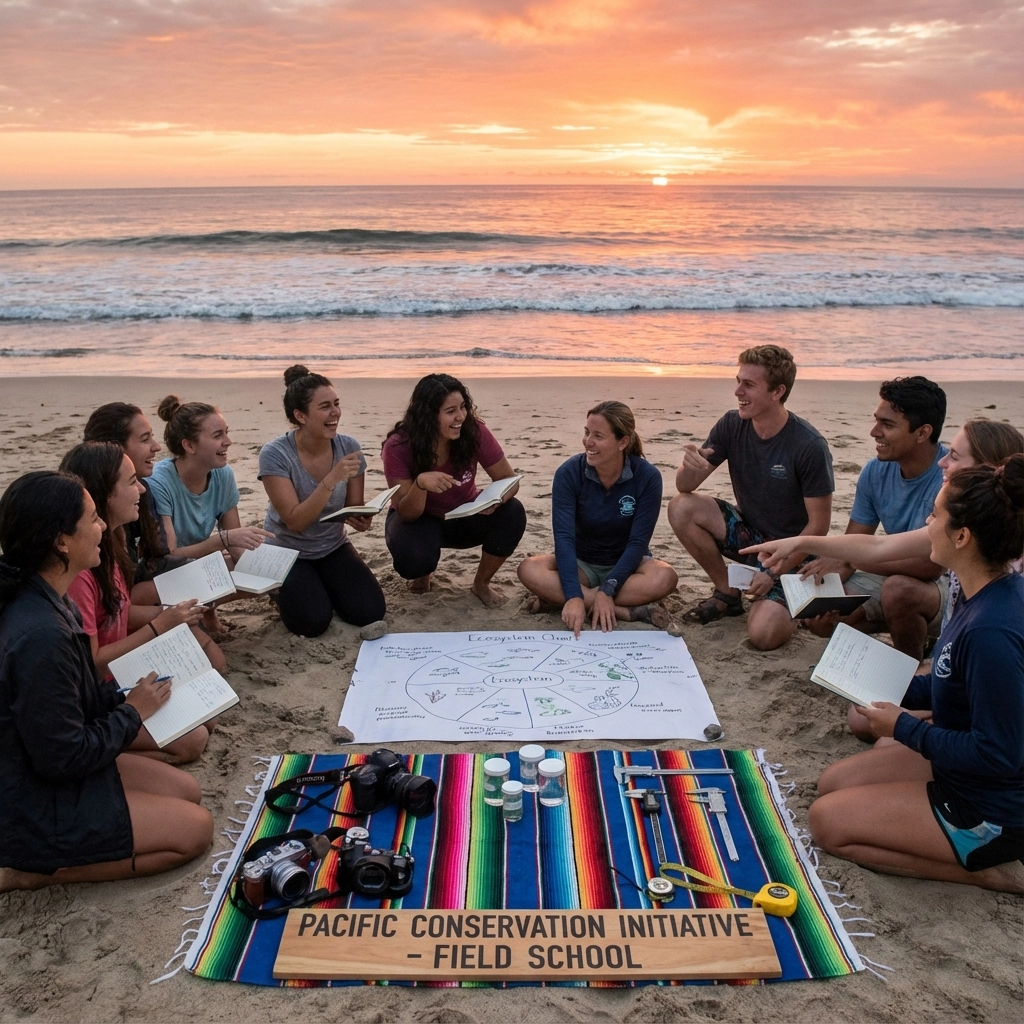
Weekly group discussions facilitated by conservation professionals
Peer presentation opportunities sharing individual research findings
Problem-solving sessions addressing conservation challenges encountered
Post-Program Integration Strategies:
Comprehensive data analysis and research report completion
School presentation opportunities sharing conservation experiences
Community outreach projects extending conservation awareness locally
Long-term communication with conservation partners and local communities
Establish clear academic credit requirements and assessment criteria before departure. Students should understand expectations for conservation work participation, academic documentation, and reflection assignment completion.
Create opportunities for students to share their conservation experiences with broader school and community audiences. These presentations reinforce learning while promoting environmental awareness and inspiring future educational trips Costa Rica for other student groups.
Ensuring Long-Term Impact and Continued Engagement
Successful service learning Costa Rica programs extend beyond immediate travel experiences to create lasting environmental awareness and conservation commitment among participants. Develop follow-up activities that maintain student engagement with conservation issues and international environmental stewardship.
Encourage students to maintain relationships with conservation organizations and local communities they worked with during their trip. These ongoing connections provide opportunities for continued learning and potential future conservation involvement.
Document program outcomes through comprehensive evaluation processes that measure both academic achievement and conservation impact. Use this assessment data to improve future programs and demonstrate the value of international conservation education to school administrators and parents.
Consider establishing partnerships with other schools to share resources and create larger conservation impact through coordinated Costa Rica student conservation projects. Collaborative approaches can enhance program sustainability while reducing per-student costs.
Ready to transform your students' understanding of wildlife conservation through hands-on international experience? Appleseed Expeditions specializes in designing comprehensive educational travel programs that combine rigorous academic standards with meaningful conservation work, ensuring your students return with both scientific knowledge and lifelong environmental commitment.

Comments