


7 Mistakes You are Making with Costa Rica Student Wildlife Trips (And How Service Learning Fixes Them)

Updated: Jan 19
Planning a student trip to Costa Rica requires careful consideration of educational objectives, safety protocols, and meaningful engagement opportunities. While Costa Rica offers unparalleled biodiversity and wildlife viewing experiences, many educators fall into common pitfalls that diminish the educational impact of these expeditions. Understanding these mistakes: and implementing service learning Costa Rica approaches: ensures your students gain maximum educational value while contributing positively to conservation efforts.
Mistake #1: Prioritizing Passive Wildlife Observation Over Active Scientific Research
Traditional Costa Rica wildlife trip for students often focus solely on spotting animals and taking photographs, missing crucial opportunities for hands-on scientific engagement. Students become passive observers rather than active researchers, limiting their understanding of complex ecological relationships and conservation challenges.
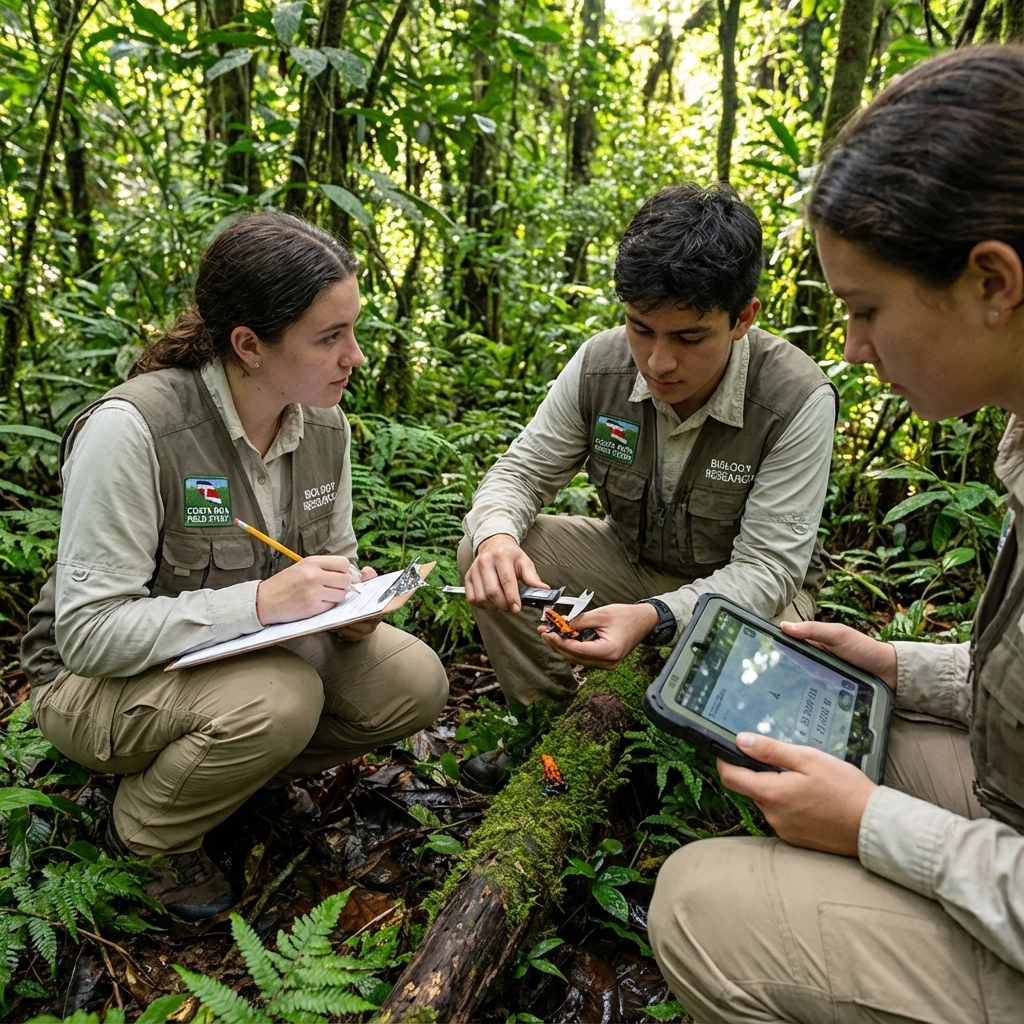
Service Learning Solution: Transform your educational trip Costa Rica into a research expedition by partnering with local conservation organizations conducting wildlife monitoring projects. Students can assist with data collection, GPS tracking, and behavioral observations that contribute to ongoing scientific studies. This approach transforms students from tourists into citizen scientists, providing them with authentic research experience while supporting critical conservation work.
Establish clear research objectives before departure. Assign students specific data collection responsibilities, such as documenting bird migration patterns, monitoring butterfly populations, or tracking marine turtle nesting behaviors. This hands-on approach ensures students develop scientific methodology skills while contributing meaningful data to conservation efforts.
Mistake #2: Implementing Short-Term Visits Without Community Partnerships
Many Costa Rica student group travel programs operate as isolated experiences, visiting communities without establishing genuine partnerships or understanding local conservation needs. This approach fails to provide students with authentic cultural exchange opportunities and limits the positive impact of their visit.
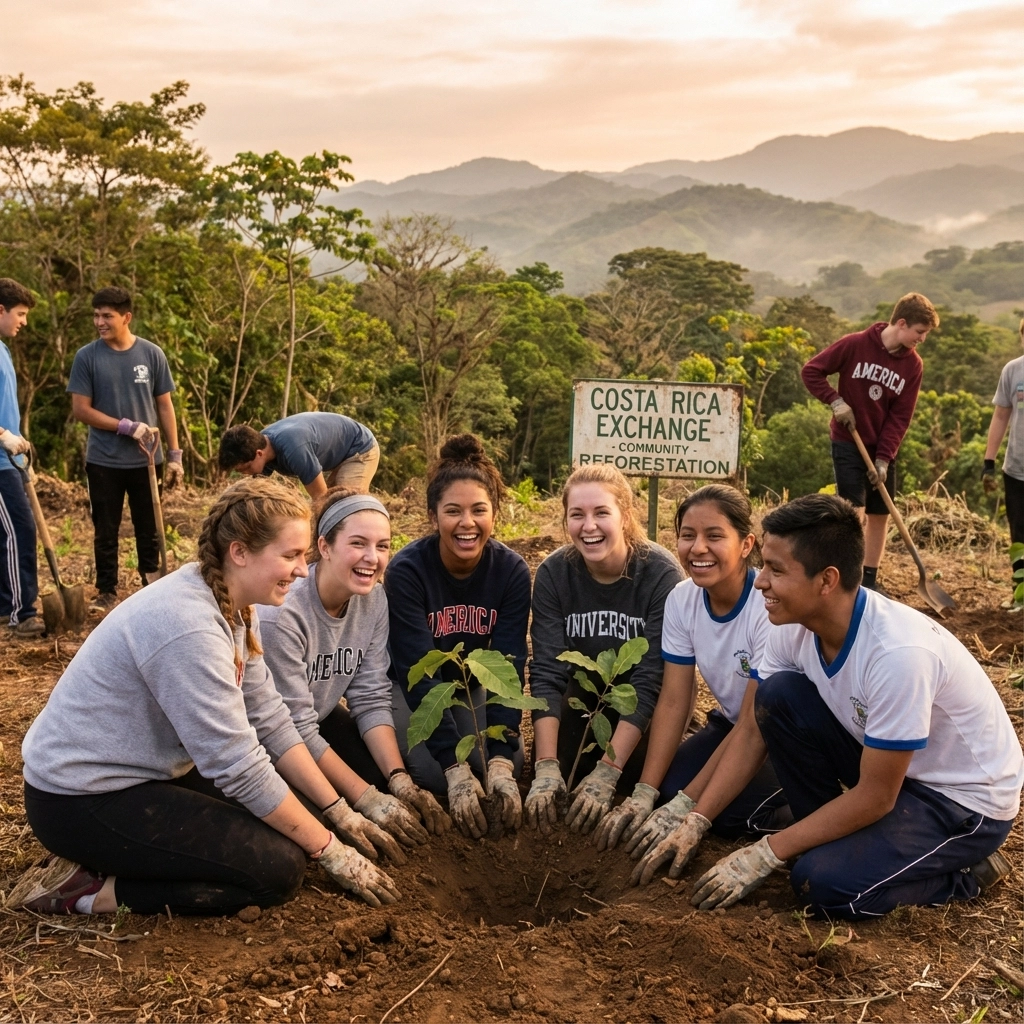
Service Learning Solution: Develop long-term partnerships with Costa Rican communities, schools, and conservation organizations before your trip. Engage students in collaborative projects that address specific community-identified needs, such as habitat restoration, environmental education programs, or wildlife corridor establishment.
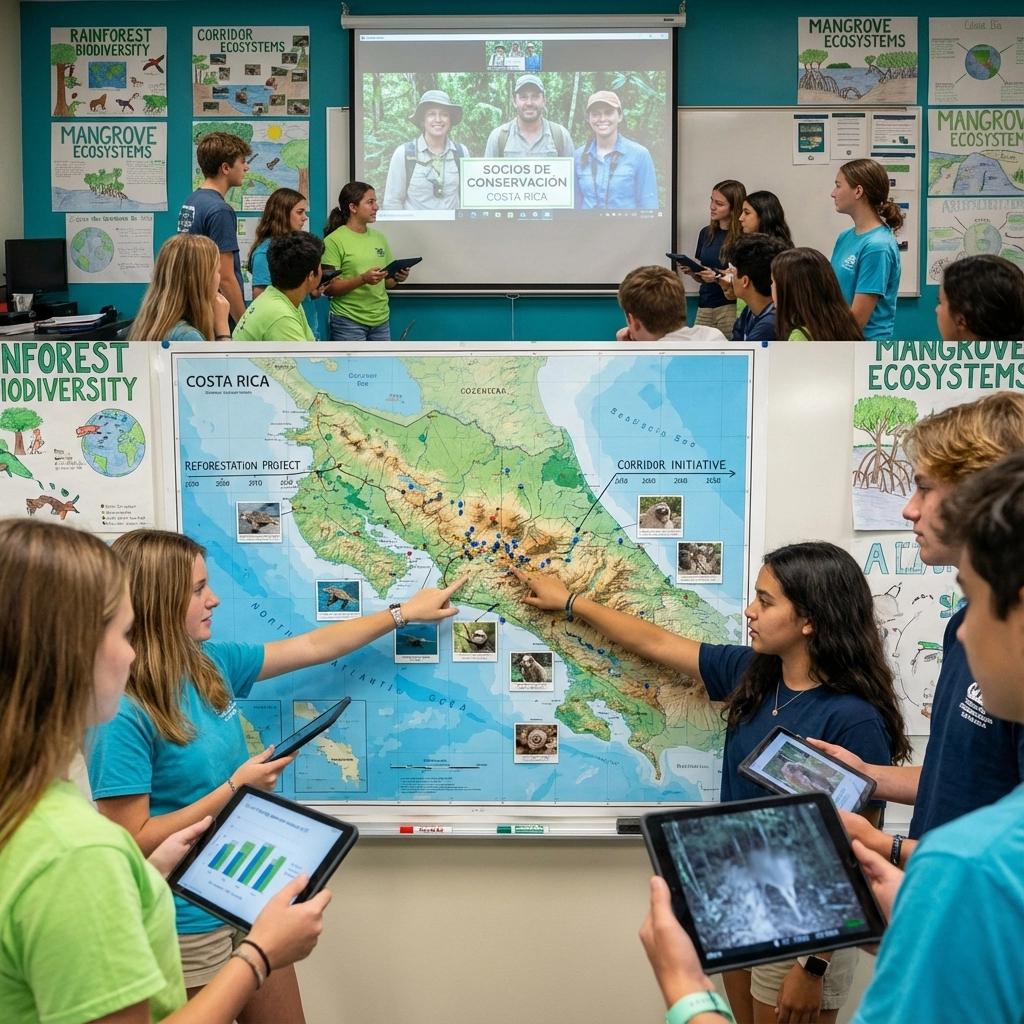
Begin partnership development months before departure. Connect your students with Costa Rican counterparts through video conferences, allowing them to understand local perspectives and collaborate on project planning. This preparation ensures your service learning Costa Rica experience creates lasting relationships and measurable conservation impact.
Mistake #3: Focusing Exclusively on Charismatic Megafauna
Traditional wildlife trips often emphasize large, visually impressive animals while overlooking the intricate relationships between smaller species that form the foundation of Costa Rica's ecosystems. This narrow focus limits students' understanding of biodiversity and ecological interconnectedness.
Service Learning Solution: Implement comprehensive Costa Rica hands-on science learning approaches that examine entire ecosystems rather than individual species. Engage students in projects that highlight the critical roles of insects, soil microorganisms, and plant species in maintaining ecological balance.
Design activities that demonstrate ecological relationships through direct observation and data collection. Students can study pollinator networks, analyze soil composition, or monitor water quality indicators. These activities provide deeper understanding of ecosystem function while contributing valuable data to conservation research.
Mistake #4: Insufficient Pre-Trip Educational Preparation
Many educators underestimate the importance of comprehensive pre-departure education, sending students to Costa Rica without adequate background knowledge of local ecosystems, conservation challenges, or cultural contexts. This lack of preparation diminishes the educational impact and limits students' ability to engage meaningfully with their experiences.
Service Learning Solution: Implement extensive pre-trip curriculum that covers Costa Rican biodiversity, conservation history, indigenous cultures, and current environmental challenges. Connect this preparation directly to service learning objectives, ensuring students understand how their contributions address specific conservation needs.
Begin educational preparation at least six months before departure. Incorporate Costa Rica field studies for schools methodology into your classroom instruction, using digital resources, virtual field trips, and guest speakers to build foundational knowledge. This preparation ensures students arrive ready to contribute meaningfully to conservation efforts.
Mistake #5: Operating Independently Without Local Conservation Partnerships
Traveling without established relationships with local conservation organizations limits educational opportunities and reduces positive impact on wildlife protection efforts. Students miss opportunities to understand conservation from local perspectives and contribute to ongoing protection initiatives.
Service Learning Solution: Partner with established Costa Rican conservation organizations, research stations, or community groups conducting wildlife protection work. These partnerships provide authentic learning experiences while ensuring student contributions address genuine conservation needs.
Research and contact potential partners early in your planning process. Organizations such as local turtle conservation groups, bird migration monitoring stations, or reforestation projects offer excellent collaboration opportunities for high school wildlife programs Costa Rica. Establish clear expectations and outcomes for student participation to ensure meaningful engagement.
Mistake #6: Lacking Post-Trip Follow-Up and Continued Engagement
Many student wildlife trips end when students return home, missing crucial opportunities for reflection, continued learning, and ongoing conservation contributions. This approach limits long-term educational impact and fails to develop students' commitment to wildlife protection.
Service Learning Solution: Design comprehensive post-trip engagement activities that maintain connections with Costa Rican partners and continue conservation work at home. Students can present findings to younger classes, organize fundraising efforts for partner organizations, or implement local conservation projects inspired by their Costa Rican experiences.
Create structured reflection opportunities that help students process their experiences and identify ways to continue their conservation contributions. Establish ongoing communication channels with Costa Rican partners, allowing students to track the long-term impact of their service learning contributions.
Mistake #7: Treating Wildlife Encounters as Entertainment Rather Than Educational Opportunities
Traditional wildlife tourism approaches often prioritize excitement and photo opportunities over educational content, missing chances to develop students' scientific understanding and conservation awareness. This entertainment-focused approach fails to cultivate lasting appreciation for wildlife protection.
Service Learning Solution: Frame every wildlife encounter as a learning opportunity that connects to broader conservation themes. Implement structured observation protocols that require students to document behaviors, analyze ecological relationships, and consider conservation implications.
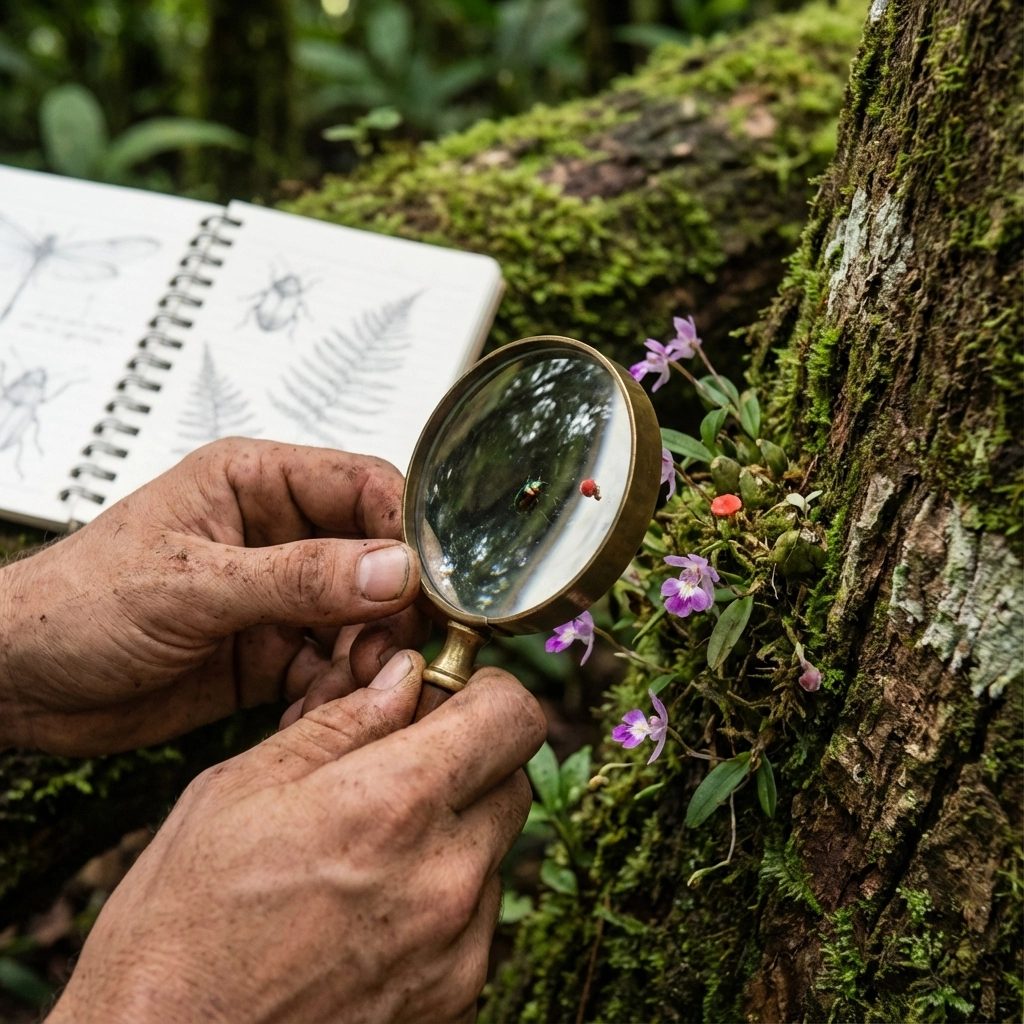
Provide students with field journals, data collection sheets, and research questions that transform wildlife observations into scientific investigations. This approach ensures Costa Rica STEM trips for students maintain educational focus while providing engaging, hands-on learning experiences.
Implementing Successful Service Learning Approaches
Successful student travel Costa Rica programs require careful planning, authentic partnerships, and clear educational objectives. Begin planning at least twelve months before departure to ensure adequate preparation time and partnership development. Establish specific, measurable outcomes for both educational objectives and conservation contributions.
Communicate extensively with all stakeholders: students, parents, school administrators, and Costa Rican partners: throughout the planning process. Provide detailed itineraries, safety protocols, and educational expectations to ensure everyone understands the trip's service learning focus.
Prepare students for active participation in conservation work by providing background knowledge, skill development, and cultural preparation. This comprehensive approach ensures students arrive ready to contribute meaningfully to wildlife protection efforts while gaining maximum educational benefit from their experiences.
Creating Lasting Impact Through Student Conservation Work
Transform your educational trip Costa Rica into a catalyst for lifelong conservation commitment by connecting students with ongoing wildlife protection efforts. Students who participate in authentic service learning experiences often continue their conservation involvement long after returning home, creating lasting positive impact for Costa Rican wildlife.
Document student contributions and conservation outcomes to demonstrate the effectiveness of service learning approaches. Share these results with school administrators, parents, and potential funding sources to support future Costa Rica field studies for schools programs.
Ensure your service learning approach addresses genuine conservation needs identified by local partners. This authentic engagement provides students with meaningful work experience while contributing to critical wildlife protection efforts in Costa Rica's diverse ecosystems.

Comments