


Struggling For Student Engagement? 10+ Peru Field Study Examples That Make Spanish & Science Unforgettable

Updated: Jan 19
Student disengagement has reached critical levels across American classrooms. Traditional textbook learning fails to inspire the curiosity and passion necessary for deep learning in both science and world languages. The solution lies in educational science trips to Peru for students that combine hands-on scientific investigation with authentic Spanish language immersion.
Peru offers an unparalleled educational laboratory where students simultaneously develop scientific literacy and Spanish fluency through direct experience. The country's diverse ecosystems, rich archaeological heritage, and vibrant Spanish-speaking communities create ideal conditions for transformative learning experiences that traditional classroom settings cannot replicate.
Why Peru Excels for Combined Science and Language Education
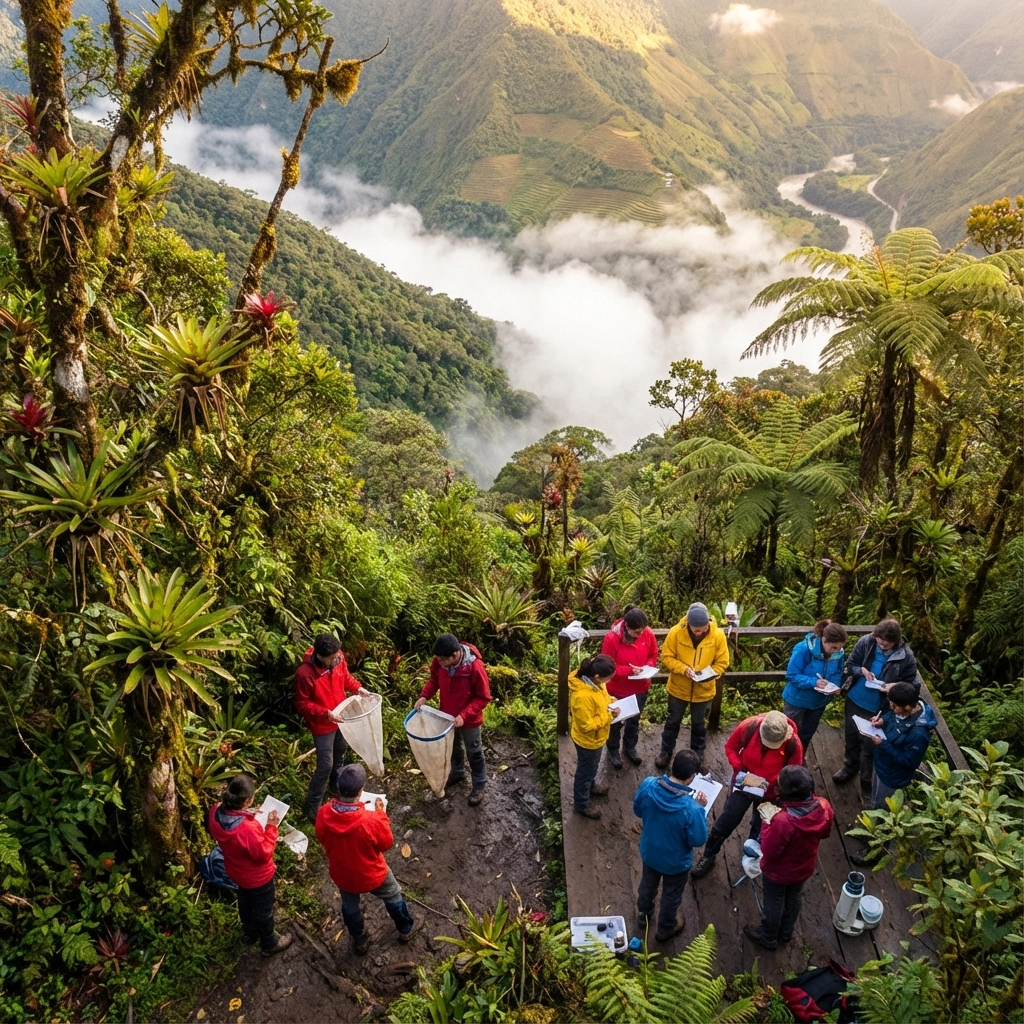
Peru's unique geographical position encompasses the Amazon rainforest, Andean mountains, and Pacific coastline, providing diverse scientific research opportunities within a single Spanish-speaking nation. Students engage with native Spanish speakers daily while conducting meaningful scientific investigations, creating natural language acquisition through purposeful communication rather than artificial classroom exercises.
The country's indigenous communities maintain traditional ecological knowledge that complements modern scientific understanding, offering students perspectives on sustainable practices and environmental stewardship unavailable in conventional academic settings. This combination ensures students develop both scientific thinking skills and cultural competency essential for global citizenship.
Archaeological Science Field Studies
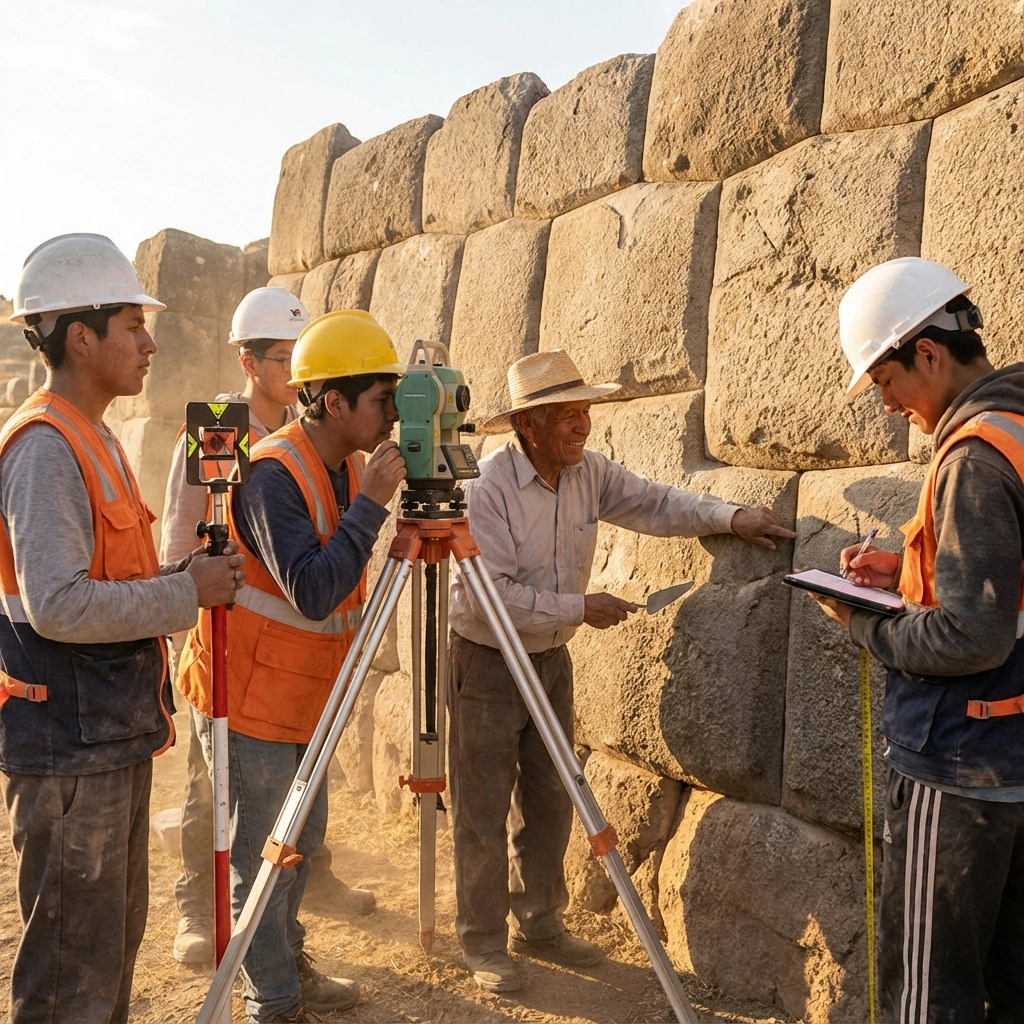
1. Machu Picchu Archaeological Documentation Project Students learn Spanish terminology for archaeological tools and techniques while documenting stone structures using photogrammetry and GPS technology. They practice conversational Spanish with local guides and archaeologists, discussing Incan engineering principles and construction methods. This language immersion program in Peru for high school students combines STEM skills with historical inquiry and cultural appreciation.
2. Nazca Lines Geometric Analysis Teams measure and analyze the mathematical precision of ancient geoglyphs using surveying equipment while communicating findings in Spanish. Students interview local researchers about preservation techniques and archaeological theories, developing technical vocabulary in both Spanish and scientific contexts.
3. Chan Chan Adobe Analysis Laboratory Students conduct materials science experiments on traditional adobe construction techniques while working alongside Peruvian archaeology students. Laboratory discussions occur entirely in Spanish, forcing authentic language use for complex scientific concepts and collaborative problem-solving.
Amazon Biodiversity Research Programs
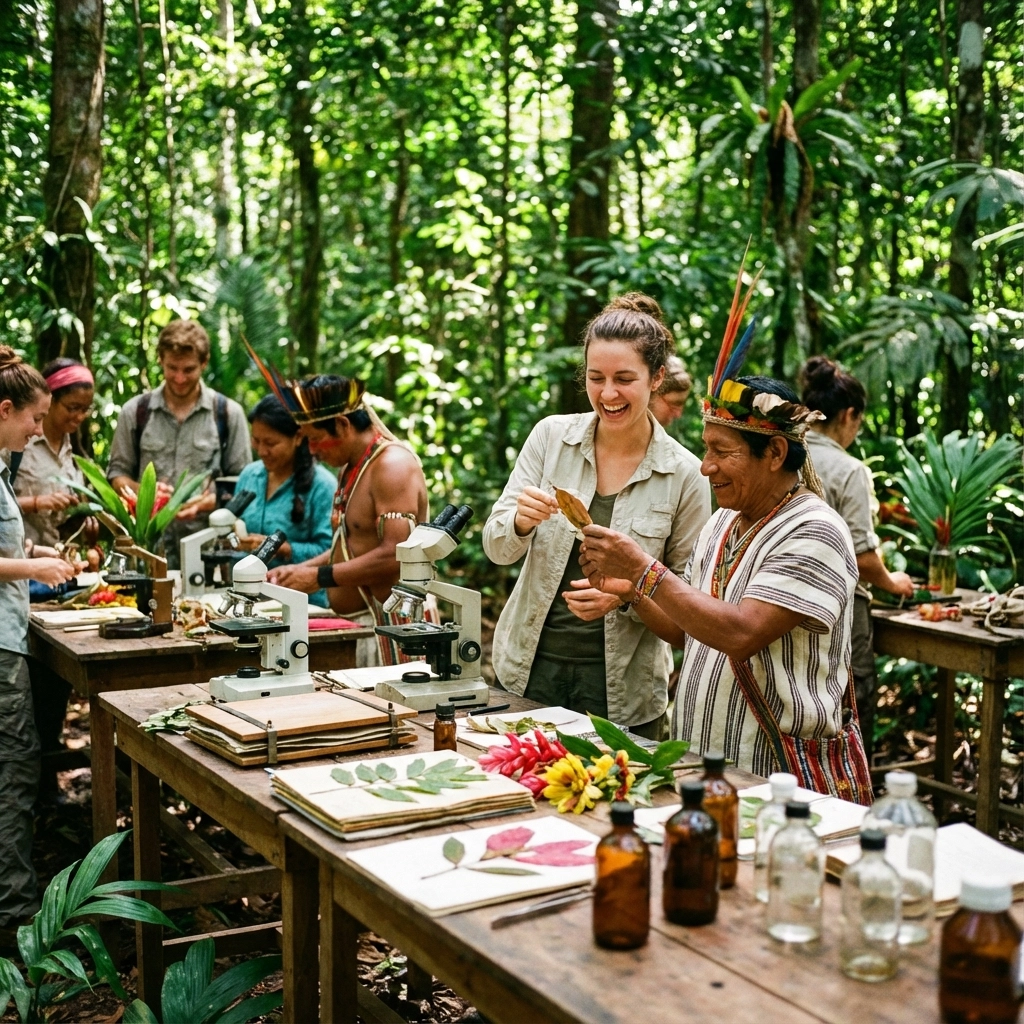
4. Rainforest Canopy Ecosystem Study Students establish research plots in protected Amazon areas, cataloging species diversity while communicating with indigenous guides in Spanish about traditional plant uses. They learn botanical terminology in Spanish, conduct water quality testing, and present findings to local conservation organizations.
5. Medicinal Plant Ethnobotany Project Teams work with traditional healers to document medicinal plant preparations, learning Spanish names for hundreds of plant species while analyzing chemical compounds in field laboratories. This program combines chemistry, biology, and anthropology with intensive Spanish practice through expert interviews.
Marine and Coastal Science Expeditions
6. Pacific Current Ocean Research Students collect oceanographic data along Peru's coast while learning maritime Spanish vocabulary from local fishermen. They analyze the Humboldt Current's impact on marine ecosystems, communicating findings with Peruvian marine biology students through collaborative research presentations.
7. Coastal Erosion and Climate Change Study Teams document coastal changes using GIS technology while interviewing coastal community members about environmental impacts. Students practice scientific Spanish terminology while collecting sediment samples and measuring erosion rates at multiple coastal locations.
Astronomical and Space Science Programs
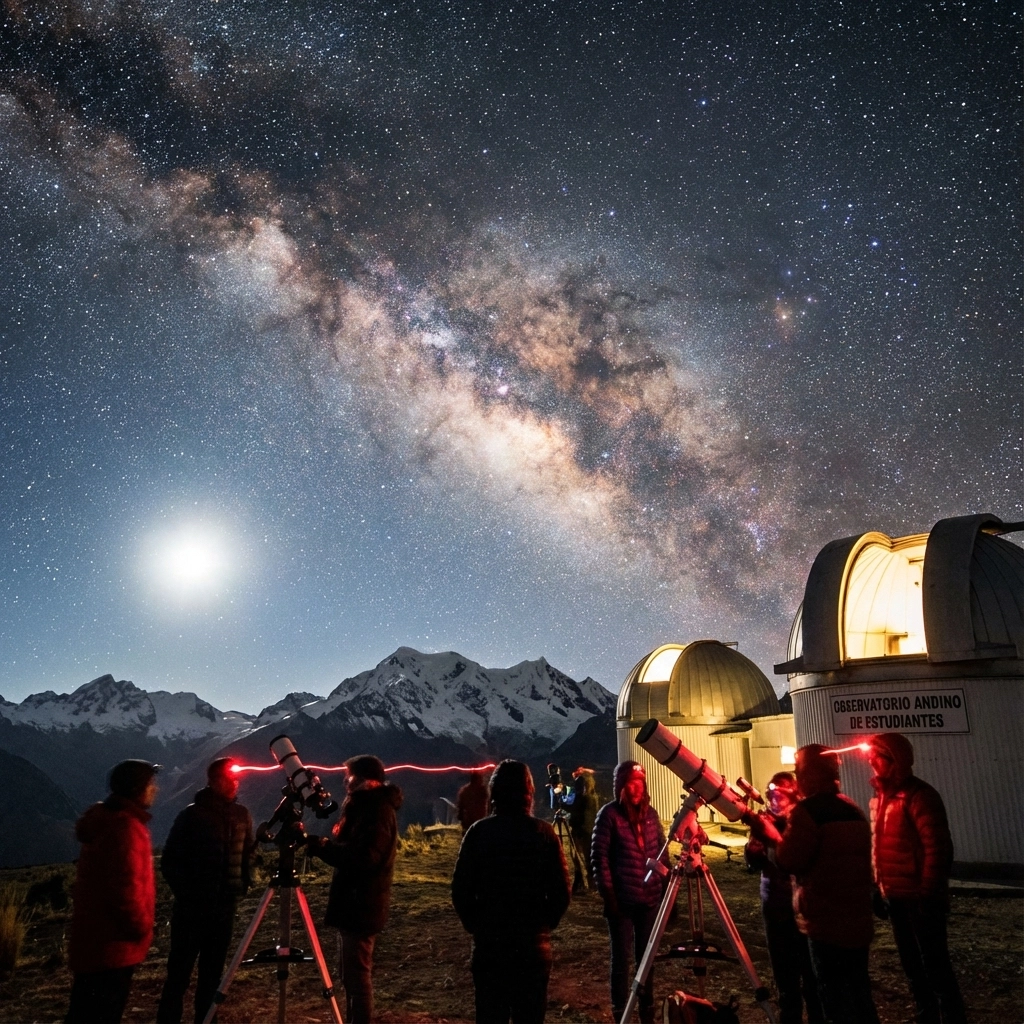
8. Andean Observatory Collaboration Students operate telescopes at high-altitude observatories while learning astronomical terminology in Spanish from Peruvian astronomers. They study unique southern hemisphere constellations and contribute to actual research projects, developing technical communication skills in Spanish scientific contexts.
9. Solar Energy Engineering Challenge Teams design and build solar installations for rural communities while coordinating with local engineers and residents entirely in Spanish. Students learn renewable energy principles while practicing technical Spanish vocabulary and project management communication.
Agricultural and Environmental Science
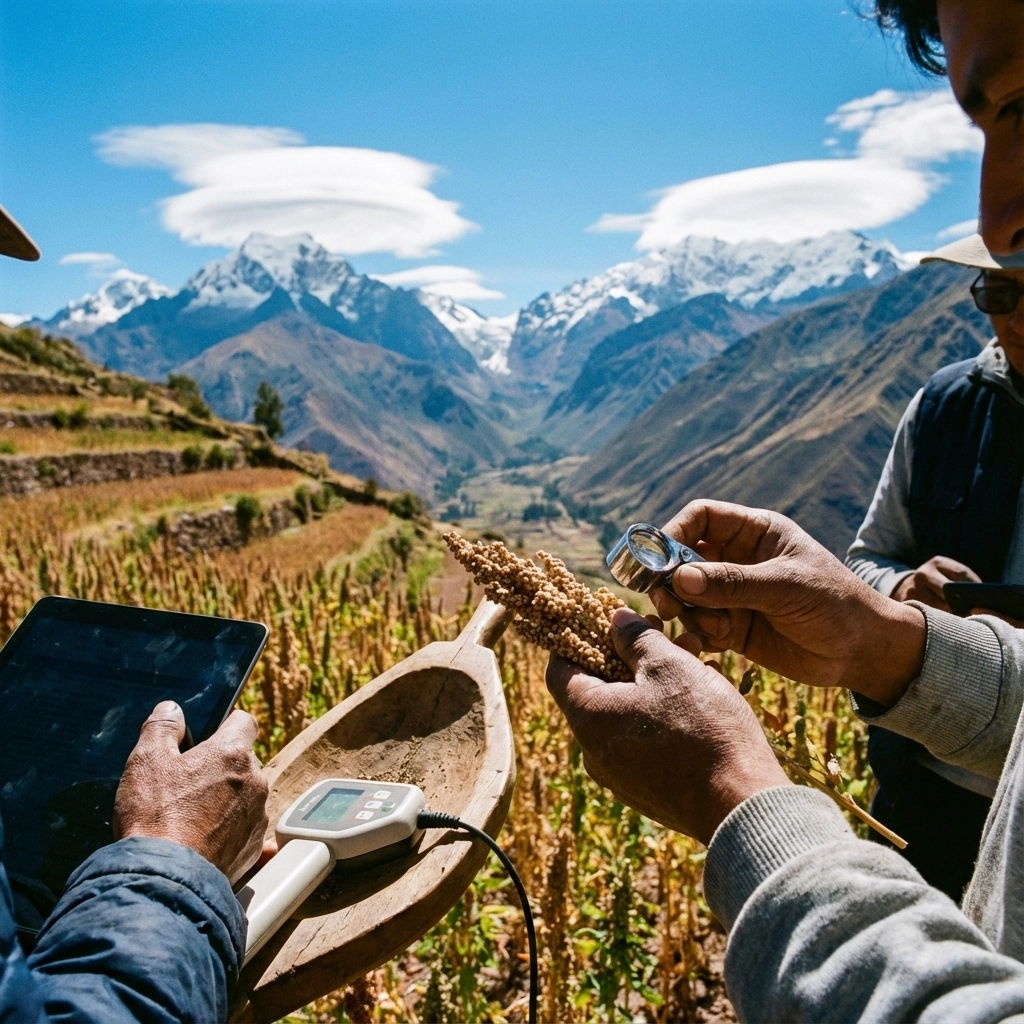
10. Quinoa Cultivation Research Project Students work with Andean farmers to study quinoa varieties' genetic diversity and climate adaptation, conducting soil tests and plant measurements while learning agricultural Spanish vocabulary. They present research findings to farming cooperatives, requiring sophisticated scientific communication in Spanish.
11. Water Resource Management Study Teams analyze watershed management in the Sacred Valley while working with local environmental engineers. Students conduct stream flow measurements, water quality testing, and erosion studies while coordinating research activities entirely in Spanish with community stakeholders.
Medical and Health Science Fieldwork
12. High-Altitude Physiology Research Students study human physiological adaptation to high altitude while working with Peruvian medical students in Cusco hospitals. They learn medical Spanish terminology, conduct basic health assessments, and analyze adaptation strategies used by indigenous populations.
13. Public Health Community Assessment Teams collaborate with local health workers to conduct community health surveys and water quality assessments in rural villages. Students practice medical Spanish while learning epidemiology principles and community health intervention strategies.
Implementation Strategies for Maximum Impact
Successful student travel packages for science exploration in Peru require careful preparation and structured implementation. Begin by establishing clear learning objectives that integrate specific scientific concepts with measurable Spanish language proficiency goals. Create assessment rubrics that evaluate both scientific understanding and Spanish communication skills across all activities.
Ensure proper preparation through pre-trip Spanish intensive courses focused on scientific vocabulary relevant to planned research activities. Students should arrive with basic conversational ability and technical terminology necessary for meaningful scientific collaboration with Spanish speakers.
Establish partnerships with Peruvian educational institutions and research organizations to provide authentic collaboration opportunities rather than superficial tourist experiences. These partnerships ensure students engage in genuine scientific work while practicing Spanish in professional contexts.
Safety and Logistical Considerations
Maintaining student safety during cultural and language learning trips to Peru for students requires comprehensive risk management planning. Establish clear protocols for high-altitude activities, remote area research, and urban fieldwork. Ensure all participants understand altitude sickness prevention and recognition symptoms before beginning mountain-based research activities.
Coordinate with local authorities and research institutions to ensure proper permits for scientific activities and access to restricted areas. Maintain constant communication with emergency services and establish evacuation procedures for remote research locations.
Provide comprehensive travel insurance covering both medical emergencies and research equipment replacement. Establish redundant communication systems for maintaining contact with participants during dispersed research activities.
Maximizing Educational Outcomes
Document all research activities through bilingual research journals that require students to record observations, hypotheses, and conclusions in both English and Spanish. This practice reinforces scientific thinking while developing academic Spanish writing skills.
Create collaborative final presentations delivered to mixed audiences of American students and Peruvian colleagues, requiring sophisticated scientific communication in Spanish. These presentations should demonstrate mastery of both scientific concepts and Spanish language proficiency.
Establish ongoing collaboration between American and Peruvian students through digital platforms, maintaining language practice and scientific collaboration beyond the initial field experience. This sustained engagement reinforces learning outcomes and develops lasting international partnerships.
Assessment and Evaluation Methods
Implement comprehensive assessment strategies that measure both scientific learning and Spanish language acquisition. Use authentic assessment methods including peer evaluations, self-reflection journals, and presentation rubrics that evaluate content mastery and language proficiency simultaneously.
Create portfolio systems documenting student growth in scientific thinking, Spanish communication, and cultural competency throughout the program. Include pre- and post-assessments measuring specific learning objectives established during program planning phases.
Conduct follow-up evaluations measuring retention of scientific concepts and Spanish language skills at three-month and one-year intervals to assess long-term program effectiveness and inform future program improvements.
These comprehensive Peru educational tours focusing on science and language transform student engagement by providing authentic contexts for learning that traditional classroom environments cannot replicate. Students return with enhanced scientific understanding, improved Spanish proficiency, and global perspectives essential for success in increasingly interconnected academic and professional environments.
Through careful planning and implementation of these field study examples, educators can create transformative educational experiences that address student engagement challenges while developing the scientific literacy and language skills essential for twenty-first-century success.

Field study truly transforms how students connect with language and science — moving beyond textbooks into lived experience. Programs like Executive courses in Lima, Peru show how immersive environments deepen both cultural fluency and scientific curiosity. Peru's ecosystems and heritage offer a classroom no four walls could ever replicate. Absolutely inspiring!