


Are Costa Rica Wildlife Expeditions Worth It? 7 Reasons High School STEM Trips Create Lifelong Conservationists
- Caleb Mullenix
- Dec 15, 2025
- 5 min read

Ensuring the educational impact of Costa Rica STEM trips for students extends far beyond the classroom requires careful consideration of both immediate learning outcomes and long-term behavioral changes. When properly planned and executed, a student trip to Costa Rica transforms into a powerful catalyst for developing environmental stewardship that persists throughout students' lives.
The question facing educators today centers on whether Costa Rica wildlife trip for students programs deliver sufficient return on investment: both educationally and financially. Research consistently demonstrates that immersive student wildlife experiences Costa Rica provides create measurable shifts in environmental awareness, career trajectories, and conservation behaviors that traditional classroom instruction cannot replicate.
1. Direct Wildlife Encounters Foster Emotional Connections to Conservation
Students participating in high school wildlife programs Costa Rica experience firsthand encounters with endangered species that create lasting emotional bonds with conservation efforts. Observing sea turtle nesting behaviors at Tortuguero National Park or tracking jaguar movements in Corcovado establishes visceral connections that textbook learning cannot achieve.
Document these encounters through structured observation journals that require students to record behavioral patterns, habitat requirements, and conservation status for each species encountered. Encourage students to photograph wildlife ethically while maintaining appropriate distances, creating visual records that reinforce memory formation and emotional attachment.
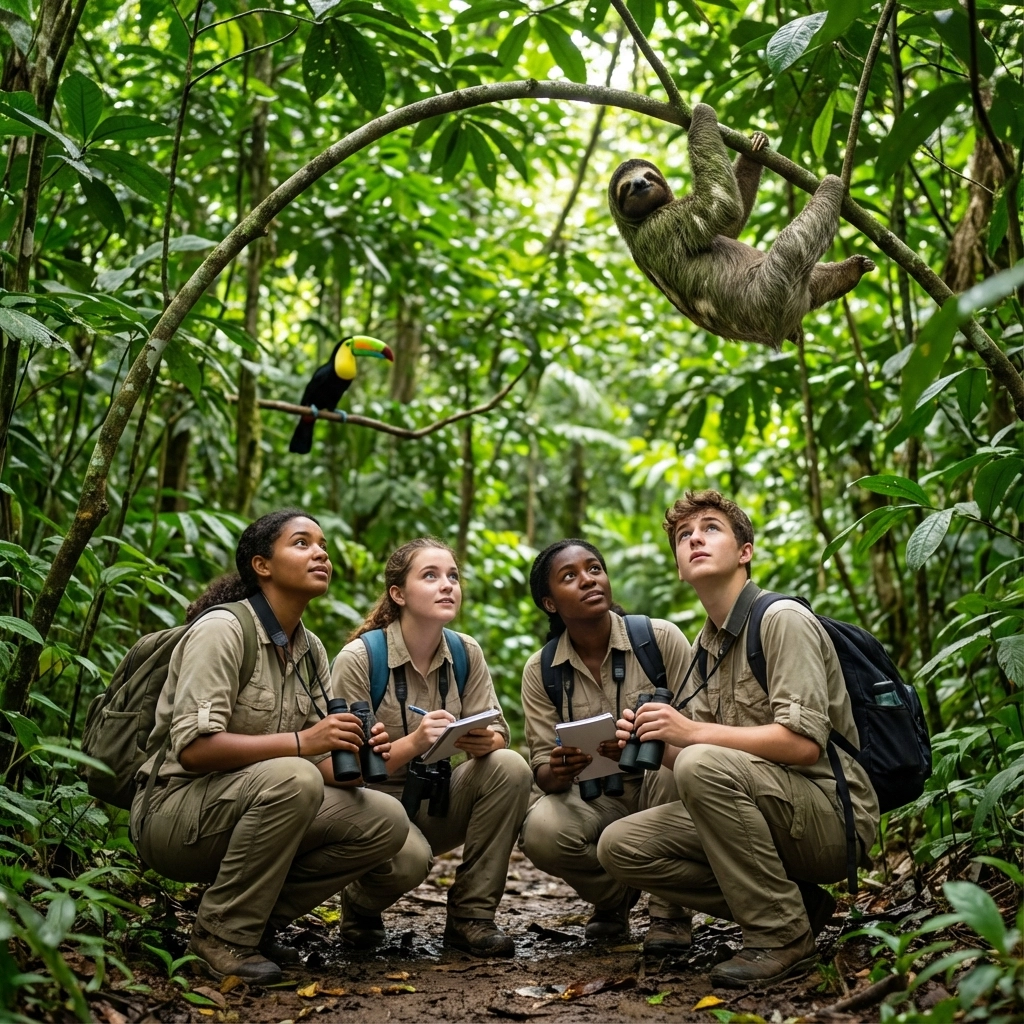
The neurological impact of direct animal encounters activates multiple learning pathways simultaneously. Students process visual, auditory, and kinesthetic information while experiencing emotional responses that enhance memory consolidation. This multi-sensory learning approach proves particularly effective for kinesthetic learners who struggle with traditional classroom instruction.
Prepare students for these encounters by establishing clear behavioral expectations and safety protocols. Brief participants on appropriate wildlife viewing distances, noise levels, and movement patterns that minimize stress on animals while maximizing observation opportunities.
2. Hands-On Research Projects Develop Scientific Thinking Skills
Costa Rica hands-on science learning opportunities allow students to participate in authentic research projects that contribute to ongoing conservation efforts. Partner with local research stations to involve students in data collection for sea turtle monitoring, bird population surveys, or forest regeneration studies.
Structure research activities to include hypothesis formation, data collection protocols, statistical analysis, and presentation of findings. Students learn to use scientific equipment including GPS units, binoculars, measuring tools, and data recording systems while contributing to legitimate scientific research.
Establish partnerships with local research organizations before departure to ensure students receive proper training and supervision. Coordinate with researchers to identify specific data collection needs that align with your curriculum objectives and student skill levels.
Create detailed research protocols that students can follow independently while maintaining data quality standards. Include backup data collection activities in case primary research opportunities become unavailable due to weather or wildlife behavior patterns.
3. Cultural Immersion Builds Global Environmental Awareness
An educational trip Costa Rica provides exposure to different cultural approaches to environmental stewardship that broaden students' perspectives on conservation strategies. Students observe sustainable farming practices, traditional ecological knowledge, and community-based conservation initiatives that demonstrate alternative models for human-environment relationships.
Arrange homestay experiences or community visits that allow students to interact directly with local conservation practitioners. Include structured discussions with indigenous community members, park rangers, and environmental educators who share traditional knowledge and contemporary conservation challenges.
Document cultural learning through reflection exercises that require students to compare Costa Rican environmental practices with those in their home communities. Encourage critical thinking about cultural values, economic factors, and policy approaches that influence conservation outcomes.
Prepare students for cultural differences by providing pre-trip orientation sessions that address appropriate behavior, language basics, and cultural sensitivity protocols. Emphasize the importance of respectful observation and active listening during community interactions.
4. Service Learning Components Create Investment in Conservation Outcomes
Costa Rica student conservation project participation transforms students from passive observers into active contributors to environmental protection efforts. Engage students in reforestation activities, beach cleanups, wildlife habitat restoration, or environmental education programs for local schools.
Structure service learning activities to include pre-project research, skill development sessions, project implementation, and outcome assessment. Students develop practical conservation skills while experiencing the satisfaction of contributing to meaningful environmental improvements.
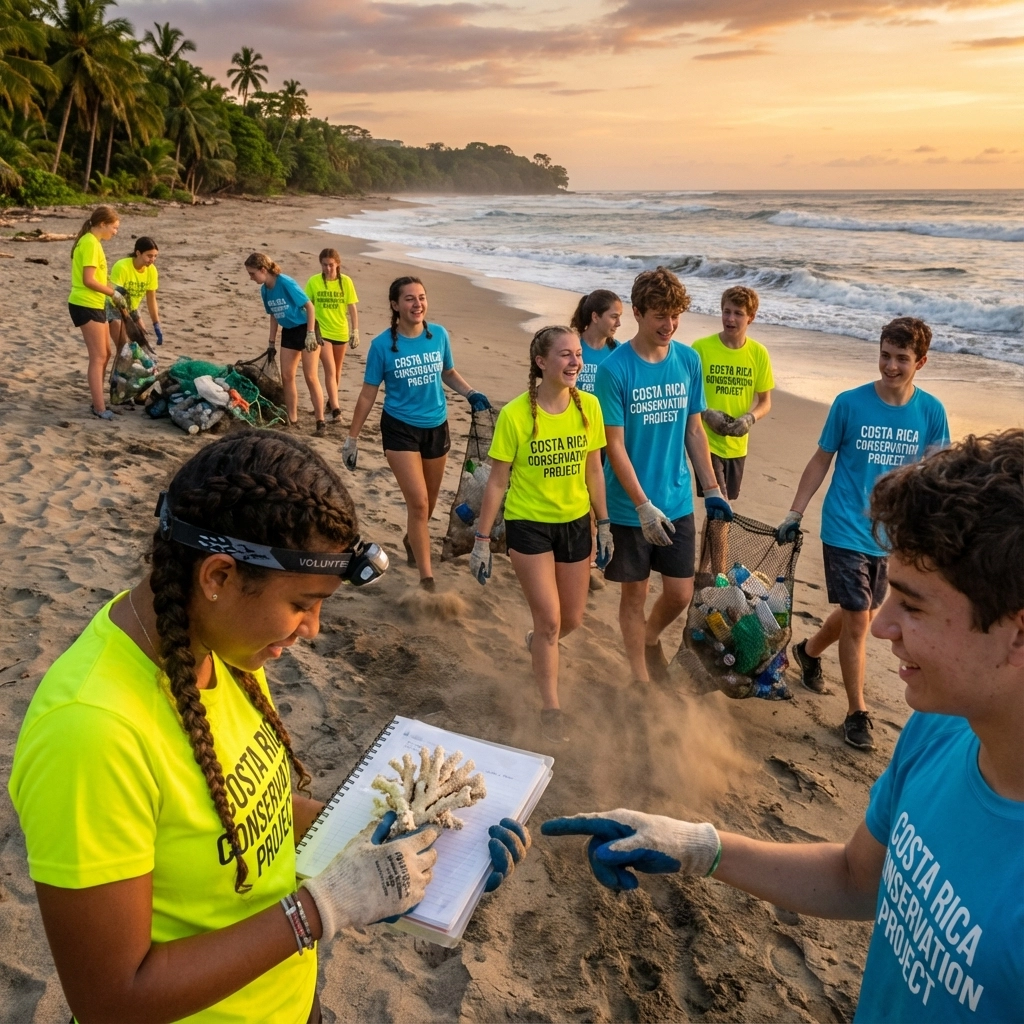
Partner with established conservation organizations that can provide proper supervision, tools, and safety equipment for service activities. Ensure that student contributions represent genuine assistance rather than symbolic gestures that provide minimal actual benefit.
Create reflection opportunities that help students connect service activities to broader conservation principles and personal responsibility for environmental protection. Include discussions about individual actions students can take in their home communities to support similar conservation efforts.
5. Ecosystem Diversity Demonstrates Interconnected Environmental Systems
Costa Rica's remarkable biodiversity allows students to observe multiple ecosystem types within a single trip, demonstrating the interconnected nature of environmental systems. Students experience cloud forests, rainforests, coastal wetlands, and marine environments while learning about species migration patterns, nutrient cycling, and climate influences.
Design itineraries that highlight ecosystem transitions and species adaptations to different environmental conditions. Include guided hikes that demonstrate elevation gradients, vegetation changes, and species distribution patterns that illustrate ecological principles.
Encourage students to maintain detailed field notebooks that document species observations, habitat characteristics, and environmental conditions across different ecosystems. Include sketches, measurements, and behavioral observations that reinforce learning through multiple recording methods.
Create comparative analysis exercises that require students to identify similarities and differences between ecosystems, species adaptations, and conservation challenges. Include discussions about how human activities impact ecosystem health and species survival across different habitat types.
6. Career Exposure Influences Long-Term Professional Trajectories
Costa Rica STEM trips for students provide exposure to conservation careers through interactions with field biologists, park rangers, environmental educators, and research scientists. Students observe daily work activities, learn about educational requirements, and discuss career satisfaction with environmental professionals.
Arrange career exploration sessions that include job shadowing opportunities, informational interviews, and hands-on demonstrations of professional activities. Include interactions with professionals at different career stages, from entry-level positions to senior researchers and administrators.
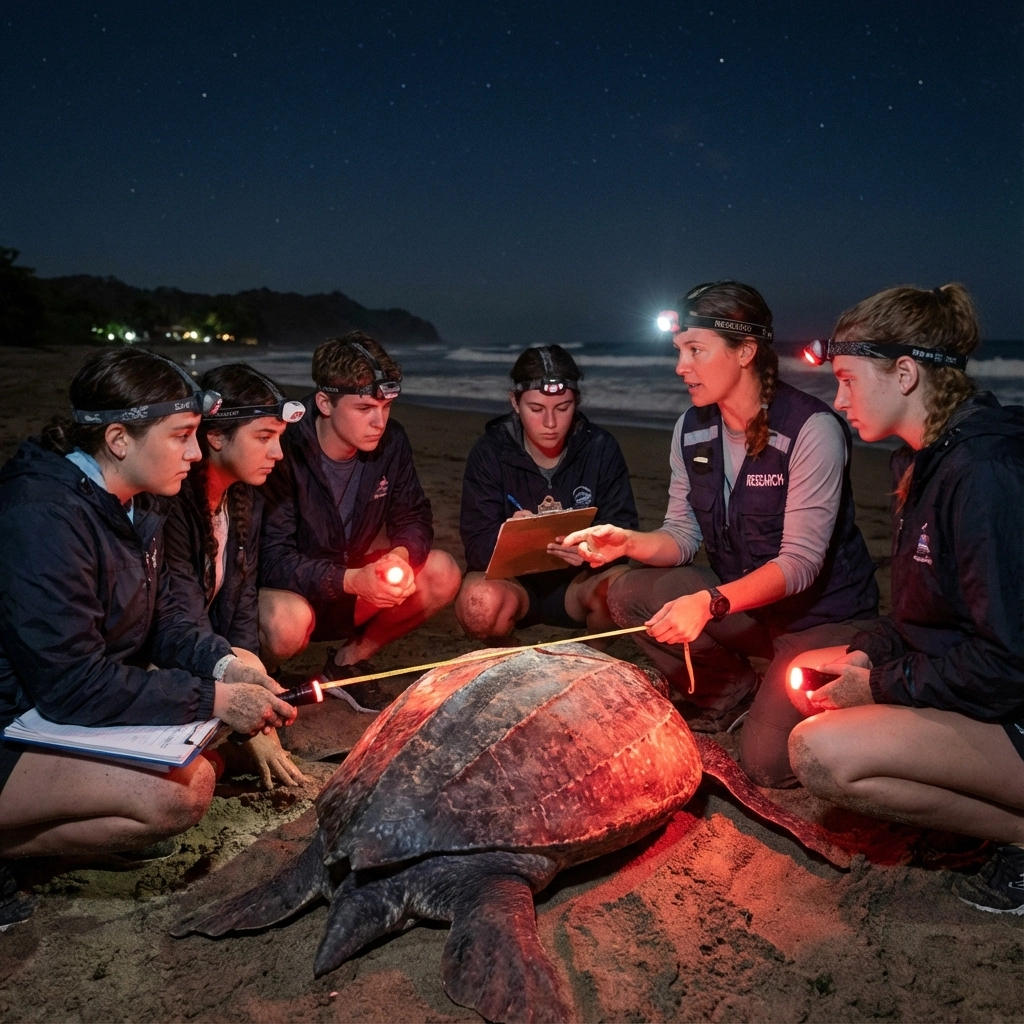
Create career reflection activities that help students identify personal interests, skill requirements, and educational pathways for conservation careers. Include discussions about volunteer opportunities, internship programs, and academic preparation strategies.
Document career learning through structured interviews with professionals that students conduct and present to their peers. Include questions about educational background, career progression, daily responsibilities, and advice for students interested in conservation work.
7. Leadership Opportunities Develop Environmental Advocacy Skills
Student leadership roles during immersive student wildlife experiences Costa Rica create opportunities for developing advocacy skills essential for effective conservation leadership. Assign students rotating leadership responsibilities for group activities, research presentations, and community interactions.
Structure leadership opportunities to include planning responsibilities, peer coordination, and problem-solving challenges that require critical thinking and communication skills. Include opportunities for students to lead educational activities for younger participants or community members.
Create presentation opportunities that require students to share learning experiences with external audiences, developing public speaking skills and environmental messaging abilities. Include opportunities for students to create educational materials, lead discussions, and facilitate group activities.
Provide mentorship and feedback throughout leadership activities to help students develop confidence and refine their communication skills. Include reflection sessions that help students identify leadership strengths and areas for continued development.
Maximizing Your Costa Rica Educational Experience
Begin planning your Costa Rica educational expedition by establishing clear learning objectives that align with your curriculum standards and student needs. Contact experienced educational travel providers who specialize in Costa Rica STEM trips for students to ensure proper logistical support and educational programming.
Prepare students through pre-trip orientation sessions that build background knowledge, establish behavioral expectations, and create excitement for learning opportunities. Include language preparation, cultural awareness training, and safety protocol reviews that ensure student readiness for international travel.
Create detailed assessment strategies that measure both immediate learning outcomes and long-term behavioral changes related to environmental awareness and conservation commitment. Include pre-trip and post-trip surveys that track changes in environmental knowledge, attitudes, and intended behaviors.
Appleseed Expeditions specializes in creating transformative Costa Rica wildlife expeditions that combine rigorous academic content with immersive conservation experiences, ensuring your students develop the knowledge, skills, and passion necessary for lifelong environmental stewardship.
Comments