


Are Educational Marine Science Trips Worth It? 7 Reasons Cayman Islands Programs Create Lifelong Ocean Scientists
- Caleb Mullenix
- Jan 5
- 6 min read

Updated: Jan 19
Establishing meaningful connections between students and marine science requires more than textbook learning and classroom demonstrations. Educational marine science travel Cayman Islands programs offer transformative experiences that convert curious students into passionate ocean advocates and future marine scientists. Understanding the profound impact of these immersive educational opportunities is essential for educators seeking to maximize their students' scientific development and environmental stewardship.
The question facing many educators today is whether the investment in Cayman Islands high school marine science programs delivers measurable educational outcomes that justify the time, expense, and planning involved. Research consistently demonstrates that well-structured marine science expeditions create lasting impacts on student career choices, scientific literacy, and conservation ethics that extend far beyond traditional classroom experiences.
1. Immersive Field-Based Learning Transforms Abstract Concepts into Concrete Understanding
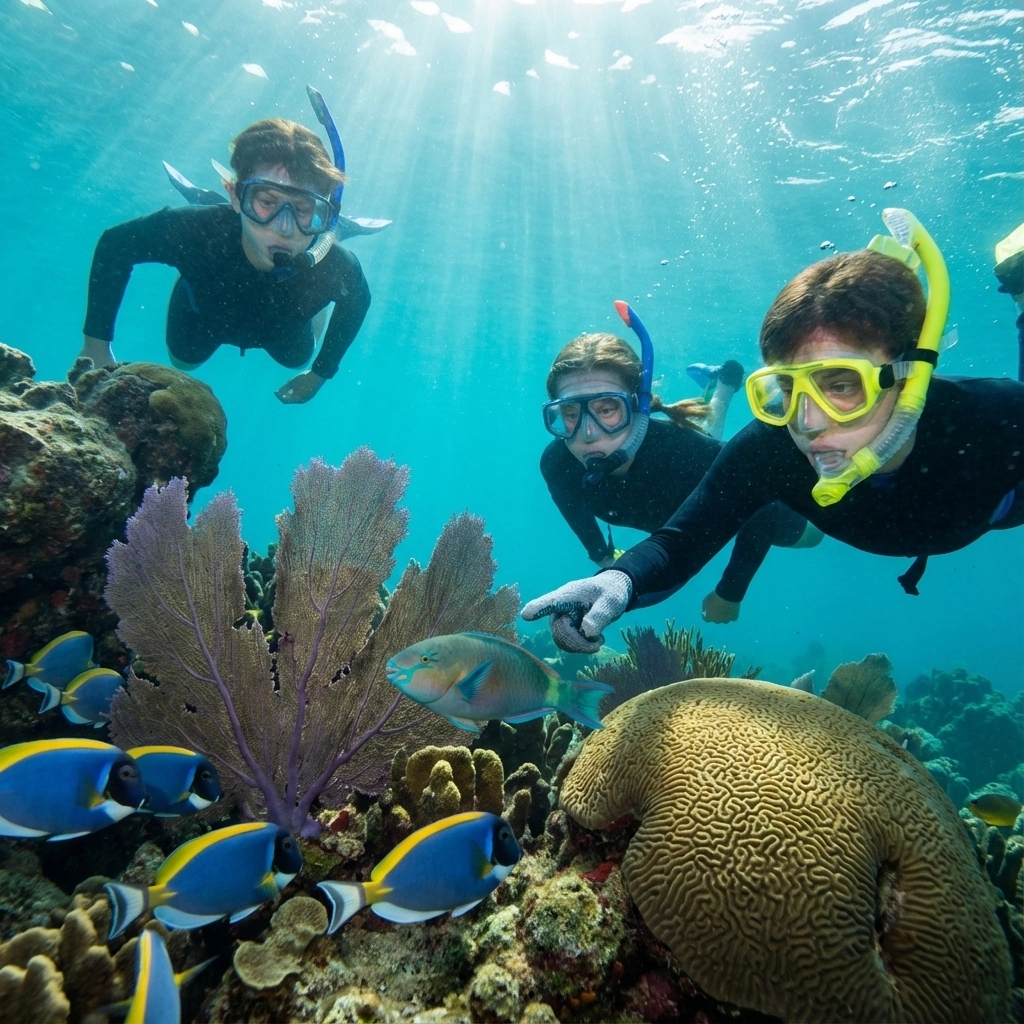
Educational marine science travel Cayman Islands programs excel at converting theoretical knowledge into hands-on experience within live coral reef ecosystems. Students who previously encountered marine biology concepts through textbooks and videos suddenly find themselves swimming alongside nurse sharks, identifying coral species, and observing fish behavior in their natural habitats.
This direct engagement with marine environments creates powerful learning moments that students retain for decades. When students witness the intricate relationships between reef organisms firsthand, they develop a deeper understanding of ecosystem dynamics that no classroom simulation can replicate. The immediate feedback from the marine environment reinforces scientific concepts in ways that create permanent neural pathways associated with positive learning experiences.
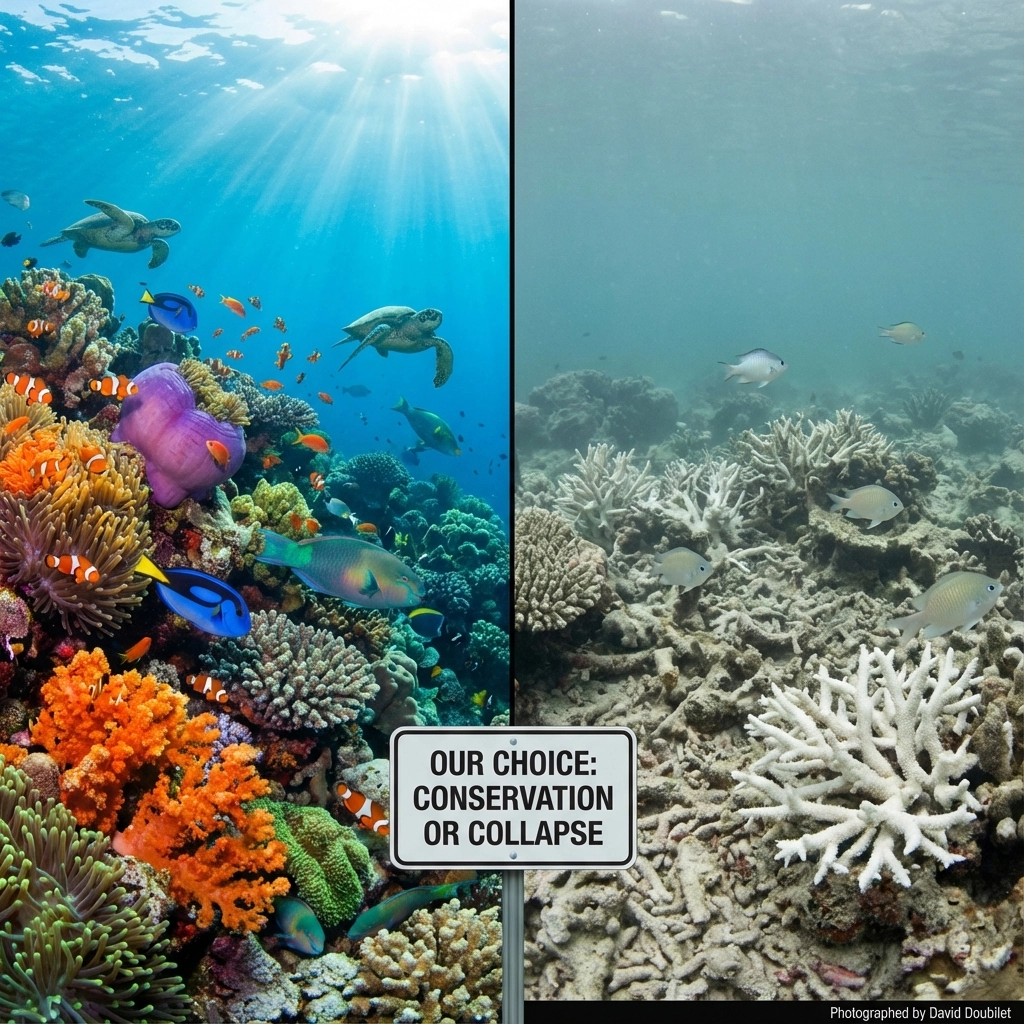
Consider the difference between reading about coral bleaching versus observing both healthy and stressed coral colonies during a single snorkeling session. Students immediately grasp the urgency of conservation efforts when they witness the stark contrast between thriving reef sections and areas impacted by environmental stressors.
2. Expert Scientists and Educators Provide World-Class Instruction
Cayman Islands high school marine science programs connect students directly with leading marine researchers, conservation professionals, and expert diving instructors who bring decades of field experience to their teaching. These interactions expose students to career pathways they may never have considered and provide mentorship opportunities that can influence entire academic trajectories.
Professional marine scientists working in the Cayman Islands possess intimate knowledge of local ecosystems, ongoing research projects, and conservation challenges facing Caribbean marine environments. Students benefit from:
Direct access to cutting-edge research: Participation in ongoing scientific studies and data collection
Career guidance from professionals: Insights into educational pathways and career opportunities in marine science
Technical skill development: Proper diving techniques, scientific methodology, and data recording procedures
Real-world problem-solving: Exposure to actual conservation challenges and potential solutions
The Grouper Moon Project exemplifies this approach, connecting students with scientists studying endangered Nassau Grouper spawning aggregations. Students contribute to legitimate scientific research while learning about fish behavior, conservation biology, and the economic importance of sustainable fisheries management.
3. Comprehensive Ecosystem Education Addresses Economic, Ecological, and Cultural Connections
Effective educational marine science travel Cayman Islands programs extend beyond species identification and ecological relationships to examine the broader connections between marine ecosystems and human communities. Students develop understanding of how healthy coral reefs support local economies through tourism, fishing, and coastal protection services.
This multidisciplinary approach helps students recognize that marine conservation represents more than environmental protection: it encompasses economic sustainability, cultural preservation, and community resilience. Students learn to evaluate conservation strategies through multiple lenses, developing critical thinking skills essential for future environmental leadership.
Key learning components include:
Economic impact analysis: Understanding how reef health affects tourism revenue and fishing livelihoods
Cultural significance: Learning about traditional fishing practices and marine resource management
Climate change implications: Examining how global environmental changes affect local communities
Policy and governance: Exploring how marine protected areas balance conservation and community needs
4. Exposure to Advanced Marine Science Technologies Inspires STEM Career Interest
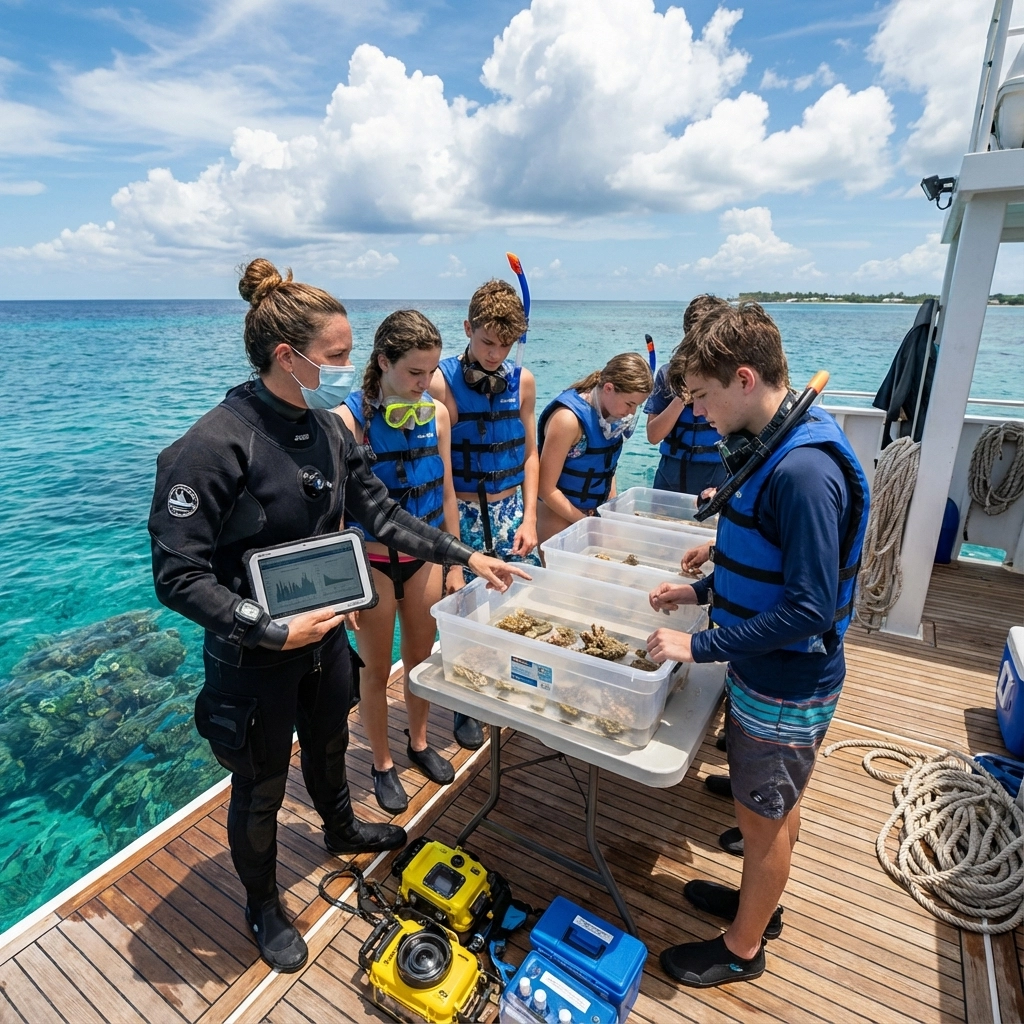
Cayman Islands high school marine science programs provide students with hands-on experience using professional-grade scientific equipment and research methodologies. Students learn to operate underwater cameras, water quality testing equipment, GPS systems, and data logging devices used in legitimate marine research projects.
This exposure to advanced technology serves multiple educational purposes:
Demystifying scientific research: Students see that marine science involves sophisticated tools and rigorous methodology
Developing technical competency: Hands-on experience with research equipment builds confidence and practical skills
Understanding data collection: Students learn proper sampling techniques and data recording procedures
Connecting to broader STEM fields: Exposure to engineering, computer science, and mathematics applications in marine research
Students often return from these programs with renewed interest in STEM subjects, having witnessed firsthand how mathematics, physics, chemistry, and biology integrate to address real-world environmental challenges.
5. Age-Appropriate Program Diversity Ensures Relevant Learning Experiences
The range of educational marine science travel Cayman Islands options ensures that students at different developmental stages receive appropriately challenging and engaging experiences. Programs extend from introductory experiences for younger students to intensive research opportunities for advanced high school students and college-bound participants.
Elementary and middle school programs focus on:
Basic marine ecosystem awareness: Introduction to coral reef organisms and their relationships
Snorkeling skills development: Safe water skills and underwater observation techniques
Environmental stewardship: Understanding human impacts on marine ecosystems
Advanced high school programs emphasize:
Scientific methodology: Hypothesis formation, data collection, and analysis
Research participation: Contributing to ongoing conservation projects
Leadership development: Mentoring younger participants and leading group activities
Career exploration: Shadowing marine professionals and exploring educational pathways
This developmental progression allows students to build upon previous experiences, creating a foundation for sustained engagement with marine science throughout their academic careers.
6. Accessibility and Financial Support Remove Barriers to Participation
Cayman Islands high school marine science programs actively address financial barriers that might prevent students from participating in transformative educational experiences. Many programs offer scholarships, reduced-cost options, and financial assistance specifically designed to ensure economic diversity among participants.
The availability of funding through initiatives like REEF's Oceans for All Fund demonstrates the conservation community's commitment to developing the next generation of ocean advocates regardless of students' economic backgrounds. These support systems ensure that marine science education reaches students who might otherwise never have access to such opportunities.
Additional accessibility features include:
Flexible program durations: Options ranging from day trips to week-long intensives
Varied accommodation levels: Programs designed for different comfort and budget requirements
Equipment provision: Snorkeling gear, safety equipment, and research tools provided
Transportation coordination: Organized travel arrangements that simplify logistics for schools
7. Long-Term Impact on Career Choices and Environmental Advocacy
The most significant indicator of program effectiveness lies in the long-term impact on student career choices and environmental advocacy. Follow-up studies consistently demonstrate that participants in educational marine science travel Cayman Islands programs show higher rates of:
STEM major selection: Increased enrollment in marine biology, environmental science, and related fields
Graduate school participation: Higher likelihood of pursuing advanced degrees in marine sciences
Conservation career paths: Entry into environmental consulting, research, education, and policy roles
Ongoing environmental advocacy: Sustained engagement with conservation organizations and environmental causes
Many program alumni credit their Cayman Islands marine science experience as the pivotal moment that determined their career trajectory. The combination of expert mentorship, immersive learning, and exposure to conservation challenges creates a powerful foundation for lifelong engagement with marine science and environmental stewardship.
These programs also develop essential skills that serve students well regardless of their ultimate career choices, including scientific methodology, critical thinking, teamwork, and environmental awareness that enhances their effectiveness as informed citizens and decision-makers.
Implementing Successful Marine Science Travel Programs
Ensuring the success of educational marine science travel Cayman Islands programs requires careful planning, clear learning objectives, and thorough preparation of both students and supervising educators. Schools considering these opportunities should begin planning at least one academic year in advance to secure funding, coordinate schedules, and prepare students for meaningful participation.
Essential planning components include:
Learning objective alignment: Connecting program activities to existing curriculum standards and educational goals
Student preparation: Pre-trip education covering marine ecosystems, safety protocols, and behavioral expectations
Assessment strategies: Methods for evaluating learning outcomes and measuring program impact
Follow-up activities: Post-trip projects that reinforce learning and maintain student engagement
The investment in Cayman Islands high school marine science programs represents more than an educational expense: it constitutes a strategic investment in developing scientifically literate citizens equipped to address the environmental challenges facing our planet's marine ecosystems.
For educators seeking to provide their students with transformative learning experiences that create lasting impact on academic trajectories and environmental stewardship, educational marine science travel Cayman Islands programs offer unparalleled opportunities to convert classroom knowledge into real-world understanding and genuine passion for ocean conservation.
Comments