


Are Manatees and Sharks Really Friends? Surprising Encounters in Costa Rica Waters
- Caleb Mullenix
- Dec 2, 2025
- 5 min read

The question of whether manatees and sharks are truly friends has captivated marine biologists and students alike, especially when considering the diverse waters surrounding Costa Rica. While social media posts and wildlife documentaries often suggest heartwarming interspecies relationships, the reality of marine animal interactions requires careful scientific examination: exactly the kind of critical thinking that makes Costa Rica an exceptional destination for student expeditions.
Understanding Costa Rica's Marine Giants
Costa Rica's coastal waters harbor both West Indian manatees (Trichechus manatus) and various shark species, creating unique opportunities for students to observe and study these remarkable creatures in their natural habitats. The country's commitment to marine conservation provides an ideal classroom for understanding complex marine ecosystems and animal behavior.
Manatees in Costa Rican waters primarily inhabit the Caribbean coast, particularly around Tortuguero National Park and the canals near Puerto Viejo. These gentle herbivores spend their days grazing on seagrass beds and navigating shallow coastal waters where temperatures remain consistently warm. Their peaceful nature and slow movements often lead observers to assume they're vulnerable to predation, but manatees possess surprising confidence in their aquatic environment.
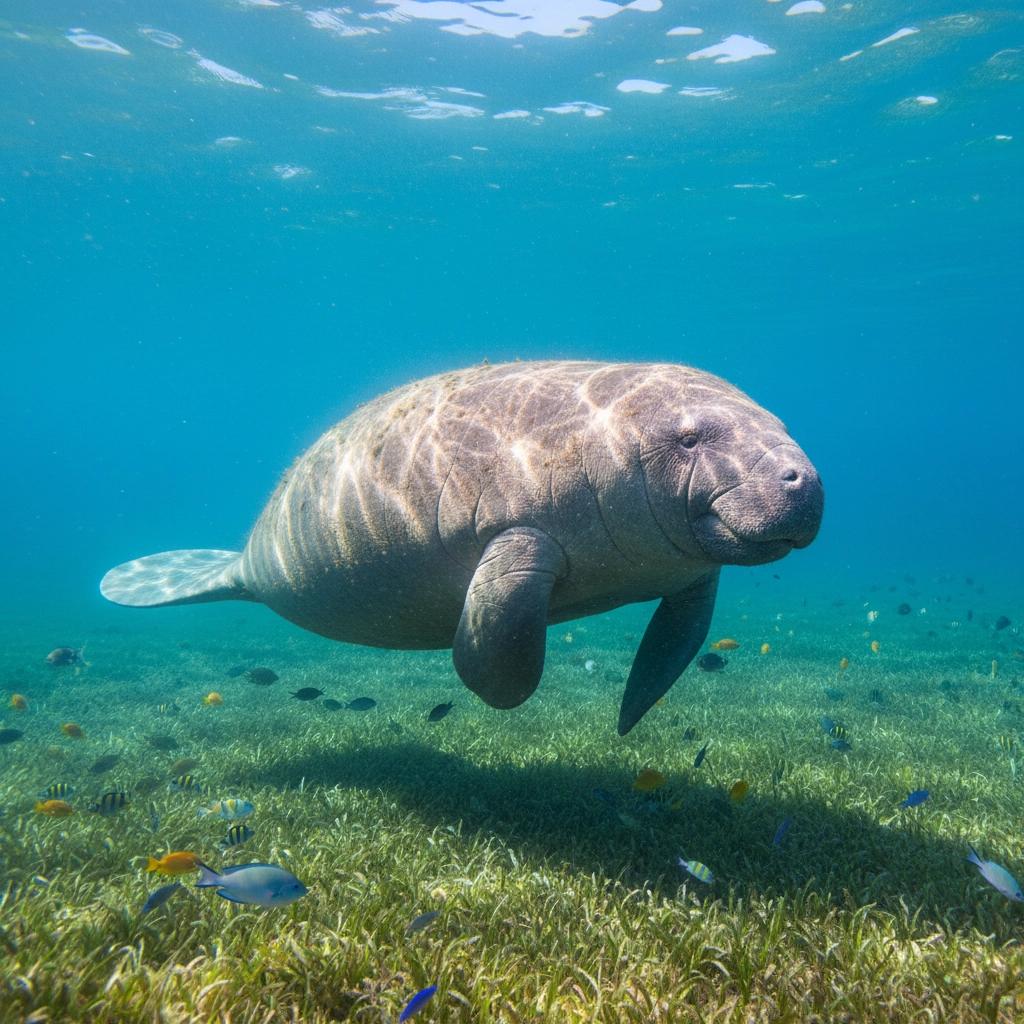
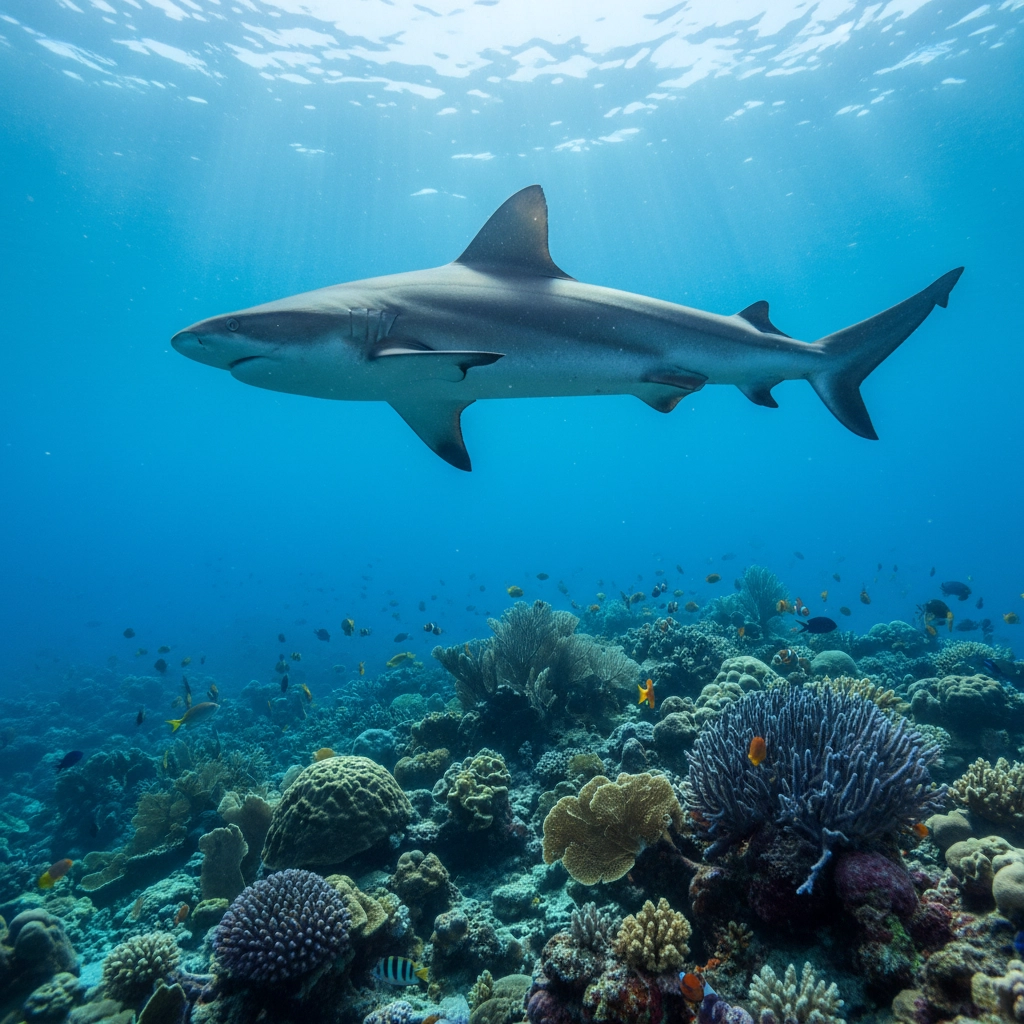
Sharks present a more diverse picture in Costa Rican waters. The Pacific coast hosts species ranging from massive whale sharks to smaller reef sharks, while Caribbean waters support nurse sharks, Caribbean reef sharks, and occasional bull sharks. Each species exhibits distinct behavioral patterns and habitat preferences that students can observe and document during educational expeditions.
The Science Behind Interspecies Interactions
Research conducted in similar tropical environments has documented fascinating examples of unexpected animal relationships. In Florida's Blue Spring, scientists have observed manatees displaying remarkably confident behavior around alligators: interactions that demonstrate intelligence and curiosity rather than fear. These encounters suggest that manatees assess their environment and other species with sophisticated decision-making processes.
When examining potential manatee-shark interactions in Costa Rican waters, several factors come into play. Habitat overlap occurs primarily in shallow coastal areas where both species may feed or rest. However, their different dietary requirements: manatees consuming vegetation while most local shark species prefer fish or smaller marine animals: reduce direct competition for resources.
The behavioral ecology of both species suggests that aggressive encounters would be rare. Manatees' large size, thick skin, and generally calm waters they inhabit provide natural protection. Most shark species found in Costa Rican coastal waters pose minimal threat to healthy adult manatees, focusing instead on their preferred prey species.
Educational Opportunities in Costa Rica's Waters
Student expeditions to Costa Rica offer unparalleled opportunities to study these marine species through direct observation and research participation. The country's well-established marine research stations provide students with access to ongoing conservation projects and data collection efforts.
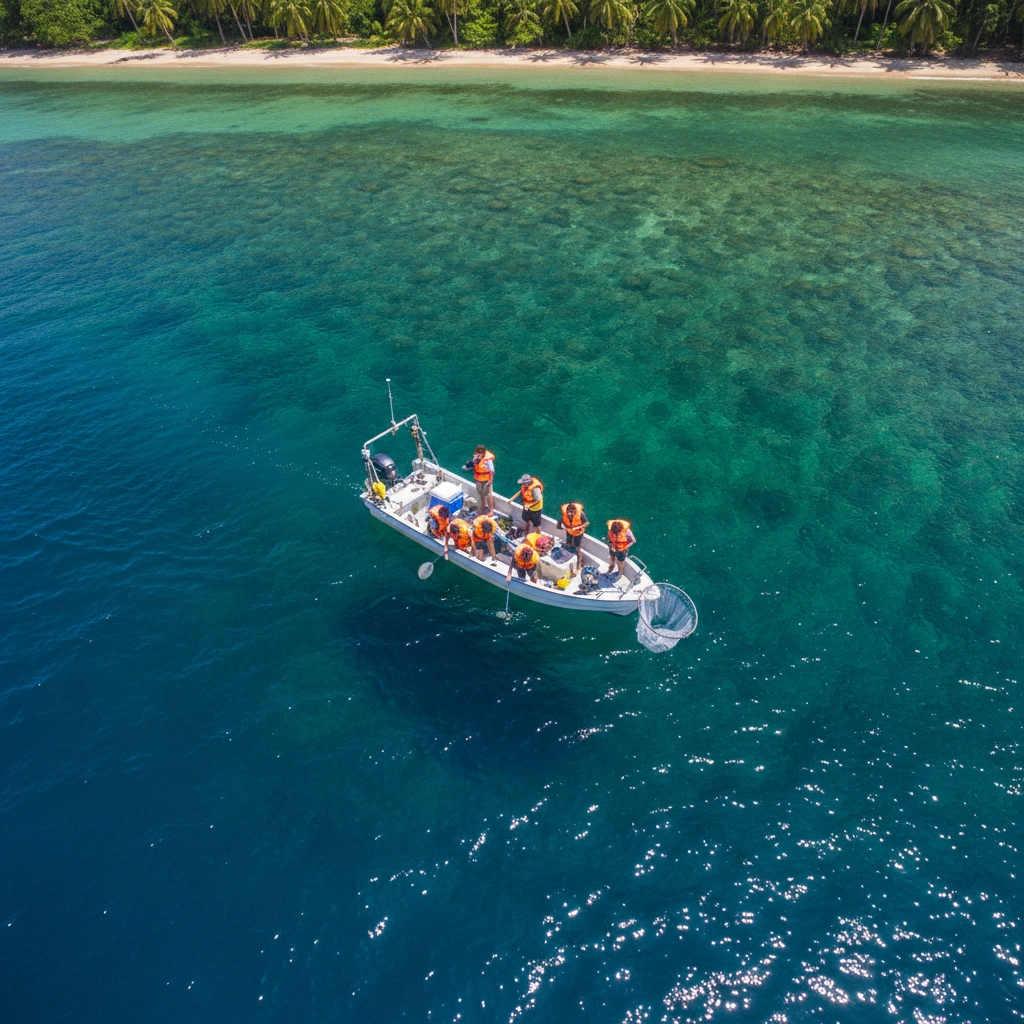
At Tortuguero National Park, students can participate in manatee monitoring programs that track population health and habitat use patterns. These hands-on experiences teach students to use scientific equipment, collect data systematically, and analyze behavioral observations: skills directly applicable to marine biology careers.
Shark research opportunities abound along both Costa Rican coasts. Students can assist with shark tagging programs, analyze migration patterns, and study feeding behaviors. The diversity of shark species in Costa Rican waters provides multiple research focuses within a single expedition.
Conservation Challenges and Student Impact
Both manatees and sharks face significant conservation challenges in Costa Rican waters. Manatee populations remain vulnerable to boat strikes, habitat degradation, and water pollution. Student expeditions can contribute meaningfully to conservation efforts by participating in habitat restoration projects, water quality monitoring, and public education initiatives.
Shark conservation presents equally important opportunities for student involvement. Overfishing, habitat destruction, and climate change impacts affect shark populations throughout the region. Students can engage in data collection for population assessments, participate in marine protected area monitoring, and develop community outreach programs that promote shark conservation awareness.
The intersection of these conservation challenges creates compelling case studies for students interested in marine policy and ecosystem management. Understanding how human activities affect both species simultaneously provides valuable lessons in comprehensive conservation planning.
Behavioral Studies and Scientific Method Application
Costa Rica's marine environments offer exceptional opportunities for students to practice scientific observation and hypothesis testing. Rather than relying on anecdotal reports of animal "friendships," students learn to design controlled observation studies, collect quantitative data, and draw evidence-based conclusions.
Behavioral observation protocols teach students to distinguish between correlation and causation when analyzing animal interactions. Students learn to identify factors such as water temperature, prey availability, and seasonal variations that might influence both manatee and shark behavior patterns.
Advanced students can participate in acoustic monitoring programs that track both species' movements and vocalizations. This technology-enhanced research provides insights into how marine animals use sound for communication and navigation: skills valuable for students pursuing marine biology or oceanography careers.
Marine Ecosystem Connections
Understanding potential manatee-shark relationships requires comprehensive ecosystem knowledge that Costa Rican waters provide in abundance. Students learn to identify the complex food webs that support both species and recognize how environmental changes affect multiple trophic levels simultaneously.
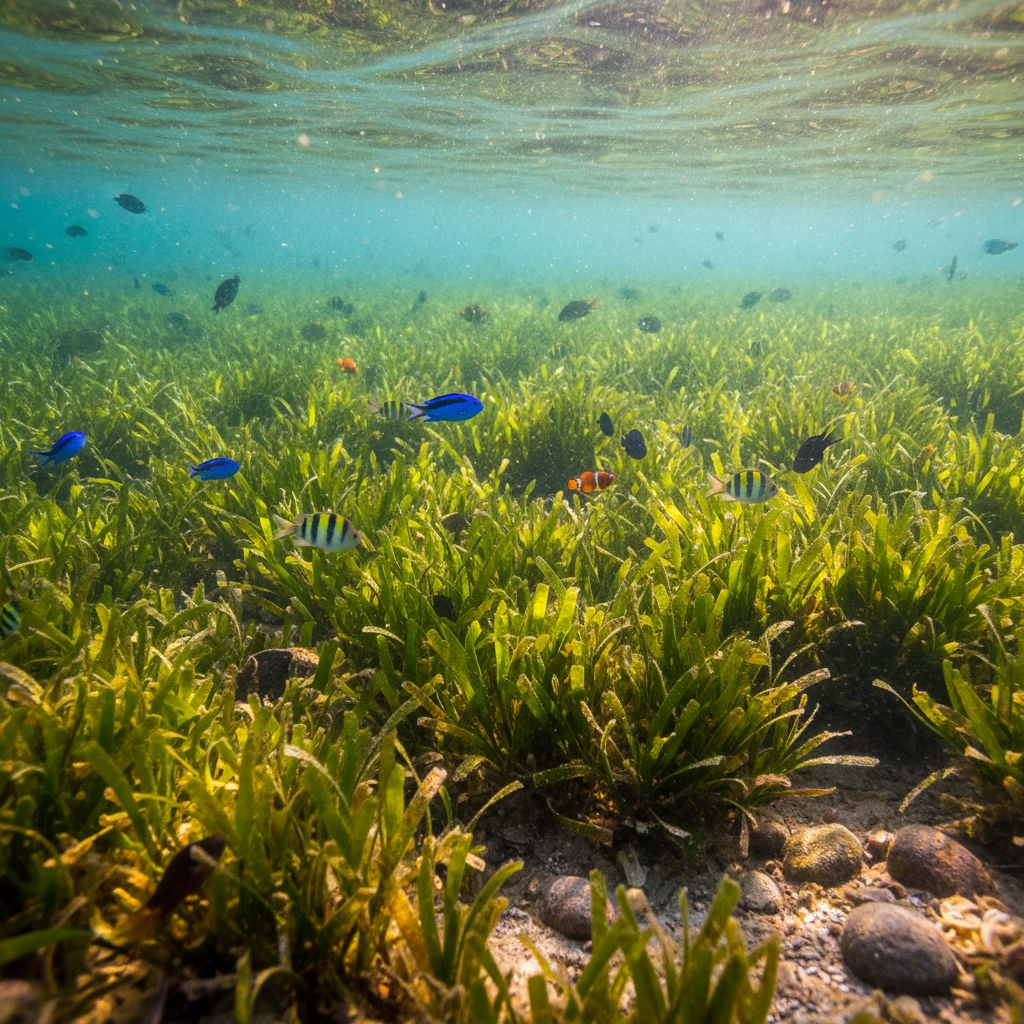
Seagrass bed ecosystems, crucial for manatee survival, also support numerous fish species that attract sharks to coastal areas. Students can map these habitat connections, measure productivity levels, and analyze how conservation efforts must address entire ecosystem health rather than single-species protection.
Climate change impacts on water temperature, sea level, and storm intensity affect both manatees and sharks in Costa Rica. Students can participate in long-term monitoring studies that track these changes and their biological consequences, preparing them for careers in climate science and conservation biology.
Practical Application for Student Groups
Educational expeditions to Costa Rica provide students with direct access to world-class marine research facilities and experienced local scientists. These partnerships ensure that student activities contribute meaningfully to ongoing conservation efforts while providing authentic learning experiences.
Field research techniques students master during Costa Rican expeditions include underwater survey methods, data logging protocols, and statistical analysis procedures. These technical skills prepare students for advanced coursework and research opportunities in marine science programs.
Collaboration with local conservation organizations exposes students to career paths in international conservation work. Students learn about funding mechanisms, community engagement strategies, and policy development processes that support marine conservation initiatives.
Planning Your Costa Rica Marine Expedition
When organizing student expeditions focused on manatee and shark studies, careful preparation ensures both educational success and participant safety. Costa Rica's established infrastructure for educational tourism provides reliable support for academic groups studying marine ecosystems.
Collaboration with local research stations and conservation organizations enhances educational outcomes while contributing to important conservation efforts. Students return from these expeditions with enhanced scientific skills, conservation awareness, and appreciation for international collaboration in environmental protection.
The question of whether manatees and sharks are truly friends may be less important than understanding the complex marine ecosystems they both inhabit. Costa Rica's commitment to marine conservation and scientific research creates an ideal environment for students to explore these questions while developing crucial skills for environmental science careers.
Educational expeditions to Costa Rica provide students with authentic research experiences that inspire lifelong commitment to marine conservation. Through direct observation, data collection, and collaboration with working scientists, students gain the knowledge and skills necessary to address complex environmental challenges in their future careers.
Comments