


Are Sharks Overpopulated in Costa Rica? What Students Learn on Field Studies

The question "are sharks overpopulated in Costa Rica?" reveals a fundamental misunderstanding of current marine conservation realities. Contrary to popular misconceptions, sharks are not overpopulated in Costa Rican waters. In fact, the opposite is true: shark populations are experiencing dramatic decline, creating critical learning opportunities for students studying marine ecosystems and conservation science.
Understanding the true state of shark populations in Costa Rica provides students with essential insights into marine biodiversity, conservation challenges, and the complex relationship between human activities and ocean health. This knowledge becomes particularly valuable when students engage in hands-on field studies that reveal the scientific methods used to monitor and protect these apex predators.
The Reality of Shark Population Decline
Costa Rica's marine ecosystems have experienced a significant 15% decline in biodiversity since 2018, with sharks bearing the brunt of this environmental crisis. Rather than facing overpopulation, hammerhead sharks in Costa Rican waters are now classified as critically endangered, representing one of the most pressing conservation challenges in the region.
The decline in shark populations stems from multiple interconnected factors. Illegal fishing practices continue to devastate shark communities, while habitat destruction removes critical breeding and feeding grounds. Additionally, ineffective enforcement of marine protection regulations has allowed destructive practices to persist despite existing conservation laws.
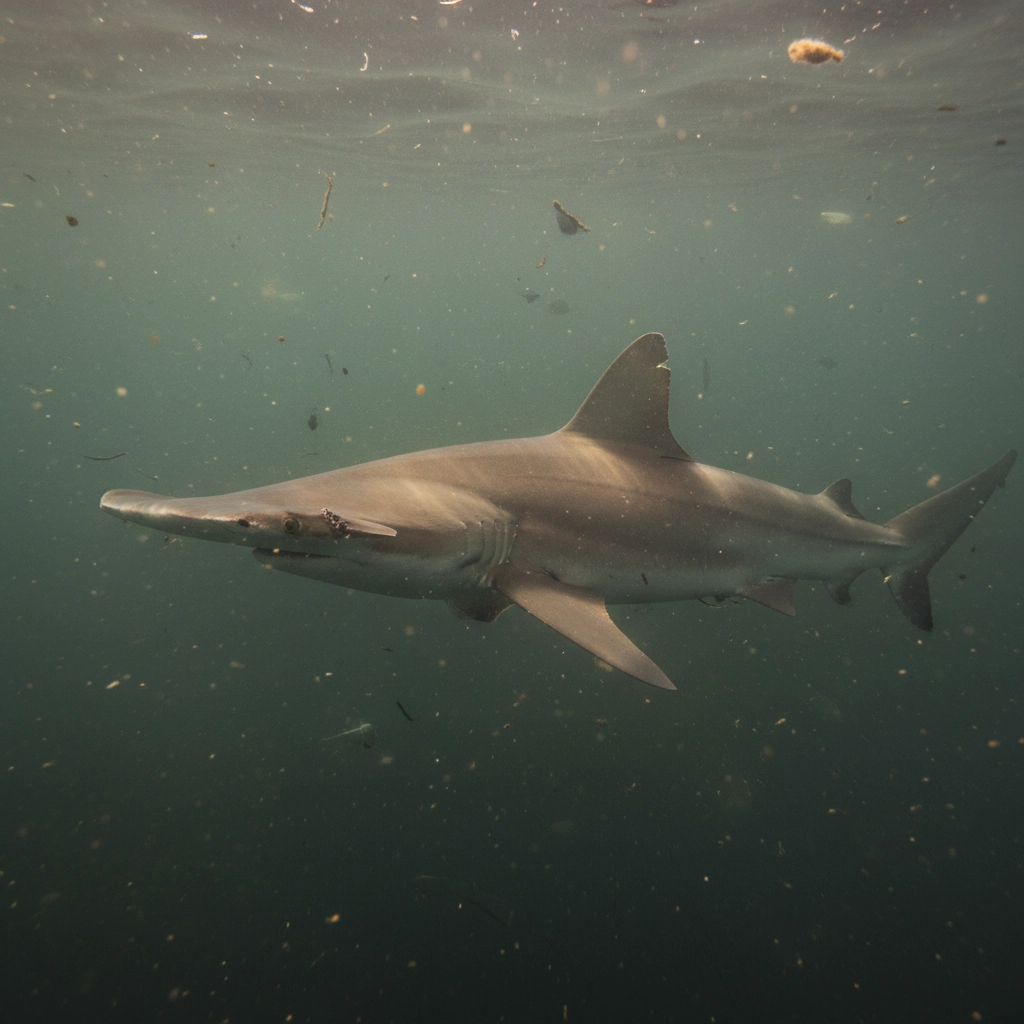
Students conducting field studies in Costa Rica quickly discover that historical data reveals the extent of the problem. Between 2003 and 2020, Costa Rica held the distinction of being the top Latin American exporter of shark fins to Asian markets, with over 5,600 metric tons exported during this period. This massive extraction of sharks from the ecosystem created cascading effects that students can observe and measure during their research expeditions.
Scientific Research Opportunities for Students
The SHARKSense project, launched in 2025 at Bahía Santa Elena Marine Management Area, demonstrates how students can engage in cutting-edge marine research. This collaborative initiative between the University of Oslo and the University of Costa Rica investigates whether shark and ray skin coloration could serve as a natural bioindicator of environmental pollution.
Students participating in similar research programs learn to examine how melanin in shark skin might bind to heavy metals accumulated through the food chain. This innovative approach to pollution monitoring provides hands-on experience with biochemical analysis and environmental assessment techniques that students rarely encounter in traditional classroom settings.
The research methodology involves systematic data collection, specimen analysis, and long-term monitoring protocols that teach students the rigorous standards required for scientific investigation. Students learn to use specialized equipment for water quality testing, conduct population surveys using standardized counting methods, and analyze tissue samples for pollutant concentrations.
Field Study Learning Outcomes
Students engaged in Costa Rican shark research develop comprehensive understanding of marine ecosystem dynamics. They observe firsthand how apex predators like sharks maintain ecological balance by controlling prey species populations and preventing overgrazing of marine vegetation.
Through direct observation and data collection, students learn to identify different shark species, understand their behavioral patterns, and recognize the environmental factors that influence their distribution. This practical knowledge extends far beyond textbook learning, providing students with tangible skills in species identification, habitat assessment, and population monitoring.
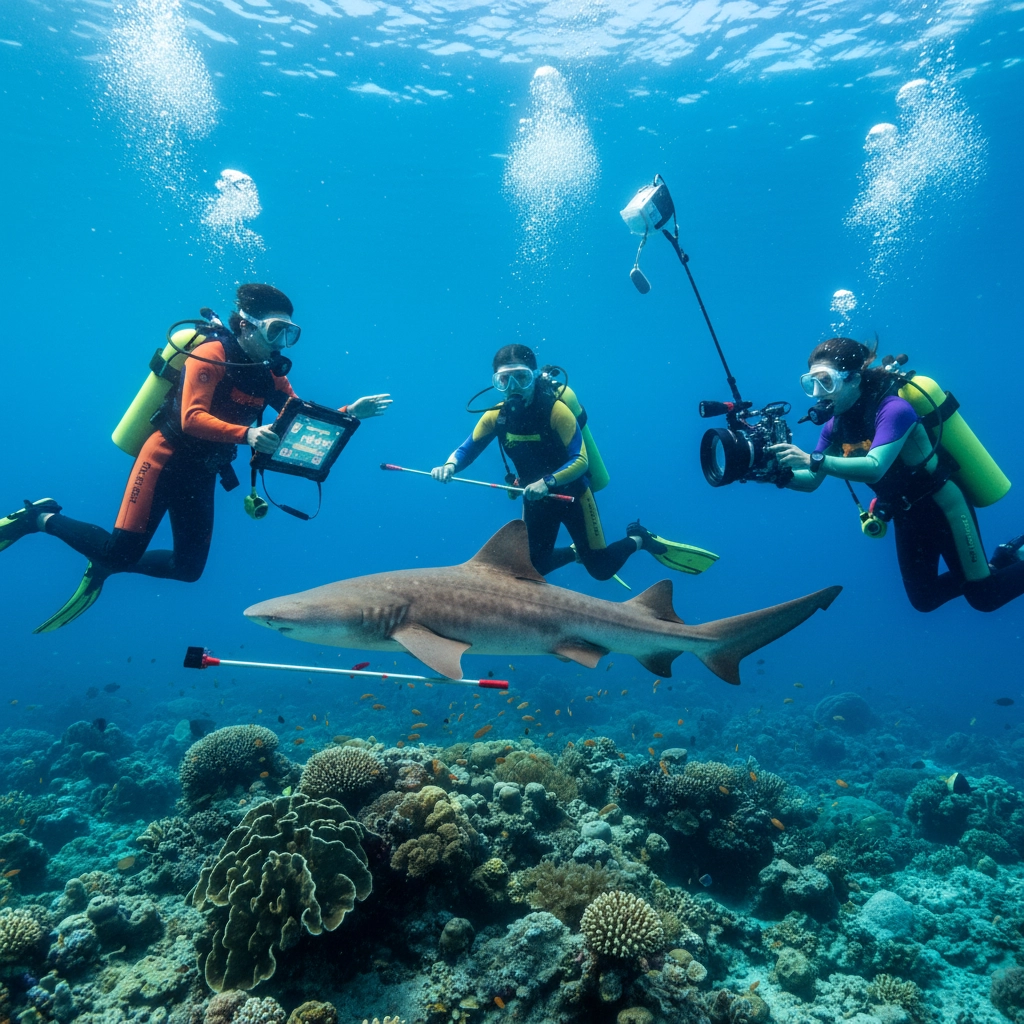
Students also gain valuable experience in conservation planning and policy development. They examine existing marine protected areas, evaluate the effectiveness of current conservation strategies, and propose evidence-based improvements to protection protocols. This process teaches students to think critically about conservation challenges while developing practical solutions based on scientific evidence.
Understanding Marine Food Web Dynamics
Shark research in Costa Rica provides students with exceptional opportunities to study marine food web relationships. Students learn how sharks occupy the apex predator position and how their decline affects entire ecosystem structures. Through field observations and data analysis, students discover how reduced shark populations lead to increased populations of prey species, which in turn affects vegetation and habitat structure.
Students conducting underwater surveys learn to document species interactions, measure population densities, and track changes in community composition over time. These skills in ecological monitoring provide students with practical experience in environmental assessment and long-term research planning.
The complexity of marine ecosystems becomes apparent as students observe how shark decline affects fish populations, coral reef health, and overall marine productivity. This systemic understanding helps students appreciate the interconnected nature of environmental conservation and the importance of protecting apex predators for ecosystem stability.
Conservation Technology and Data Collection
Modern shark research in Costa Rica incorporates advanced technology that provides students with exposure to cutting-edge scientific tools. Students learn to use satellite tagging systems to track shark movements, underwater cameras for behavioral observation, and acoustic monitoring devices for population assessment.
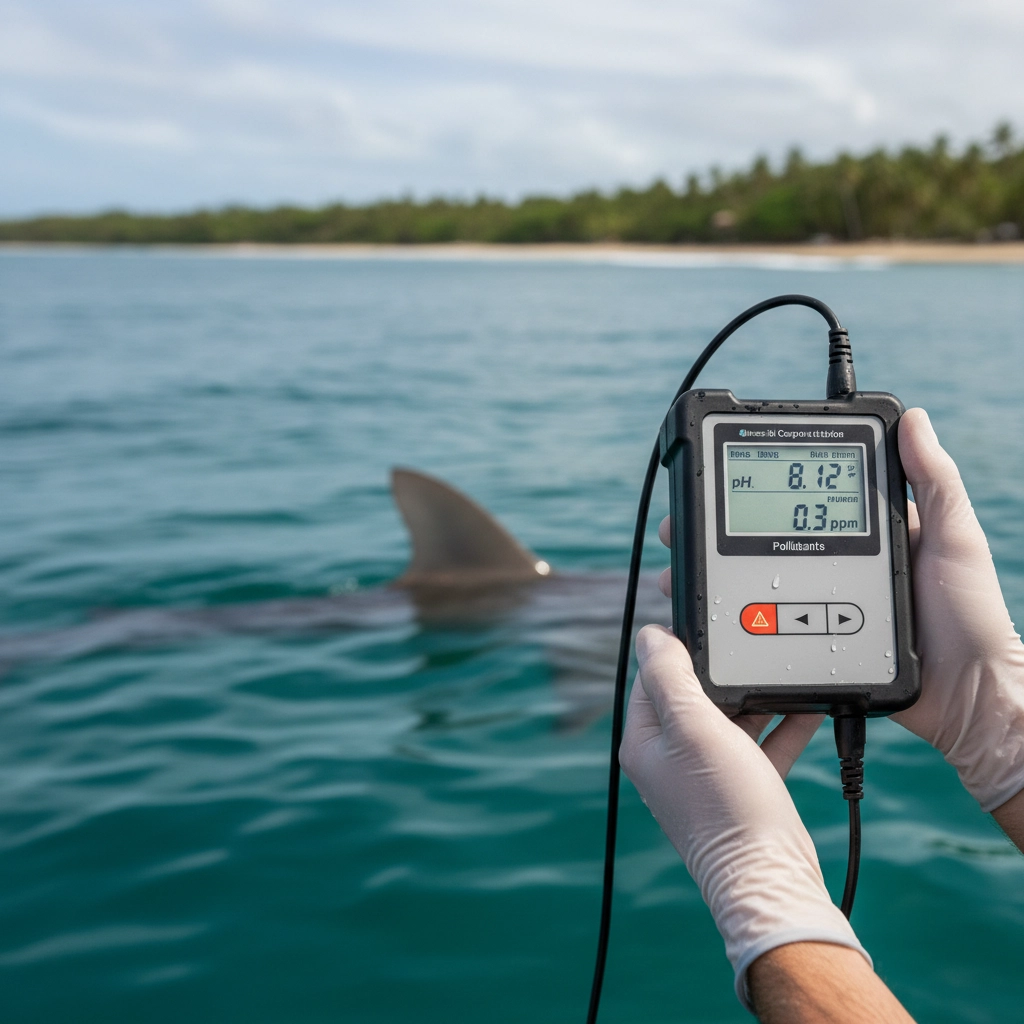
Data collection techniques include GPS mapping of shark habitats, water quality measurements using electronic sensors, and tissue sampling for genetic analysis. Students gain hands-on experience with these technologies while contributing to ongoing research databases that inform conservation policy development.
The integration of technology with traditional field research methods teaches students the importance of comprehensive data collection and scientific rigor. Students learn to maintain detailed research logs, follow standardized protocols, and ensure data quality through systematic verification procedures.
Climate Change Impacts on Shark Populations
Costa Rican shark research provides students with direct observation opportunities to study climate change effects on marine ecosystems. Students learn to measure ocean temperature changes, track acidification levels, and document shifts in prey species distribution that affect shark feeding patterns.
Through long-term data analysis, students discover how warming ocean temperatures alter shark migration patterns and breeding behaviors. This research experience teaches students to recognize climate change as a significant factor in species conservation while developing skills in environmental monitoring and impact assessment.
Students also examine how coral reef degradation, accelerated by climate change, affects shark habitat availability and prey diversity. This comprehensive understanding of climate impacts provides students with valuable insights into the complex challenges facing marine conservation efforts.
Preparing Future Marine Scientists
Field studies focused on Costa Rican shark populations provide students with essential preparation for careers in marine science and conservation. Students develop practical skills in research methodology, data analysis, and scientific communication that prepare them for advanced study and professional opportunities in environmental science.
The hands-on experience gained through shark research teaches students the importance of evidence-based decision making and the rigorous standards required for scientific credibility. Students learn to present research findings, write scientific reports, and communicate complex environmental concepts to diverse audiences.

Students also develop appreciation for international collaboration in conservation efforts, learning how researchers from different countries work together to address global environmental challenges. This exposure to international scientific cooperation provides students with valuable perspective on career opportunities in environmental science and conservation.
Educational Value for Environmental Awareness
Shark research in Costa Rica provides students with powerful learning experiences that extend far beyond marine biology. Students develop deep understanding of human impacts on natural systems and the importance of sustainable resource management practices.
Through direct observation of conservation challenges, students gain appreciation for the complexity of environmental protection and the need for comprehensive approaches to species preservation. This understanding motivates students to become advocates for environmental conservation and informed participants in environmental policy discussions.
The interdisciplinary nature of shark research exposes students to connections between biology, chemistry, physics, and social sciences, demonstrating how environmental challenges require integrated approaches and collaborative solutions.
Students participating in Costa Rican field studies through Appleseed Expeditions gain invaluable hands-on experience in marine conservation science while contributing to important research efforts. These educational expeditions provide students with the practical skills and environmental awareness needed to address the conservation challenges facing Costa Rica's marine ecosystems, ensuring that future generations understand both the critical importance of shark conservation and the scientific methods required to protect these essential apex predators.

Comments