


Are Traditional Nature Trips Dead? Why Costa Rica's Coast-to-Coast Biodiversity Tours Transform Student Scientists

Traditional nature trips: those surface-level excursions focused primarily on sightseeing and basic observation: are rapidly becoming obsolete in today's educational landscape. Modern educators recognize that meaningful scientific learning requires depth, engagement, and authentic research experiences that traditional approaches simply cannot provide.
Costa Rica's coast-to-coast biodiversity tours represent a revolutionary shift in educational trip Costa Rica programming, transforming passive observers into active student scientists through immersive field research and hands-on conservation work.
The Critical Limitations of Traditional Nature Trips
Traditional nature trips typically follow a predictable pattern: students board buses, visit predetermined locations, observe wildlife from a distance, and return home with superficial knowledge and fleeting memories. These approaches fail to develop critical scientific thinking skills or meaningful connections to conservation science.
Research demonstrates that passive observation alone does not create lasting educational impact. Students require active engagement with scientific processes, data collection opportunities, and direct interaction with research methodologies to develop genuine understanding of biological systems and ecological relationships.
Furthermore, traditional trips often lack the expert guidance necessary to transform observations into meaningful scientific learning. Without proper field research training and authentic data collection opportunities, students miss crucial opportunities to develop scientific literacy and environmental stewardship skills.
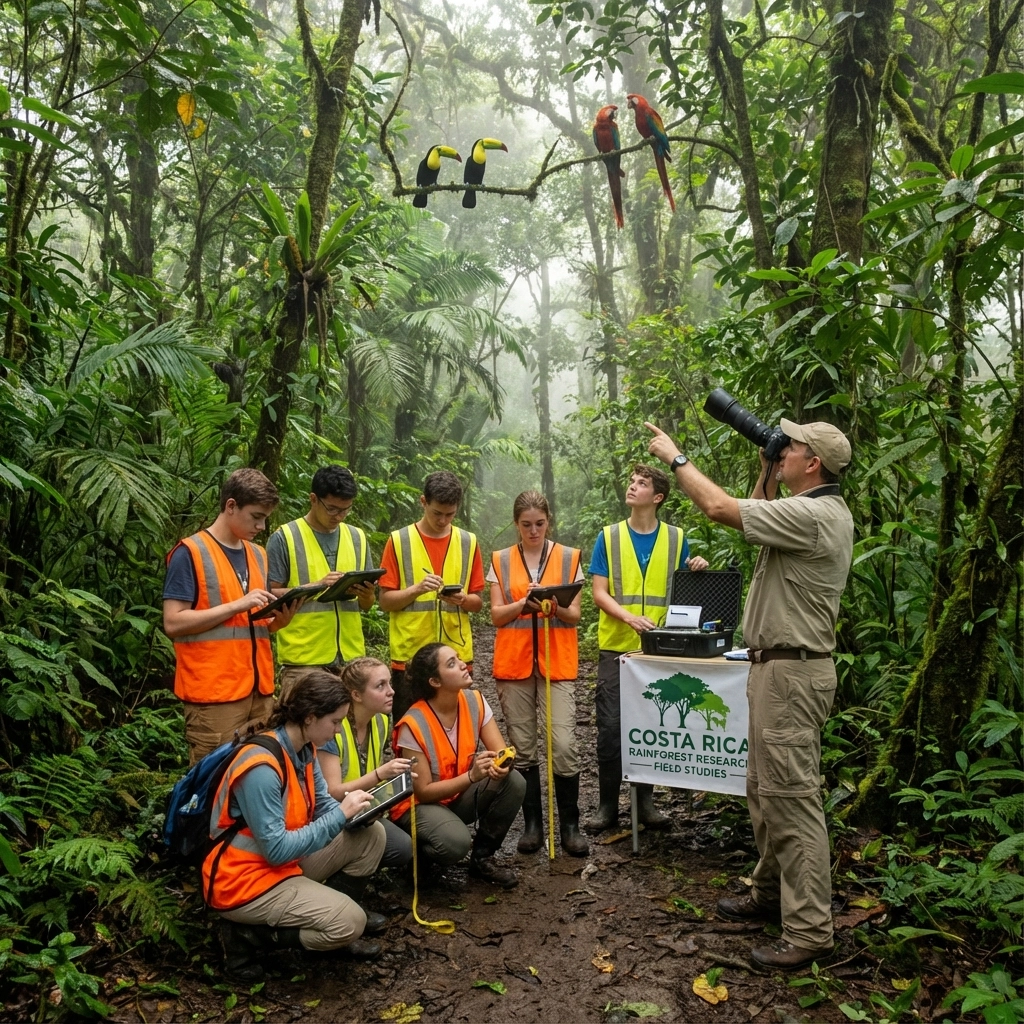
Why Costa Rica's Coast-to-Coast Biodiversity Tours Transform Student Learning
Costa Rica biodiversity tours for students utilize the country's unique geographical position to create unparalleled educational opportunities. Costa Rica contains approximately 5% of the world's biodiversity within just 0.03% of the planet's surface area, making it an ideal living laboratory for student research.
These comprehensive programs guide students across multiple distinct ecosystems: from cloud forests and rainforests to mangroves and coastal environments: enabling comparative ecological studies that would be impossible in traditional single-location trips.
Authentic Scientific Research Integration
Modern Costa Rica STEM trips for students integrate authentic research methodologies directly into the travel experience. Students participate in ongoing conservation projects, collect real scientific data, and contribute to legitimate research databases used by professional scientists and conservation organizations.
This approach transforms students from passive tourists into active contributors to scientific knowledge, creating genuine investment in conservation outcomes and deeper understanding of research processes.
Expert Naturalist Guidance
Professional field biologists and expert naturalist guides provide specialized instruction throughout immersive student wildlife experiences Costa Rica. These experts teach proper field research techniques, species identification methods, and ecological analysis skills that students can apply immediately in authentic field settings.
Unlike traditional trips with general tour guides, these specialized educators possess advanced degrees in relevant scientific disciplines and maintain active involvement in ongoing research projects.

Essential Components of Transformative Biodiversity Tours
Multi-Ecosystem Field Research
Effective Costa Rica hands-on science learning programs must include research activities across multiple distinct ecosystems to provide comprehensive understanding of biodiversity patterns and ecological relationships.
Students should conduct comparative studies between:
Montane cloud forests and their unique epiphyte communities
Lowland rainforest ecosystems with their complex canopy structures
Mangrove systems and their crucial role in coastal protection
Marine environments and coral reef biodiversity
Data Collection and Analysis Training
Transform your student trip to Costa Rica by incorporating rigorous data collection protocols that mirror professional scientific methodology. Students must learn proper sampling techniques, data recording methods, and basic statistical analysis approaches.
Essential skills include:
Systematic species observation and identification
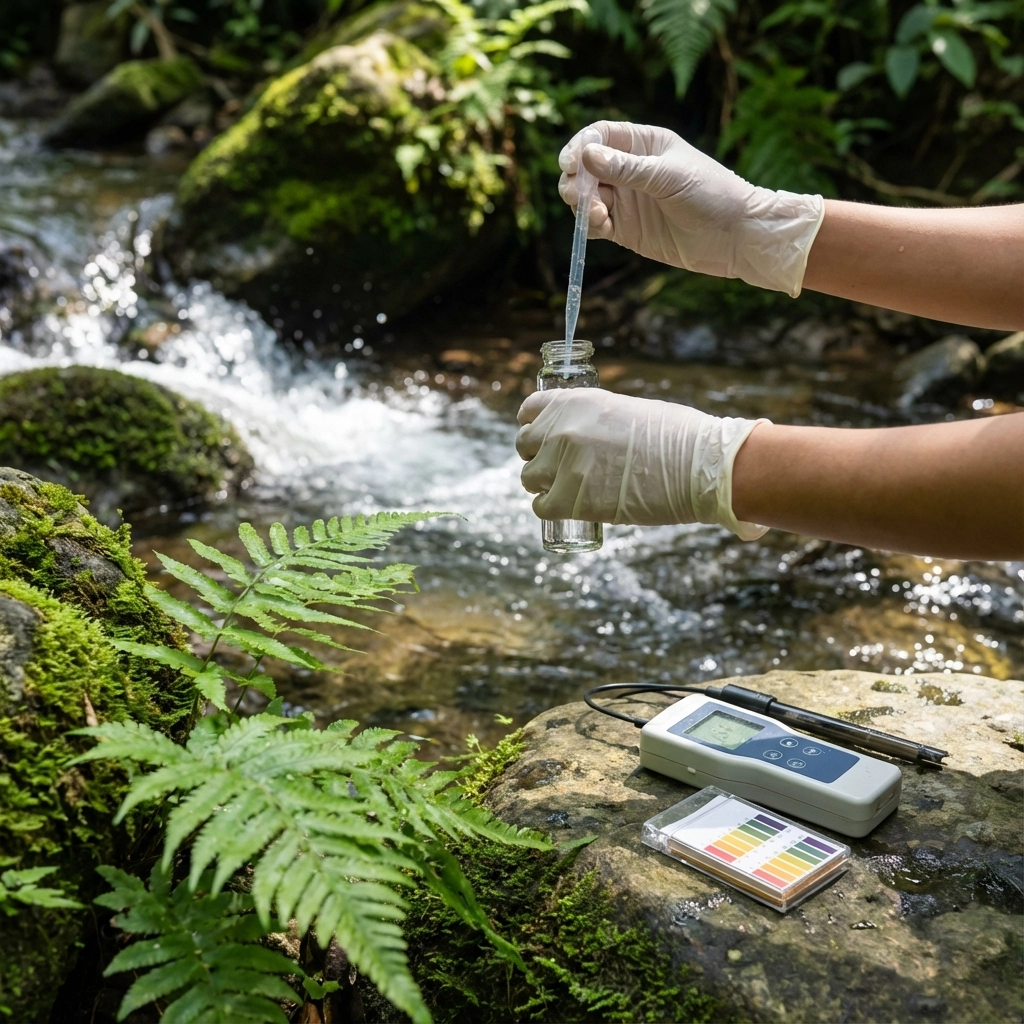
Habitat assessment and environmental monitoring
GPS mapping and spatial analysis techniques
Digital photography for scientific documentation
Water quality testing and analysis
Conservation Project Participation
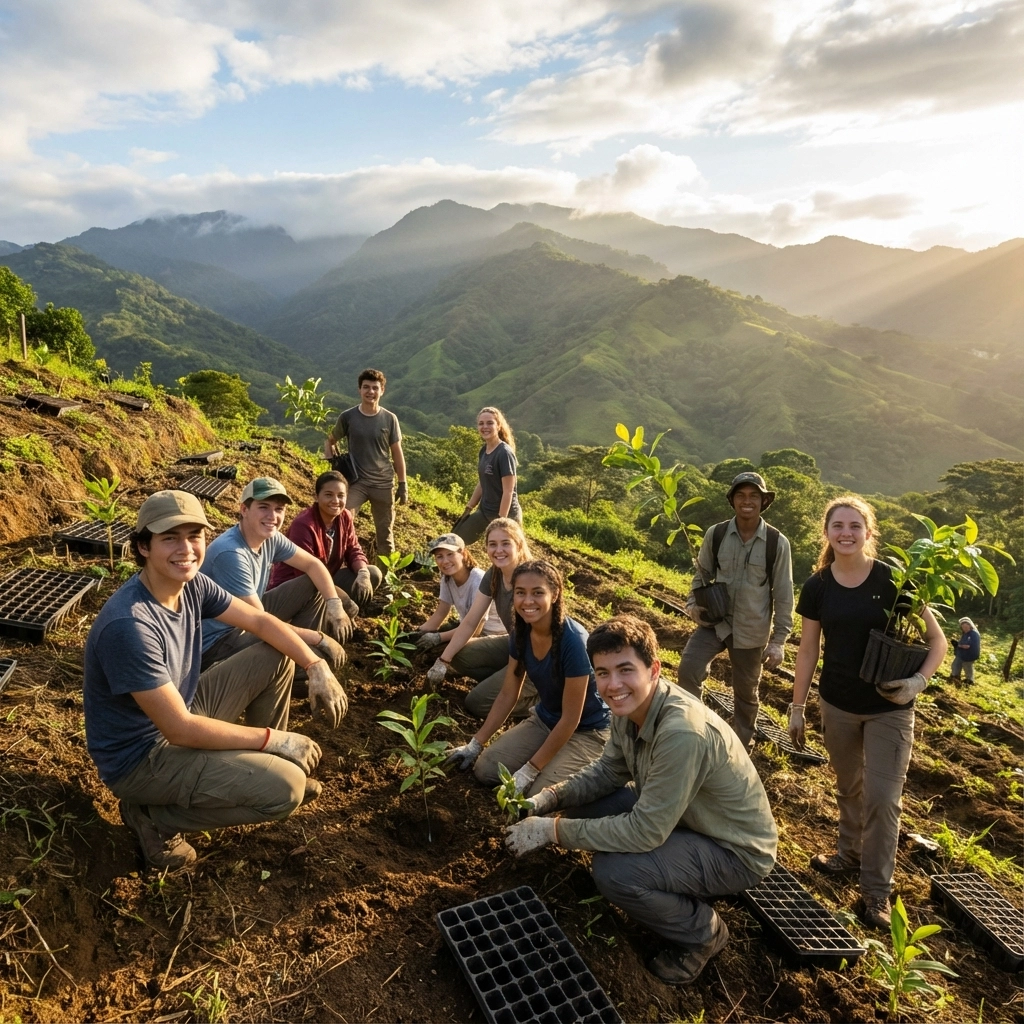
Meaningful Costa Rica wildlife trip for students experiences must include direct participation in active conservation initiatives. Students should engage in habitat restoration activities, wildlife monitoring programs, and community-based conservation projects that create tangible environmental benefits.
These activities provide authentic context for scientific learning while developing environmental stewardship values and understanding of conservation challenges.
Measurable Learning Outcomes and Student Transformation
Enhanced Scientific Literacy Development
Students participating in comprehensive biodiversity tours demonstrate significantly improved scientific literacy compared to traditional nature trip participants. They develop stronger understanding of:
Ecological relationships and ecosystem functioning
Scientific method application in field settings
Data analysis and interpretation skills
Conservation biology principles and practices
Increased Environmental Awareness and Stewardship
Immersive student wildlife experiences Costa Rica create lasting behavioral changes and career interest development. Students frequently report increased interest in:
Environmental science career pathways
Conservation volunteer opportunities
Sustainable lifestyle practices
Advanced science course enrollment
Critical Thinking and Problem-Solving Enhancement
Field research experiences develop analytical thinking skills that transfer across academic disciplines. Students learn to:
Formulate testable hypotheses based on field observations
Design appropriate research methodologies
Analyze complex data sets and identify patterns
Communicate scientific findings effectively
Implementation Guidelines for Educators
Pre-Trip Preparation Requirements
Ensure maximum educational impact by implementing comprehensive preparation protocols before departure. Students must complete foundational coursework in:
Basic ecological principles and biodiversity concepts
Scientific method and research design fundamentals
Species identification and field guide usage
Safety protocols for tropical field research
Partnership Selection Criteria
Choose Costa Rica STEM trips for students providers that demonstrate:
Active collaboration with legitimate research institutions
Employment of qualified field biologists and naturalist guides
Integration of authentic conservation project participation
Comprehensive safety protocols and emergency procedures
Documented student learning outcome assessment methods
Post-Trip Assessment and Follow-Up
Maximize learning retention through structured post-trip activities including:
Scientific presentation development and delivery
Research report writing and peer review processes
Data analysis workshops and statistical interpretation
Community outreach and conservation awareness projects
Safety and Risk Management Considerations
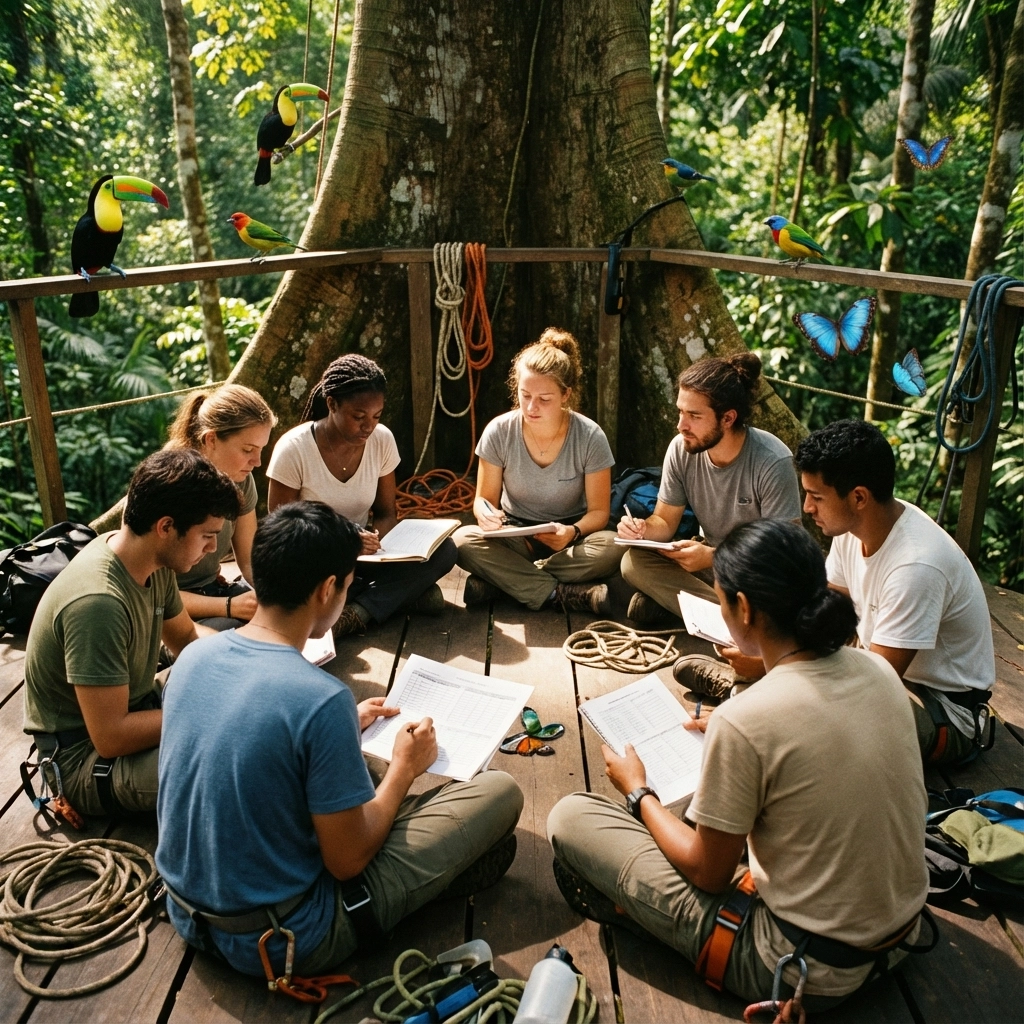
Ensuring student safety during educational trip Costa Rica experiences requires meticulous planning and comprehensive risk assessment protocols. Professional biodiversity tour providers maintain:
Certified wilderness first aid and emergency response training
Established communication systems with medical facilities
Comprehensive insurance coverage for field research activities
Detailed emergency evacuation procedures and protocols
Weather monitoring and activity modification procedures ensure student safety while maintaining educational objectives during varying environmental conditions.
The Future of Educational Nature Travel
Traditional nature trips cannot compete with the depth, engagement, and authentic learning opportunities provided by comprehensive biodiversity research programs. Students require meaningful scientific experiences that develop critical thinking skills, environmental awareness, and genuine understanding of ecological systems.
Costa Rica's coast-to-coast biodiversity tours represent the evolution of educational travel toward authentic scientific engagement and transformative learning experiences. These programs prepare students for advanced scientific study while developing the environmental stewardship values essential for addressing global conservation challenges.
Educational institutions must embrace this transformation to provide students with the meaningful, impactful experiences they deserve and the scientific literacy skills our world desperately needs.
Ready to transform your students into active scientists through authentic biodiversity research experiences? Explore comprehensive Costa Rica educational programs designed specifically for student learning and scientific development.

Comments