


Beyond the Brochure: What Makes Costa Rica's Wildlife Expeditions Memorable for School Groups?
- Caleb Mullenix
- Nov 28, 2025
- 5 min read

Ensuring your students experience authentic conservation science rather than superficial wildlife encounters is of paramount importance when planning educational expeditions to Costa Rica. The difference between a transformative learning experience and a glorified zoo visit lies in the depth of engagement, scientific rigor, and meaningful participation that quality programs provide.
Costa Rica's biodiversity offers unparalleled opportunities for hands-on learning, but not all wildlife expeditions deliver the educational value that justifies the investment of time and resources. Understanding what distinguishes exceptional programs from standard tourist offerings will enable you to select experiences that truly enhance your curriculum and create lasting impact on your students' scientific understanding.
Direct Participation in Conservation Research
The most memorable wildlife expeditions engage students as active participants in ongoing scientific research rather than passive observers. Programs that partner with organizations like Global Works Travel enable students to work alongside marine biologists monitoring sea turtle nesting sites, collecting data on nesting patterns, and tracking migration routes through satellite technology.
Students participate in mangrove restoration projects, measuring water quality parameters and documenting plant growth rates that contribute to peer-reviewed research. This authentic scientific participation allows students to understand research methodology, data collection protocols, and the patience required for meaningful environmental monitoring.
Ensure that any program you select provides clear documentation of how student contributions support legitimate scientific efforts. Request specific examples of research publications or conservation outcomes that have benefited from student participation. This verification process guarantees that your students' time investment produces tangible conservation value.

Immersive Wildlife Rehabilitation Experiences
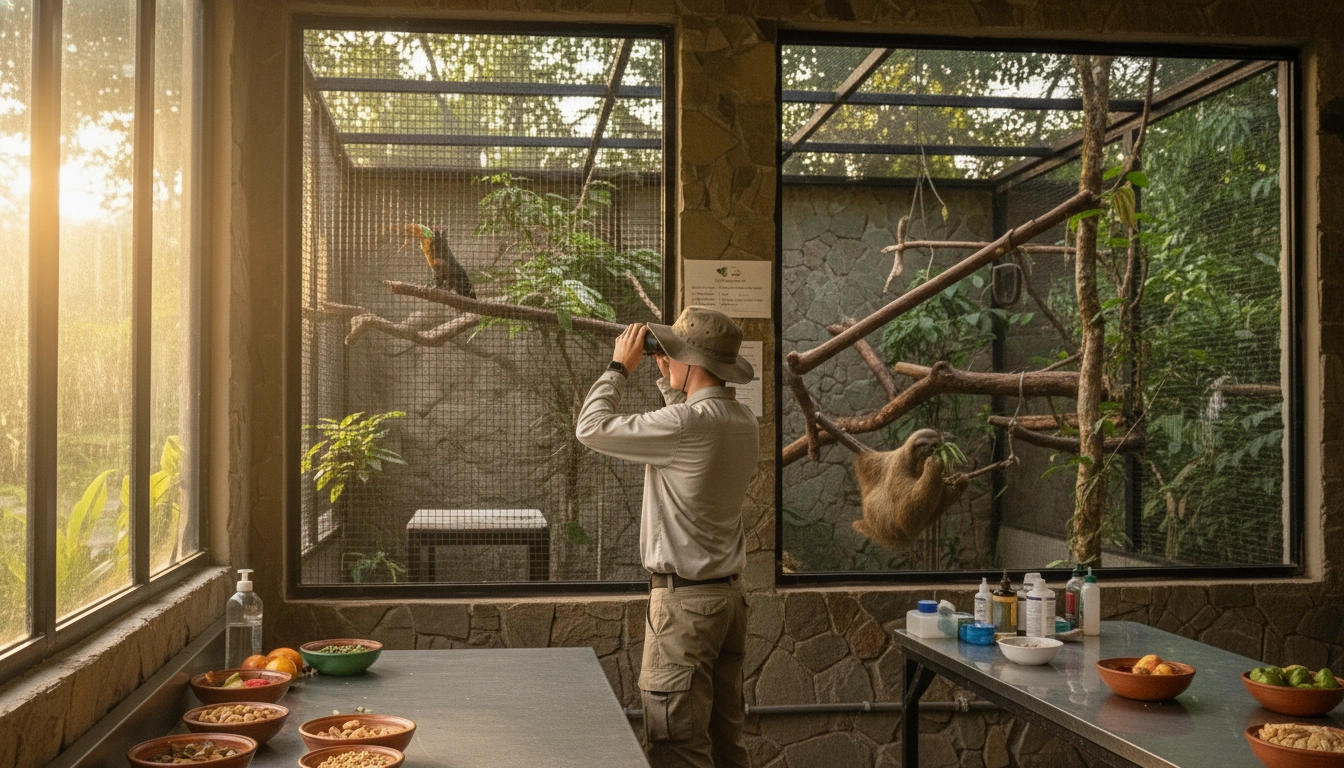
Exceptional Costa Rica expeditions provide behind-the-scenes access to wildlife rehabilitation centers where students witness the complete care cycle for rescued animals. At facilities like Rescate Wildlife Rescue Center, students learn the individual stories of animals recovering from illegal pet trade trauma, habitat destruction, or human-wildlife conflicts.
Students observe veterinary procedures, assist with food preparation, and participate in enrichment activities designed to prepare animals for release. This exposure reveals the complex challenges of wildlife conservation while demonstrating how individual actions directly impact animal welfare.
Emphasize to students the importance of following strict protocols when working with rehabilitation centers. Professional staff handle all direct animal contact, while students contribute through habitat maintenance, data recording, and educational outreach preparation. This approach ensures animal safety while maximizing learning opportunities.
Multi-Ecosystem Scientific Comparison
The most impactful expeditions showcase Costa Rica's incredible biodiversity across multiple distinct ecosystems, enabling students to conduct comparative studies that reinforce ecological principles. Students begin in cloud forest environments like Monteverde, documenting epiphyte species and measuring microclimate conditions on suspended walkways.
The expedition then transitions to lowland rainforest areas where students compare species diversity, forest structure, and ecological relationships with their cloud forest observations. This progression culminates in coastal mangrove ecosystems where students study the interface between terrestrial and marine environments.
Create detailed pre-trip assignments that prepare students to collect specific data across each ecosystem. Provide standardized data collection sheets and encourage students to develop hypotheses about species distribution patterns that they can test during the expedition.
Integration of Indigenous Knowledge Systems
Programs that incorporate indigenous perspectives provide students with holistic understanding of Costa Rican ecosystems that extends beyond Western scientific approaches. Students learn traditional ecological knowledge from indigenous guides who share ancestral understanding of plant medicines, sustainable harvesting practices, and environmental indicators.
This cultural integration demonstrates how indigenous communities have maintained biodiversity through traditional practices for centuries. Students gain appreciation for diverse knowledge systems and understand how conservation efforts must respect indigenous rights and traditional ecological wisdom.
Prepare students for these interactions by teaching appropriate cultural protocols and emphasizing the importance of respectful listening. Encourage students to ask thoughtful questions about traditional ecological practices while maintaining awareness of cultural sensitivity.
Hands-On Conservation Technology
Exceptional wildlife expeditions expose students to cutting-edge conservation technology that brings scientific research into the modern era. Students learn to operate camera traps, analyze GPS tracking data, and use acoustic monitoring equipment to study animal behavior patterns.
Programs may include training on drone technology for canopy research, underwater photography techniques for marine documentation, or radio telemetry for tracking animal movements. This technological exposure prepares students for careers in modern conservation science while demonstrating how technology enhances traditional field research methods.
Ensure that students understand the ethical considerations surrounding wildlife monitoring technology. Discuss the importance of minimizing disturbance to animals while collecting valuable research data. This balance between scientific inquiry and animal welfare represents a crucial concept in modern conservation practice.
Community-Based Conservation Partnerships
The most memorable expeditions connect students with local communities actively engaged in conservation efforts. Students work with coffee farmers implementing shade-grown agriculture practices that provide habitat for migratory birds. They participate in community reforestation projects and learn how economic incentives can support conservation goals.
These partnerships demonstrate how successful conservation requires collaboration between scientists, local communities, and international organizations. Students witness firsthand how conservation efforts must address human needs while protecting biodiversity.

Real-Time Scientific Discovery
Exceptional programs position students to participate in ongoing research projects where discoveries are still being made. Students may contribute to species inventories in remote areas, document behavioral observations that contribute to scientific understanding, or participate in long-term monitoring studies that span decades.
This participation in active research demonstrates that scientific discovery continues constantly rather than representing completed knowledge. Students understand that their observations and data collection contribute to expanding human understanding of tropical ecosystems.
Document all student research contributions through detailed field notebooks and digital photography. Encourage students to maintain detailed records that could support future research efforts or educational programs. This documentation reinforces the importance of accurate scientific record-keeping.
Safety Protocols and Risk Management
Implementing comprehensive safety protocols ensures that memorable experiences remain positive learning opportunities rather than dangerous situations. All quality programs maintain detailed emergency procedures, communication systems, and medical support appropriate for remote field locations.
Ensure that your selected program provides clear documentation of staff qualifications, emergency evacuation procedures, and communication protocols for reaching parents or school administrators. Verify that all activities comply with your school's risk management policies and insurance requirements.
Discuss safety expectations with students before departure, emphasizing the importance of following guide instructions and maintaining group cohesion in unfamiliar environments. Proper preparation prevents incidents that could compromise the educational value of the expedition.
Educational Integration and Assessment
Exceptional wildlife expeditions provide structured opportunities for reflection and assessment that reinforce learning objectives throughout the experience. Daily briefings connect field observations with classroom concepts while evening discussions encourage students to articulate their understanding of ecological principles.
Programs should include specific assessment rubrics that align with your curriculum standards and provide documentation of student learning outcomes. This formal assessment component ensures that the expedition contributes measurably to student academic achievement rather than serving merely as recreational travel.
Preparing your students for transformative wildlife encounters in Costa Rica requires careful attention to program selection, safety preparation, and educational integration. The most memorable expeditions transcend typical tourist experiences by engaging students as active participants in conservation science, exposing them to diverse knowledge systems, and connecting their efforts with meaningful conservation outcomes.
The investment in quality educational expeditions pays dividends through enhanced student engagement with environmental science, deeper understanding of conservation challenges, and inspiration for future career paths in sustainability and research. These experiences create lasting memories because they demonstrate how individual actions contribute to global conservation efforts while providing students with authentic scientific experience that enriches their academic development.
Comments