


Birdwatching Bonanza: Teaching Ornithology to Students in Costa Rica's National Parks

Preparing students for an ornithological expedition to Costa Rica's national parks represents one of the most transformative educational opportunities available to science educators today. Costa Rica's extraordinary biodiversity: supporting over 400 documented bird species across multiple ecological zones: creates an unparalleled living laboratory for hands-on ornithological learning. Establishing a comprehensive educational framework for student birdwatching expeditions requires careful planning, strategic location selection, and thorough preparation to maximize both learning outcomes and safety protocols.
Premier Educational Destinations for Student Ornithology Programs
Monteverde Cloud Forest Reserve: High-Altitude Ecosystem Studies
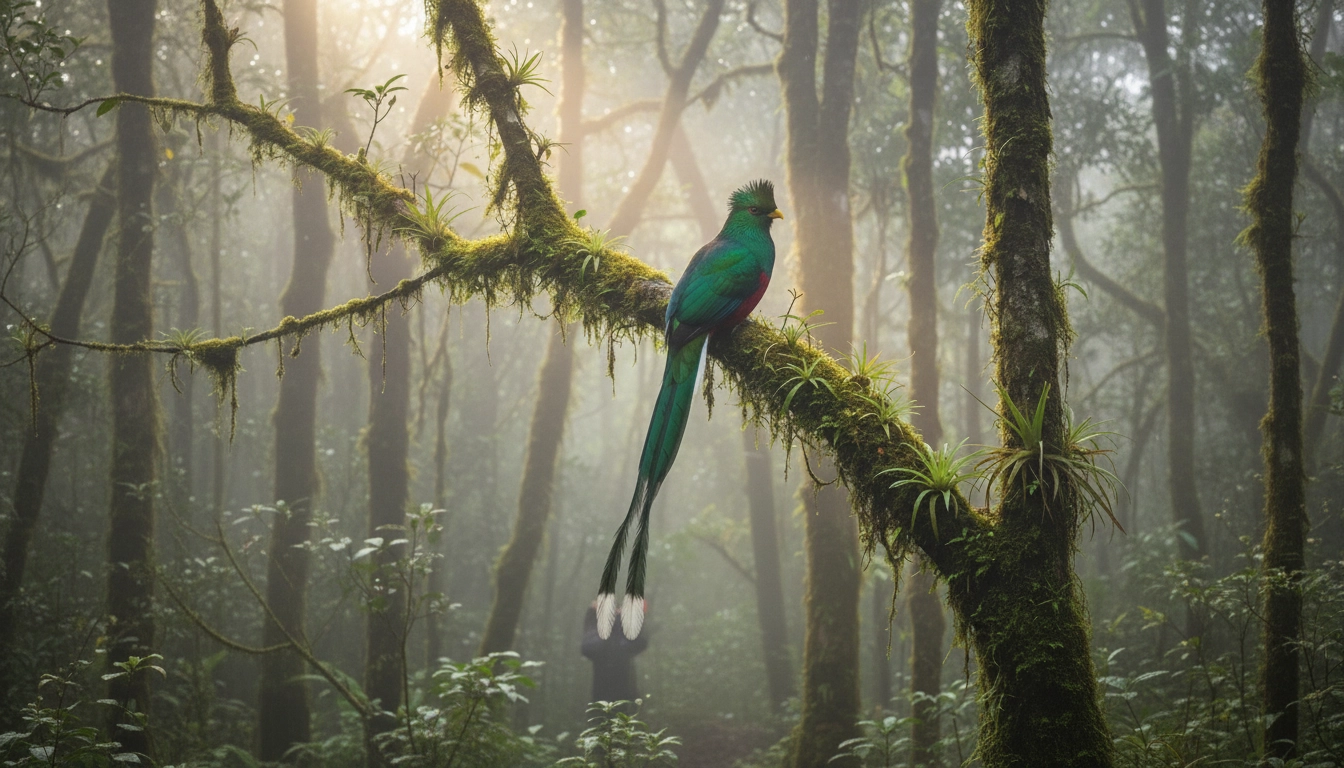
Begin your educational planning by prioritizing Monteverde Cloud Forest Reserve as the cornerstone location for teaching cloud forest ornithology. This world-renowned reserve, perched high in the Tilarán Mountains, provides students with access to over 400 bird species within a unique moss-covered, mist-shrouded ecosystem. The reserve's flagship species, the Resplendent Quetzal, offers students an ideal focal point for understanding specialized ecological adaptations to high-altitude forest environments.
Ensure that your itinerary includes early morning observation sessions when quetzals are most active. Create detailed observation protocols that require students to document plumage variations, feeding behaviors, and habitat preferences. Emphasize the importance of silent movement and patient observation: essential skills that transfer to all field research methodologies.
La Selva Biological Station: Research-Integrated Learning
Incorporate La Selva Biological Station into your educational framework for its exceptional research infrastructure and guided educational programs. Located in the Caribbean lowlands, this facility accommodates educational groups while providing structured learning experiences across primary rainforest habitats. The station's research-oriented approach allows students to engage directly with professional ornithologists and ongoing conservation projects.
Advise students to prepare detailed field notebooks before arrival, including pre-drawn data collection tables for species identification, behavioral observations, and ecological measurements. Encourage students to formulate research questions about lowland rainforest bird communities that they can investigate during their stay.
Educational Infrastructure and Professional Support Systems
Sirena Biological Station: Intensive Field Research Experience
Plan advanced student programs around Sirena Biological Station in Corcovado National Park for groups seeking intensive field research experiences. Although accessible only by boat, small aircraft, or multi-day hikes, this remote location provides unparalleled opportunities for observing rare species including Harpy Eagles, King Vultures, and Great Curassows within primary rainforest settings.
Implement rigorous physical preparation requirements for student participants, as the remote location demands excellent physical condition and mental preparedness for challenging field conditions. Create comprehensive emergency communication protocols and ensure all participants understand the commitment required for multi-day research expeditions.
Specialized Lodge-Based Learning Centers
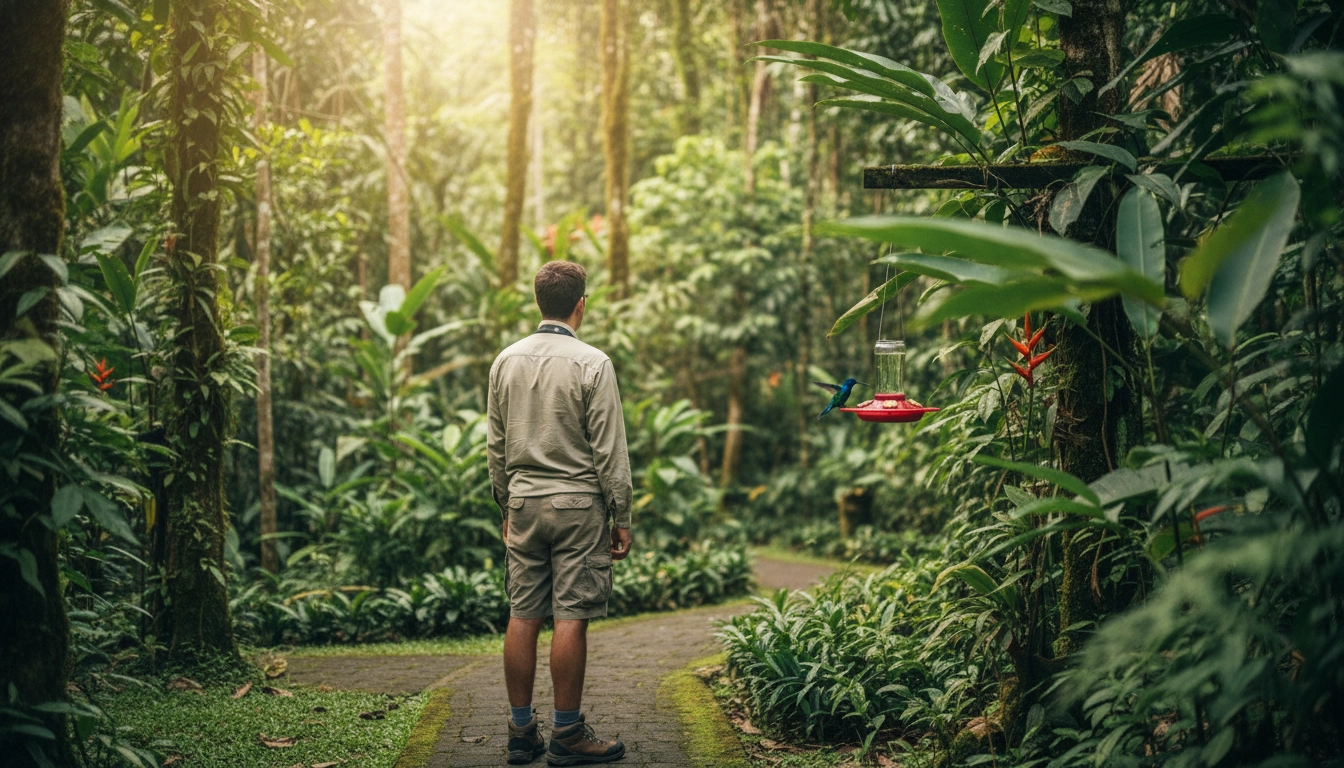
Establish partnerships with educational facilities like Tirimbina Lodge and Rancho Naturalista, which specifically accommodate school groups and provide flexible observation opportunities. These locations offer structured research environments where students can transition between hiking-based observations and stationary monitoring points, accommodating varying physical abilities within student groups.
Develop pre-arrival communication protocols with lodge staff to ensure proper equipment availability, meal accommodations for dietary restrictions, and appropriate scheduling for optimal bird activity periods.
Habitat-Based Curriculum Integration Strategies
Wetland Ecology and Migration Patterns
Incorporate Palo Verde National Park into your curriculum to teach wetland and waterbird ecology across 20,000 hectares of dry tropical forest, wetlands, and marshlands. Schedule visits between December and April to maximize opportunities for observing both resident and migratory species, including waders, ducks, and the impressive Jabiru Stork.
Create structured observation protocols that require students to document seasonal migration patterns, feeding strategies, and interspecies interactions. Emphasize the importance of understanding cyclical ecological patterns and their relationship to global climate systems.
Canal-Based Observation Methodologies
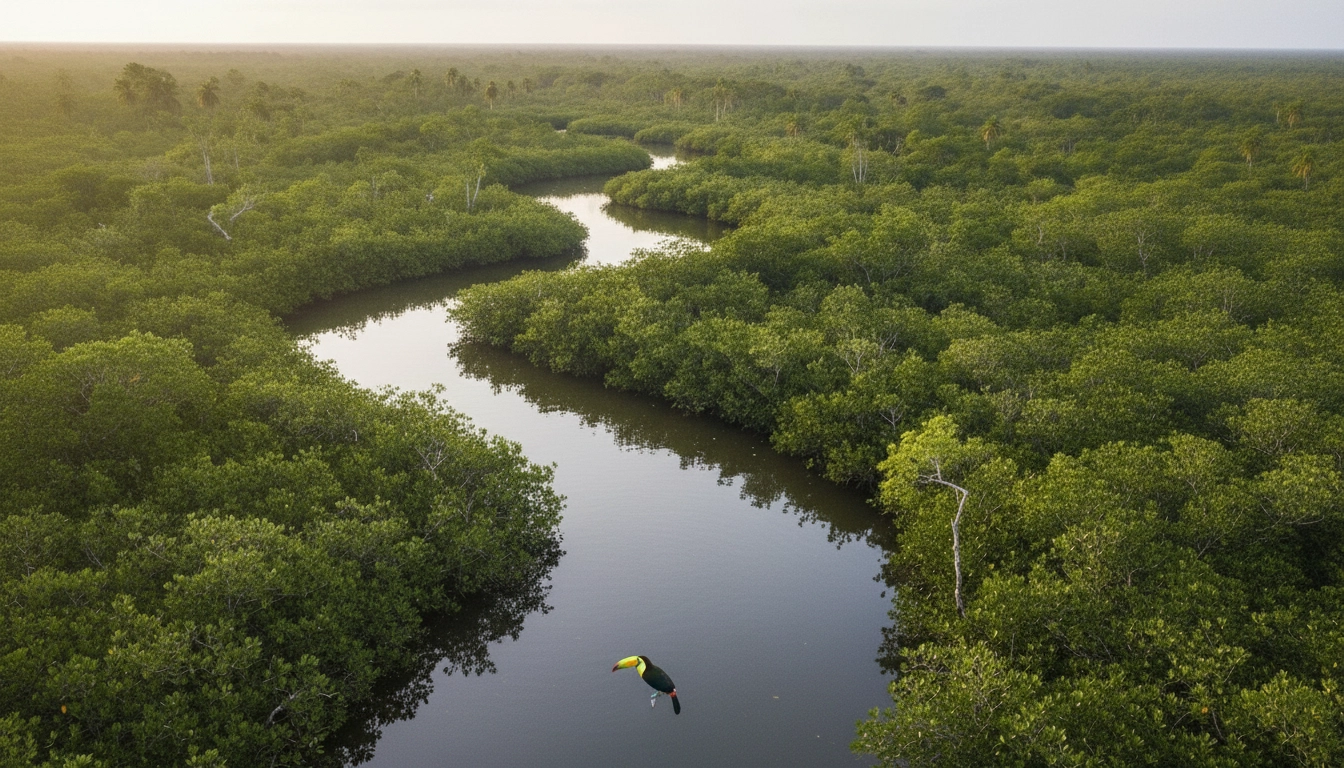
Plan boat-based educational experiences in Tortuguero National Park to teach students about mangrove and lagoon ecosystems. The park's boat-only access creates unique opportunities for comfortable, extended observation periods while maintaining appropriate distances from sensitive wildlife populations.
Develop waterproof observation materials and ensure all students understand proper boat safety protocols. Create rotation schedules that allow each student optimal viewing opportunities while maintaining group safety and minimal environmental disturbance.
Comprehensive Safety and Preparation Protocols
Pre-Departure Student Preparation
Begin student preparation at least eight weeks before departure with comprehensive orientation sessions covering tropical field research protocols, appropriate clothing and equipment requirements, and basic Spanish phrases for emergency situations. Require all participants to complete detailed medical history forms and ensure current vaccinations meet Costa Rican health requirements.
Emphasize the importance of physical conditioning, particularly for programs involving hiking in humid tropical conditions. Create detailed packing lists that prioritize lightweight, quick-drying clothing, quality rain gear, and appropriate footwear for multiple terrain types.
Field Safety and Emergency Protocols
Establish comprehensive emergency communication plans that account for remote locations with limited cellular coverage. Ensure all supervising adults carry satellite communication devices for areas beyond traditional communication networks. Create detailed emergency evacuation plans specific to each location, including helicopter landing zones and nearest medical facilities.
Implement buddy systems for all student activities and establish clear protocols for group movement, wildlife encounters, and equipment management. Require students to understand and practice proper behavior around wildlife, emphasizing observation distances and quiet movement techniques.
Advanced Learning Objectives and Assessment Strategies
Scientific Data Collection and Analysis
Design comprehensive data collection protocols that require students to maintain detailed field notebooks documenting species observations, behavioral patterns, and ecological measurements. Create standardized data sheets that allow for quantitative analysis of bird diversity, abundance patterns, and habitat associations across different ecological zones.
Encourage students to develop individual research questions that can be investigated throughout the expedition, such as comparing bird community composition between edge and interior forest habitats, or documenting daily activity patterns of specific target species.
Conservation Education Integration
Integrate conservation education by connecting field observations to broader environmental challenges facing tropical bird populations. Discuss habitat fragmentation, climate change impacts, and international conservation efforts during evening reflection sessions.
Create opportunities for students to engage with local conservation professionals and understand community-based conservation initiatives. Emphasize the importance of sustainable tourism practices and responsible field research methodologies.
Practical Implementation and Long-Term Learning Outcomes
Equipment and Technology Integration
Provide students with quality binoculars, field guides specific to Costa Rican birds, and waterproof notebooks for data collection. Encourage use of birding apps for species identification assistance while emphasizing the importance of developing independent identification skills through careful observation and field guide use.
Create photography protocols that prioritize wildlife welfare over image quality, teaching students about ethical wildlife photography practices and appropriate equipment use in sensitive environments.
Post-Expedition Educational Continuity
Develop post-expedition projects that require students to analyze collected data, create species identification presentations, and connect field observations to broader ecological concepts studied in classroom settings. Encourage students to share their experiences with younger students, creating mentorship opportunities that reinforce their own learning while inspiring future conservation scientists.
Ensuring the safety and educational success of student ornithology programs in Costa Rica's national parks requires meticulous planning, comprehensive preparation, and unwavering commitment to both educational excellence and environmental responsibility. Through careful selection of appropriate locations, implementation of rigorous safety protocols, and creation of meaningful learning objectives, educators can provide students with transformative experiences that foster lifelong appreciation for tropical biodiversity and conservation science. The investment in thorough preparation and professional execution creates lasting educational impacts that extend far beyond the expedition itself, preparing students to become informed environmental stewards and passionate advocates for global conservation efforts.

Comments