


Costa Rica Conservation in Action: Student Programs Helping Protect Endangered Wildlife
- Caleb Mullenix
- Nov 28, 2025
- 5 min read

Ensuring meaningful conservation education for students requires direct engagement with real-world wildlife protection efforts. Costa Rica offers exceptional opportunities for student groups to contribute actively to endangered species conservation while developing critical scientific skills and environmental awareness. Preparing your students for these transformative experiences involves careful selection of appropriate programs and thorough preparation for hands-on conservation work.
Understanding Costa Rica's Conservation Landscape
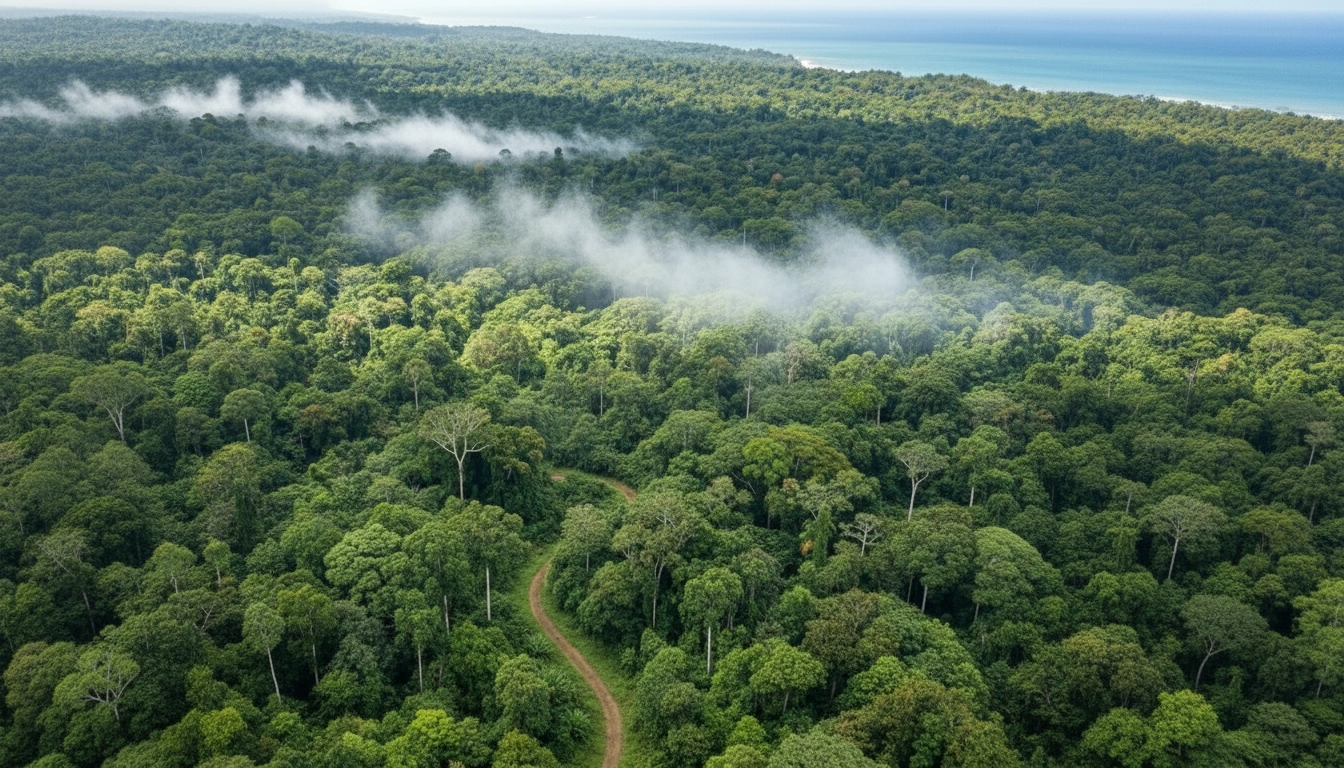
Costa Rica protects approximately 25% of its territory through national parks and reserves, creating an ideal classroom for student conservation programs. The country's biodiversity hotspots support over 500,000 species, including numerous endangered animals requiring immediate protection efforts. Student programs in Costa Rica focus primarily on sea turtle conservation, rainforest wildlife rehabilitation, and endangered species breeding initiatives.
Begin by researching the specific conservation challenges your students will address. Sea turtle populations face threats from coastal development, plastic pollution, and climate change affecting nesting beaches. Rainforest species encounter habitat fragmentation, illegal wildlife trafficking, and human-wildlife conflict. Understanding these challenges helps students appreciate the significance of their conservation contributions.

Short-Term Conservation Expeditions for High School Students
The Rustic Pathways Turtle Conservation Project exemplifies effective short-term conservation programming for students aged 14-18. This 8-day program at Camaronal National Wildlife Refuge provides approximately 26 hours of community service focused on protecting critically endangered sea turtles. Students engage in essential conservation activities including beach cleanups, egg collection and hatchery management, night patrols to locate nesting females, and releasing hatchlings safely into the ocean.
Create detailed preparation protocols for turtle conservation programs. Advise students about the physical demands of night patrols and beach work. Emphasize the importance of following strict wildlife interaction guidelines to avoid disturbing nesting behaviors. Share information about proper headlamp usage during night activities, as inappropriate lighting can disorient sea turtles and affect their natural behaviors.
Discuss emergency procedures specific to coastal conservation work. Ensure students understand protocols for encounters with wildlife beyond sea turtles, including proper responses to snakes, spiders, and other potentially dangerous species. Establish clear communication procedures for night patrol activities when students work in small groups across extensive beach areas.
Extended Research and Internship Opportunities
Wild Sun Rescue Center's 12-week Wildlife Biology Internship offers comprehensive conservation education for students seeking intensive scientific experience. Interns divide their time equally between animal care responsibilities and independent research projects tailored to individual interests and center priorities. This program provides invaluable hands-on experience in wildlife rehabilitation, species reintroduction protocols, and conservation research methodologies.
Encourage students to develop specific research proposals before participating in extended internship programs. Support them in identifying particular species or conservation challenges that align with their academic interests and career goals. Emphasize the importance of maintaining detailed field notes and documentation throughout their internship experience.

Multi-Week Expedition Programs
GLA's Ocean & Wildlife Conservation Adventure provides 14-day immersive experiences in Puntarenas Province, where students collaborate with local ecological organizations to protect beaches, restore wildlife habitats, and support iconic endangered species. The program maintains a 6-to-1 student-to-staff ratio, ensuring appropriate supervision and personalized learning opportunities.
Wildlands Studies offers comprehensive rainforest exploration programs combining wildlife tracking with active conservation work across southern Costa Rica's national parks and mangrove ecosystems. Students develop expertise in plant and animal species identification while supporting field research on jaguars, pumas, scarlet macaws, various monkey species, and Baird's Tapirs.
Establish clear expectations for multi-week programs regarding physical fitness requirements and mental preparedness for extended fieldwork. Advise students about the challenges of working in tropical climates, including high humidity, frequent rainfall, and exposure to various insects and other wildlife. Create comprehensive packing lists that include appropriate field clothing, personal protective equipment, and essential research materials.
Wildlife Rehabilitation and Breeding Center Experiences
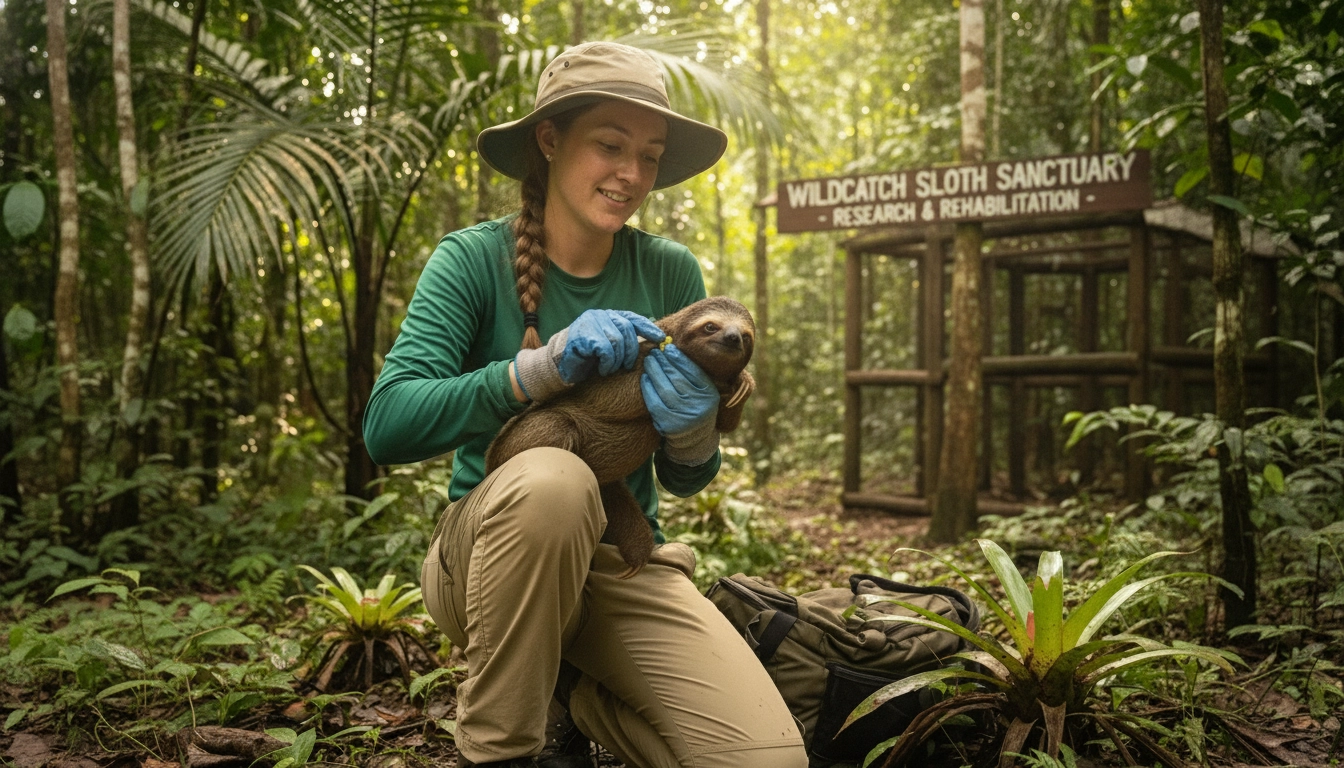
Rescate Wildlife Rescue Center provides unique opportunities for students to engage with non-releasable wildlife in their Lifetime Care Sanctuary and Endangered Species Breeding Center. Students participate in behavioral research, animal feeding protocols, and enrichment creation for animals that cannot return to their natural habitats due to injuries or human imprinting.
Emphasize the emotional aspects of wildlife rehabilitation work when preparing students for these experiences. Discuss the reality that not all animals can be successfully rehabilitated and returned to the wild. Encourage students to understand how sanctuary work contributes to species conservation through education, research, and breeding programs for endangered species.
Safety Protocols and Risk Management
Implementing comprehensive safety protocols is paramount for student conservation programs in Costa Rica. Begin by conducting thorough medical screenings to identify students with allergies, medical conditions, or medications that might be affected by tropical environments or wildlife exposure.
Create detailed emergency action plans that address various scenarios including wildlife encounters, severe weather events, medical emergencies, and equipment failures. Ensure all participating students and chaperones understand evacuation procedures and emergency communication protocols. Establish clear procedures for contacting local medical facilities, U.S. embassy services, and program coordinators.
Advise students about specific health precautions including recommended vaccinations, malaria prevention in certain regions, and proper wound care in tropical environments. Emphasize the importance of following all wildlife interaction guidelines, maintaining appropriate distances from animals, and never attempting to handle wildlife without proper supervision and training.
Educational Integration and Curriculum Connections
Maximize learning opportunities by connecting conservation activities with existing curriculum standards in biology, environmental science, geography, and social studies. Encourage students to document their experiences through detailed field journals, photography, and species identification logs that can be integrated into post-trip academic projects.
Develop pre-trip educational modules covering Costa Rican ecology, endangered species biology, conservation challenges, and sustainable development principles. Create opportunities for students to research specific species they will encounter and conservation organizations they will support during their program.
Program Selection Considerations
Evaluate program duration based on your students' maturity levels, academic schedules, and financial resources. Short-term programs provide excellent introductions to conservation work without overwhelming commitments, while extended internships offer deeper scientific training and research opportunities.
Consider the specific conservation focus that best aligns with your educational objectives. Sea turtle conservation programs emphasize marine biology and coastal ecology. Wildlife rehabilitation centers provide insights into veterinary science and animal behavior. Rainforest research programs focus on biodiversity, ecosystem interactions, and habitat conservation.
Assess program costs carefully, including transportation, accommodations, meals, program fees, and travel insurance. Many organizations offer fundraising support and scholarship opportunities for qualified students. Encourage early program registration to secure preferred dates and potentially reduced costs.
Post-Program Follow-Up and Continued Engagement
Create opportunities for students to share their conservation experiences with school communities through presentations, photo exhibitions, and social media campaigns. Encourage them to maintain connections with Costa Rican conservation organizations through ongoing fundraising efforts or virtual collaboration opportunities.
Support students in developing action plans for continued conservation engagement in their home communities. Help them identify local environmental organizations, wildlife rehabilitation centers, or habitat restoration projects where they can apply skills and knowledge gained in Costa Rica.
Costa Rica's student conservation programs provide transformative educational experiences that develop scientific skills, environmental awareness, and global citizenship. Through careful program selection, thorough preparation, and comprehensive safety protocols, educators can ensure their students contribute meaningfully to endangered wildlife protection while gaining invaluable hands-on conservation experience.
For educators seeking comprehensive support in planning transformative conservation expeditions, Appleseed Expeditions specializes in creating educational travel experiences that combine rigorous academic content with meaningful conservation action, ensuring your students return home as informed and engaged environmental stewards.
Comments