


Costa Rica vs Classroom Labs: Which Biodiversity Experience Will Transform Your High School Students?

Ensuring the educational success of your high school students requires carefully weighing the transformative potential of real-world experiences against traditional classroom methods. When planning biodiversity education, educators face a critical decision: invest in a student trip to Costa Rica or enhance existing classroom laboratory capabilities. This comprehensive analysis will guide you through the essential considerations for maximizing student learning outcomes.
Understanding the Stakes: Why This Decision Matters
Preparing your students for careers in biological sciences, environmental conservation, or STEM fields involves careful planning and strategic educational investments. The choice between field-based learning in Costa Rica and laboratory-based instruction will significantly impact student engagement, knowledge retention, and career trajectory development.
Costa Rica represents the world's premier biodiversity destination, containing over 5% of global species within just 0.03% of Earth's landmass. This exceptional concentration creates unparalleled learning opportunities that traditional classrooms cannot replicate.
The Costa Rica Advantage: Immersive Biodiversity Education
Unmatched Species Diversity and Accessibility
A Costa Rica wildlife trip for students provides access to extraordinary biodiversity concentrations. Students encounter over 900 bird species, 240+ mammal species, 150 amphibian species, 215 reptile species, and 12,000+ plant species during their educational journey. This diversity surpasses any laboratory collection or museum exhibit.
Costa Rica biodiversity tours for students offer immediate access to multiple ecosystems within short distances. Students can study cloud forests, rainforests, mangrove systems, and coral reefs during a single expedition, providing comprehensive ecosystem understanding impossible to achieve in classroom settings.
Real-World Research Experience
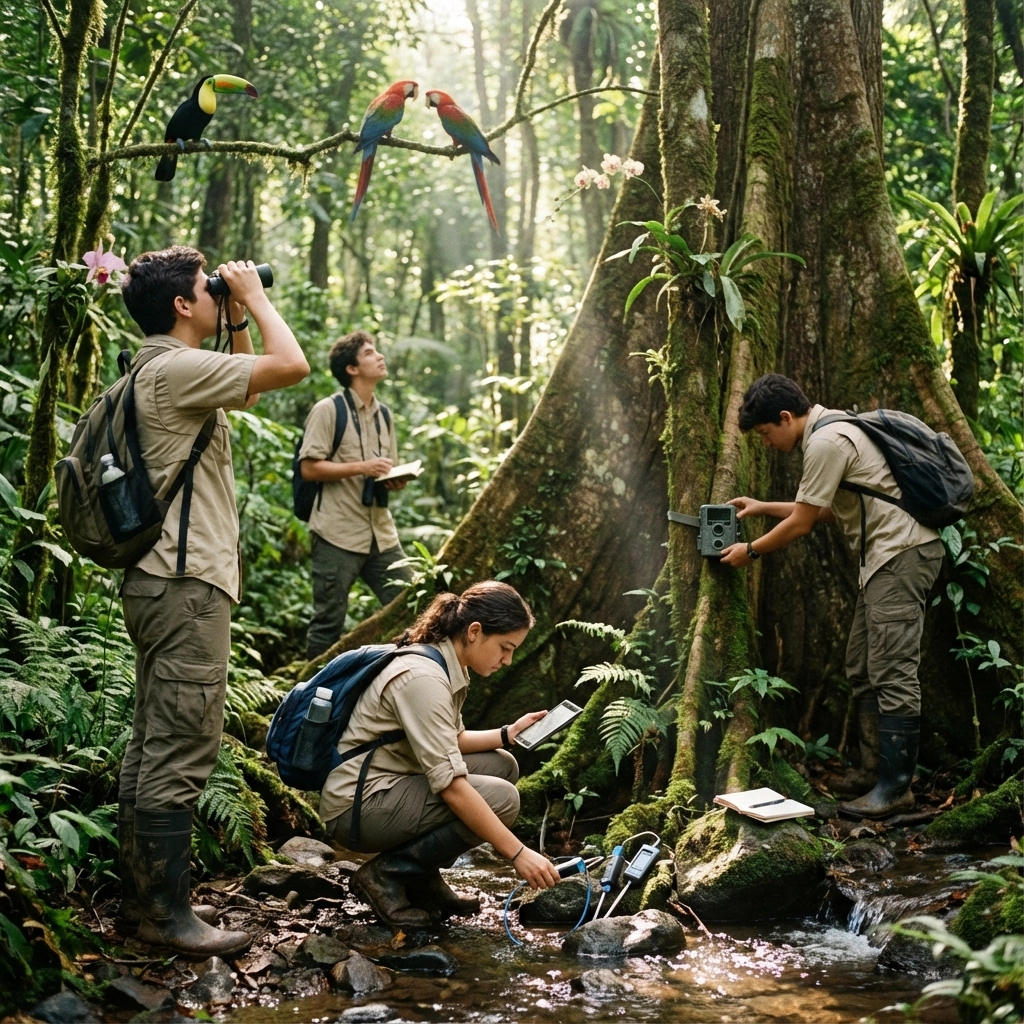
High school wildlife programs Costa Rica integrate authentic scientific methodologies into student learning. Students employ professional research techniques including:
Bird point counts for avian diversity assessment
Acoustic monitoring technology for bat species identification
Camera trap deployment for mammal behavior studies
GPS mapping for habitat analysis
Water quality testing in natural stream systems
These hands-on experiences mirror actual conservation research, preparing students for advanced scientific study and environmental careers.
Cultural and Environmental Context
An educational trip Costa Rica provides essential cultural context often missing from laboratory education. Students interact with local conservation efforts, indigenous knowledge systems, and sustainable development practices. This integration develops global awareness and environmental citizenship crucial for addressing contemporary conservation challenges.
Classroom Laboratory Benefits: Controlled Learning Environments
Standardized Learning Outcomes
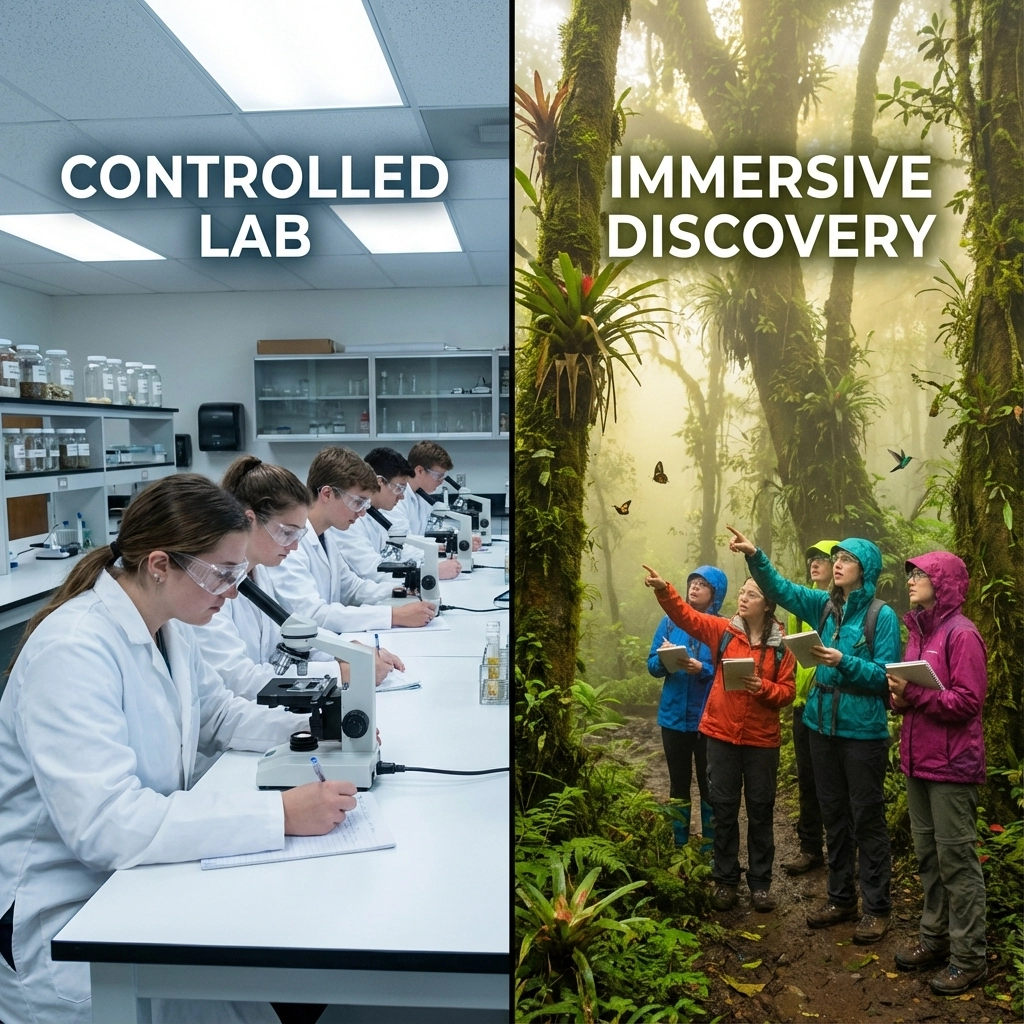
Classroom laboratories provide controlled environments ensuring consistent educational experiences for all students. Teachers can precisely calibrate experiments, maintain safety protocols, and guarantee specific learning objective achievement regardless of external variables.
Cost-Effective Accessibility
Laboratory-based biodiversity education eliminates travel costs, accommodation expenses, and international insurance requirements. This accessibility ensures equitable educational opportunities for students regardless of socioeconomic background or family financial circumstances.
Safety and Risk Management
Classroom environments provide maximum safety control with immediate access to emergency resources, medical facilities, and administrative support. Teachers can implement comprehensive safety protocols without managing international travel risks or remote location challenges.
Direct Comparison Analysis: Transformative Potential Assessment
Student Engagement and Motivation
Costa Rica student group travel generates exceptional student engagement through novelty, adventure, and authentic discovery experiences. Students demonstrate increased participation, enthusiasm, and knowledge retention when learning occurs in natural settings rather than artificial laboratory environments.
Research indicates field-based learning experiences create lasting educational impacts extending beyond immediate curriculum objectives. Students develop environmental awareness, conservation ethics, and scientific curiosity that influence career choices and lifelong learning patterns.
Knowledge Retention and Application
Costa Rica ecology trip for student groups facilitates deep learning through multisensory experiences and emotional connections with subject matter. Students remember species encounters, ecosystem interactions, and conservation concepts more effectively when experienced directly rather than through textbooks or laboratory simulations.
Laboratory learning provides detailed understanding of specific concepts through controlled observation and experimentation. However, this knowledge often remains compartmentalized and fails to integrate into comprehensive environmental understanding.
Skills Development Comparison
Field experiences develop critical skills including:
Environmental observation and pattern recognition
Adaptability and problem-solving in unpredictable situations
Cultural competency and global awareness
Leadership and teamwork in challenging environments
Scientific communication and data interpretation
Laboratory experiences emphasize:
Precision in measurement and data collection
Protocol adherence and procedural accuracy
Controlled variable manipulation
Statistical analysis and hypothesis testing
Safety protocol implementation
Practical Implementation Considerations for Educators
Planning and Preparation Requirements
Organizing student travel Costa Rica requires extensive advance planning, including:
Safety Protocol Development: Establish comprehensive emergency procedures, medical response plans, and communication protocols with parents and administration
Educational Objective Alignment: Ensure trip activities directly support curriculum standards and learning outcomes
Student Preparation: Conduct pre-trip education sessions covering cultural expectations, safety procedures, and educational goals
Documentation and Permissions: Secure all necessary travel documents, parental consent forms, and administrative approvals
Risk Assessment: Evaluate and mitigate potential safety concerns through detailed planning and contingency preparation
Cost-Benefit Analysis Framework
When evaluating educational investments, consider the following factors:
Costa Rica Program Costs:
Transportation and accommodation expenses
Travel insurance and emergency fund requirements
Program fees and educational activity costs
Equipment and preparation expenses
Chaperone compensation and coverage costs
Laboratory Enhancement Costs:
Equipment purchase and maintenance
Specimen acquisition and storage
Safety equipment and facility upgrades
Ongoing supply replenishment
Technology integration expenses
Long-Term Educational Impact Assessment
High school wildlife programs Costa Rica often generate transformative experiences influencing student career choices, college major selection, and environmental awareness development. These impacts extend beyond immediate educational objectives to create lasting personal and professional benefits.
Laboratory programs provide consistent skill development and knowledge acquisition supporting academic achievement and standardized test performance. This reliability ensures predictable educational outcomes supporting college preparation objectives.
Making the Strategic Decision: Recommendations for Educators
Prioritize Student Population Needs
Assess your student population's specific needs, backgrounds, and educational objectives. Students with limited travel experience or diverse socioeconomic circumstances may benefit more significantly from transformative field experiences, while academically focused students may require laboratory skill development for college preparation.
Consider Institutional Resources and Capabilities
Evaluate your school's capacity for managing international travel programs versus laboratory program enhancement. Consider administrative support, teacher expertise, safety infrastructure, and community acceptance when making implementation decisions.
Develop Hybrid Approaches When Possible
The most effective biodiversity education programs combine field experiences with laboratory reinforcement. Costa Rica student group travel followed by laboratory analysis and research projects maximizes both experiential learning and scientific skill development.
Safety and Risk Management: Non-Negotiable Priorities
Costa Rica Travel Safety Protocols
Implementing comprehensive safety measures for international student travel requires:
Detailed emergency response procedures with 24/7 communication capabilities
Comprehensive medical insurance coverage and emergency evacuation plans
Experienced local guides and reputable program operators
Regular safety briefings and behavioral expectation reinforcement
Continuous supervision and structured group management
Laboratory Safety Implementation
Ensure laboratory environments maintain rigorous safety standards through:
Proper chemical storage and handling protocols
Emergency equipment accessibility and maintenance
Student safety training and certification requirements
Regular facility inspections and compliance verification
Clear accident reporting and response procedures
Maximizing Educational Outcomes: Best Practices
Pre-Trip Preparation Strategies
Enhance educational trip Costa Rica effectiveness through comprehensive preparation:
Curriculum Integration: Align field experiences with classroom learning objectives and assessment requirements
Cultural Preparation: Educate students about Costa Rican culture, history, and environmental challenges
Scientific Method Training: Prepare students to conduct authentic research during field experiences
Safety and Behavior Expectations: Establish clear guidelines for appropriate conduct and emergency procedures
Reflection and Documentation: Provide frameworks for recording observations and processing experiences
Laboratory Enhancement Techniques
Optimize classroom laboratory experiences through:
Interactive technology integration for virtual field experience simulation
Guest expert presentations from field researchers and conservation professionals
Authentic specimen collections and research-quality equipment
Collaborative projects connecting students with international research initiatives
Regular assessment and curriculum updating based on current scientific developments
The Verdict: Transformation Through Authentic Experience
While classroom laboratories provide essential skill development and controlled learning environments, Costa Rica biodiversity tours for students offer unparalleled transformative potential. The immersive nature of field-based learning creates lasting impacts on student engagement, environmental awareness, and career development that laboratory experiences cannot replicate.
However, the decision ultimately depends on your specific educational objectives, student population needs, and institutional capabilities. The most effective approach combines both experiences, using laboratory work to prepare students for field experiences and reinforce field observations through controlled experimentation.
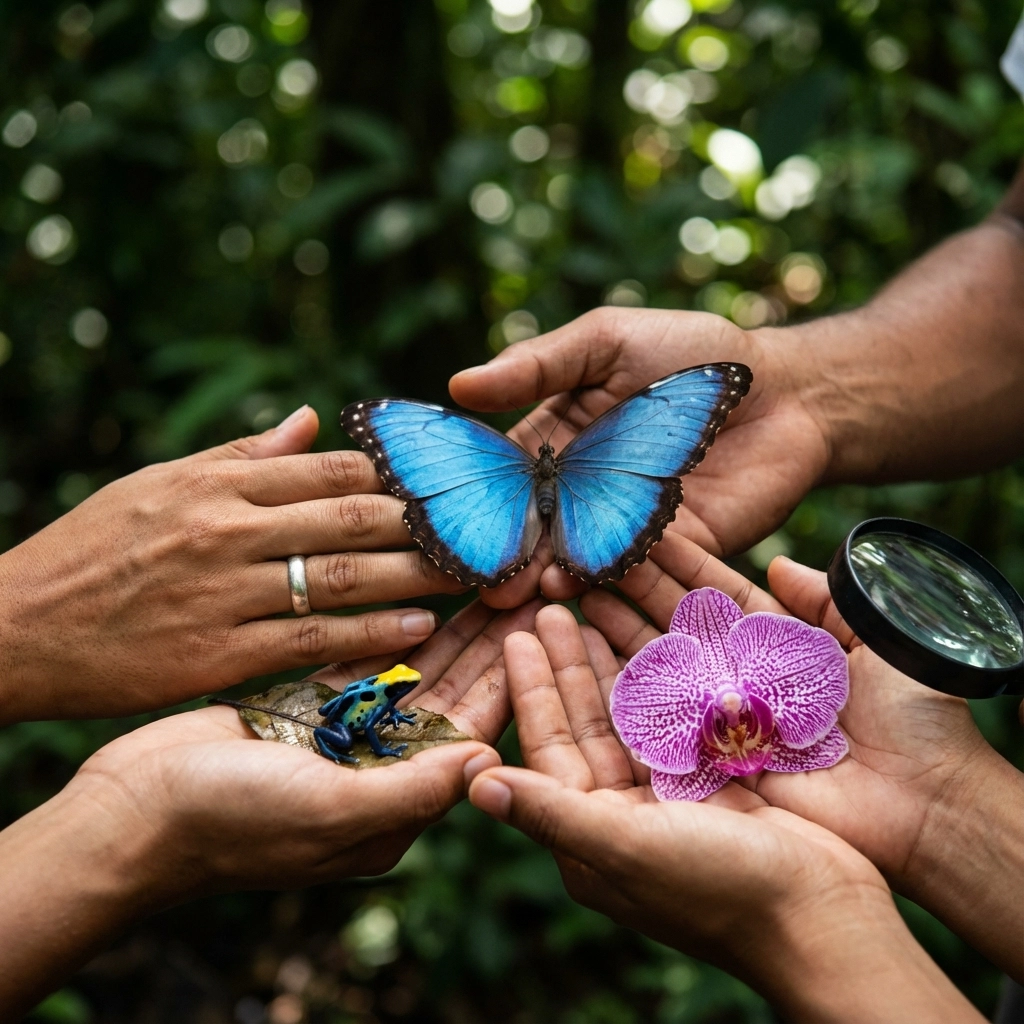
Appleseed Expeditions specializes in creating transformative educational experiences that combine the best of both approaches. Our Costa Rica student group travel programs integrate rigorous scientific methodology with authentic field research, providing students with comprehensive biodiversity education that prepares them for advanced scientific study and environmental leadership.
The choice between Costa Rica field experiences and classroom laboratories is not simply about educational effectiveness: it is about providing students with the inspiration, skills, and global perspective necessary for addressing the environmental challenges of their generation. Invest wisely in your students' future by choosing the approach that will truly transform their understanding of the natural world and their role as environmental stewards.

Comments