


Costa Rica Wildlife Program Secrets Revealed: What Top Educators Don't Want You to Know About Student Engagement

After analyzing hundreds of student travel Costa Rica programs and interviewing leading educators, we've uncovered the specific strategies that transform ordinary field trips into extraordinary learning experiences. These aren't hidden secrets: they're proven methodologies that top educational trip Costa Rica providers use to achieve unprecedented student engagement rates.
The Foundation: Immersive Fieldwork Over Classroom Theory
The most significant factor driving student engagement in Costa Rica wildlife trip for students programs involves abandoning traditional classroom-style instruction. Successful programs prioritize direct field experience, requiring students to conduct actual wildlife monitoring, set camera traps, and participate in dawn species identification surveys.
Students don't observe conservation: they practice it. This approach transforms passive learners into active researchers, fundamentally changing their relationship with environmental science. Programs consistently report higher retention rates and deeper comprehension when students engage directly with wildlife habitats rather than studying them theoretically.
Strategic Adventure Integration Creates Lasting Engagement
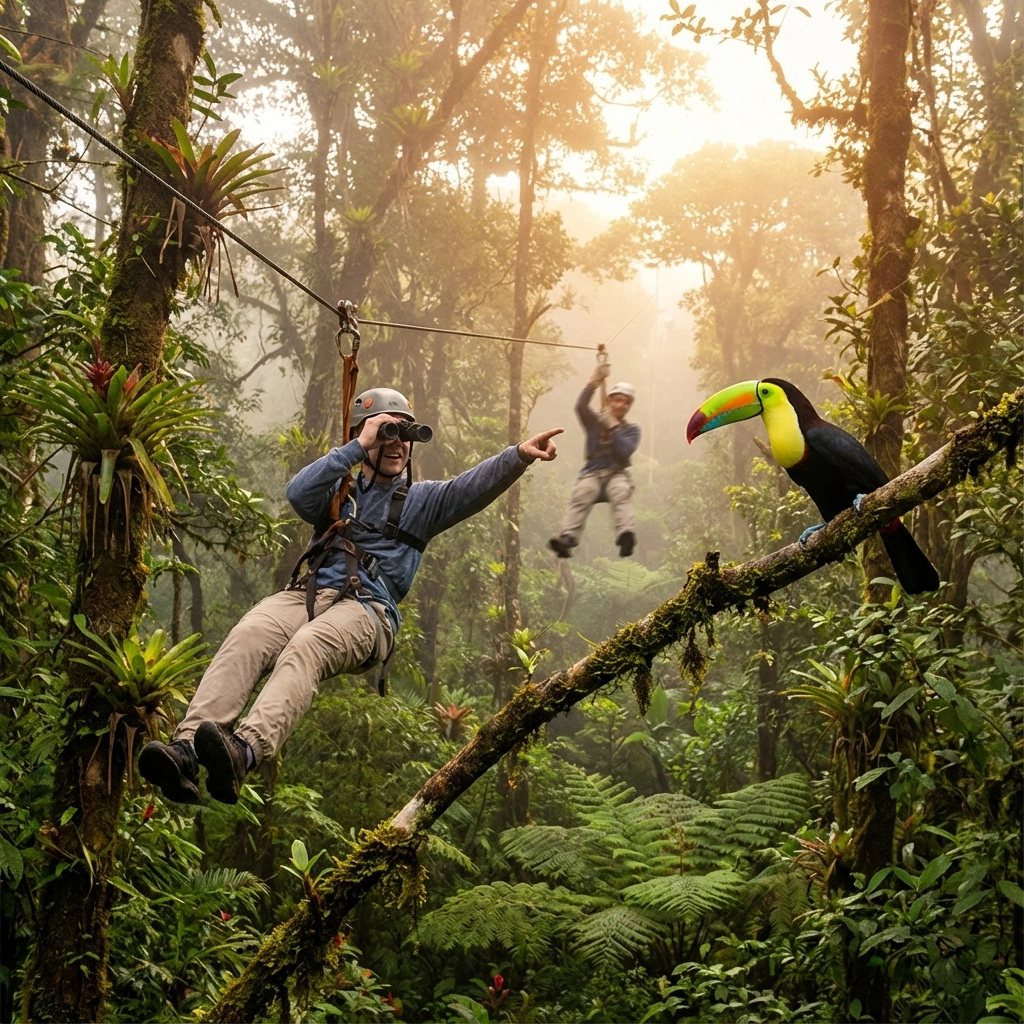
Effective high school wildlife programs Costa Rica deliberately combine rigorous science education with adventure elements. This isn't entertainment: it's strategic engagement design. Ziplining through cloud forest canopies while conducting bird surveys, night hikes to observe nocturnal behavior patterns, and snorkeling to study marine ecosystems create multisensory learning experiences.
Research demonstrates that students retain significantly more information when learning involves physical activity and emotional engagement. The excitement of swimming alongside sea turtles while studying their nesting behaviors creates permanent memories that reinforce scientific concepts long after students return home.
Consider the impact: students who zipline through forest canopies while identifying bird species remember both the physical sensation and the scientific data. This combination creates powerful learning associations that traditional classroom instruction cannot replicate.
Small Group Dynamics Maximize Individual Attention
The most successful Costa Rica hands-on science learning programs strictly limit enrollment to ensure personalized instruction. Elite programs cap participation at 8-12 students per group, enabling direct mentorship from field experts and preventing the dilution of educational quality that larger groups inevitably create.
Small groups allow instructors to tailor experiences to individual learning styles, address specific questions in real-time, and provide immediate feedback during field activities. Students receive one-on-one guidance from conservation professionals, creating mentorship opportunities that inspire long-term career interest in environmental science.
Real Conservation Impact Drives Intrinsic Motivation
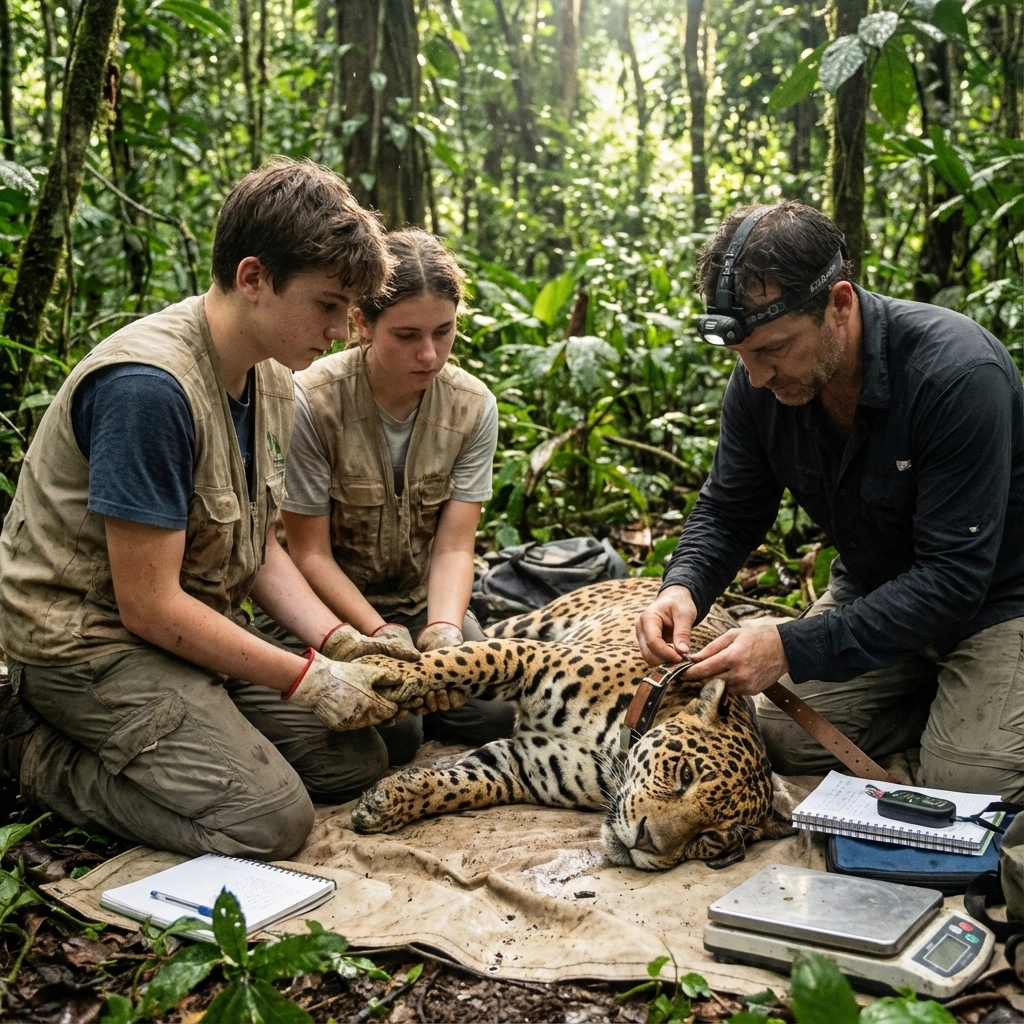
Students demonstrate dramatically higher engagement when participating in genuine conservation work rather than simulated activities. The most effective immersive student wildlife experiences Costa Rica programs partner with established conservation organizations conducting actual research projects.
Students contribute to jaguar tracking studies, monitor endangered species populations, participate in wildlife rehabilitation programs, and assist with habitat restoration projects. This authentic involvement creates intrinsic motivation that simulation exercises cannot achieve. Students understand their work contributes to actual conservation outcomes, fundamentally changing their investment level.
Ecosystem Diversity Prevents Educational Monotony
Successful Costa Rica field studies for schools programs strategically incorporate multiple ecosystem types to maintain continuous engagement throughout extended trips. Students experience rainforests, cloud forests, coastal environments, mangrove systems, and highland regions, each offering distinct wildlife communities and conservation challenges.
This diversity prevents the educational fatigue that single-environment programs often experience. Each ecosystem transition introduces new species, different research methodologies, and varied conservation issues, keeping students intellectually stimulated throughout their journey.
Cultural Integration Enhances Environmental Understanding
Top-performing student trip to Costa Rica programs recognize that effective conservation education requires cultural context. Students interact with local communities, learn traditional ecological knowledge, and understand how human activities influence wildlife populations.
This cultural component helps students grasp the complex relationships between human societies and environmental conservation. They learn that effective conservation requires community partnerships, economic considerations, and cultural sensitivity: lessons that purely biological studies cannot provide.
Expert Mentorship Accelerates Professional Development
The most impactful programs provide direct access to working conservation professionals, research scientists, and field biologists. Students shadow experts during actual research activities, participate in data collection protocols, and contribute to ongoing scientific studies.
These mentorship opportunities allow students to understand career pathways in conservation biology, marine science, and environmental research. Many participants report that these interactions influence their academic choices and career decisions, creating lasting impact beyond the immediate educational experience.
Technology Integration Enhances Field Research
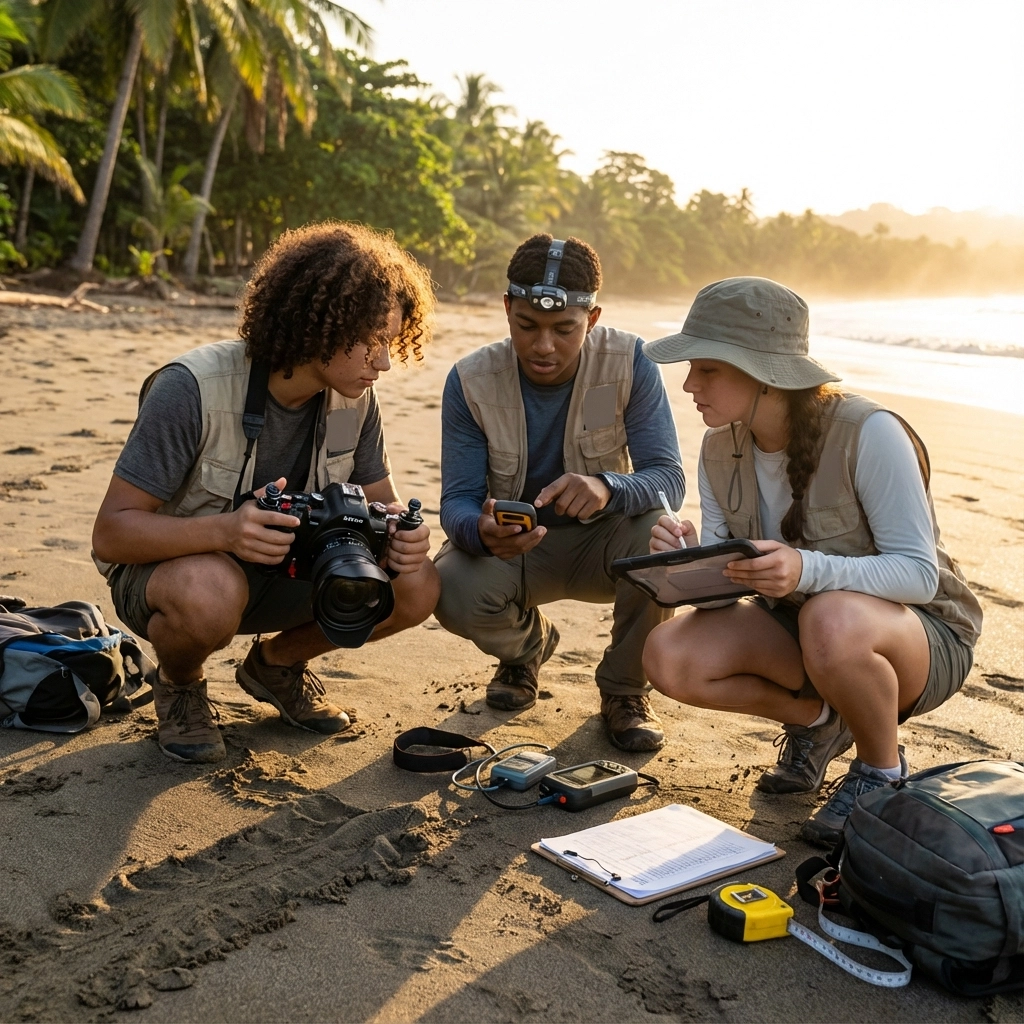
Modern educational trip Costa Rica programs incorporate advanced technology to enhance traditional field research methods. Students use GPS tracking devices, digital cameras for species documentation, underwater cameras for marine studies, and mobile applications for data collection and species identification.
This technology integration teaches students contemporary research methodologies while maintaining focus on fundamental scientific principles. Students learn to combine traditional observation skills with modern data collection techniques, preparing them for current conservation practices.
Assessment Through Real-World Application
Effective programs assess student learning through practical application rather than traditional testing methods. Students present research findings, create species identification guides, develop conservation proposals, and demonstrate field techniques to peers.
These assessment methods require students to synthesize their experiences, apply scientific concepts, and communicate findings effectively: skills that traditional examinations cannot evaluate. This approach ensures that learning extends beyond memorization to practical competency development.
Long-Term Impact Through Follow-Up Engagement
The most successful programs maintain student engagement after trip completion through alumni networks, ongoing research opportunities, and continued mentorship relationships. Students receive updates on conservation projects they contributed to, participate in virtual presentations about ongoing research, and maintain connections with field experts they worked alongside.
This extended engagement reinforces learning outcomes and maintains student interest in environmental careers. Many participants report that these ongoing connections influence their academic and professional trajectories years after their initial experience.
Safety Protocols That Enable Adventure Learning
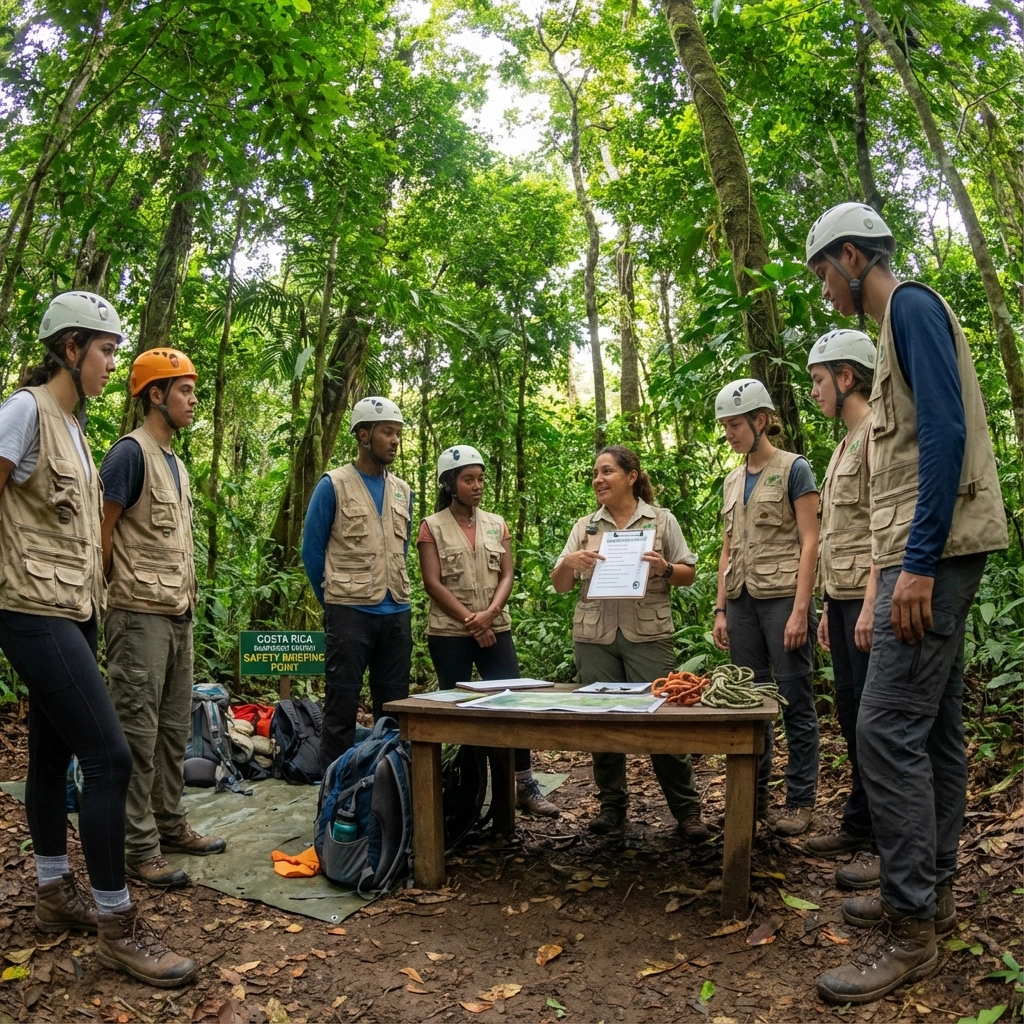
Comprehensive safety protocols form the foundation that enables all other engagement strategies. Programs maintain detailed emergency procedures, provide professional wilderness first aid training, ensure appropriate insurance coverage, and establish clear communication protocols with home institutions.
These safety measures allow students to participate fully in adventure-based learning without compromising security. Parents, school administrators, and students can focus on educational outcomes because comprehensive safety systems address potential risks proactively.
Maximizing Your Costa Rica Educational Experience
Begin planning your student travel Costa Rica program by researching providers who implement these proven engagement strategies. Create detailed pre-trip preparation that establishes learning objectives, safety protocols, and student expectations. Emphasize the importance of active participation and scientific thinking throughout the experience.
Ensure that your chosen program incorporates genuine conservation work, maintains small group sizes, and provides expert mentorship opportunities. Prepare students for physical challenges while emphasizing the scientific learning that adventure activities facilitate.
Establishing these comprehensive educational frameworks ensures that your Costa Rica wildlife program achieves maximum student engagement and creates lasting educational impact. The combination of immersive fieldwork, adventure-based learning, and authentic conservation involvement transforms students into passionate environmental advocates with practical scientific skills and career inspiration.
Appleseed Expeditions specializes in creating these transformative educational experiences, combining rigorous scientific learning with comprehensive safety protocols to ensure every student achieves maximum engagement and educational benefit from their Costa Rica wildlife adventure.

Comments