


Costa Rica Wildlife vs Classroom Learning: Why Your Students Need Real Biodiversity Field Studies
- Caleb Mullenix
- Jan 5
- 5 min read

Updated: Jan 19
Traditional classroom learning provides essential foundational knowledge about biodiversity and conservation, but it cannot replicate the transformative power of direct field experience. When students embark on an educational trip Costa Rica, they transition from passive observers of textbook diagrams to active participants in living ecosystems. The difference between studying a food web on paper and witnessing a jaguar track fresh prey through Manuel Antonio National Park represents the fundamental gap that Costa Rica field studies for schools are designed to bridge.
Ensuring that students receive comprehensive, hands-on scientific education requires moving beyond the constraints of indoor learning environments. Student travel Costa Rica programs offer unparalleled opportunities to observe, document, and analyze biodiversity in one of the world's most ecologically diverse regions, where over 500,000 species inhabit just 0.03% of the Earth's surface.
Why Real Biodiversity Field Studies Transform Student Understanding
Costa Rica biodiversity tours for students provide experiential learning that textbooks cannot match. Students develop deeper comprehension when they can observe ecological principles in action rather than memorizing abstract concepts. Consider the difference between reading about mutualistic relationships and actually witnessing leaf-cutter ants cultivating fungus gardens, or studying pollination theory versus observing hummingbirds interact with heliconia flowers in cloud forests.
Research demonstrates that immersive student wildlife experiences Costa Rica enhance retention rates significantly compared to traditional classroom instruction. Students who participate in field studies show improved understanding of complex ecological concepts, including predator-prey relationships, habitat fragmentation, and conservation strategies. The sensory engagement: hearing howler monkeys at dawn, feeling the humidity of rainforest canopies, observing the intricate behaviors of poison dart frogs: creates lasting neural pathways that support long-term learning.
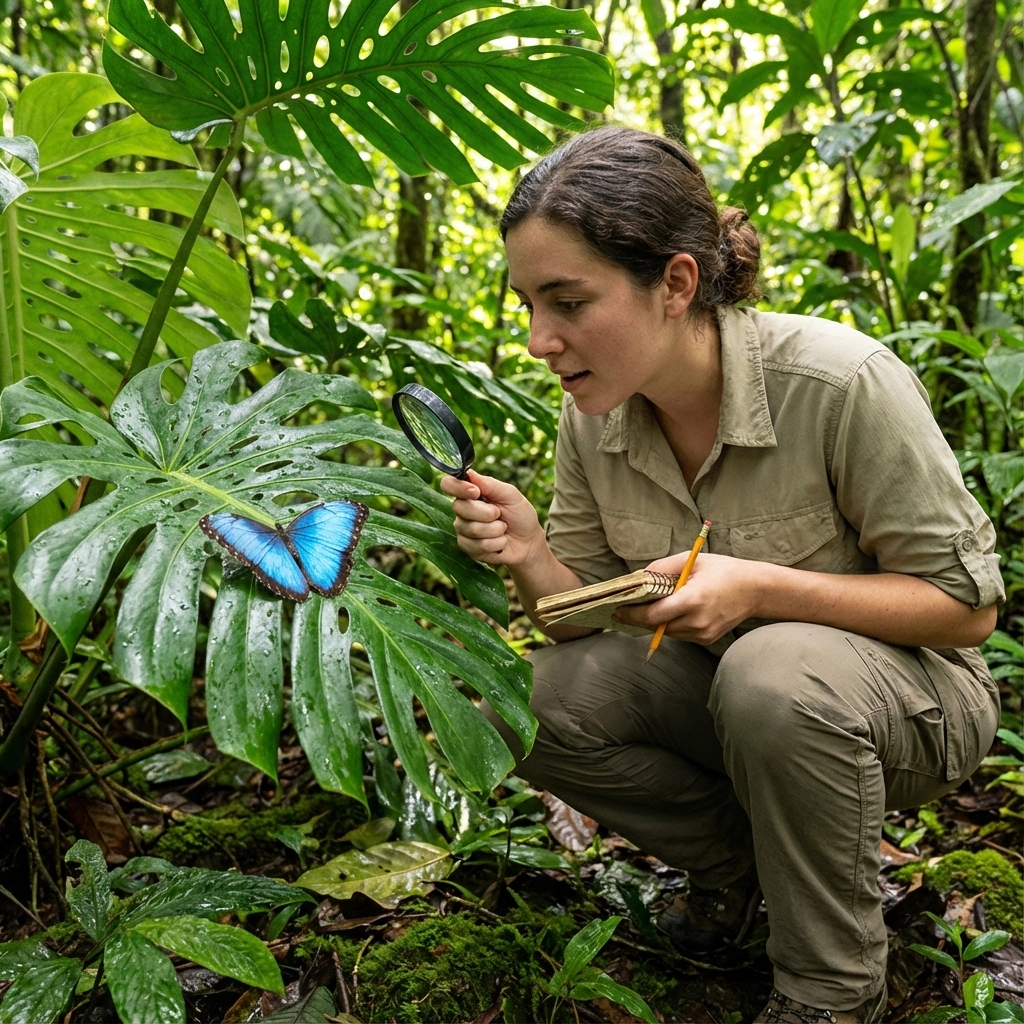
Field studies also develop critical observational skills that classroom learning cannot replicate. Students learn to identify species through direct observation, record behavioral patterns, and collect scientific data using professional methodologies. These competencies prepare them for advanced coursework and potential careers in environmental sciences, biology, and conservation.
Hands-On Science Learning Opportunities
Costa Rica hands-on science learning programs offer diverse research opportunities that engage students as active scientists rather than passive recipients of information. Students participate in ongoing conservation projects, contributing meaningful data to real scientific research while developing practical skills.
Key learning experiences include:
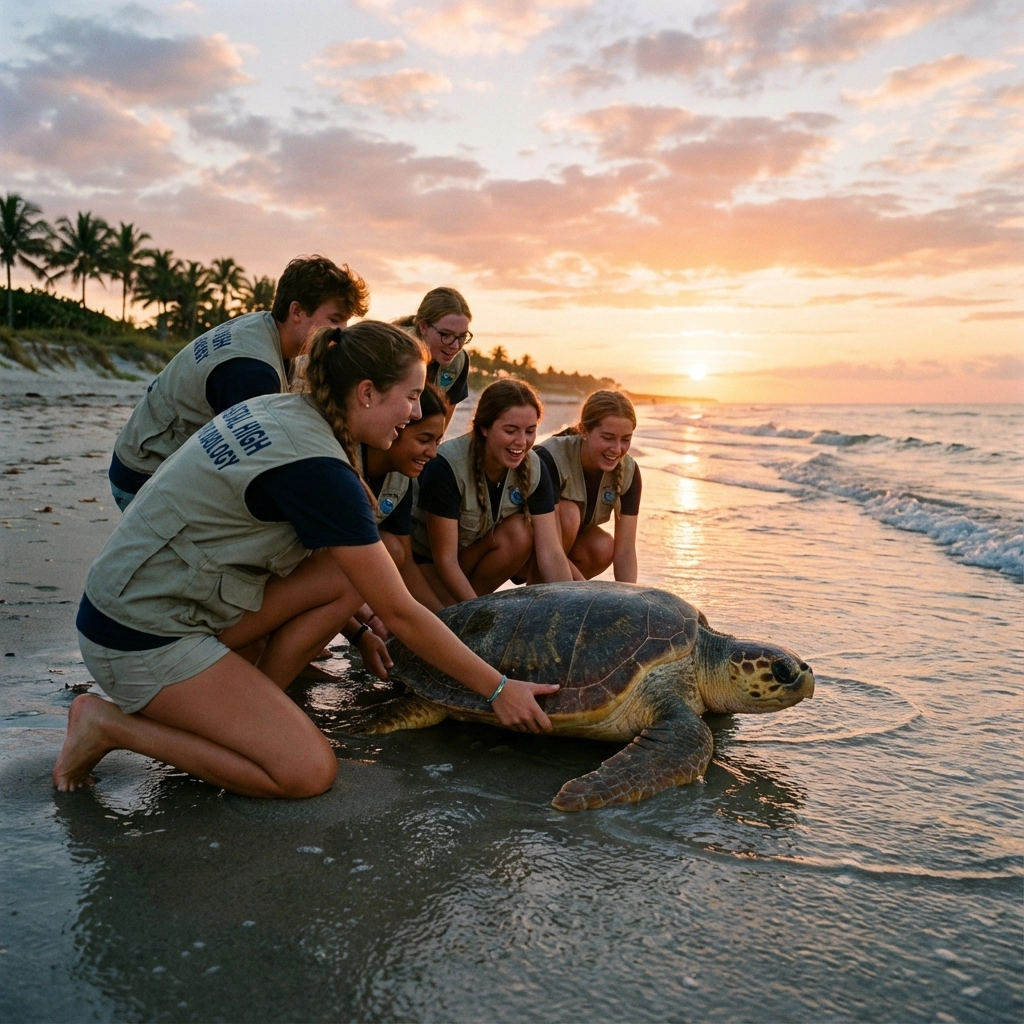
Sea Turtle Monitoring: Students assist researchers in tagging and tracking endangered sea turtles along Pacific and Caribbean coastlines, learning about marine conservation while contributing to long-term population studies
Bird Banding Operations: Participate in mist-netting and banding programs that provide crucial migration and population data for neotropical species
Stream Ecology Assessments: Conduct water quality testing and aquatic species inventories in pristine mountain streams, analyzing the impacts of deforestation and climate change
Primate Behavioral Studies: Observe and document the social behaviors of howler monkeys, white-faced capuchins, and spider monkeys in protected reserves
Botanical Surveys: Learn plant identification techniques while cataloging medicinal plants used by indigenous communities
These activities transform students from consumers of scientific knowledge into contributors to ongoing research efforts, fostering deeper engagement and understanding.
STEM Integration Through Field-Based Learning
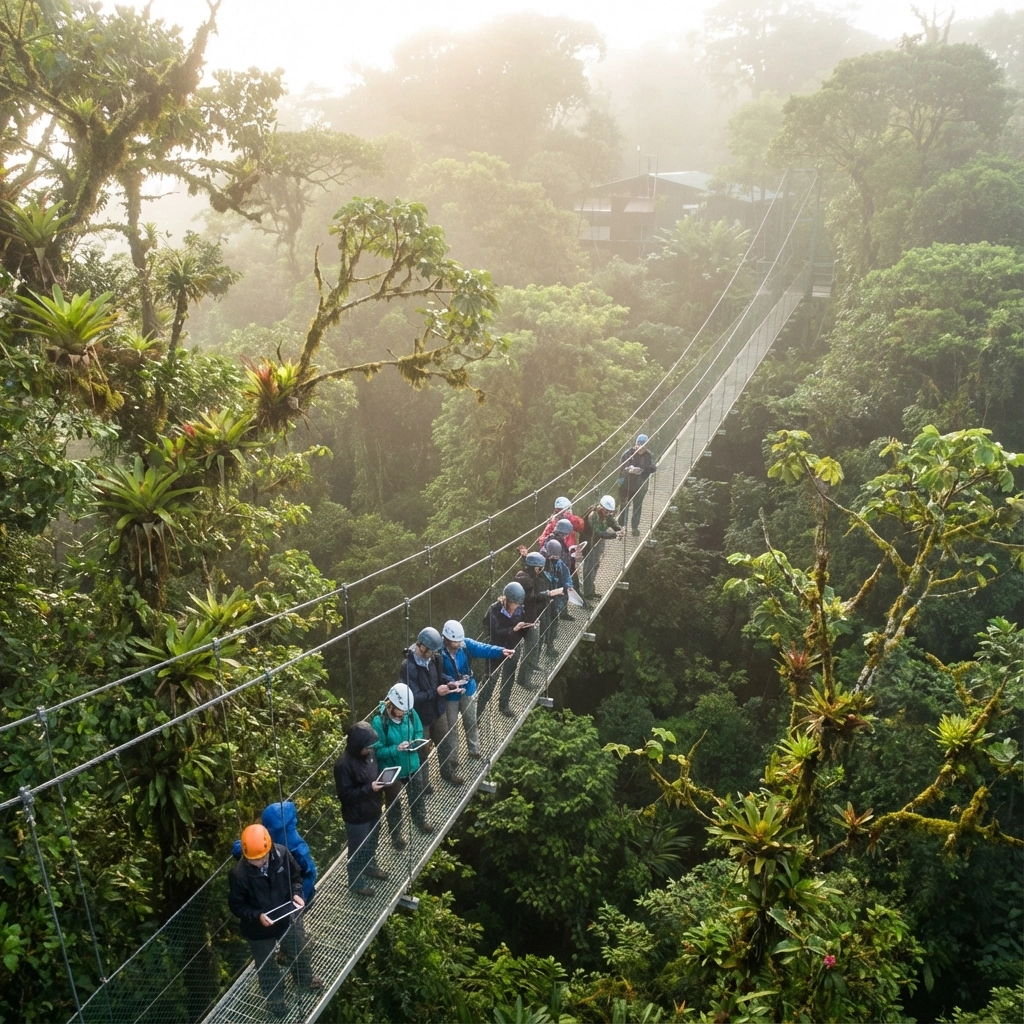
Costa Rica STEM trips for students demonstrate how environmental science integrates mathematics, technology, and engineering principles. Students use GPS technology to map wildlife corridors, apply statistical analysis to population data, and employ engineering concepts to understand sustainable infrastructure in remote research stations.
Technology integration includes:
Geographic Information Systems (GIS): Students learn to create digital maps showing species distributions, deforestation patterns, and conservation boundaries
Data Collection Applications: Use smartphone apps and digital tools to record species observations, weather data, and environmental measurements
Drone Technology: Observe canopy ecosystems and monitor wildlife populations using unmanned aerial vehicles
Camera Trapping: Set up and monitor motion-activated cameras to study elusive species like jaguars, ocelots, and tapirs
Mathematical applications become immediately relevant when students calculate population densities, analyze species diversity indices, and interpret statistical relationships in ecological data. This integrated approach demonstrates how STEM disciplines work together to address real-world conservation challenges.
Conservation Projects That Make a Difference
Costa Rica student conservation projects connect learning objectives with meaningful environmental impact. Students participate in reforestation efforts, invasive species removal, and habitat restoration activities that produce tangible results for local ecosystems.
Significant project opportunities include:
Coral Reef Restoration: Students help transplant coral fragments and monitor reef health along the Caribbean coast, learning about marine ecosystem resilience
Sea Turtle Nest Protection: Build and maintain protective barriers around nesting sites while collecting population data for conservation organizations
Native Plant Propagation: Grow native tree species in research nurseries for eventual transplanting in degraded habitats
Wildlife Corridor Maintenance: Clear invasive species and plant native vegetation to maintain connectivity between protected areas
Community Education Programs: Develop presentations for local schools about conservation practices and biodiversity protection
These projects demonstrate how scientific knowledge translates into conservation action, inspiring students to consider careers in environmental protection and natural resource management.
Cultural Integration and Global Perspective
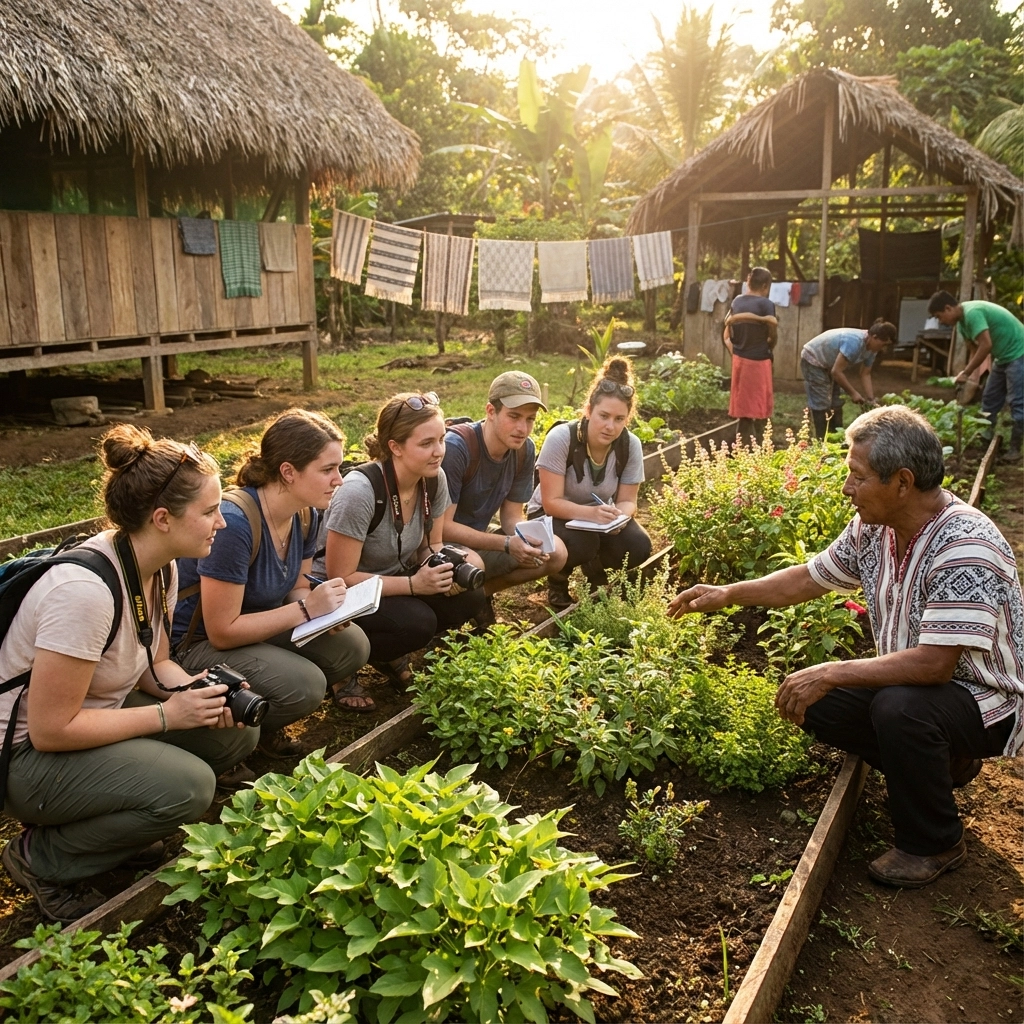
A comprehensive student trip to Costa Rica includes cultural immersion that broadens students' understanding of conservation challenges and solutions. Students interact with indigenous communities, local researchers, and conservation professionals to gain diverse perspectives on environmental protection.
Cultural learning components include:
Indigenous Ecological Knowledge: Learn traditional plant uses and sustainable farming practices from Bribri and Boruca communities
Sustainable Agriculture Tours: Visit organic coffee plantations and permaculture farms to understand alternative agricultural practices
Community Conservation Initiatives: Meet local conservationists working to protect critical habitats while supporting rural livelihoods
Ecotourism Operations: Examine how responsible tourism can fund conservation efforts and provide economic alternatives to resource extraction
This cultural integration helps students understand that effective conservation requires collaboration between scientific research, local communities, and international cooperation.
Assessment and Documentation of Learning
Costa Rica wildlife trips for students provide multiple opportunities for authentic assessment that goes beyond traditional testing methods. Students create field journals, species identification guides, research presentations, and digital portfolios that document their learning progress.
Comprehensive assessment strategies include:
Field Notebooks: Daily observations, sketches, and reflections that demonstrate growing scientific literacy
Species Identification Challenges: Practical exams requiring students to identify flora and fauna using dichotomous keys and field guides
Research Presentations: Students present findings from independent research projects to peers and local scientists
Conservation Action Plans: Develop proposals for addressing specific conservation challenges observed during field studies
Digital Storytelling: Create multimedia presentations that communicate conservation messages to diverse audiences
These assessment methods evaluate not only factual knowledge but also critical thinking, problem-solving abilities, and communication skills essential for future scientific endeavors.
Long-Term Impact on Student Development
Students who participate in Costa Rica field studies for schools demonstrate enhanced environmental awareness, improved academic performance in science courses, and increased likelihood of pursuing environmental careers. The transformative nature of direct wildlife encounters creates lasting connections to conservation principles that influence future decision-making.
Follow-up studies indicate that students maintain higher levels of environmental consciousness years after their field experience, choosing more sustainable lifestyle practices and supporting conservation organizations. Many students report that their Costa Rica experience influenced their college major selection and career aspirations.
Planning Your Educational Adventure
Educational institutions seeking to provide transformative learning experiences should consider partnering with specialized organizations that understand the unique requirements of student groups. Proper planning ensures that Costa Rica STEM trips for students achieve educational objectives while maintaining safety standards and cultural sensitivity.
Successful programs require careful coordination of logistics, educational content, safety protocols, and cultural integration. Working with experienced educational travel providers ensures that students receive maximum benefit from their immersive student wildlife experiences Costa Rica while contributing meaningfully to conservation efforts.
Transform your students' understanding of biodiversity and conservation through direct field experience. The natural laboratories of Costa Rica await your students, ready to provide the hands-on learning that will inspire the next generation of environmental stewards and scientific researchers.
Comments