


Dive into Learning: Marine Biology and Mayan Heritage on a School Trip to Belize
- Caleb Mullenix
- Mar 3
- 5 min read

Providing students with authentic, hands-on learning experiences that extend beyond the classroom walls is essential for developing scientific literacy and cultural awareness. An educational trip to Belize offers an unparalleled opportunity to combine rigorous marine science instruction with meaningful cultural immersion in one of Central America's most ecologically diverse nations. This dual-focus approach transforms abstract concepts from textbooks into tangible, memorable experiences that inspire lifelong curiosity and environmental stewardship.
Why Belize for Marine Science Education
Belize is home to the Mesoamerican Barrier Reef System, the second-largest coral reef in the world. This UNESCO World Heritage Site provides an extraordinary living laboratory for students studying marine biology, oceanography, and conservation science. A student trip to Belize positions learners directly within one of the planet's most biodiverse marine ecosystems, where they can observe and document species in their natural habitats.
Begin by emphasizing to students the scientific significance of Belize's coastal waters. The barrier reef stretches over 190 miles and supports more than 500 species of fish, 65 species of stony corals, and countless invertebrate species. This abundance creates ideal conditions for field research, species identification, and ecosystem analysis.
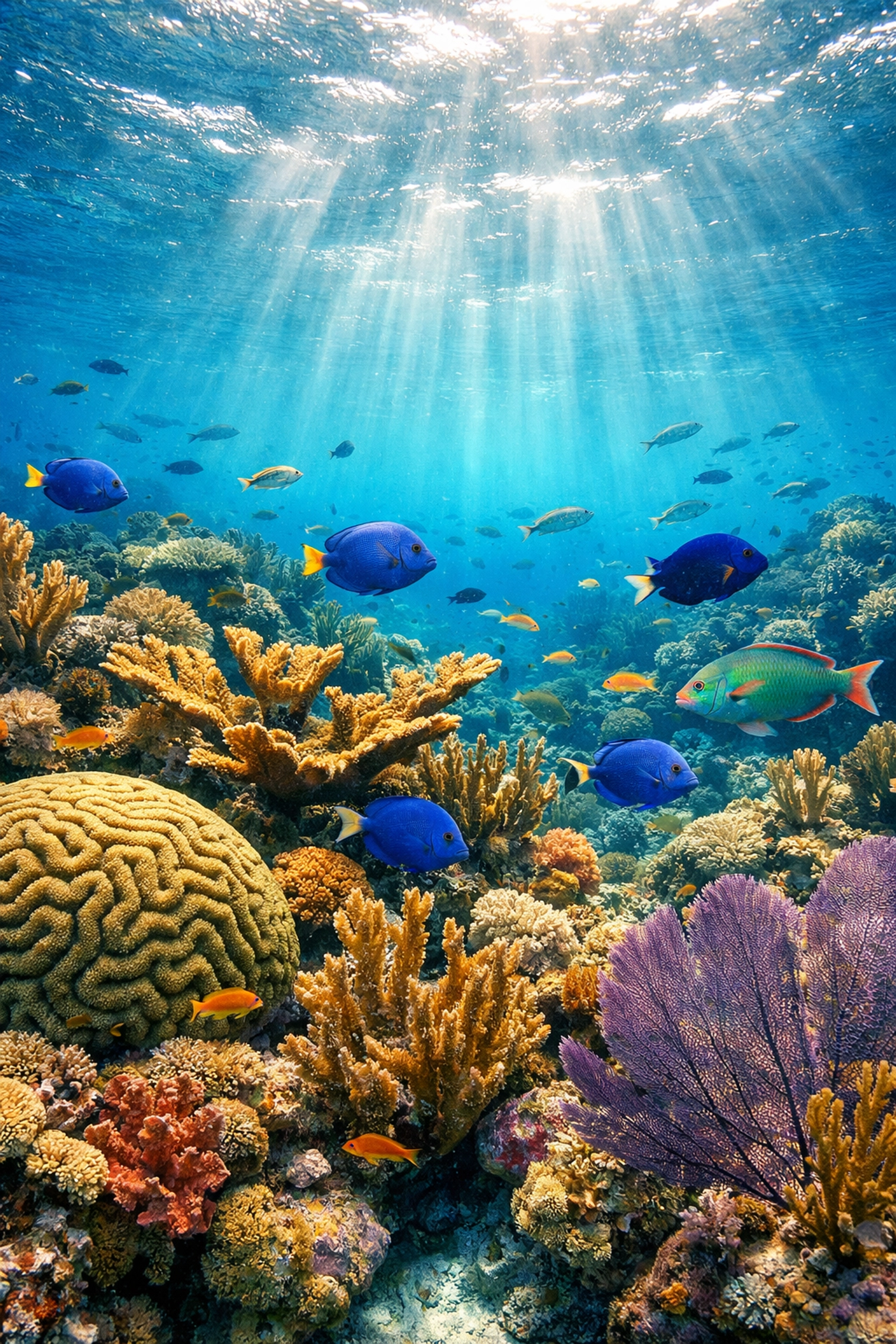
Consider structuring your marine science curriculum around hands-on fieldwork. Students can participate in snorkeling expeditions to observe coral polyps, identify reef fish species using underwater slates, and collect water quality data at multiple sites. These direct observations allow learners to understand complex ecological relationships: from symbiotic partnerships between cleaner fish and larger species to the critical role corals play in protecting coastlines from erosion.
Ensure students understand the conservation challenges facing coral reefs globally. On a school trip to Belize, learners can witness firsthand the effects of coral bleaching, overfishing, and pollution. This direct exposure to environmental threats transforms abstract statistics into urgent, real-world problems requiring innovative solutions. Encourage students to document their observations through field journals, photography, and data collection protocols that mirror professional marine research methods.
Exploring Mayan Cultural Heritage
The scientific component of an educational trip to Belize becomes even more powerful when paired with cultural and historical exploration. Belize boasts numerous well-preserved Mayan archaeological sites, providing students with direct access to one of the world's most sophisticated ancient civilizations.
Plan visits to significant sites such as Xunantunich, Caracol, or Lamanai. These archaeological treasures allow students to climb ancient pyramids, examine intricate stone carvings, and explore ceremonial plazas where Mayan astronomers once studied the night sky. Emphasize the advanced mathematical, agricultural, and astronomical knowledge the Maya possessed: knowledge that enabled them to thrive in challenging tropical environments for over two millennia.
Create opportunities for students to connect scientific observation with cultural learning. For example, discuss how the Maya managed water resources through sophisticated systems of reservoirs and canals: engineering solutions that remain relevant to modern conservation challenges. Examine how Mayan agricultural practices, including the milpa farming system, demonstrate sustainable land management that maintained soil fertility across generations.
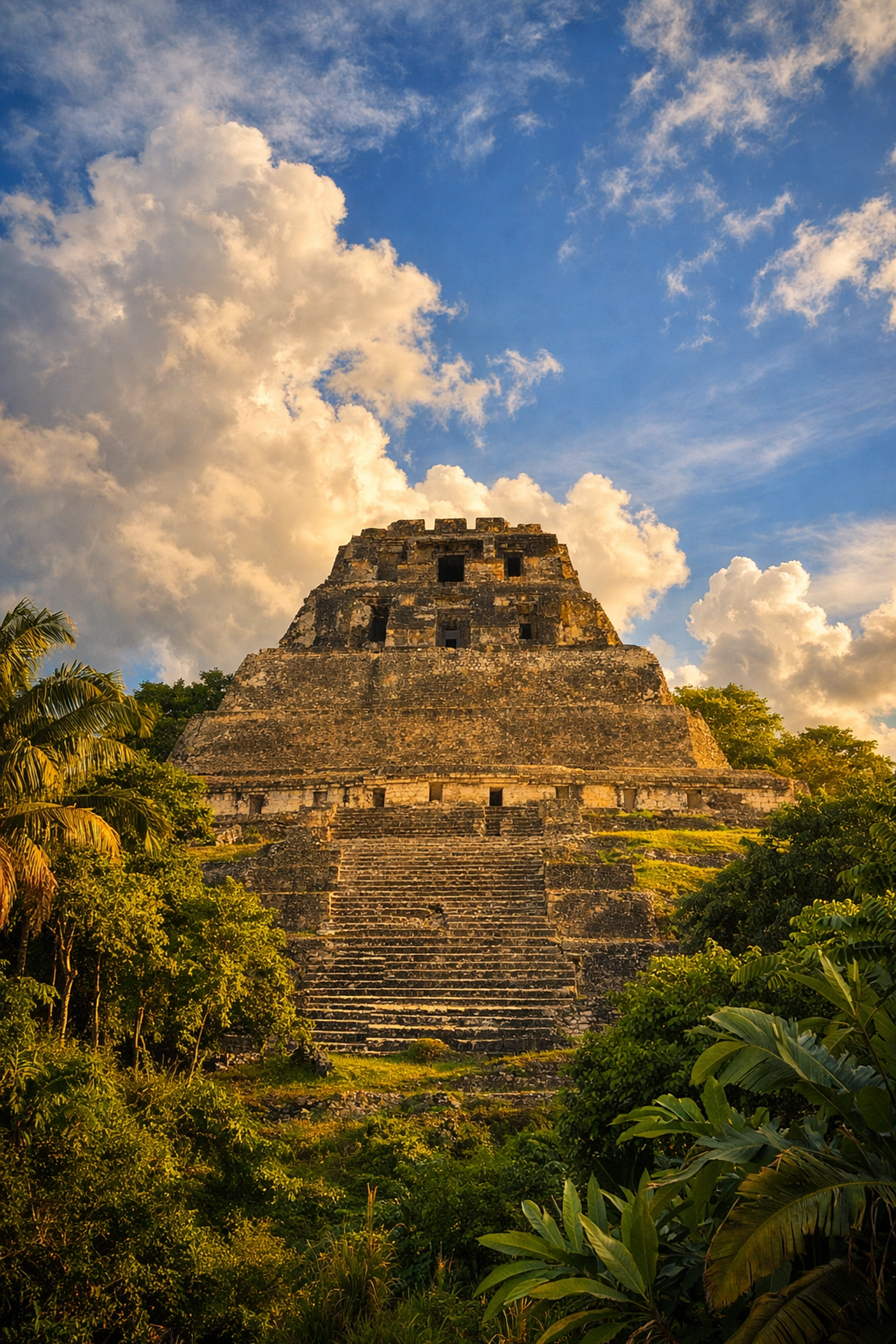
Arrange interactions with contemporary Mayan communities when possible. These experiences help students understand that Mayan culture is not simply historical: it remains vibrant and dynamic in modern Belize. Local guides can share traditional ecological knowledge about medicinal plants, wildlife behavior, and sustainable harvesting practices that complement Western scientific approaches.
Integrating Marine Science and Cultural Learning
The most effective educational programs recognize that scientific and cultural learning are not separate endeavors but deeply interconnected. On a student trip to Belize, demonstrate how Mayan communities developed intimate knowledge of coastal ecosystems long before Western marine biology emerged as a formal discipline.
Discuss traditional Mayan fishing practices and their relationship to modern sustainable fisheries management. Examine how archaeological evidence from coastal sites reveals ancient patterns of marine resource use, providing valuable baseline data for contemporary conservation efforts. This integrated approach demonstrates that protecting cultural heritage and preserving biodiversity are complementary goals requiring collaborative solutions.
Practical Planning for Your School Trip to Belize
Preparing students for an educational trip to Belize involves careful attention to logistics, safety protocols, and learning objectives. Begin your planning process at least six to nine months before departure to ensure adequate time for all necessary arrangements.
Establish Clear Learning Objectives:
Define specific scientific concepts students will investigate
Identify cultural competencies and historical knowledge to be developed
Create assessment rubrics that measure both content knowledge and field skills
Align trip activities with existing curriculum standards and learning outcomes
Prepare Students Thoroughly:
Conduct pre-trip orientations covering marine ecology basics, Mayan history, and Belizean geography
Assign background reading and research projects before departure
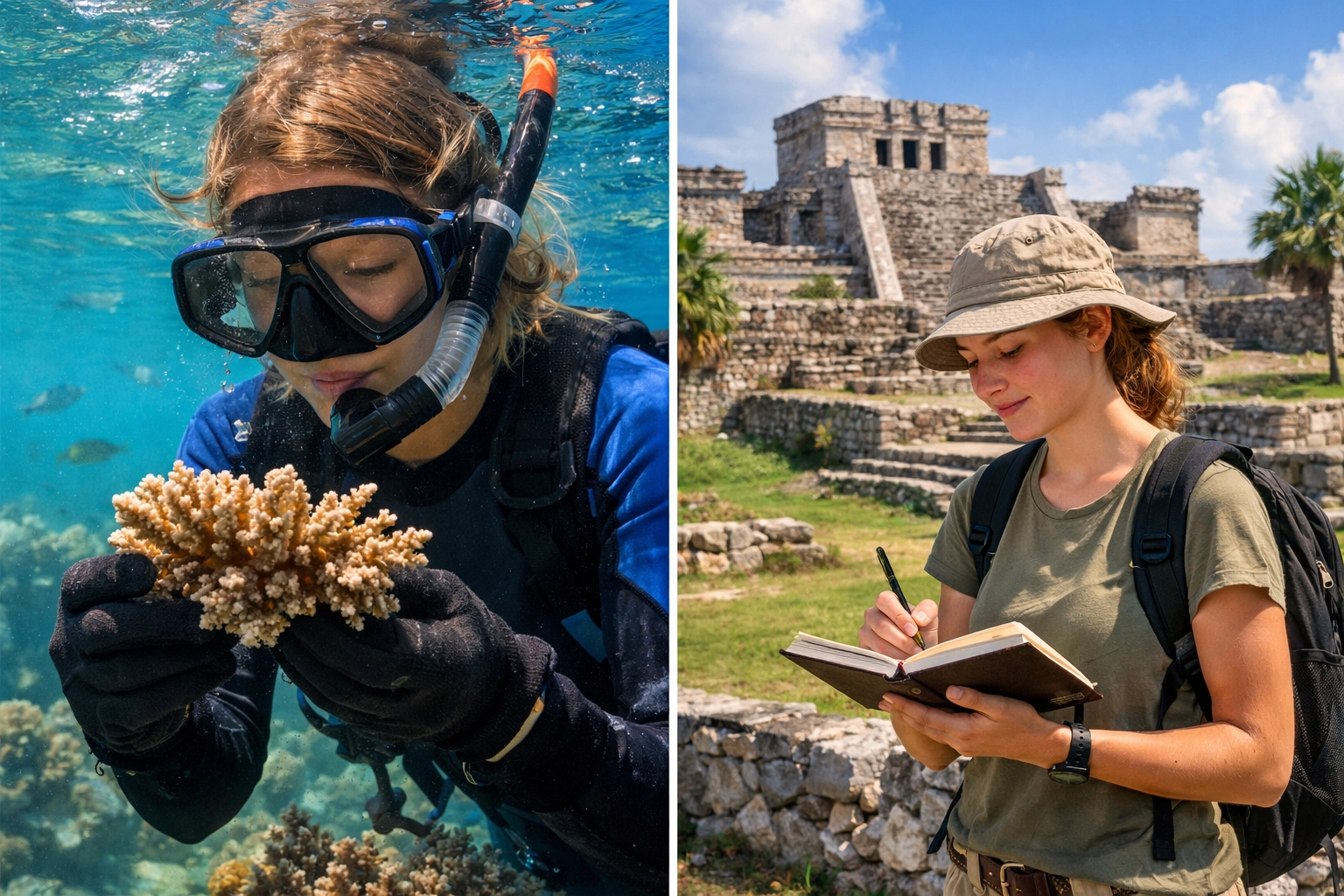
Train students in proper snorkeling techniques and underwater observation protocols
Review field journal requirements and data collection methods
Discuss cultural sensitivity, appropriate behavior at archaeological sites, and respectful community interaction
Address Health and Safety Proactively:
Verify all students have current passports with at least six months validity
Confirm comprehensive travel insurance coverage for all participants
Collect detailed medical information and necessary medications for each student
Ensure students and parents understand sun protection requirements in tropical environments
Review water safety procedures, buddy system protocols, and emergency communication plans
Discuss food and water safety guidelines for tropical destinations
Prepare detailed itineraries with emergency contact information for all locations
Coordinate with Experienced Educational Travel Providers:
Working with specialized educational travel organizations streamlines logistics while ensuring high-quality learning experiences. Appleseed Expeditions offers comprehensive school trip to Belize programs that combine expert instruction in marine science with culturally rich experiences at Mayan archaeological sites, all supported by experienced guides and robust safety protocols.
Maximizing Student Engagement During the Trip
Once in Belize, implement strategies that deepen student learning and maintain engagement throughout the expedition. Structure each day with clear objectives while remaining flexible enough to capitalize on unexpected learning opportunities.
Assign students specific roles and responsibilities during field activities. Designate teams for water quality monitoring, species identification, photography documentation, or cultural interview projects. This approach ensures active participation while developing collaborative skills and personal accountability.
Encourage daily reflection through structured journaling prompts. Ask students to compare observations across different reef sites, analyze human impacts on marine ecosystems, or draw connections between Mayan agricultural practices and modern sustainability challenges. These reflections help consolidate learning and prepare students for post-trip projects and presentations.
Create opportunities for students to interact with local scientists, conservationists, and cultural experts. Guest speakers and site visits to research stations, marine protected area offices, or cultural centers provide authentic career exposure while demonstrating how scientific knowledge translates into practical conservation action.
Post-Trip Application and Assessment
The learning that occurs during a school trip to Belize should extend well beyond the days spent in Central America. Plan post-trip activities that allow students to synthesize their experiences and share knowledge with broader audiences.
Design capstone projects that require students to apply field observations to larger scientific or cultural questions. Examples include comparative analyses of reef health at different sites, proposals for community-based conservation initiatives, or multimedia presentations exploring connections between ancient Mayan knowledge and contemporary environmental challenges.
Encourage students to present their findings to younger classes, parent groups, or community organizations. These presentations reinforce learning while developing communication skills and building enthusiasm for experiential education programs within your school community.
Preparing for an Unforgettable Educational Experience
An educational trip to Belize represents a significant investment of time, resources, and planning effort. By approaching this opportunity with careful preparation, clear learning objectives, and comprehensive safety protocols, you create transformative experiences that inspire scientific curiosity, cultural appreciation, and environmental stewardship.
The combination of world-class marine ecosystems and rich cultural heritage makes Belize an exceptional destination for student learning. Whether students are identifying fish species along pristine coral reefs or climbing ancient pyramids constructed by one of history's most advanced civilizations, they engage with real-world science and authentic cultural heritage in ways that classroom instruction alone cannot replicate.
Begin planning your student trip to Belize today. Engage students in the preparation process, establish partnerships with experienced educational travel providers, and create the structured yet flexible framework necessary for meaningful learning. The experiences and insights gained during this journey will resonate throughout students' academic careers and beyond, fostering the critical thinking, cultural competence, and environmental awareness our interconnected world desperately needs.
Comments