


Do Manatees Get Attached to Humans? Myths vs. Facts for Student Wildlife Trips in Costa Rica
- Caleb Mullenix
- Dec 2, 2025
- 5 min read

Understanding the true nature of manatee-human interactions is essential for educators planning wildlife expeditions in Costa Rica. While popular media often portrays these gentle giants as naturally affectionate toward humans, scientific research reveals a more complex reality that has important implications for responsible wildlife education.
Separating Myth from Scientific Reality
The question "do manatees get attached to humans?" requires careful examination of both anecdotal accounts and peer-reviewed research. While individual stories of seemingly friendly manatees capture public imagination, the scientific consensus paints a different picture of these interactions.
Myth: Manatees Naturally Seek Human Companionship
The Reality: Research demonstrates that very few manatees actually seek out human contact. Most encounters occur because people approach the manatee, not because the animal initiates interaction. When manatees appear to engage with humans, they may simply be tolerating an uncomfortable situation or feeling uncertain about how to safely exit the area.
This distinction is crucial for student groups observing manatees in Costa Rican waters. What appears to be friendly curiosity often reflects the animal's natural exploratory behavior rather than genuine attraction to humans.
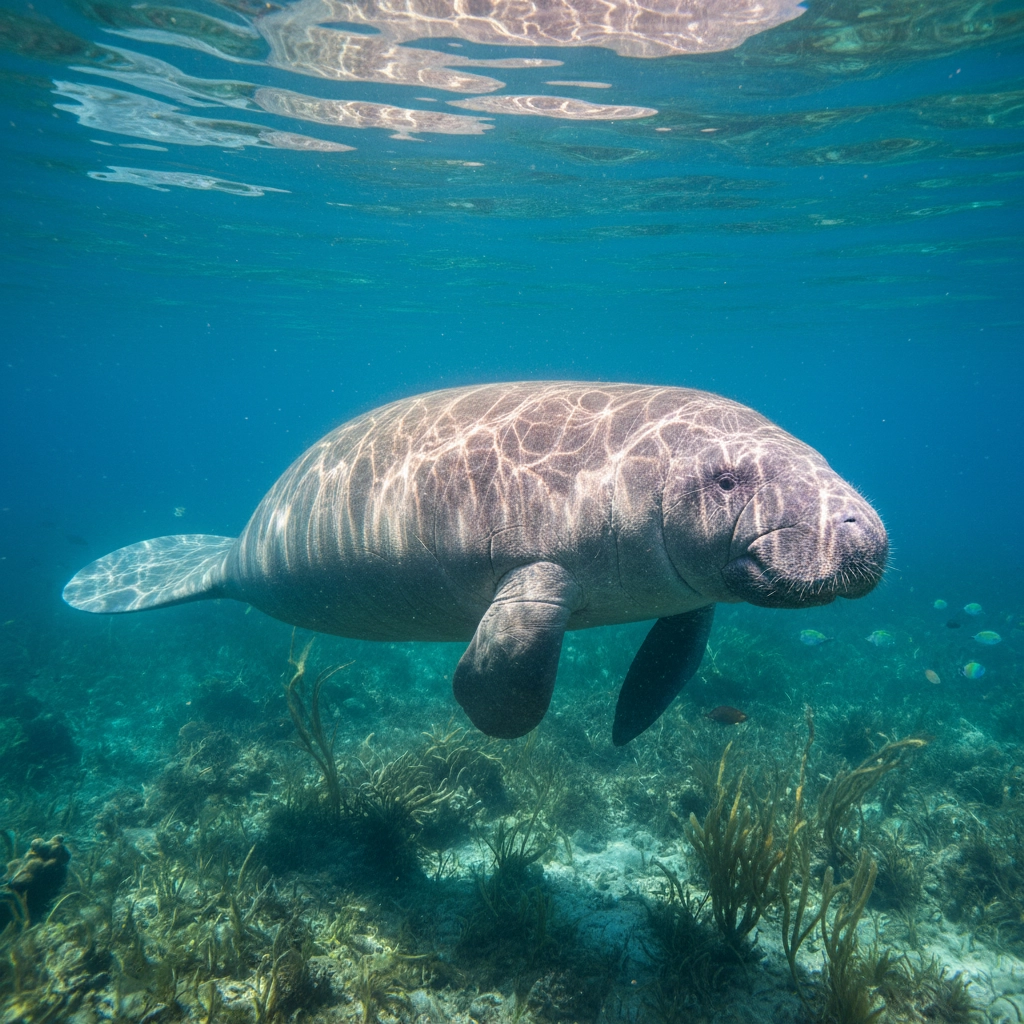
Myth: Individual Manatees Form Lasting Bonds with Specific People
The Reality: While anecdotal accounts describe named manatees like "Georgia," "Floyd," and "Howie" displaying consistent behavior toward certain individuals, these stories should be viewed as unverified hypotheses rather than established scientific facts. Some manatees do exhibit greater curiosity and boldness than others, and certain individuals may become habituated to human presence.
However, this habituation presents significant conservation concerns. Manatees that show reduced fear responses to human activity face increased risks from boat strikes and other anthropogenic threats. Research indicates that habituated animals demonstrate less avoidance behavior toward potentially dangerous situations.
Myth: All Manatee-Human Interactions Are Harmful
The Reality: Not all human presence necessarily harms manatees, but the nature and extent of interaction matter significantly. Brief, respectful observation from appropriate distances can be part of educational experiences without causing substantial stress. The key lies in understanding when human presence crosses the threshold from passive observation to active disturbance.
How Human Presence Actually Affects Manatee Behavior
Scientific studies reveal measurable changes in manatee behavior when humans are present. Research conducted at Three Sisters Springs in Florida provides valuable insights applicable to Costa Rican wildlife viewing contexts.
Behavioral Modifications Under Human Observation
When swimmers and boats are nearby, manatees exhibit several significant behavioral changes:
Increased swimming activity: Manatees spend more time actively swimming and less time in essential resting behaviors
Altered distribution patterns: Animals shift their locations, often moving toward sanctuary areas where human access is restricted
Modified feeding schedules: Normal grazing patterns may be disrupted by human presence
Changed social interactions: Group dynamics and mother-calf relationships can be affected by human observers
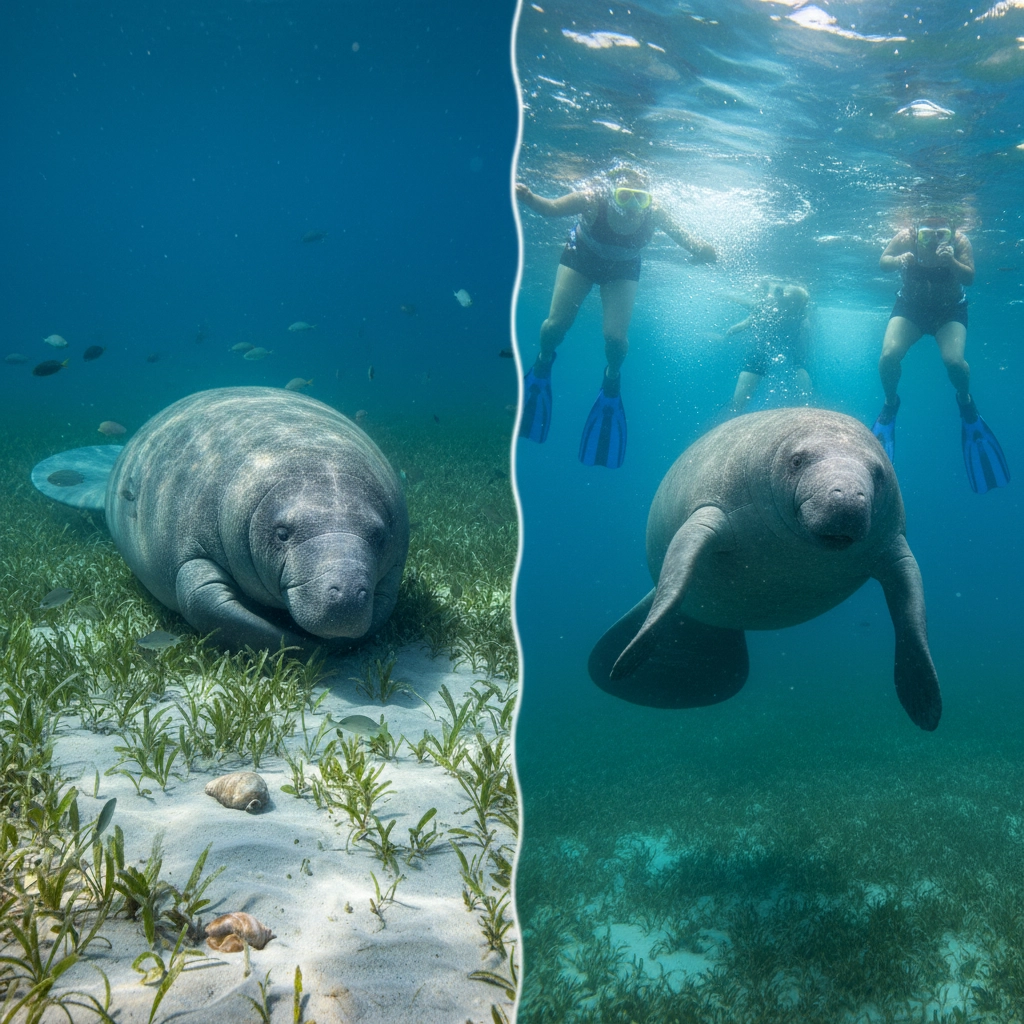
These behavioral modifications are particularly concerning during winter months when manatees require maximum energy conservation. The metabolic demands of increased swimming and stress responses can compromise their ability to maintain essential body temperature and energy reserves.
Individual Variation in Response Patterns
Research confirms that individual manatees display varying degrees of tolerance and curiosity toward human presence. Some animals consistently show bolder exploration behaviors, while others maintain greater wariness. This variation reflects natural personality differences rather than evidence of emotional attachment to humans.
Understanding these individual differences helps educators prepare students for varied wildlife encounters during Costa Rican expeditions. Not every manatee will respond identically to respectful human observation, and these differences provide valuable learning opportunities about animal behavior and conservation biology.
Conservation Implications for Educational Programs
The relationship between manatees and humans carries important conservation messages for student wildlife programs. Understanding these dynamics helps educators structure meaningful learning experiences while promoting responsible environmental stewardship.
The Habituation Problem
Habituation to human presence creates a conservation paradox. While some level of tolerance enables educational wildlife viewing, excessive habituation poses serious risks:
Increased vulnerability to boat strikes: Habituated animals show reduced avoidance responses to approaching vessels
Disrupted natural behaviors: Essential activities like feeding, resting, and reproduction may be compromised
Altered stress responses: Chronic exposure to human presence can affect immune function and overall health
Modified habitat use: Animals may abandon optimal feeding or resting areas to avoid human activity
Injury Statistics and Human Impact
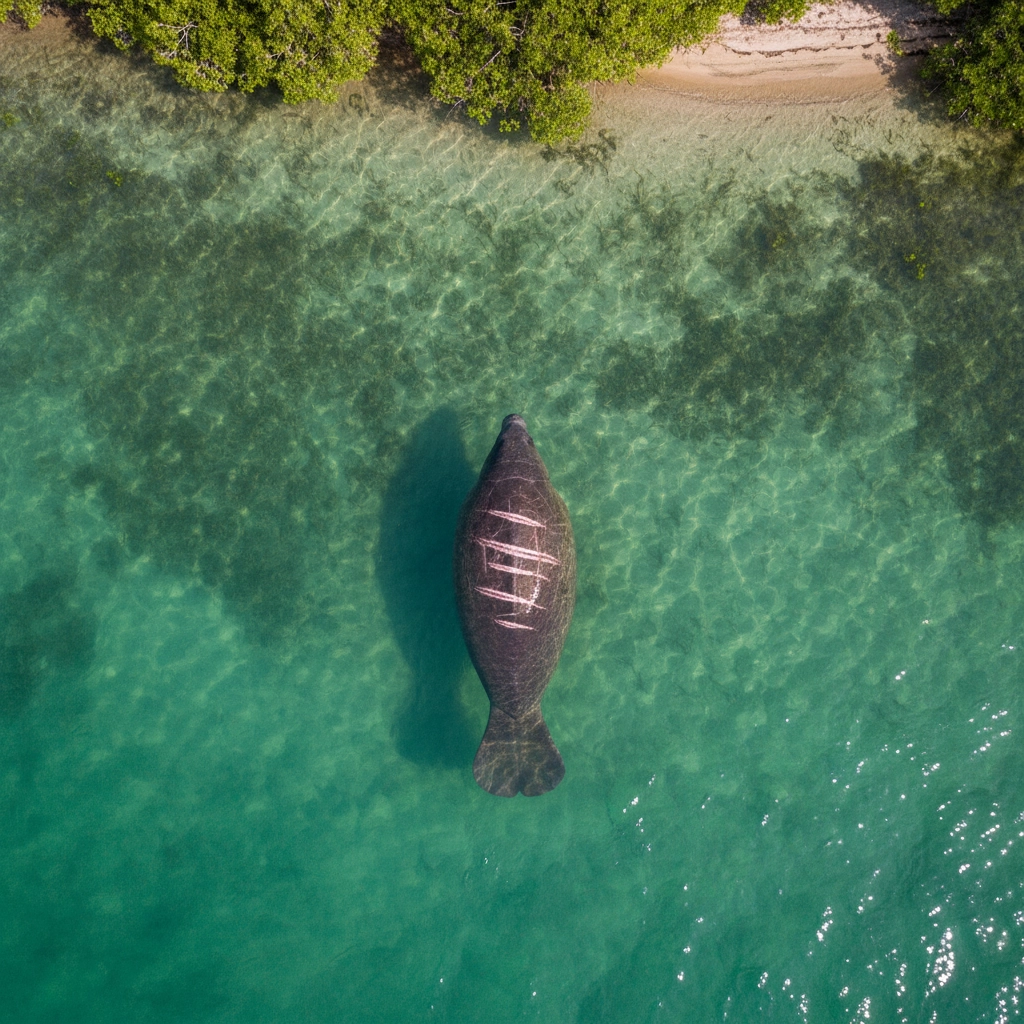
Conservation data reveals sobering statistics about manatee welfare. Approximately one in four manatees experiences boat strikes at least ten times during their lifetime. This statistic underscores the importance of minimizing unnecessary human-manatee interactions and promoting responsible boating practices.
For student groups visiting Costa Rican waters, these statistics provide powerful context for discussions about human impact on marine ecosystems and the importance of conservation-minded behavior.
Best Practices for Educational Wildlife Viewing
Responsible manatee observation requires careful planning and clear guidelines for student groups. Effective educational programs balance learning opportunities with conservation ethics.
Establishing Appropriate Observation Protocols
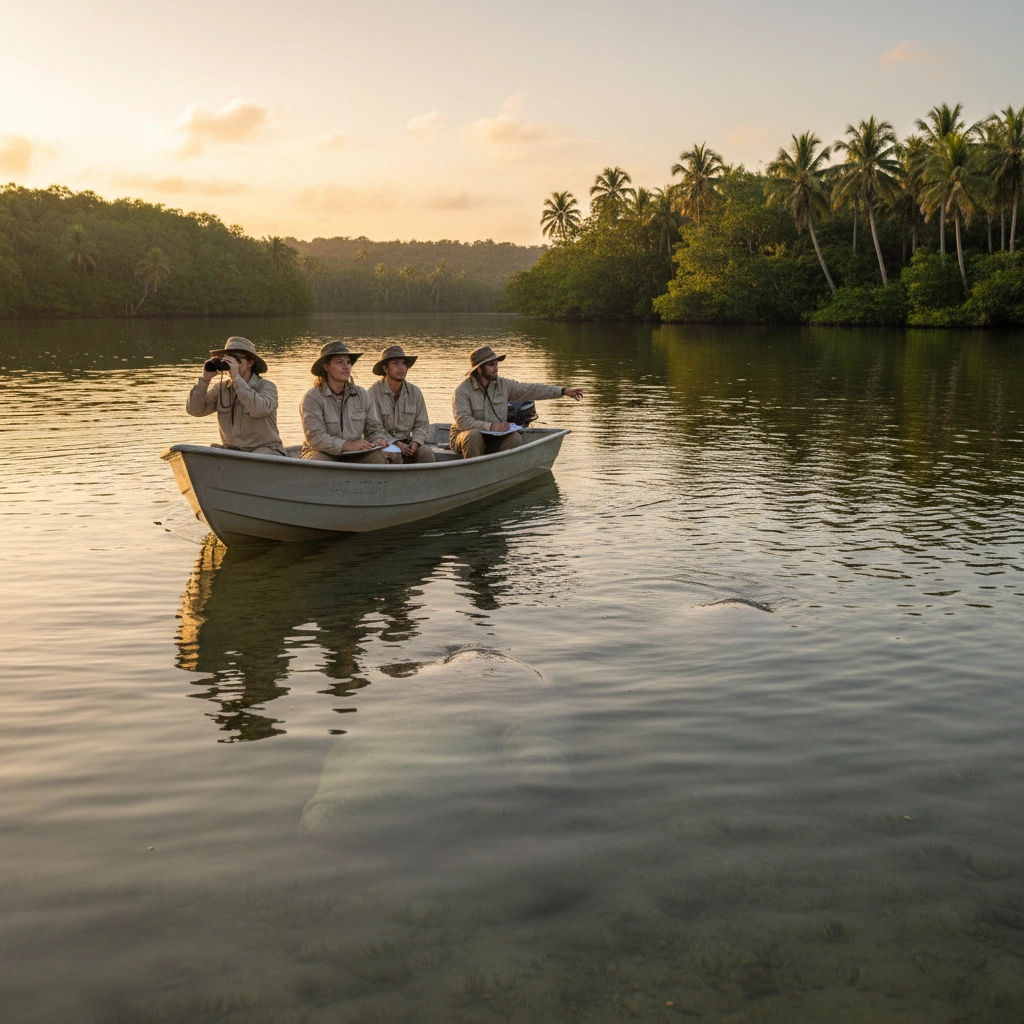
Maintain Safe Distances: Keep boats and swimmers at least 50 feet from manatees unless animals voluntarily approach closer. This distance allows for meaningful observation while minimizing behavioral disruption.
Avoid Active Pursuit: Never chase, surround, or attempt to attract manatees through noise, movement, or objects in the water. Allow animals to control the nature and duration of any encounter.
Respect Sanctuary Areas: Understand and honor designated no-entry zones, particularly in areas where manatees seek refuge from human activity.
Time Observations Appropriately: Plan viewing activities during periods when manatees are naturally active rather than during essential resting times.
Educational Focus Areas
Structure student learning around key conservation concepts:
Behavioral ecology: Observe and document natural manatee behaviors without interference
Habitat requirements: Identify environmental features that support healthy manatee populations
Human impact assessment: Analyze visible signs of anthropogenic effects on individual animals and populations
Conservation strategies: Discuss effective approaches to manatee protection and habitat preservation
Preparing Students for Realistic Wildlife Encounters
Effective preparation helps students develop appropriate expectations for manatee encounters while maximizing educational value.
Pre-Trip Educational Components
Behavioral Biology Overview: Teach students about manatee natural history, including feeding habits, reproductive cycles, and habitat requirements. This foundation helps students recognize natural behaviors versus stress responses during field observations.
Conservation Context: Present current population status, primary threats, and ongoing conservation efforts. Understanding the challenges facing manatee populations adds significance to field observations.
Ethical Guidelines: Establish clear behavioral expectations for wildlife encounters, emphasizing the principle that wildlife observation should not alter animal behavior.
Field Observation Techniques
Systematic Data Collection: Train students to record behavioral observations using standardized methods. This approach transforms casual wildlife viewing into legitimate scientific inquiry.
Environmental Documentation: Encourage students to note habitat characteristics, water conditions, and human activity levels during manatee encounters.
Comparative Analysis: When possible, observe manatee behavior in areas with different levels of human activity to demonstrate conservation concepts directly.
Costa Rica as a Manatee Conservation Laboratory
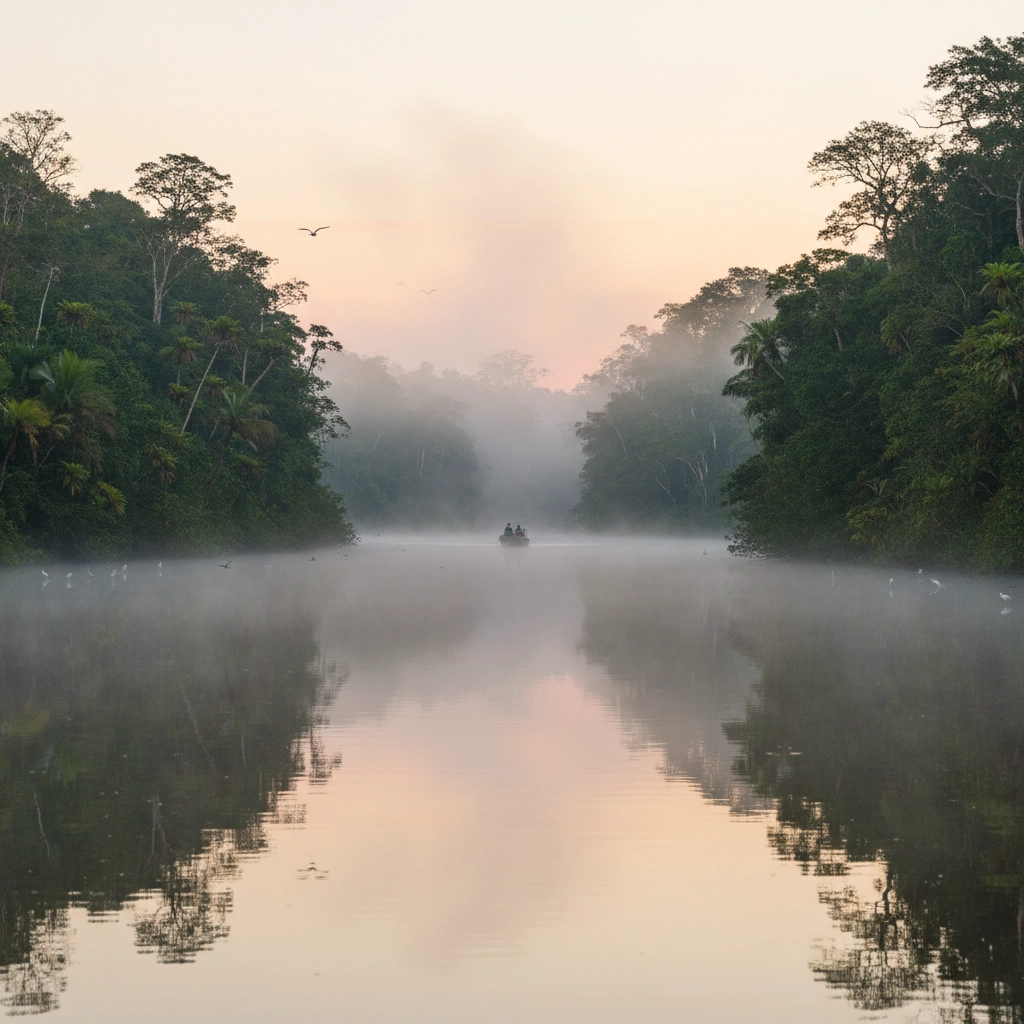
Costa Rica's marine environments provide excellent opportunities for manatee conservation education. The country's commitment to environmental protection and diverse aquatic habitats create ideal conditions for responsible wildlife learning experiences.
Tortuguero National Park
This UNESCO World Heritage site offers protected waterways where manatees can be observed with minimal human interference. The park's conservation focus provides excellent context for discussing successful habitat protection strategies.
Caño Negro Wildlife Refuge
The refuge's freshwater systems support both manatees and diverse associated wildlife, allowing students to explore ecosystem relationships and conservation challenges in an integrated learning environment.
Transforming Understanding into Conservation Action
The question "do manatees get attached to humans?" opens doorways to deeper discussions about wildlife conservation, human responsibility, and environmental stewardship. While manatees do not form emotional attachments to humans in the way popular culture suggests, their tolerance of human presence creates both opportunities and obligations for conservation education.
Student expeditions to Costa Rica provide unique platforms for developing conservation-minded citizens who understand the complexities of human-wildlife relationships. Through carefully structured programs that prioritize both educational value and animal welfare, educators can inspire the next generation of environmental stewards while contributing to manatee conservation efforts.
Appleseed Expeditions specializes in creating transformative educational experiences that balance meaningful wildlife encounters with rigorous conservation ethics. Our Costa Rican programs provide students with unparalleled opportunities to observe manatees and other marine wildlife while developing deep understanding of conservation biology and environmental responsibility. Contact us to learn how your students can experience Costa Rica's incredible biodiversity through scientifically-grounded, conservation-focused expeditions that create lasting impact on both students and the ecosystems they study.
Comments