


Essential Guide to the Grand Canyon Geology Student Program

For an educator, there is no classroom quite like the rim of the Grand Canyon. While textbooks can describe the layers of the Earth and diagrams can illustrate the power of erosion, nothing compares to the physical presence of nearly two billion years of history laid bare. At Appleseed Expeditions, we believe that real science equals real impact. When students step out of the classroom and into the field, they aren't just learning about geology; they are participating in it.
A Grand Canyon geology student program is more than just a sightseeing tour. It is a rigorous, hands-on scientific expedition designed to foster leadership, purpose, and a deep-seated commitment to conservation. This guide provides a comprehensive overview for teachers and group leaders looking to organize a transformative educational journey into the heart of the American West.
The Philosophy: Real Science Equals Real Impact
The primary goal of any high-quality geology program is to shift students from passive observers to active investigators. In the Grand Canyon, the scale of the landscape demands engagement. When students are tasked with identifying the "Great Unconformity": a gap in the geological record where hundreds of millions of years of rock are missing: they aren't just memorizing a term. They are grappling with the vastness of deep time.
Real science in the field involves:
Data Collection: Measuring sediment layers and documenting weathering patterns.
Hypothesis Testing: Observing current erosional forces and predicting future landscape shifts.
Critical Thinking: Analyzing how the Colorado River carved a mile-deep chasm through solid rock.
By engaging in these activities, students realize that their observations have weight. This connection to the physical world builds a sense of responsibility. When a student understands the millions of years required to form a single limestone layer, they are far more likely to value and protect that resource.

Core Learning Objectives of a Geology Expedition
To maximize the educational value of a Grand Canyon geology student program, it is essential to structure the itinerary around specific scientific milestones. Whether you are following the South Rim trails or descending into the canyon itself, these core topics should form the backbone of your curriculum.
1. Stratigraphy and the Rock Record
The Grand Canyon is the world's most famous example of stratigraphy. Students should be able to identify the three main rock groups (sedimentary, metamorphic, and igneous) and understand the Law of Superposition.
The Vishnu Basement Rocks: Understanding the intense heat and pressure that formed these ancient metamorphic rocks.
The Layered Paleozoic Rocks: Identifying fossils in the Kaibab Limestone and understanding the marine environments that once covered Arizona.
2. Hydrology and Erosion
The Colorado River is the primary architect of the canyon. A focused study on hydrology allows students to see the relationship between water velocity, sediment load, and erosive power. This is an excellent opportunity to compare the Grand Canyon’s formation with other geological wonders, such as those found in our Yellowstone vs. Grand Canyon school trip guide.
3. The Great Unconformity
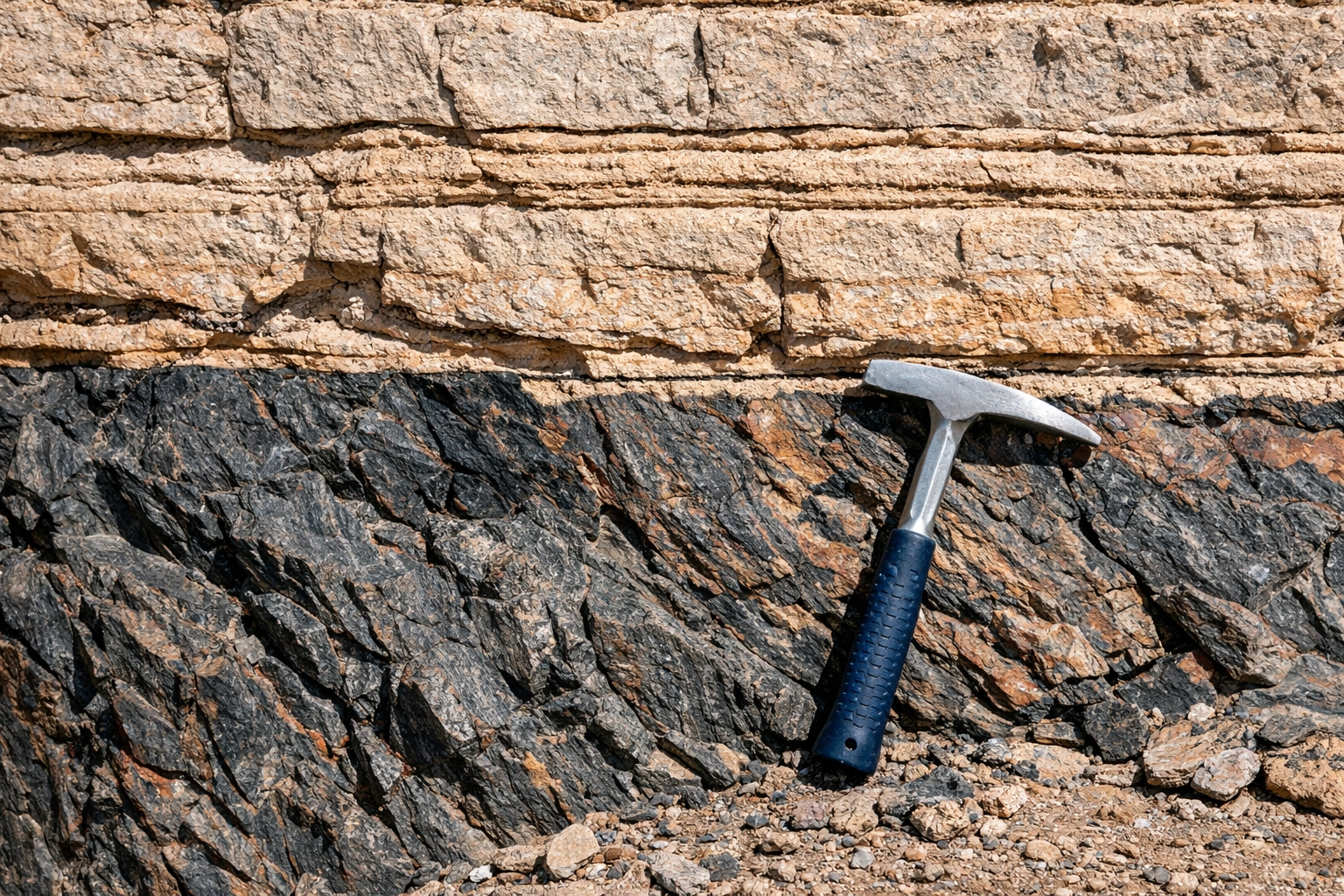
Perhaps the most intriguing mystery in geology, the Great Unconformity represents a massive gap in the geological record. Challenging students to find the contact point between the 550-million-year-old Tapeats Sandstone and the 1.7-billion-year-old Vishnu Schist is a highlight of any scientific expedition.
Leadership and Purpose in the Field
At Appleseed Expeditions, we emphasize that every student trip is a leadership lab. Exploring the Grand Canyon requires physical stamina, mental resilience, and teamwork.
Student Leads: Assign "Geologists of the Day" who are responsible for leading the morning briefing, explaining the day's geological focus, and managing the group's navigation.
Resilience Training: Hiking the canyon is challenging. Navigating difficult terrain helps students develop grit and self-confidence that translates directly back to their academic and personal lives.
Purpose-Driven Learning: We encourage students to think about how geological knowledge can solve modern problems, such as water management in the arid West or predicting the impacts of climate change on sensitive ecosystems.

Step-by-Step Guide for Teachers: Planning Your Expedition
Organizing a Grand Canyon geology student program requires meticulous planning and a risk-averse mindset. As an educator, your priority is the safety and enrichment of your students. Follow these steps to ensure a successful trip:
Step 1: Define Your Scientific Goals
Before booking, determine what you want your students to achieve. Are you focusing on introductory earth science, or is this a more advanced course on structural geology? Clear objectives will help you choose the right trails and instructors. If you are looking for a broader science scope, you might also consider our comprehensive science and language trips.
Step 2: Choose Your Route and Program Type
There are several ways to experience the geology of the canyon:
South Rim Basecamp: Ideal for younger groups, focusing on the Trail of Time and the Yavapai Geology Museum.
Backpacking Expeditions: Best for high school or university students who want to see the transition from the rim to the river.
River Rafting Geology: A unique perspective that allows students to see the canyon from the bottom up, focusing on the oldest rock layers.
Step 3: Prioritize Safety and Preparation
The Grand Canyon is a high-altitude, desert environment. Safety is of paramount importance.
Hydration Protocols: Ensure every student carries at least 3 liters of water and understands the importance of electrolytes.
Weather Monitoring: Be prepared for extreme temperature swings between the rim and the inner canyon.
Emergency Plans: Always have a formal communication plan and know the locations of the nearest backcountry ranger stations.
Step 4: Incorporate Conservation Gifts
A key component of our mission is leaving a positive impact. We encourage groups to participate in "conservation gifts." This might include:
Service Projects: Partnering with park services for trail maintenance or invasive species removal.
Citizen Science: Contributing data to ongoing geological or biological surveys.
Leave No Trace: Ensuring students model the highest standards of environmental stewardship.
Comparing Geology Programs: The Grand Canyon and Beyond
While the Grand Canyon is a premier destination for geology, it is often beneficial to contrast its features with other geological hotspots. For instance, while the Grand Canyon showcases sedimentary history, our earth science expeditions in Costa Rica focus on active volcanism and tectonic plate movement.
Teachers often find that students who have participated in a Grand Canyon geology student program are better prepared for advanced studies in environmental science or resource management. The skills learned: observation, deduction, and data recording: are universal.
Essential Gear Checklist for Students
To ensure students can focus on the science rather than their physical discomfort, provide a detailed packing list well in advance.
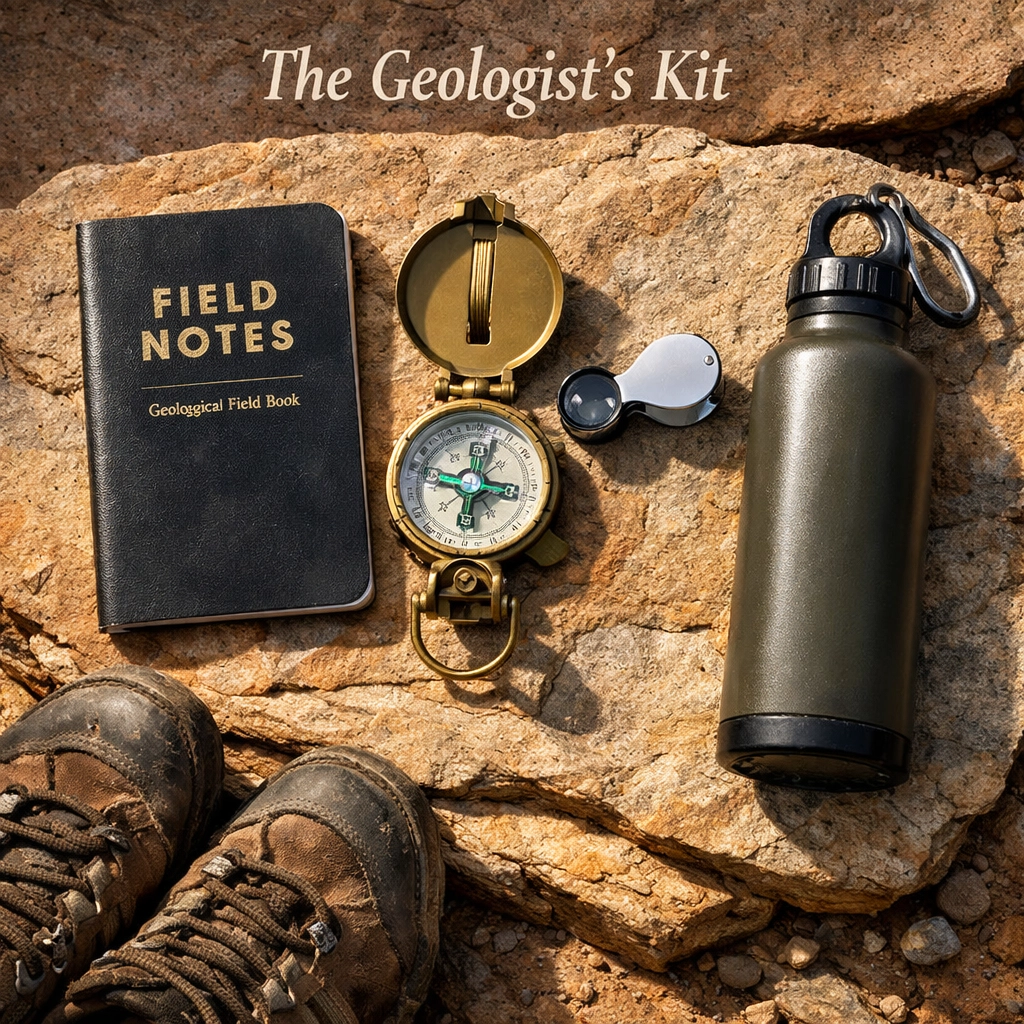
Field Notebook and Pens: Waterproof "Rite in the Rain" notebooks are highly recommended.
Hand Lens: A 10x magnification loupe for inspecting mineral grains and fossils.
Sturdy Hiking Boots: Broken-in footwear is non-negotiable to prevent blisters.
Sun Protection: Wide-brimmed hats, high-SPF sunscreen, and polarized sunglasses.
Reusable Water Bladder: For easy access to hydration while hiking.
The Lasting Impact of Field-Based Learning
The true measure of a successful Grand Canyon geology student program isn't the number of rock types identified; it’s the shift in perspective. Students return home with a greater sense of their place in the world and a newfound respect for the natural forces that shape our planet.
As an educator, you are the bridge between the textbook and the trail. By choosing a program that emphasizes real science, leadership, and conservation, you are providing your students with a foundation for lifelong learning and environmental responsibility.
The Grand Canyon is waiting to tell its story. Are your students ready to listen?
Are you ready to plan your next scientific adventure? At Appleseed Expeditions, we specialize in creating custom, curriculum-aligned trips that inspire the next generation of scientists and leaders. Whether you are interested in the geology of the American West or the marine biology of the coast, we are here to help you every step of the way.
If you’re interested in exploring other iconic American landscapes, be sure to check out our opportunities for Yellowstone science trips to see how different geological forces have shaped our world.
Ensuring the safety and enrichment of your students is our core mission. Let's work together to create an expedition they will never forget.

Comments