


Field Research in Costa Rica: What Students Learn by Studying the Rainforest Up Close
- Caleb Mullenix
- Nov 28, 2025
- 5 min read

Preparing students for real-world scientific careers requires moving beyond classroom theory into hands-on field research experiences. Costa Rica's rainforests offer unparalleled opportunities for students to develop essential research skills while studying one of Earth's most biodiverse ecosystems. Understanding what students gain from these immersive programs is crucial for educators seeking to provide transformative learning experiences that bridge academic concepts with practical application.
Scientific Method Mastery Through Real Research
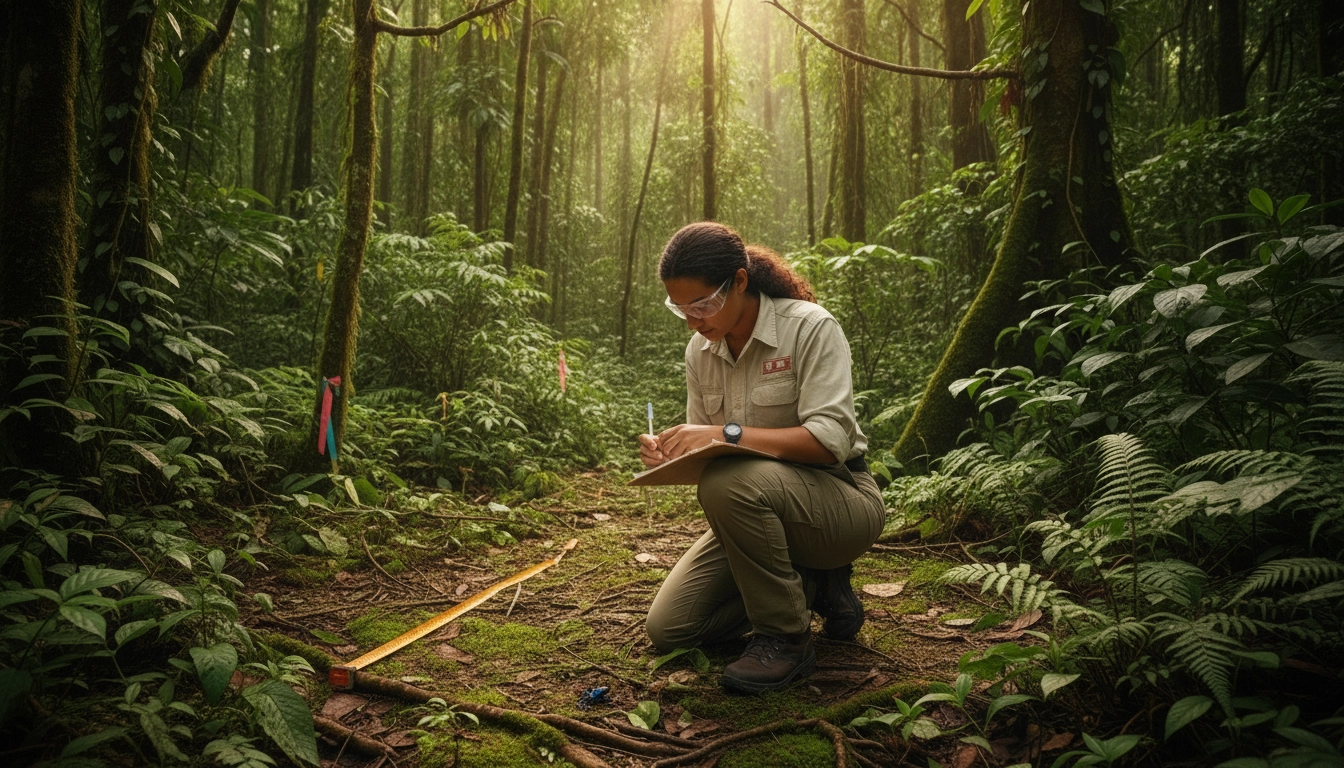
Field research in Costa Rica's rainforests teaches students to apply rigorous scientific methodology under authentic conditions. Students learn to formulate original research questions based on direct observations of tropical ecosystems, then design experiments that account for real-world variables and constraints.
The process begins with students establishing clear research objectives, whether investigating pollinator relationships, measuring forest carbon storage, or documenting species distribution patterns. They must navigate the complexities of working within time limitations, equipment constraints, and unpredictable environmental conditions: challenges that mirror professional research environments.
Students gain proficiency in:
Data Collection Protocols: Implementing standardized research methods that ensure reproducible results across different study sites
Statistical Analysis: Using quantitative tools to validate experimental findings and draw meaningful conclusions from field observations
Collaborative Problem-Solving: Working in research teams to overcome experimental failures and adapt methodologies when initial approaches prove inadequate
Scientific Communication: Presenting findings through formal presentations and research reports that follow professional standards
Biodiversity Documentation and Species Identification
Costa Rica's exceptional biodiversity provides students with direct exposure to complex ecological relationships that cannot be replicated in classroom settings. Students develop sophisticated observational skills while learning to identify, track, and monitor plant and animal species across multiple rainforest ecosystems.
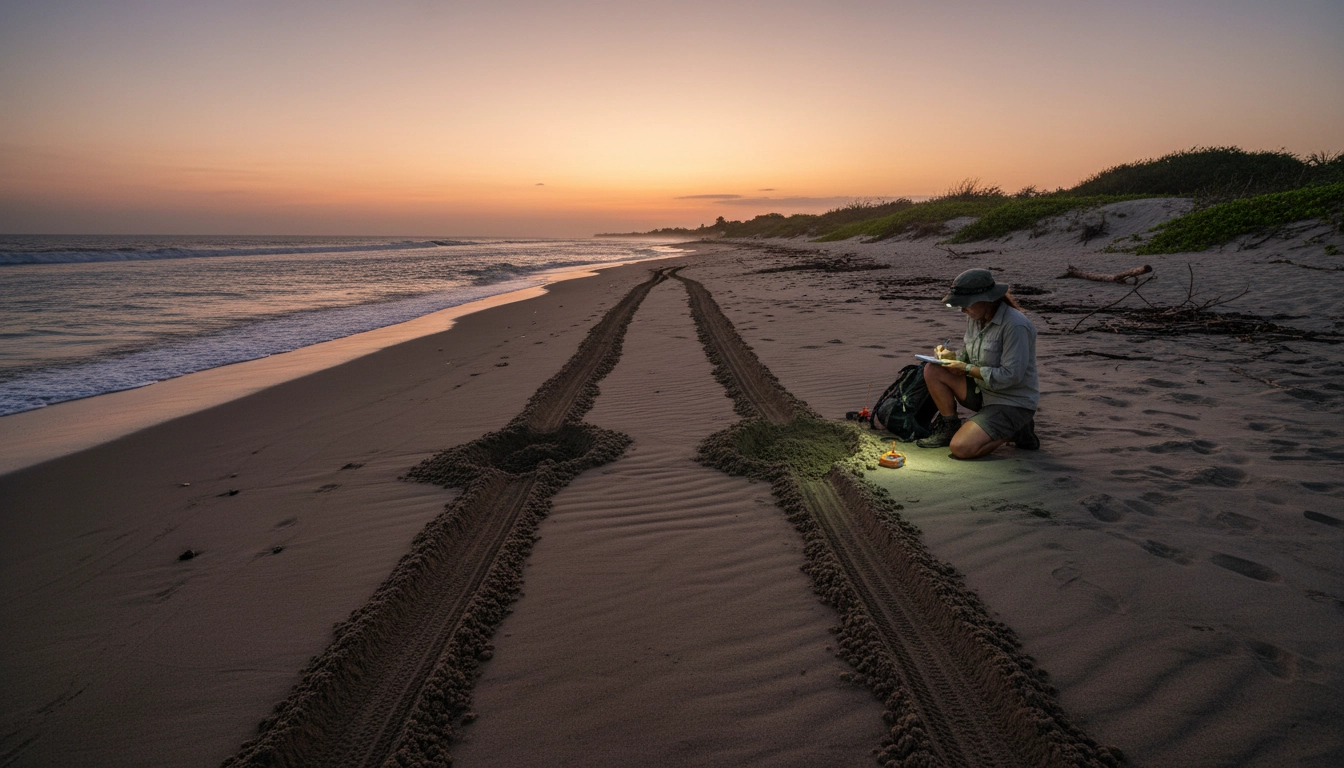
Field research programs typically focus on flagship species that demonstrate important ecological principles. Students may track jaguar movements through camera trap data, monitor sea turtle nesting behaviors, or document howler monkey social structures. These experiences teach students to recognize behavioral patterns, understand predator-prey relationships, and appreciate the interconnected nature of tropical food webs.
Key learning outcomes include:
Taxonomic Classification: Developing proficiency in identifying species using field guides, morphological characteristics, and behavioral observations
Ecological Relationships: Understanding how different species interact within complex rainforest communities
Conservation Status Assessment: Learning to evaluate population trends and habitat requirements for endangered species
Monitoring Techniques: Implementing standardized protocols for tracking wildlife populations over time
Conservation Science and Environmental Management
Students engaged in Costa Rica field research gain firsthand understanding of conservation challenges facing tropical ecosystems. They examine the complex relationships between human activities, economic development, and ecosystem preservation while developing practical skills in environmental management.
Research projects often address pressing conservation issues such as habitat fragmentation, climate change impacts, and sustainable resource management. Students may investigate how different land use practices affect biodiversity patterns, evaluate the effectiveness of protected area management, or assess the ecological impact of eco-tourism activities.
This experiential learning approach helps students understand:
Land Use Planning: Analyzing how agricultural practices, urban development, and conservation efforts can be balanced to protect biodiversity
Climate Change Adaptation: Documenting how species and ecosystems respond to changing environmental conditions
Community-Based Conservation: Working with local communities to develop sustainable resource management strategies
Policy Implementation: Understanding how scientific research informs conservation policy and management decisions
Ecosystem Research Techniques
Field research programs teach students specialized techniques for studying tropical forest ecosystems. Students learn to measure forest structure, assess soil quality, monitor water chemistry, and evaluate habitat complexity using professional-grade equipment and standardized protocols.
Research activities typically include:
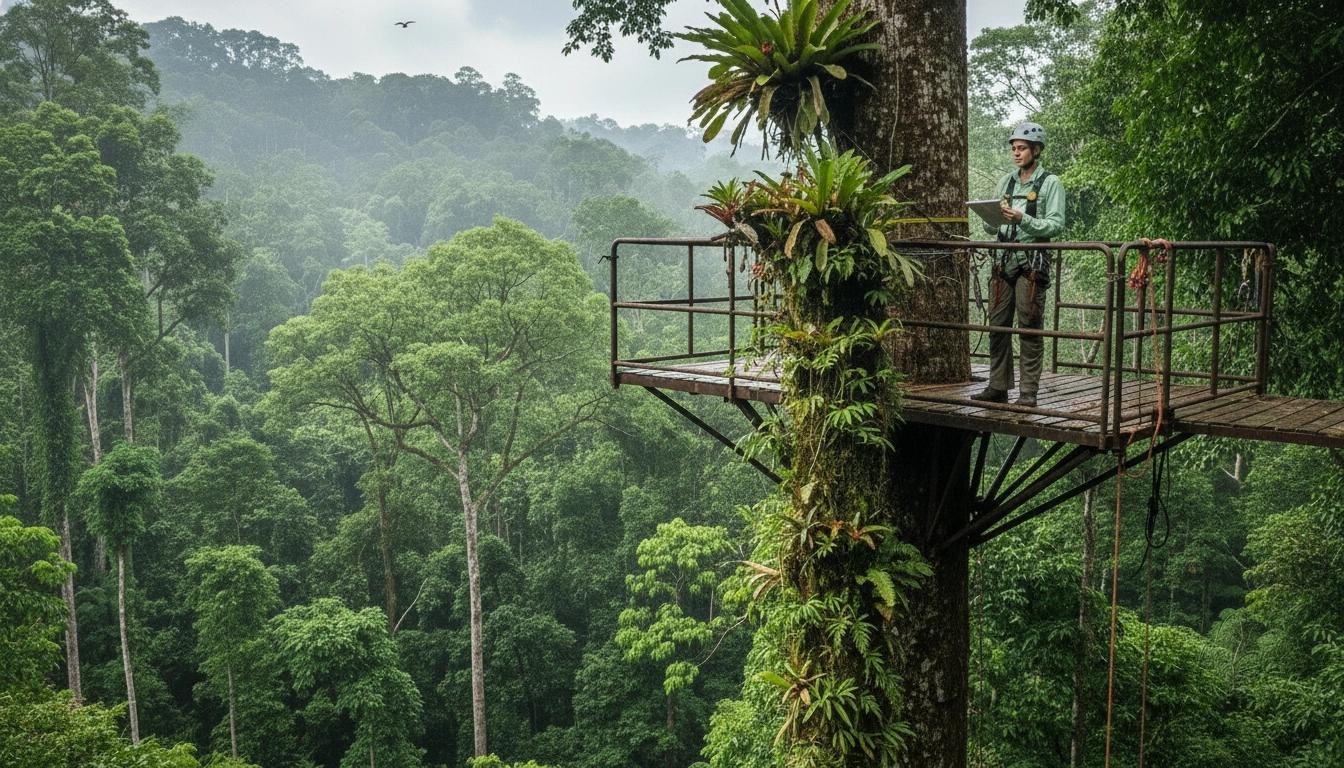
Canopy Studies: Students use rope access techniques or canopy towers to study the three-dimensional structure of rainforest communities. They learn to identify epiphytic plants, measure tree growth rates, and document vertical stratification of animal communities.
Stream Ecology: Investigating aquatic ecosystems provides students with experience in water quality monitoring, aquatic invertebrate identification, and watershed assessment techniques.
Soil Science: Students learn to collect and analyze soil samples, understanding how nutrient cycling supports tropical forest productivity and how different management practices affect soil health.
Phenology Monitoring: Long-term observation of flowering, fruiting, and leaf production patterns teaches students to recognize seasonal cycles and understand how climate variability affects ecosystem functioning.
Professional Development and Career Preparation
Participating in Costa Rica field research provides students with professional experiences that prepare them for careers in environmental science, conservation biology, and related fields. Students work alongside experienced researchers, learning to navigate the practical challenges of conducting science in remote locations.
Professional skills developed through field research include:
Project Management: Coordinating complex research activities within tight timeframes and budget constraints
Equipment Maintenance: Learning to operate and maintain sophisticated scientific instruments under challenging field conditions
Risk Assessment: Developing safety protocols for working in tropical environments with potential hazards including wildlife encounters, weather extremes, and medical emergencies
Cross-Cultural Communication: Collaborating with local researchers, community members, and international colleagues from diverse backgrounds
Students gain exposure to potential career paths through direct interaction with professional biologists, park managers, conservation practitioners, and environmental consultants working in Costa Rica.
Cultural Integration and Community Engagement
Effective field research in Costa Rica requires students to understand local cultures and engage respectfully with indigenous communities and rural populations. Students learn to appreciate traditional ecological knowledge while developing cross-cultural communication skills essential for international conservation work.
Research programs often include:
Community Partnerships: Students work with local communities on collaborative research projects that address shared conservation goals while respecting traditional land use practices.
Indigenous Knowledge Integration: Learning how traditional ecological knowledge complements scientific research approaches and contributes to biodiversity conservation efforts.
Language Skills Development: Improving Spanish language proficiency to facilitate better communication with local collaborators and community members.
Cultural Sensitivity Training: Understanding appropriate protocols for conducting research in different cultural contexts while building respectful partnerships with local stakeholders.
Safety Protocols and Risk Management
Ensuring student safety during Costa Rica field research requires comprehensive preparation and ongoing vigilance. Students learn essential safety protocols while developing the judgment necessary for making sound decisions in challenging environments.
Critical safety considerations include:
Wildlife Encounters: Understanding appropriate responses to encounters with potentially dangerous animals including snakes, large mammals, and insects
Medical Preparedness: Recognizing symptoms of tropical diseases, heat exhaustion, and allergic reactions while maintaining proper first aid supplies
Weather Awareness: Monitoring changing weather conditions and understanding how tropical storms affect field research activities
Communication Protocols: Maintaining regular contact with base camps and emergency services while working in remote locations
Equipment Safety: Proper use of research equipment, climbing gear, and protective equipment in humid tropical conditions
Practical Preparation Strategies
Successful field research programs require extensive preparation to maximize learning opportunities while ensuring student safety. Educators should begin planning at least six months before departure, focusing on academic preparation, physical conditioning, and logistical coordination.
Essential preparation steps include:
Academic Prerequisites: Ensuring students have foundational knowledge in ecology, statistics, and research methodology before participating in field programs
Physical Conditioning: Preparing students for the physical demands of hiking in tropical conditions while carrying research equipment
Equipment Familiarization: Providing hands-on training with GPS units, data loggers, identification keys, and sampling equipment before departure
Health Preparations: Coordinating vaccinations, medical clearances, and prescription medications appropriate for tropical field conditions
Cultural Orientation: Providing comprehensive information about Costa Rican culture, customs, and appropriate behavioral expectations
Costa Rica field research programs offer students transformative learning experiences that cannot be replicated through classroom instruction alone. These immersive programs develop essential scientific skills while fostering deep appreciation for biodiversity conservation and environmental stewardship. Through careful preparation, comprehensive safety protocols, and meaningful community engagement, educators can provide students with life-changing opportunities to contribute to real scientific research while developing the skills necessary for successful environmental careers.
Comments