


From Coral Reefs to Ancient Temples: A Comprehensive Student Trip to Belize

Planning a school trip to Belize offers educators a unique opportunity to combine rigorous marine science education with immersive cultural archaeology. This Central American destination provides students with hands-on learning experiences that span two distinct yet complementary disciplines: marine biology at the world's second-largest barrier reef and archaeological exploration of ancient Mayan civilization. Ensuring that your educational trip to Belize maximizes both scientific inquiry and cultural understanding requires careful planning and a structured approach to itinerary development.
Marine Science Education at the Belize Barrier Reef
Begin by prioritizing the marine science components of your student trip to Belize. The Belize Barrier Reef System, a UNESCO World Heritage Site, serves as an unparalleled outdoor laboratory for coral reef ecology, marine biodiversity, and conservation science.
Key Marine Exploration Activities
Incorporate the following research-based activities into your itinerary:
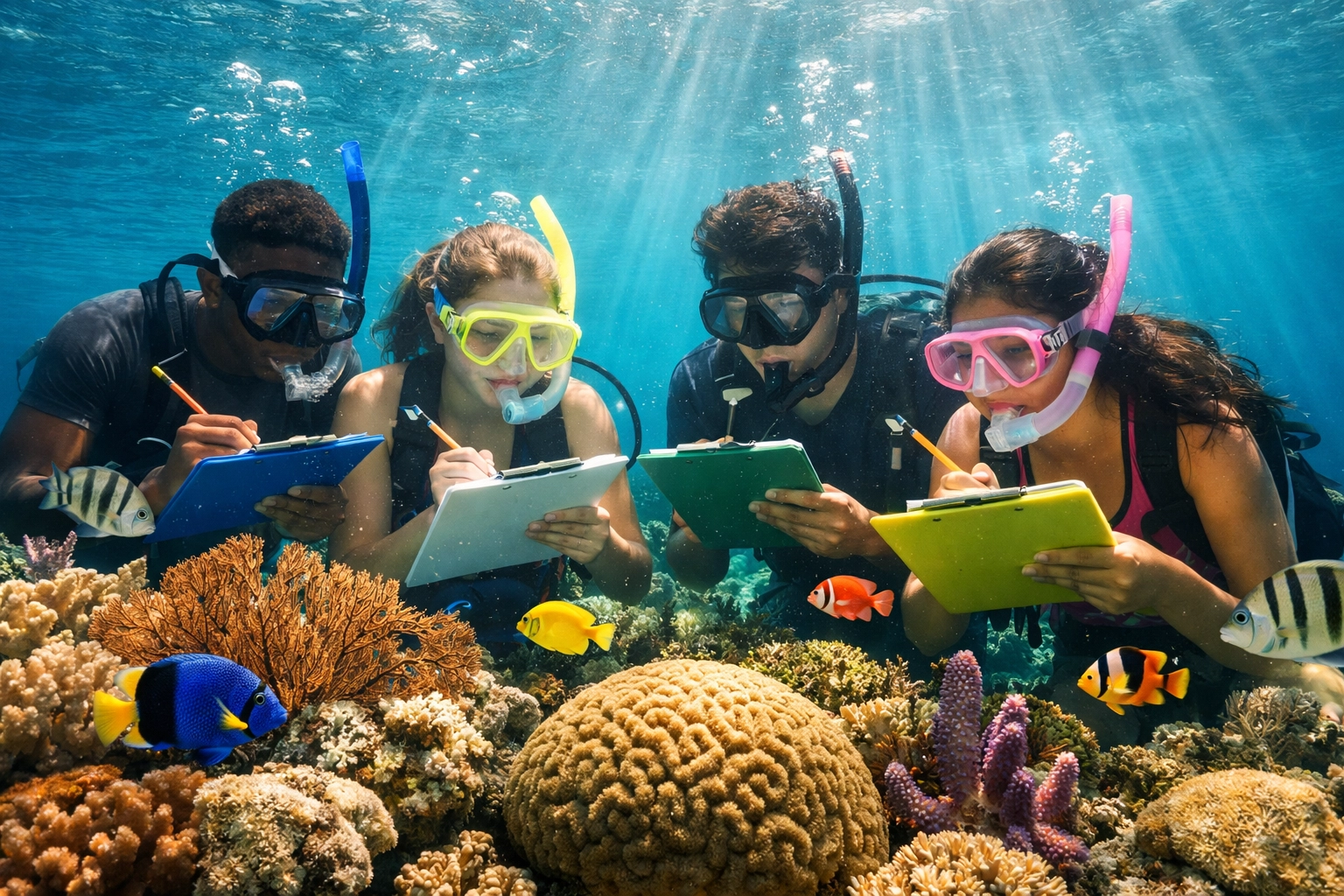
Snorkeling at Hol Chan Marine Reserve: Students conduct visual surveys of coral species diversity and fish population assessments in protected waters
Glover's Reef Atoll expeditions: Advanced groups engage in data collection on coral health indicators and ecosystem monitoring
Sea kayaking programs: Students observe marine ecosystems from surface level while learning about mangrove habitats and coastal protection systems
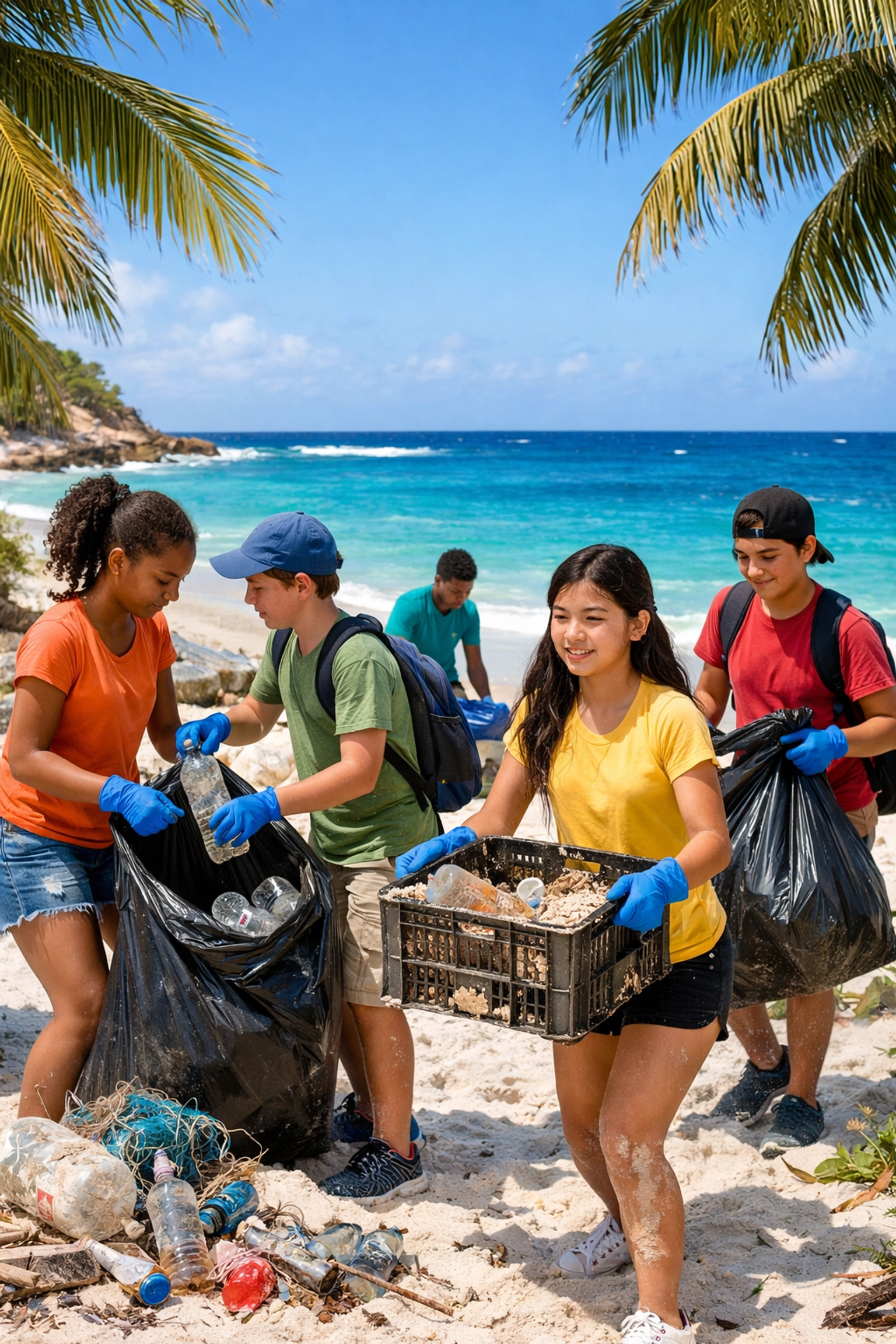
Marine conservation workshops: Participate in hands-on sessions addressing reef restoration, plastic pollution impacts, and sustainable fishing practices
Ensure that all marine activities include pre-dive briefings emphasizing safety protocols, buddy systems, and environmental protection standards. Advise students to maintain appropriate distance from marine life and practice responsible reef interaction techniques at all times.
Educational Outcomes for Marine Components
Structure your marine science curriculum around measurable learning objectives. Students should be able to:
Identify at least 15-20 coral species and explain their ecological roles
Understand symbiotic relationships within reef ecosystems
Analyze threats to marine biodiversity including climate change and ocean acidification
Collect and interpret basic ecological data using scientific methodology
Articulate conservation strategies and their real-world applications
Create detailed observation journals for students to document species encounters, water quality measurements, and ecosystem interactions throughout the marine portions of your trip.
Archaeological and Cultural Immersion in Mayan Heritage
Transition seamlessly from marine science to archaeological exploration by incorporating visits to significant Mayan sites. This cultural component provides critical context for understanding human-environment relationships and ancient civilizations' scientific achievements.
Essential Archaeological Sites
Plan visits to the following locations to maximize educational value:
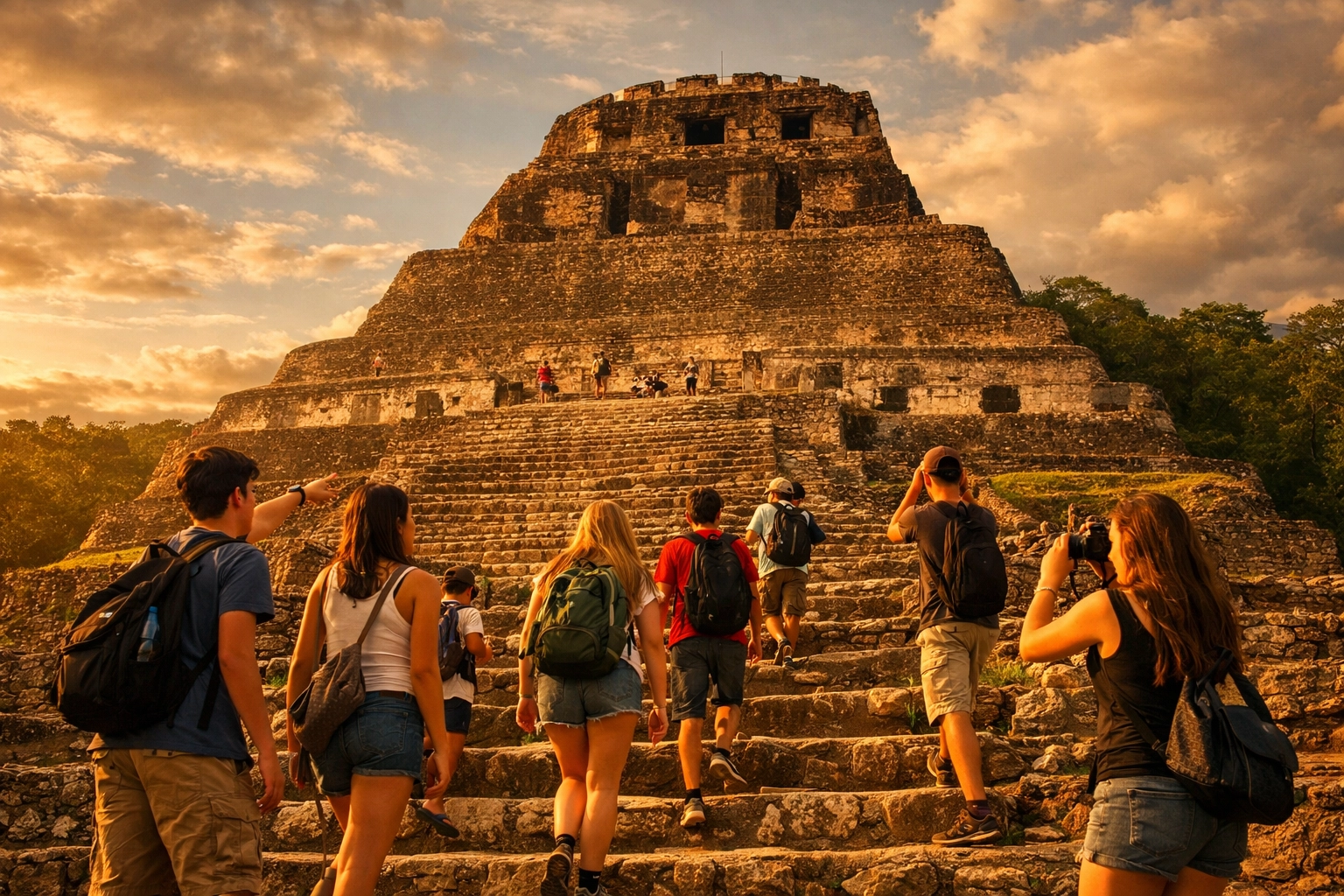
Xunantunich: Guide students through the El Castillo pyramid, emphasizing Mayan astronomical knowledge and architectural engineering
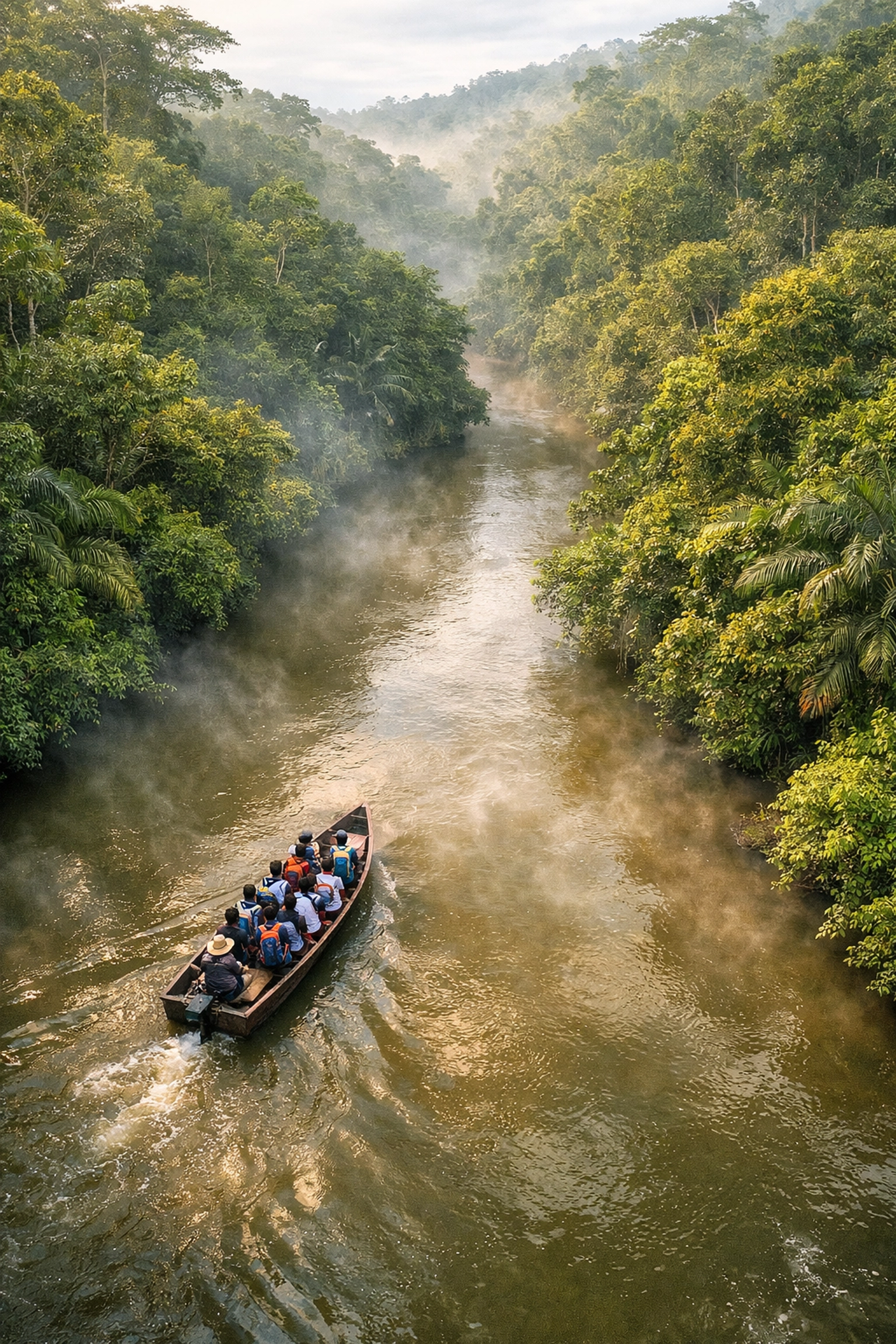
Lamanai Ruins: Incorporate boat transportation through New River Lagoon, combining wildlife observation with archaeological study
Altun Ha: Examine temple complexes and discuss ceremonial practices, hieroglyphic writing systems, and Mayan calendrical science
Cahal Pech: Explore residential structures to understand daily life, social organization, and urban planning principles
Ensure that students prepare for archaeological visits by researching Mayan history, scientific contributions, and cultural practices. Encourage the completion of pre-visit assignments that establish foundational knowledge before site exploration.
Cultural Exchange Opportunities
Integrate authentic cultural experiences beyond archaeological sites:
Visit Garifuna communities in Hopkins Village to learn about Afro-Indigenous heritage and traditional practices
Participate in cultural workshops including traditional cooking, drumming, or craft-making
Engage with local educators or community leaders to discuss contemporary Belizean culture and environmental stewardship
Document oral histories and traditional ecological knowledge shared by indigenous community members
Emphasize the importance of respectful engagement, cultural sensitivity, and reciprocal learning during all community interactions. Establish clear behavioral expectations and codes of conduct before cultural visits.
Rainforest Ecology and Cave System Exploration
Expand your educational trip to Belize by incorporating rainforest ecology and underground cave systems into your comprehensive itinerary. These components bridge marine science and cultural archaeology while introducing students to terrestrial biodiversity and geological processes.
Rainforest and Cave Activities
Include the following experiential learning opportunities:
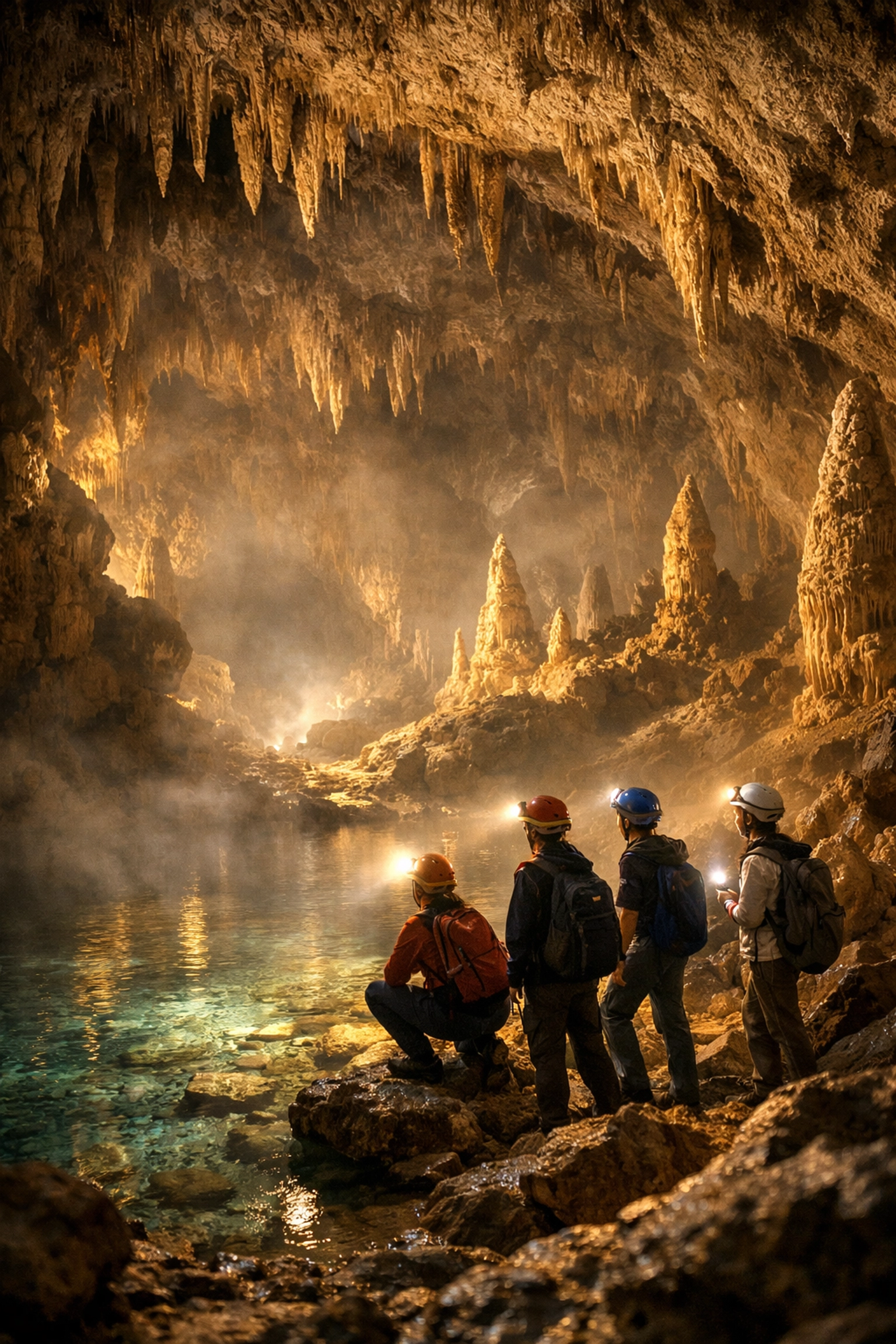
Cave tubing through Mayan ceremonial caves: Students observe geological formations while learning about ceremonial practices and speleology
Bat ecology surveys: Conduct dusk observations to study nocturnal wildlife and discuss ecosystem services provided by bat populations
Herpetology field studies: Identify amphibian and reptile species while examining biodiversity patterns in tropical ecosystems
Jungle canopy research: Investigate vertical stratification and species distribution across different forest levels
Discuss emergency procedures specific to rainforest and cave environments, including protocols for sudden weather changes, wildlife encounters, and medical emergencies in remote locations. Share detailed safety briefings covering proper equipment use, group communication systems, and evacuation procedures.
Planning Your Comprehensive School Trip to Belize
Successful student trips to Belize require meticulous planning and attention to logistical details. Begin preparation at least 6-8 months in advance to secure optimal program dates and necessary approvals.
Itinerary Duration and Structure
Most effective programs range from 7-13 days:
7-8 day programs: Suitable for spring break or condensed summer sessions, focusing on core marine and archaeological components
10-13 day intensive adventures: Allow for deeper exploration across all three components (marine, cultural, rainforest) with additional research time
Customizable itineraries: Work with educational travel specialists to design programs matching specific curricular objectives, student skill levels, and budget parameters
Create a detailed daily schedule that balances active learning with adequate rest periods. Ensure that physically demanding activities are distributed throughout the itinerary rather than concentrated consecutively.
Practical Considerations for Educators
Address the following logistical elements systematically:
Language accessibility: Belize's official language is English, simplifying communication for first-time international student travelers
Budget planning: Determine per-student costs including transportation, accommodations, activities, meals, and emergency funds
Chaperone ratios: Maintain appropriate adult supervision based on student age, activity risk levels, and institutional requirements
Medical preparations: Compile comprehensive health forms, vaccination records, and emergency contact information for all participants
Educational standards alignment: Document how trip activities address specific learning standards in biology, earth science, history, and cultural studies
Safety and Risk Management Protocols
Ensuring the safety of students during international travel is of paramount importance. Implement comprehensive safety protocols addressing all potential risks associated with your school trip to Belize.
Pre-Departure Preparation
Begin by conducting thorough risk assessments for each activity component:
Research current travel advisories and regional safety conditions
Establish communication protocols for maintaining contact between groups, with school administration, and with families
Create detailed emergency response plans including medical evacuation procedures and embassy contact information
Verify insurance coverage for all participants, including medical emergencies and trip interruption scenarios
Conduct mandatory pre-trip orientations addressing behavioral expectations, cultural sensitivity, and safety procedures
On-Site Safety Measures
Maintain vigilant supervision and proactive risk management throughout the trip:
Implement buddy systems for all water-based and cave exploration activities
Conduct daily briefings reviewing the day's schedule, safety considerations, and meeting points
Establish clear protocols for severe weather, medical emergencies, and student accountability
Maintain first aid supplies and ensure multiple chaperones hold current CPR/first aid certifications
Monitor student hydration, sun exposure, and physical exertion levels in tropical conditions
Encourage students to voice concerns immediately and create an environment where safety questions are welcomed and addressed thoroughly.
Maximizing Educational Impact and Service Learning
Transform your educational trip to Belize into a meaningful service learning experience by incorporating conservation work and community engagement opportunities.
Students can earn service hours through:
Participation in reef restoration projects or beach cleanup initiatives
Data collection supporting ongoing marine research programs
Cultural documentation projects benefiting local communities
Educational presentations sharing archaeological knowledge with local schools
Document service activities carefully to provide students with verification for academic credit or graduation requirements.
Bringing It All Together
A comprehensive student trip to Belize successfully integrates marine science, Mayan cultural archaeology, and rainforest ecology into a cohesive educational experience. By carefully structuring your itinerary to balance hands-on research, cultural immersion, and safety protocols, you create transformative learning opportunities that extend far beyond traditional classroom instruction.
Prepare meticulously, communicate expectations clearly, and maintain flexibility to adapt plans as conditions require. The combination of scientific inquiry at the Barrier Reef and cultural exploration among ancient temples provides students with interdisciplinary perspectives on environmental stewardship, human history, and global interconnectedness.
For educators seeking expert guidance in planning a balanced and comprehensive school trip to Belize, Appleseed Expeditions offers customizable programs designed to meet specific curricular goals while ensuring student safety and meaningful educational outcomes. Begin planning your expedition today to provide students with an unforgettable journey from coral reefs to ancient temples.

Comments