


Guardian of the Giants: Finding Purpose in Wildlife Conservation

Developing a profound sense of purpose in students is a primary objective of modern education, moving beyond the confines of the traditional classroom to engage with the natural world. In the heart of West Yellowstone, the Grizzly & Wolf Discovery Center serves as a critical epicenter for wildlife conservation and education. For educators, organizing service-based Yellowstone student trips offers a unique opportunity to instill leadership, responsibility, and a lifelong "why" through direct involvement in the preservation of North America’s most iconic apex predators.
The transition from a passive observer to a "Guardian of the Giants" requires more than just a visit; it requires a commitment to service. By focusing on conservation at the Wolf and Grizzly Center, students confront the complex realities of human-wildlife conflict, habitat loss, and the ethical management of species that cannot survive in the wild. This immersion is not merely academic: it is a transformative experience that cultivates leadership skills through meaningful, hands-on contribution.
The Mission of the Grizzly & Wolf Discovery Center
Before beginning any conservation work, students must understand the specific mission of the facility. Unlike a traditional zoo, the Grizzly & Wolf Discovery Center is an AZA-accredited sanctuary and educational facility. The animals housed here: grizzly bears, gray wolves, and several species of raptors: are "ambassadors" for their wild counterparts. Most of these animals are here because they became habituated to human food or were orphaned, making them unable to survive in the wild.
The core objective of Yellowstone conservation student travel is to assist the center in its dual mission: providing a high-quality home for these animals and educating the public on how to coexist with wildlife. When students participate in service here, they are not just performing chores; they are directly contributing to the safety and longevity of the species within the Greater Yellowstone Ecosystem.
Leadership Through Service-Based Initiatives
To maximize the impact of the expedition, educators should structure service projects to emphasize leadership and ownership. When students are tasked with improving the lives of these "giants," they begin to see themselves as stakeholders in the environment. Consider the following service-based activities that foster these skills:
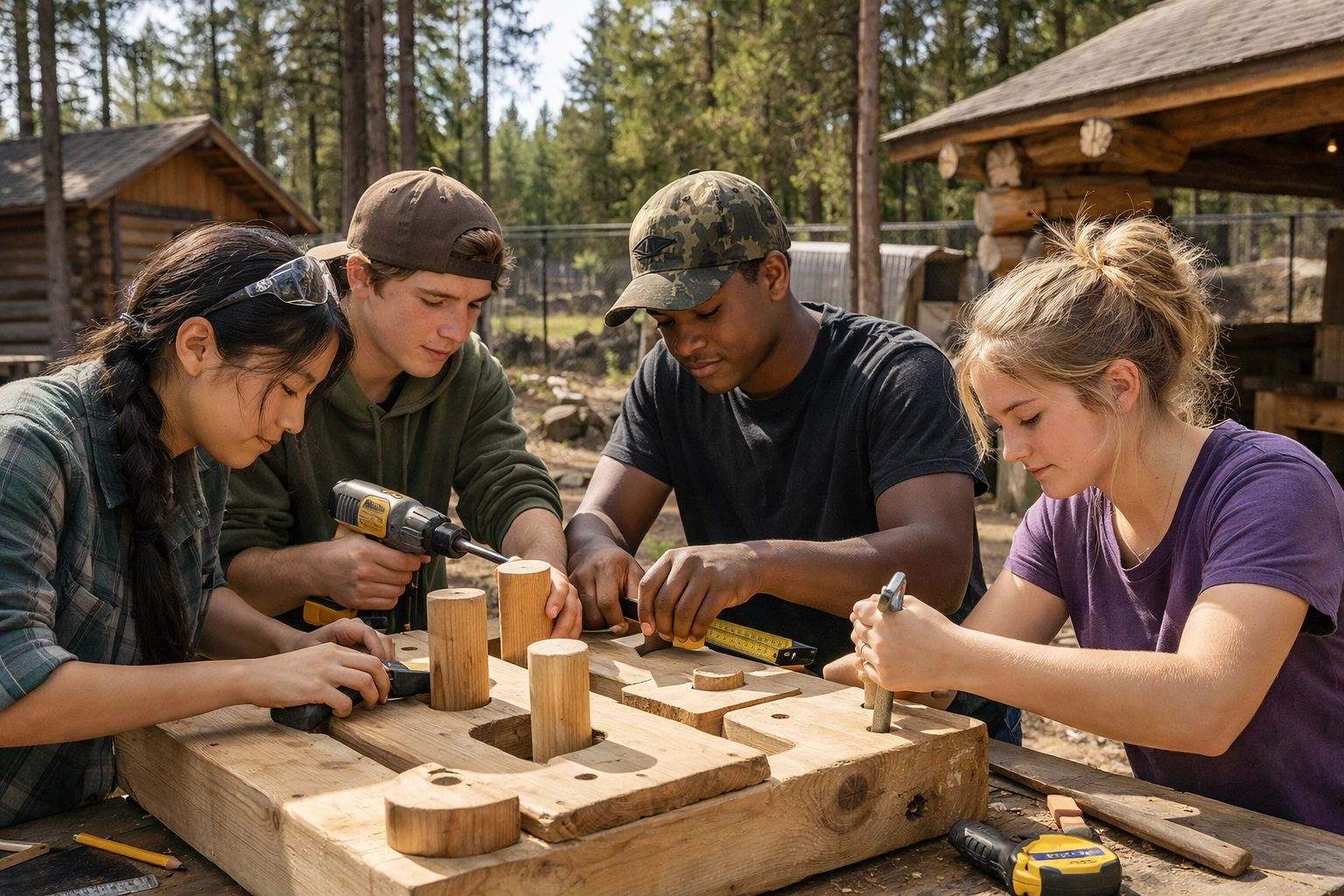
Enrichment Construction: Students work under the guidance of animal keepers to design and build enrichment items for the bears and wolves. This requires critical thinking and teamwork to ensure items are safe, durable, and mentally stimulating for the animals.
Habitat Maintenance: Engaging in the physical labor of maintaining enclosures: clearing brush, repairing fencing, or preparing foraging areas: teaches students the value of stewardship and the rigorous work required to sustain conservation efforts.
Educational Outreach: Students may assist in preparing materials or interactive displays that teach visitors about "Bear Aware" practices. This develops communication skills and reinforces their own understanding of conservation ethics.
Discovering the ‘Why’: The Impact of Hands-on Conservation
Finding one's purpose often stems from the realization that individual actions have a measurable impact on a larger system. In the context of Yellowstone conservation student travel, this "why" becomes clear when students observe the direct results of their service.
Ecological Awareness: By studying the behavior of the center’s wolf packs, students gain insight into the "trophic cascade" and how the presence of apex predators maintains the health of the entire ecosystem.
Scientific Contribution: Students may participate in bear-testing programs, where they help evaluate "bear-resistant" products. This contribution to science and public safety provides a tangible sense of accomplishment, as these products are used by campers and residents throughout the country to prevent bear habituation and subsequent euthanization.
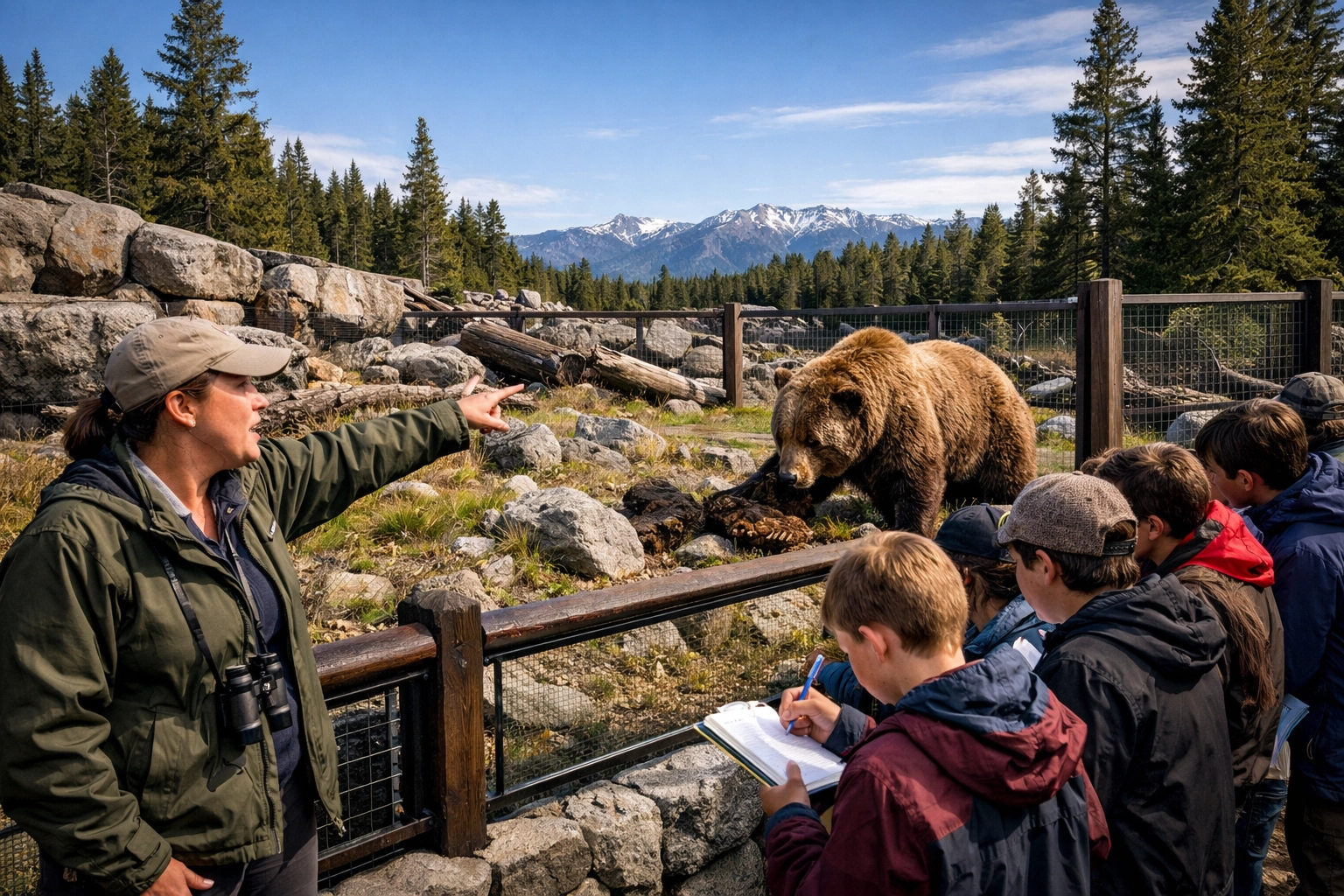
Ethical Responsibility: Facing a 600-pound grizzly bear: even from behind a safety barrier: is a humbling experience. It shifts the perspective from human-centric to eco-centric, prompting students to ask: What is my role in ensuring these creatures have a place in the future?
Instructional Guidelines for Educators: Planning and Safety
Ensuring the safety of students and the welfare of the animals is of paramount importance during any service-based trip. Preparation must be meticulous, and expectations must be communicated clearly before departure. Educators should adhere to the following procedural steps:
1. Rigorous Pre-Trip Education
Begin by researching the biology and history of wolves and grizzlies in the Yellowstone region. Discuss the historical significance of the wolf reintroduction in 1995 and the current challenges facing grizzly populations. Utilize resources from Appleseed Expeditions to align your curriculum with regional conservation goals.
2. Establish Safety Protocols
Vigilance is required when working in proximity to apex predators. Even in a controlled environment like the Discovery Center, students must follow all instructions from staff without exception.
Maintain Distance: Always respect the designated boundaries set by the facility.
Professional Conduct: Remind students that they are in a place of work and a sanctuary, not an amusement park.
Supervision: Ensure a low student-to-chaperone ratio to allow for constant monitoring and guidance.
3. Foster Proactive Thinking
Encourage students to anticipate the needs of the facility. Instead of waiting for instruction, they should be taught to observe: Is there trash that needs to be collected? Does a visitor look like they need guidance on bear safety? This proactive mindset is a hallmark of leadership.
Integrating Earth Science and Wildlife Biology
Service-based Yellowstone student trips are not limited to animal husbandry; they are interdisciplinary journeys. West Yellowstone is a gateway to a landscape defined by geothermal activity and unique geology. Educators should integrate the following scientific components into the service experience:
Geology and Habitat: Discuss how the volcanic nature of the Yellowstone plateau dictates the types of vegetation available for grizzlies.
Climate Change Impacts: Analyze how shifting weather patterns affect the availability of whitebark pine seeds and army cutworm moths: vital food sources for bears: and how this might drive bears closer to human settlements.
Behavioral Observations: Task students with keeping field journals to record animal behaviors, social hierarchies within the wolf packs, and the interaction between species.
A Call to Action with Appleseed Expeditions
Preparing your students for a future as environmental leaders involves careful planning and a partner who understands the balance between education and service. Appleseed Expeditions specializes in creating Yellowstone science trips that prioritize both academic rigor and meaningful conservation service. By partnering with experts who understand the nuances of the Greater Yellowstone Ecosystem, educators can provide their students with a transformative experience that moves beyond sightseeing and into the realm of true stewardship.
Whether your focus is on wildlife ecology, earth science, or leadership development, a service-based expedition to West Yellowstone provides the framework for students to discover their "why" and emerge as the next generation of "Guardians of the Giants."
Implementing Reflection and Long-Term Purpose
To ensure that the lessons learned at the Grizzly & Wolf Discovery Center translate into lasting change, the expedition must conclude with structured reflection. The goal is to bridge the gap between the service performed in Yellowstone and the student's life back home.
Group Debriefs: Each evening, host a discussion focused on a "Service Spotlight." Ask students to identify one moment where they felt their contribution made a difference to the animals or the center’s staff.
Personal Purpose Statements: Toward the end of the trip, have students draft a "Conservation Purpose Statement." This should outline how they intend to apply the leadership skills and ecological awareness they have gained to their local community.
Continued Stewardship: Encourage students to look into alternative breaks or local conservation opportunities. The purpose found in Yellowstone should serve as a catalyst for a lifetime of service.
Conclusion: The Lasting Impact of Wildlife Service
The future of North America's wildlife depends on the dedication of informed, purposeful individuals who are willing to take action. By engaging in service-based Yellowstone student trips, your students transition from being mere visitors to active participants in the conservation narrative. They learn that leadership is not about authority, but about the responsibility to protect those who cannot protect themselves.
Through meticulous preparation, a focus on scientific inquiry, and a heart for service at the Grizzly & Wolf Discovery Center, you are not just teaching a class: you are cultivating the guardians of our natural world. Reaffirm these core objectives by ensuring safety, enriching the educational experience, and remaining prepared for the challenges of the wild. The giants are waiting; it is time for our students to lead.

Comments