


Leadership in the Wild: Lessons from the Wolf and Grizzly Discovery Center
- Caleb Mullenix
- Apr 14
- 5 min read

Developing the next generation of conservation-minded leaders requires moving beyond the traditional classroom setting and into environments where the stakes of stewardship are visible and tangible. In the heart of West Yellowstone, the Wolf and Grizzly Discovery Center (GWDC) serves as a premier site for students to cultivate leadership skills through the lens of wildlife conservation. By participating in a dedicated Yellowstone wildlife study program, students transition from passive observers to active participants in the preservation of North America’s most iconic apex predators.
The preservation of wolves and grizzly bears is not merely a scientific endeavor; it is a complex leadership challenge that involves navigating ecological needs, public perception, and community conflict. Engaging students in this work provides a unique platform for them to find their "why": a sense of purpose rooted in protecting the wild while developing the decisive, collaborative, and ethical traits required of modern leaders.
The Foundation of Leadership: Scientific Literacy and Observation
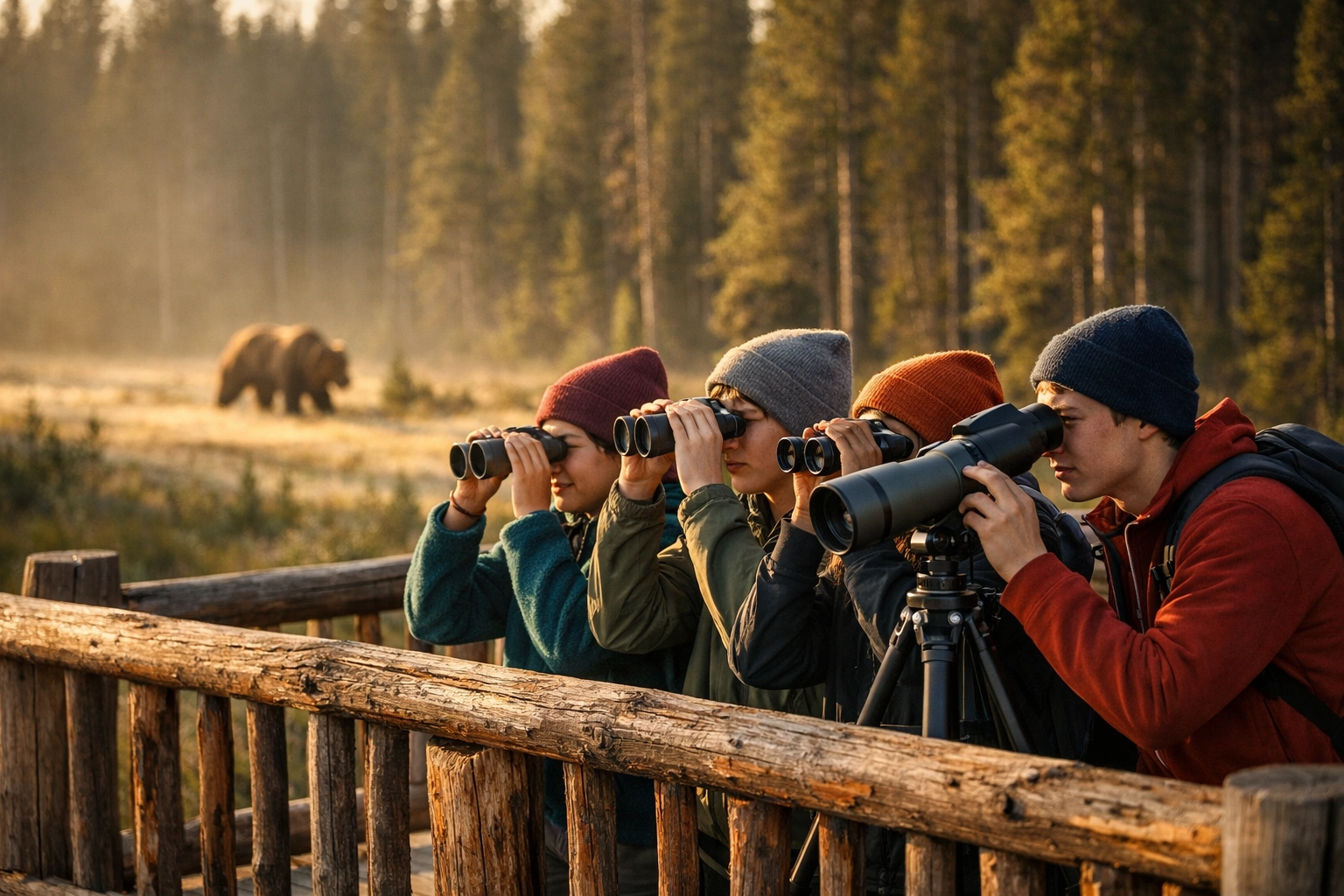
True leadership begins with a deep understanding of the environment one intends to impact. Before students can advocate for wildlife or lead service initiatives, they must establish a foundation of knowledge through a structured Yellowstone wildlife study program. At the Wolf and Grizzly Discovery Center, this begins with disciplined observation of the resident wolf packs and grizzly bears.
Leadership lessons derived from wildlife observation include:
Situational Awareness: Students learn to monitor animal behavior, identifying signs of stress, hierarchy, and health. This mirrors the leadership requirement of "reading the room" and understanding the dynamics of a human team.
Evidence-Based Decision Making: Leaders must act on facts rather than emotion. By collecting data on bear activity or wolf vocalizations, students practice making assessments based on empirical evidence.
Understanding Interdependence: Observing how apex predators influence the entire Yellowstone ecosystem (the "trophic cascade") teaches students that every leadership action has a ripple effect across an organization or community.
Developing Purpose Through Conservation Service
Finding a personal sense of purpose often occurs when a student realizes their labor contributes to a cause larger than themselves. A Yellowstone Conservation Student Trip focuses heavily on service-learning projects that benefit the animals at the center and the surrounding ecosystem. These tasks are not merely "chores"; they are opportunities to practice responsibility and stewardship.
Practical service leadership tasks often include:
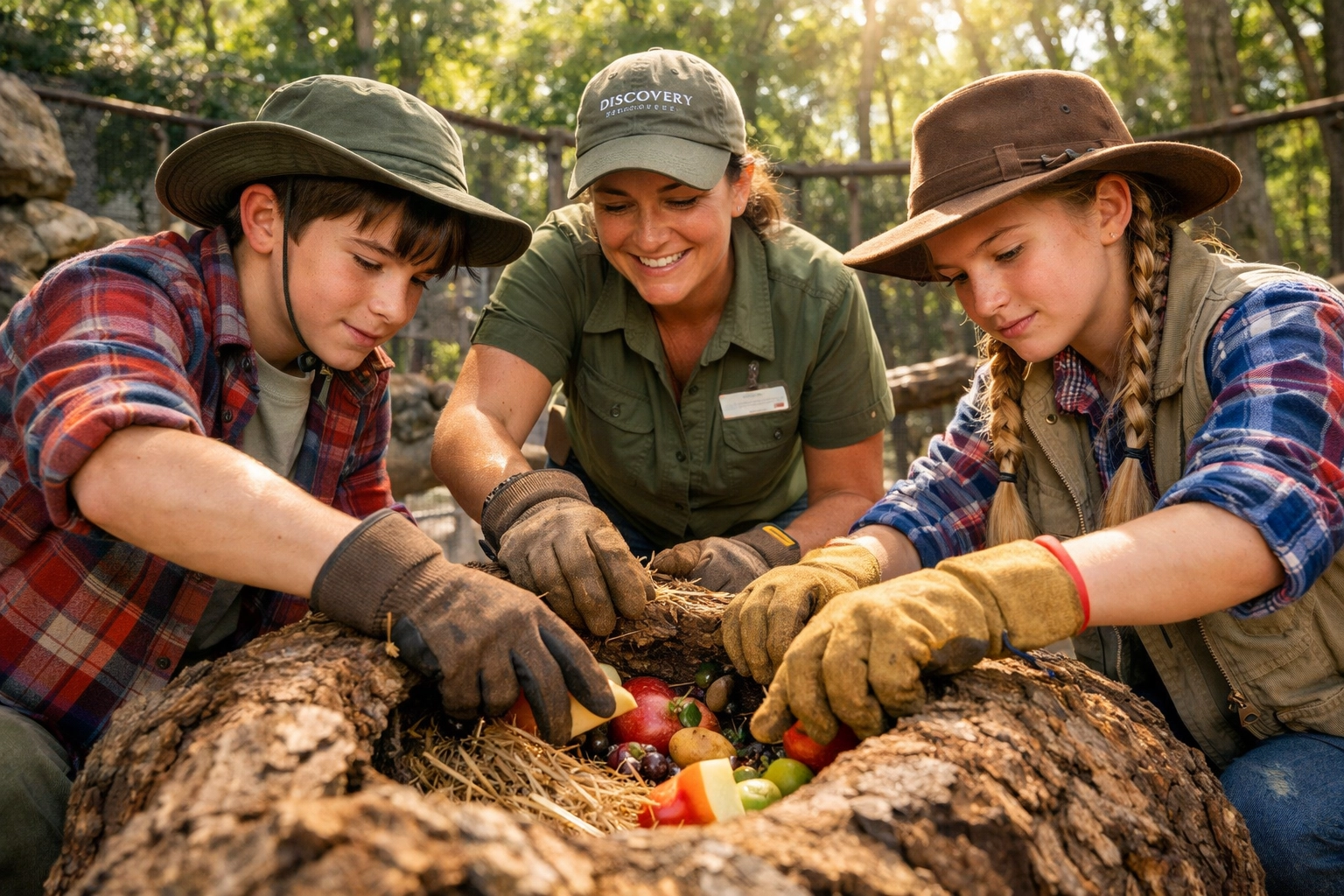
Enrichment Preparation: Students work alongside naturalists to design and place "enrichment" items in bear habitats. This requires creative problem-solving and an understanding of bear biology to ensure the animals remain mentally and physically stimulated.
Bear-Resistant Container Testing: The GWDC is a world leader in testing bear-resistant products for manufacturers. Students may assist in documenting these tests, learning the vital importance of human-wildlife conflict mitigation and the role of engineering in conservation.
Habitat Maintenance: Physical labor involved in maintaining safe enclosures reinforces the value of hard work and the meticulous attention to detail required to manage a high-stakes facility.
By performing these duties, students move from the role of a tourist to the role of a guardian. This shift is essential for developing a purpose-driven life.
Leadership Lessons from the Wolf Pack
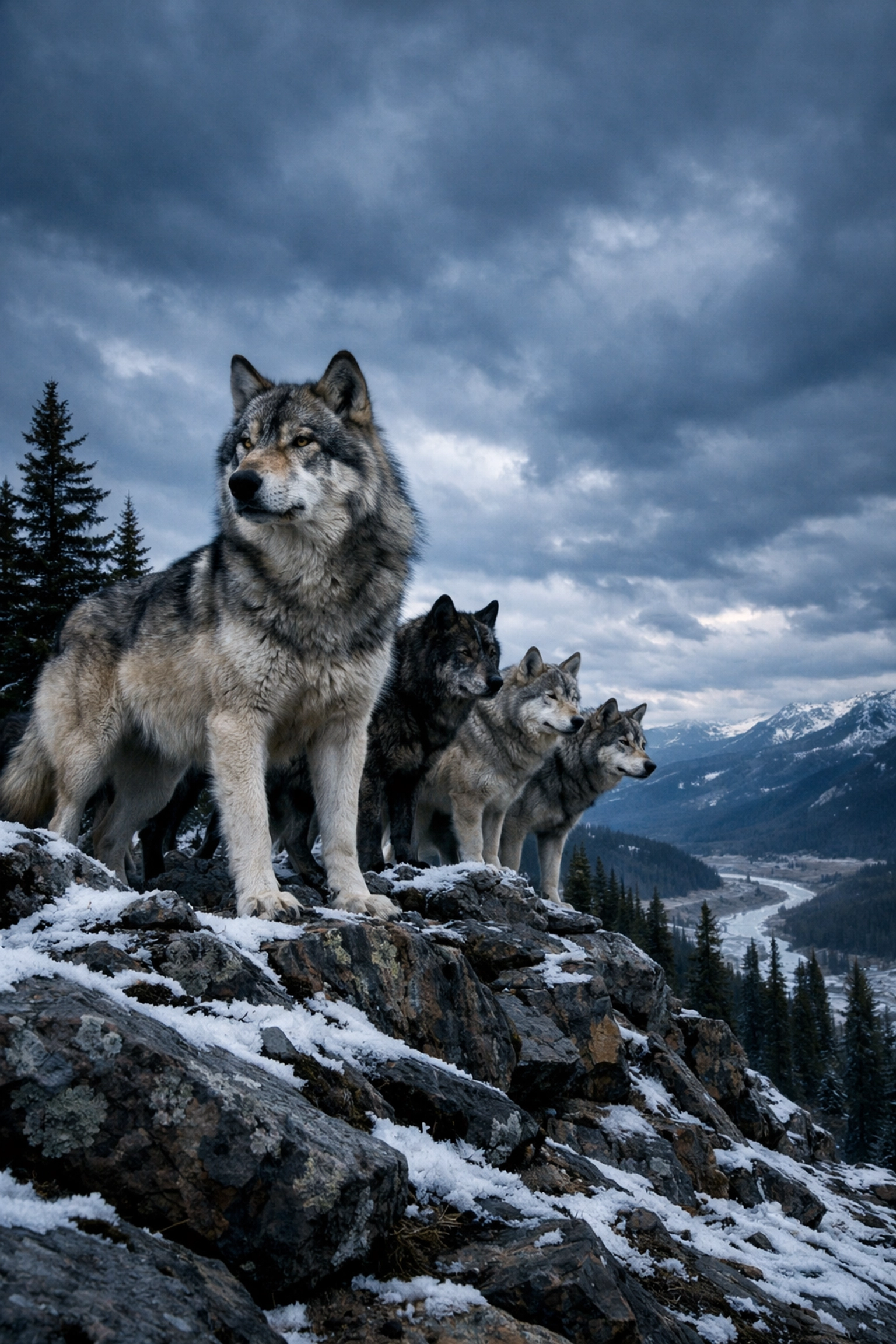
The social structure of a wolf pack offers profound metaphors for human leadership and team dynamics. Contrary to the popularized "alpha" myth of dominance through aggression, real-world wolf leadership is about cooperation, protection, and providing for the group.
During a Yellowstone wildlife study program, students study these pack dynamics to extract relevant leadership principles:
Cooperative Problem Solving: Wolves hunt and raise pups as a unit. Students observe how different roles within the pack contribute to the success of the whole, emphasizing that a leader is only as effective as the team they support.
Communication Protocols: Wolves utilize a complex system of vocalizations, body language, and scent marking to maintain order and safety. Students are encouraged to evaluate their own communication styles, focusing on clarity, consistency, and the reduction of "noise" in team settings.
Conflict Transformation: In any group, conflict is inevitable. Observing how wolves navigate social friction within the pack provides a gateway to discussing conflict resolution. Effective leaders don't avoid conflict; they transform it into an opportunity for strengthening group bonds.
Ethical Stewardship: Protecting Apex Predators
Leadership in conservation requires a firm ethical compass. The protection of apex predators like the grizzly bear and the gray wolf is often controversial. Engaging with these issues during a Yellowstone Conservation Student Trip forces students to confront diverse perspectives and develop a principled stance.
Navigating Conflict: Students learn about the Conservation Conflict Transformation (CCT) model. This involves listening to stakeholders: ranchers, biologists, and tourists: to find common ground. Leading through dialogue rather than division is a vital skill for any future career.
Advocacy and Education: Part of the service at the GWDC involves learning how to educate the public. Students practice presenting wildlife facts to visitors, developing public speaking skills and the ability to influence others toward positive conservation behaviors.
The Responsibility of Power: As humans, we have the power to either eradicate or preserve these species. Students reflect on the responsibility that comes with influence, learning that the most powerful leaders are those who protect the vulnerable.
Organizing a Successful Yellowstone Conservation Student Trip
To maximize the leadership development potential of a trip to West Yellowstone, educators must approach the planning process with meticulous detail and a focus on safety. A well-organized expedition ensures that students can focus on learning and service without the distraction of logistical failures.
Essential Planning Steps for Educators:
Establish Clear Objectives: Define exactly what leadership and science outcomes you expect. Use a structured Yellowstone school trip itinerary that balances educational lectures with hands-on service.
Prioritize Safety and Risk Management: Working near apex predators requires strict adherence to safety protocols. Ensure students are trained in bear safety, including the proper use of bear spray and maintaining safe distances from wildlife in the park.
Incorporate Reflective Practice: Leadership is solidified through reflection. Schedule nightly "briefings" where students discuss their observations and how their service work impacted their perspective on conservation.
Consult Professional Facilitators: Partnering with experts ensures access to the best educational resources. Appleseed Expeditions provides specialized science and service programs that align with national standards while focusing on student character development.
Conclusion: Reaffirming the Mission of Conservation Leadership
The goal of a Yellowstone wildlife study program is to return students to their home communities not just as more knowledgeable science students, but as more capable leaders. By serving at the Wolf and Grizzly Discovery Center, students learn that leadership is an act of service, that purpose is found in stewardship, and that the wild heart of Yellowstone offers lessons that cannot be found in any textbook.
Ensuring the safety and growth of your students involves careful preparation and a commitment to high-impact educational travel. By focusing on the protection of apex predators, students discover their own capacity for influence and the profound satisfaction that comes from dedicating oneself to the preservation of the natural world.
Experience the Wild with Appleseed Expeditions Preparing your students for a life of purpose involves taking them to the front lines of conservation. Appleseed Expeditions offers comprehensive Yellowstone school trips and STEM-focused expeditions designed to build leadership skills through wildlife science and community service. Join us in West Yellowstone to see how the lessons of the wild can transform your students into the leaders of tomorrow.
For more information on our diverse range of service-learning opportunities, explore our alternative breaks or view our full list of destinations.
Comments