


How Student Field Studies in Costa Rica Help Restore Rainforests (and Why Your Next Trip Should Include Butterfly Conservation)

Ensuring meaningful Costa Rica hands-on science learning experiences for your students requires understanding how field studies directly contribute to rainforest restoration efforts. Educational trips to Costa Rica offer unparalleled opportunities for students to engage in authentic conservation work while developing critical scientific skills that extend far beyond the classroom.
Student participation in rainforest restoration represents one of the most impactful forms of experiential learning available today. When properly structured, a student trip to Costa Rica transforms young learners into active contributors to global conservation efforts while providing hands-on experience with complex ecological systems.
The Science Behind Student-Led Restoration Efforts
Direct Research and Data Collection
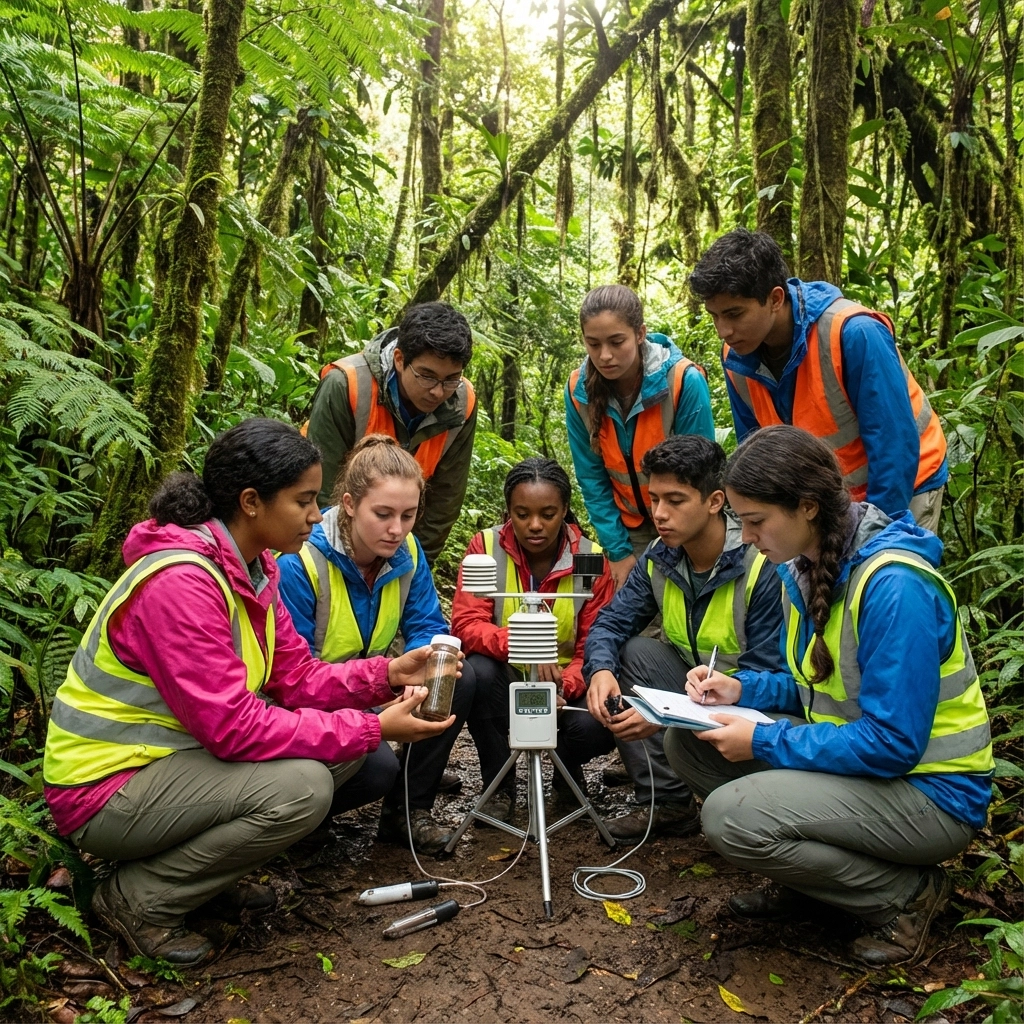
Students participating in Costa Rica field studies for schools contribute essential data through systematic biodiversity surveys, experimental design, and ecosystem resilience measurements. Research programs like those at the School for Field Studies demonstrate how students can conduct meaningful scientific work across Costa Rica's diverse ecosystems: from rainforests to cloud forest corridors.
Begin by understanding that student researchers actively monitor canopy bird populations, assess amphibian diversity using standardized transect surveys, and analyze tropical dry forest regeneration patterns. This data collection directly supports conservation organizations and government agencies working toward Costa Rica's ambitious conservation goals.
Ecosystem Monitoring and Assessment
Create opportunities for students to engage in long-term ecological monitoring at established research stations. The Firestone Center for Restoration Ecology exemplifies how dedicated restoration sites provide authentic learning environments: this 60-hectare property has undergone continuous restoration since 1993 after being cleared for cattle farming.
Students participating in Costa Rica biodiversity tours for students learn to:
Measure forest recovery rates following disturbances
Monitor water quality indicators across watersheds
Assess soil composition changes during restoration processes
Document species recolonization patterns in recovering habitats
Collaborative Conservation Partnerships
Emphasize the importance of community-based conservation work through your educational trip Costa Rica planning. Students partner directly with Indigenous communities and rural farmers to co-design agroecological systems that support pollinator populations and improve ecosystem health.
These partnerships provide students with authentic experiences in:
Community-based water management strategy evaluation
Mammal presence monitoring as ecosystem health indicators
Sustainable farming practice implementation
Conservation technology application and data analysis
Why Butterfly Conservation Should Anchor Your Program
Understanding Indicator Species
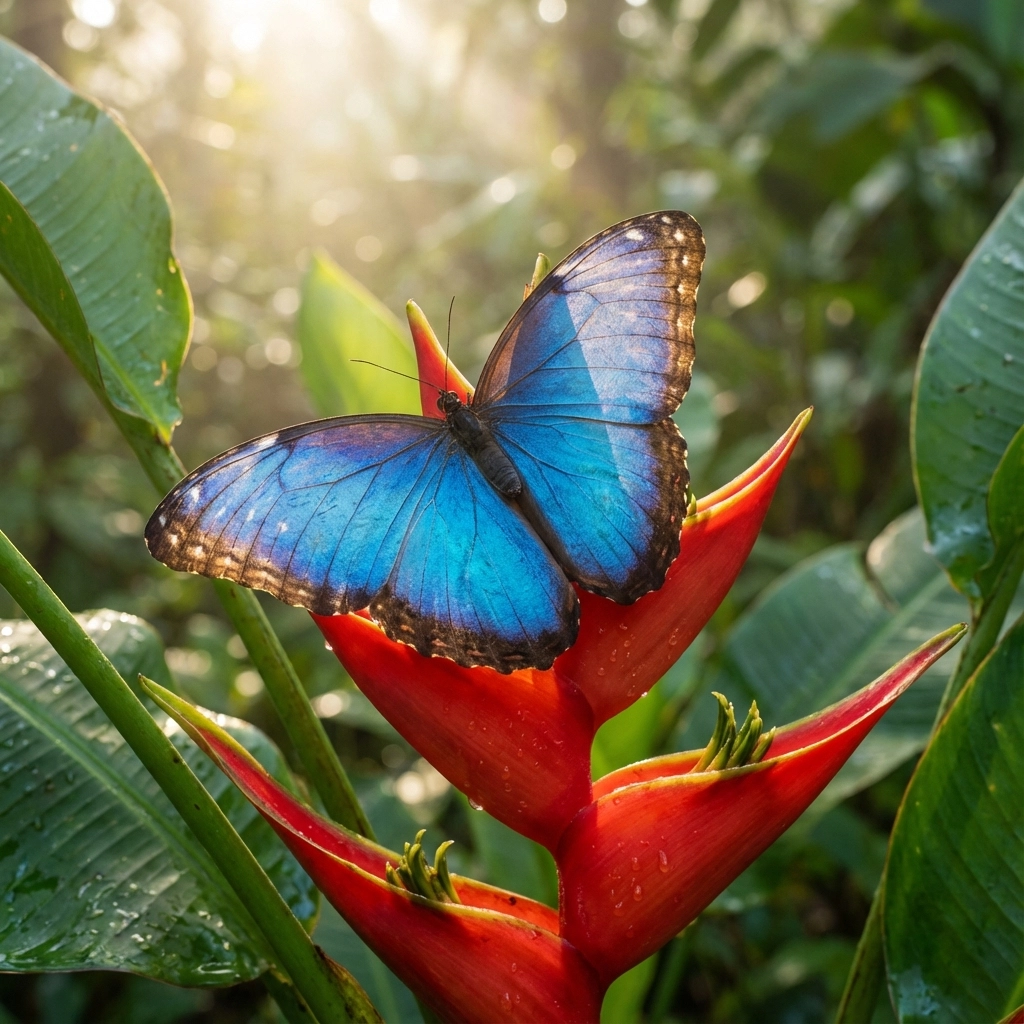
Butterflies serve as critical indicator species for ecosystem health, making them ideal focal points for Costa Rica student conservation projects. Ensure your students understand that butterfly populations reflect broader environmental conditions including habitat quality, climate stability, and ecosystem connectivity.
Costa Rica hosts over 1,400 butterfly species: approximately 10% of the world's total butterfly diversity within just 0.03% of Earth's land surface. This extraordinary concentration provides unmatched opportunities for student research and conservation engagement.
Hands-On Conservation Techniques
Structure your Costa Rica wildlife trip for students around specific butterfly conservation methodologies:
Population Monitoring Protocols:
Establish standardized survey transects through different habitat types
Conduct mark-recapture studies to assess population dynamics
Monitor larval host plants and adult nectar sources
Document seasonal migration patterns and breeding cycles
Habitat Restoration Activities:
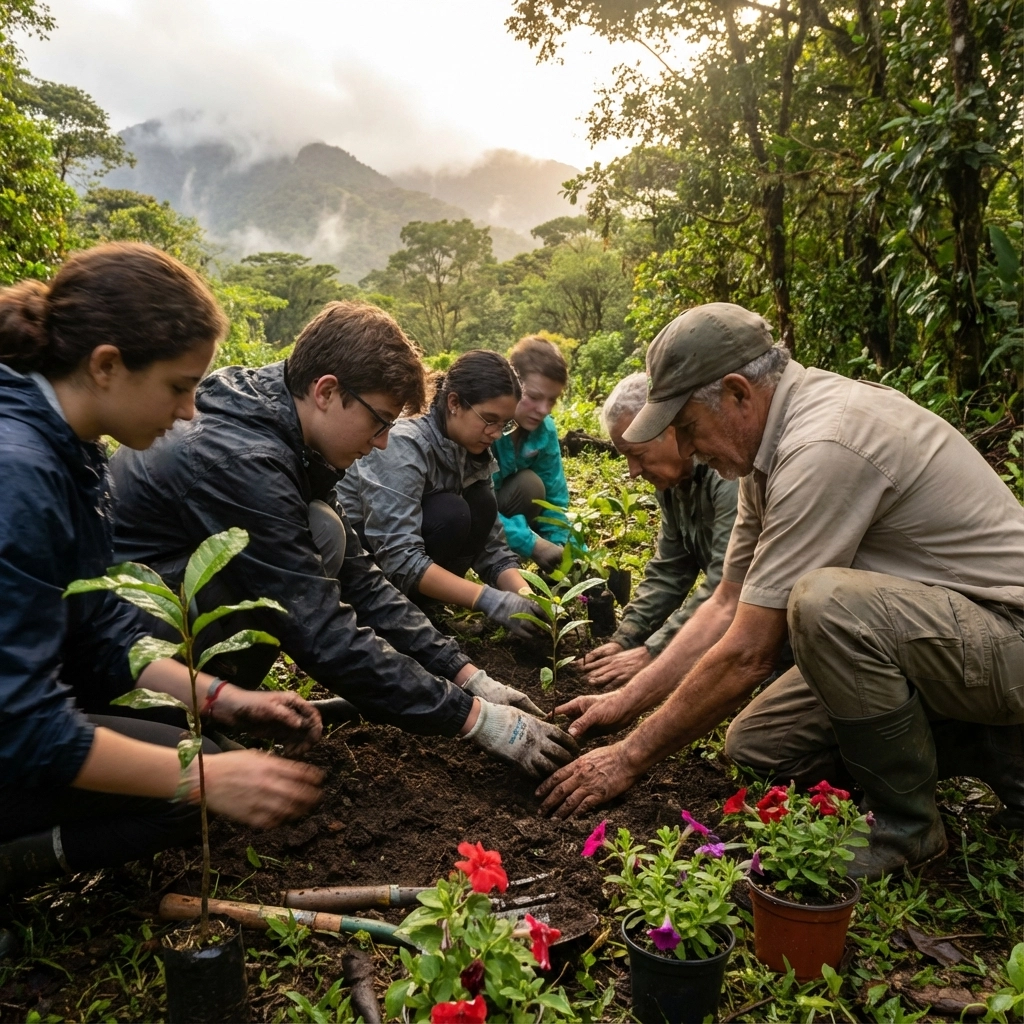
Plant native flowering species to support adult butterfly nutrition
Cultivate larval host plants specific to endangered species
Remove invasive plant species that disrupt natural ecosystems
Create corridor connections between fragmented forest patches
Scientific Research Applications
Encourage students to design independent research projects focusing on butterfly-plant interactions, climate change impacts, or habitat fragmentation effects. These studies contribute directly to ongoing conservation research while developing students' scientific methodology skills.
Research opportunities include:
Pollination efficiency studies comparing native versus non-native plant species
Climate change impact assessments on butterfly distribution patterns
Habitat fragmentation analysis using butterfly community composition
Conservation intervention effectiveness through before-and-after population studies
Implementing Effective Field Study Programs
Pre-Trip Preparation Requirements
Begin comprehensive preparation at least six months before your departure. Successful service learning Costa Rica experiences require extensive planning to maximize both educational outcomes and conservation contributions.
Essential Preparation Steps:
Coordinate with established research stations and conservation organizations
Develop specific research protocols aligned with ongoing conservation projects
Train students in species identification, data collection methodologies, and safety procedures
Establish partnerships with local communities and conservation groups
Create detailed emergency response plans and communication protocols
On-Site Learning Methodologies
Organize daily activities around authentic scientific work that contributes meaningful data to conservation efforts. Structure each day to include field research, data analysis, and reflection sessions that connect observations to broader conservation principles.
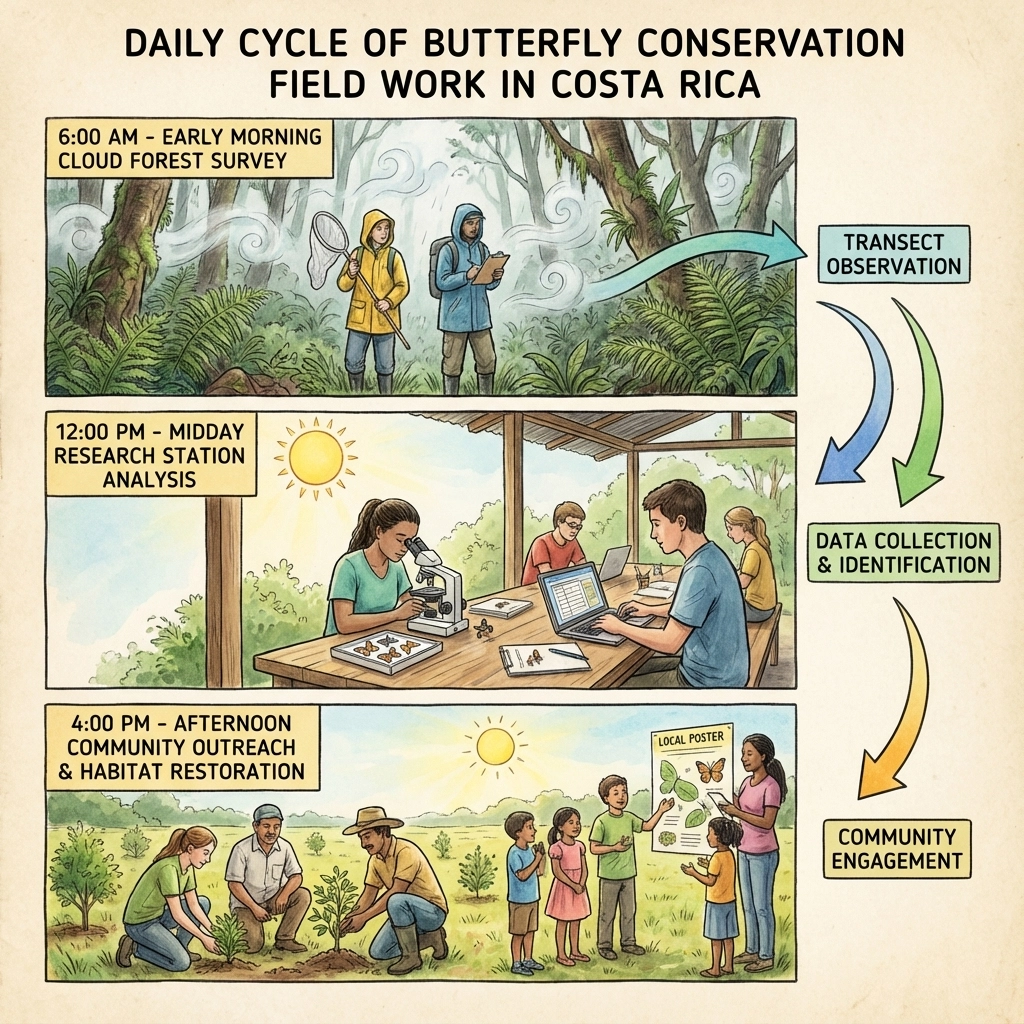
Daily Program Structure:
Morning field work (6:00-10:00 AM): Conduct surveys during peak butterfly activity periods
Data processing (10:00-12:00 PM): Analyze collected data and update research databases
Community engagement (2:00-4:00 PM): Work alongside local conservation practitioners
Reflection and planning (4:00-6:00 PM): Connect observations to conservation theory and plan next day's activities
Data Integration and Long-Term Impact
Ensure student research contributes to established databases and conservation monitoring programs. Partner with organizations like the Organization for Tropical Studies or local biological stations to guarantee research results inform ongoing conservation decisions.
Students should understand that their contributions extend beyond the immediate trip experience. Emphasize how their data supports long-term conservation planning, species protection initiatives, and habitat restoration strategies implemented by professional conservationists.
Maximizing Educational Outcomes
Interdisciplinary Learning Integration
Design your program to integrate multiple academic disciplines through butterfly conservation work. This approach transforms a single Costa Rica student conservation project into comprehensive learning experiences spanning biology, chemistry, mathematics, geography, and social studies.
Cross-Curricular Connections:
Biology: Species interactions, population dynamics, evolutionary adaptations
Chemistry: Soil composition analysis, water quality testing, plant biochemistry
Mathematics: Statistical analysis, population modeling, data visualization
Geography: Habitat mapping, climate pattern analysis, land use assessment
Social Studies: Community engagement, sustainable development, conservation policy
Assessment and Documentation Methods
Establish clear assessment criteria that evaluate both scientific understanding and conservation contribution. Students should document their experiences through research journals, data portfolios, and presentation materials that demonstrate learning outcomes.
Create requirements for:
Daily research journals documenting observations, hypotheses, and data collection
Species identification portfolios with detailed ecological notes
Conservation project summaries explaining student contributions to ongoing efforts
Presentation materials for sharing results with school and community audiences
Post-Trip Follow-Up Activities
Extend learning beyond the field experience through continued engagement with conservation organizations and research partners. Encourage students to maintain connections with Costa Rican collaborators and continue supporting conservation efforts from their home communities.
Continuation Strategies:
Maintain correspondence with field station researchers and conservation partners
Organize fundraising activities supporting specific conservation projects
Present research results at student science conferences and community events
Develop school-based conservation initiatives inspired by Costa Rica experiences
Safety and Risk Management Considerations
Health and Safety Protocols
Prioritize comprehensive safety planning for all Costa Rica wildlife trip for students activities. Tropical field research environments present unique challenges requiring specialized preparation and constant vigilance.
Essential Safety Measures:
Coordinate with experienced local guides familiar with specific research sites
Maintain current first aid certifications for all adult supervisors
Establish communication protocols with medical facilities and emergency services
Implement wildlife encounter procedures and venomous species awareness training
Monitor weather conditions and adjust activities according to safety requirements
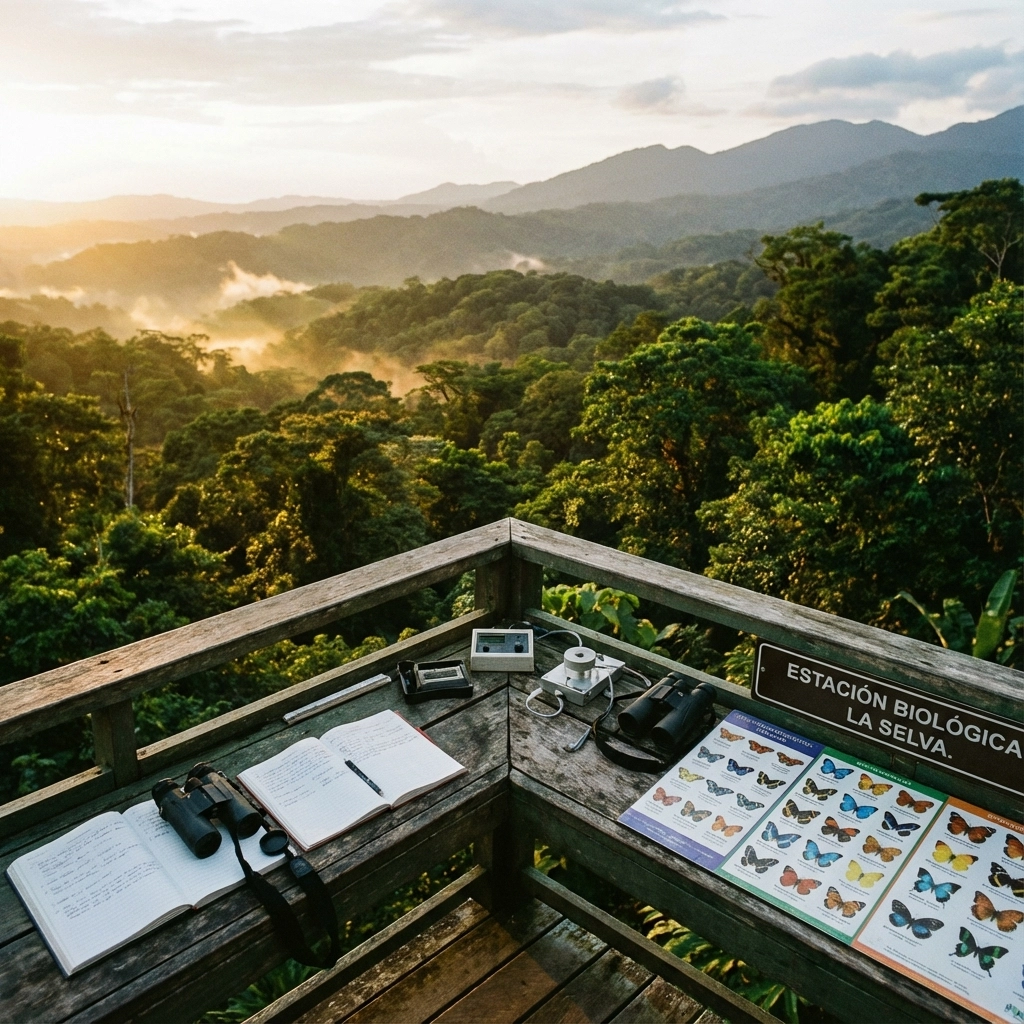
Environmental Responsibility Standards
Emphasize Leave No Trace principles and responsible research practices throughout all program activities. Students must understand their responsibility to minimize environmental impact while conducting meaningful conservation work.
Ensure students follow established protocols for:
Minimal impact research techniques that avoid disturbing wildlife or habitats
Waste management procedures including proper disposal of research materials
Respectful wildlife observation maintaining appropriate distances and avoiding handling
Cultural sensitivity practices when working with local communities and Indigenous groups
Building Lasting Conservation Commitment
Developing Environmental Stewardship
Transform student participants into lifelong conservation advocates through authentic engagement with rainforest restoration efforts. The combination of hands-on scientific work and meaningful community partnerships creates lasting commitment to environmental protection.
Students returning from well-designed Costa Rica biodiversity tours for students demonstrate increased environmental awareness, improved scientific thinking skills, and stronger commitment to sustainable living practices. These outcomes extend far beyond immediate academic benefits to influence career choices and personal lifestyle decisions.
Creating Change Agents
Encourage students to become conservation ambassadors within their home communities. Provide them with tools and knowledge necessary to educate others about rainforest conservation importance and butterfly ecosystem roles.
Support students in developing:
Community presentation skills for sharing conservation messages
Leadership abilities for organizing local environmental initiatives
Scientific literacy for evaluating conservation information and policies
Cultural competency for understanding global conservation challenges
Properly structured field studies in Costa Rica transform students into informed environmental stewards while contributing meaningful data to critical conservation efforts. Through authentic butterfly conservation work, students develop scientific skills, cultural awareness, and personal commitment to protecting Earth's most biodiverse ecosystems.
Appleseed Expeditions specializes in creating transformative Costa Rica hands-on science learning experiences that combine rigorous academic content with authentic conservation contributions, ensuring your students return home as knowledgeable and committed environmental advocates.

Comments