


How Student Group Travel Organizers Design the Perfect Cayman Islands Marine Biology Trip
- Caleb Mullenix
- Feb 10
- 7 min read

Organizing a marine biology expedition to the Cayman Islands requires meticulous planning, comprehensive logistics coordination, and unwavering attention to student safety. As a student group travel organizer, your role extends far beyond simply booking flights and accommodations: you are responsible for creating an educational experience that seamlessly integrates rigorous academic content with hands-on field research while maintaining the highest standards of supervision and risk management.
The Cayman Islands present exceptional opportunities for marine science education, offering crystal-clear Caribbean waters, diverse coral reef ecosystems, and world-class research facilities. However, the complexity of coordinating international travel, specialized equipment, and marine-based activities demands a structured, methodical approach. This comprehensive guide outlines the essential steps for designing a successful Cayman Islands marine biology trip that meets educational objectives while prioritizing student safety and program quality.
Assess Your Student Population and Learning Objectives
Begin by conducting a thorough assessment of your student group's academic level, prior marine science experience, and physical capabilities. This foundational step determines which programs align with your educational goals and student readiness.
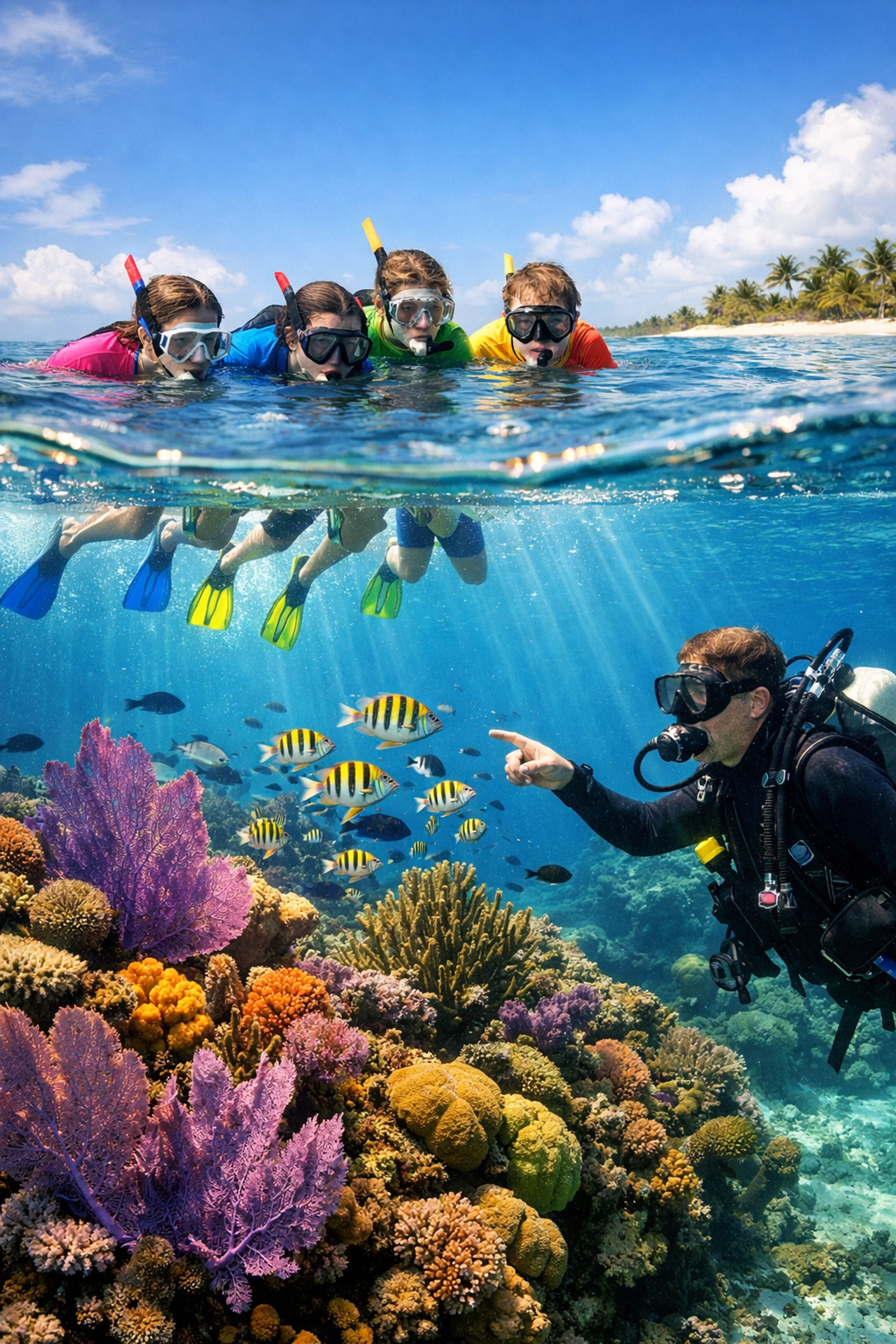
For beginning marine science students aged 13-16 with limited field research experience, prioritize introductory programs that combine classroom instruction with supervised snorkeling activities. These foundational experiences should focus on species identification, basic ecosystem concepts, and safe marine environment practices.
Advanced students aged 16-19 who have completed prerequisite coursework in biology or environmental science benefit from specialized research internships that engage them directly with ongoing conservation projects. These programs should emphasize data collection methodologies, scientific inquiry, and climate change mitigation strategies.
Establish clear, measurable learning objectives before selecting a program. Define specific skills students should acquire, knowledge they should gain, and experiences that align with your curriculum standards. Document these objectives and share them with all stakeholders: including students, parents, chaperones, and program providers: to ensure universal understanding of educational expectations.
Select Appropriate Programs and Facilities
Research multiple program providers thoroughly, examining their credentials, safety records, and educational quality. The Central Caribbean Marine Institute (CCMI) offers programs specifically designed for school groups, with flexibility in duration and content customization to match curriculum requirements.
Consider the following program options based on your assessment:
Week-Long Summer Camps: Ideal for introductory students, these programs provide structured daily activities including snorkeling expeditions, species identification workshops, and guided reef surveys. Ensure the program maintains appropriate student-to-instructor ratios and employs certified marine biologists.
Three-Day Marine Ecology Courses: Designed specifically for primary and secondary schools, these condensed programs offer intensive experiences including beach cleanups, field trips to conservation sites, and hands-on dissection laboratories. Schedule these courses during available dates in November and December to align with academic calendars.
Research Internships: Advanced students benefit from extended engagement with ongoing conservation research, requiring three-month commitments. These programs demand higher levels of student independence and maturity; screen applicants carefully to ensure readiness.
Verify that selected facilities maintain current safety certifications, employ qualified marine biologists, and provide adequate supervision throughout all activities. Request detailed information about emergency protocols, medical support availability, and evacuation procedures.
Develop a Comprehensive Budget and Funding Strategy
Create a detailed budget that accounts for all expenses, including international airfare, accommodations, program fees, meals, equipment rentals, ground transportation, travel insurance, and contingency funds. Cayman Islands marine biology programs typically cost $3,000 or more per student, with Marine Ecology Courses priced at CI $410 per student and CI $275 per chaperone.
Include the following cost categories in your budget calculations:
International airfare and airport transfers
Program tuition and activity fees
Accommodation expenses for the entire duration
Daily meal costs (breakfast, lunch, dinner, and snacks)
Specialized equipment rentals (snorkeling gear, wetsuits, marine field guides)
Ground transportation to research sites
Comprehensive travel insurance for all participants
Emergency fund allocation (minimum 10% of total budget)
Pre-departure materials and preparation resources
Implement a multi-faceted fundraising strategy to make the program accessible to all students regardless of financial circumstances. Explore educational grant opportunities, corporate sponsorships, community partnerships, and student-led fundraising initiatives. Begin fundraising efforts at least twelve months before departure to allow adequate time for accumulating necessary funds.
Communicate transparent cost breakdowns to parents and students early in the planning process. Provide payment schedules with clearly defined deadlines and refund policies that comply with program cancellation terms.
Coordinate Logistics and Timeline Management
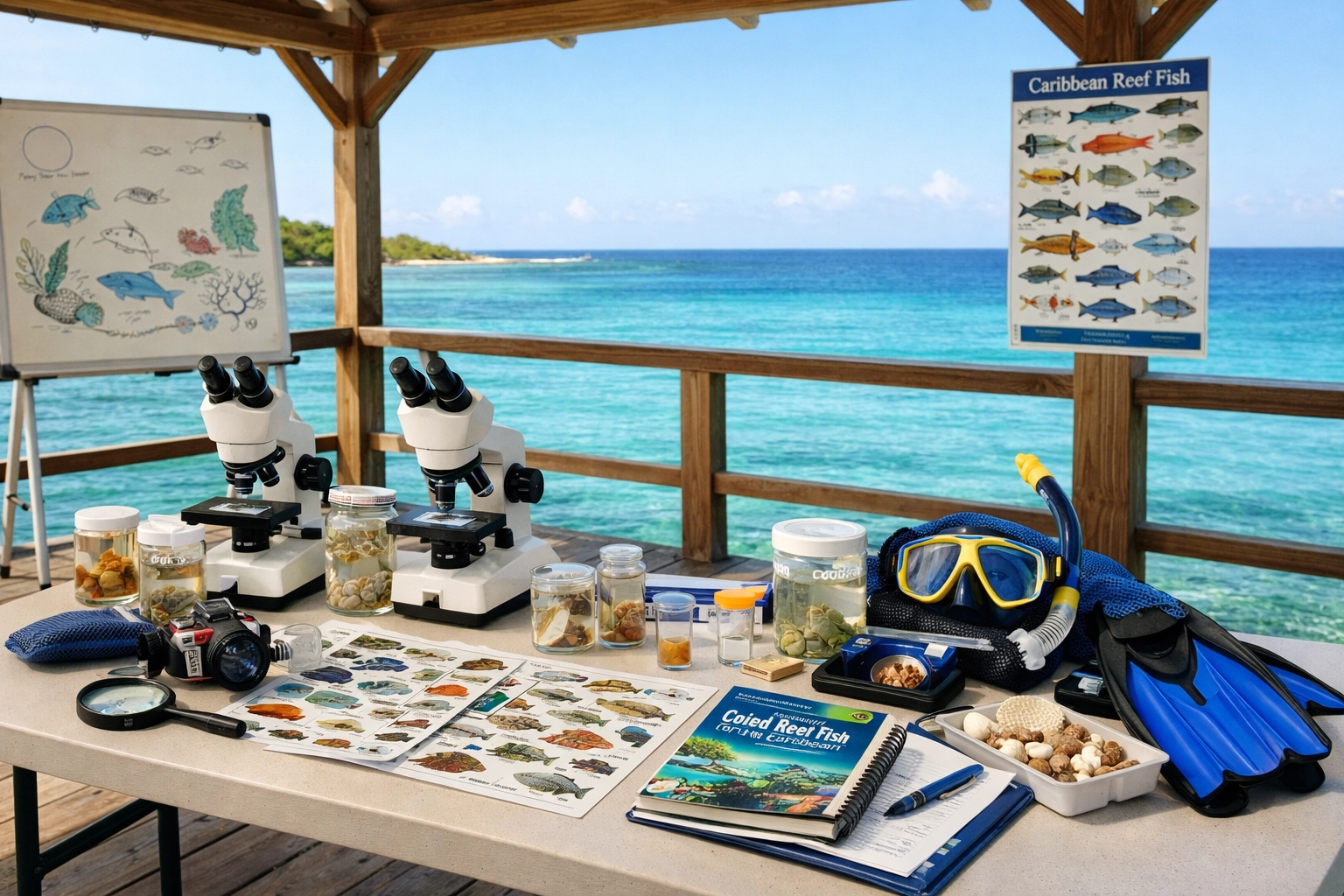
Establish a comprehensive planning timeline beginning at least twelve months before departure. Break the planning process into distinct phases with specific deliverables and deadlines for each stage.
12 Months Before Departure: Secure program reservations, initiate fundraising campaigns, conduct informational meetings with parents and students, and begin recruitment for chaperones.
9 Months Before Departure: Book international flights, arrange group accommodations, purchase travel insurance, and distribute initial information packets to participants.
6 Months Before Departure: Collect passport information and ensure all documents remain valid for six months beyond travel dates. Submit any required visa applications. Conduct first round of pre-trip educational sessions focusing on marine ecosystems and Caribbean biodiversity.
3 Months Before Departure: Finalize rooming assignments, confirm dietary restrictions and medical information, distribute comprehensive packing lists, and conduct safety training sessions. Arrange equipment rentals and confirm all activity reservations.
1 Month Before Departure: Hold mandatory pre-departure meetings with students and parents. Review emergency protocols, behavioral expectations, and itinerary details. Confirm all final payments and distribute emergency contact information.
Maintain detailed spreadsheets tracking all participant information, payment status, medical forms, permission slips, and emergency contacts. Organize documentation systematically to ensure rapid access during emergencies.
Implement Rigorous Safety Protocols
Ensuring the safety of students during marine-based activities is of paramount importance. Develop comprehensive safety protocols that address water-based risks, tropical environment hazards, and medical emergencies.
Require all participating students to demonstrate basic swimming proficiency and comfort with snorkeling equipment before departure. Conduct pool sessions at your home institution to assess abilities and provide instruction for students needing additional preparation.
Verify that all program activities maintain appropriate supervision ratios, typically 1:8 for water-based activities and 1:10 for land-based instruction. Ensure all boat captains hold current certifications and that vessels meet safety standards for passenger capacity and equipment.
Collect comprehensive medical information including allergies, medications, pre-existing conditions, and emergency contacts. Prepare individualized medical plans for students requiring specialized care. Ensure adequate quantities of prescription medications accompany students for the entire trip duration plus additional days for potential delays.
Establish clear communication protocols for emergencies, including designated emergency contacts at your home institution, contact information for the nearest U.S. Embassy or Consulate, and 24-hour emergency numbers for program providers. Distribute laminated emergency contact cards to all participants and chaperones.
Prepare Students Through Pre-Departure Education
Maximize learning outcomes by implementing structured pre-trip preparation that builds foundational knowledge and sets behavioral expectations. Conduct multiple preparation sessions addressing academic content, practical skills, and cultural awareness.
Begin with introductory sessions covering Caribbean marine ecosystems, coral reef biology, and endemic species students will encounter. Provide vocabulary lists of scientific terms and common species names. Assign preparatory reading materials and videos documenting coral reef ecology and conservation challenges.
Teach proper snorkeling techniques, safety protocols for swimming in ocean environments, and respectful practices for observing marine wildlife. Emphasize the importance of reef-safe behaviors including no-touch policies, proper buoyancy control, and avoiding contact with marine organisms.
Address cultural expectations and appropriate behavior in international settings. Discuss customs, courtesies, and responsible tourism practices that demonstrate respect for local communities and environments.
Establish clear behavioral expectations and consequences for violations. Create a student code of conduct that all participants must sign, acknowledging their understanding and commitment to program rules. Emphasize that marine expeditions require heightened responsibility and maturity beyond typical school settings.
Integrate Curriculum and Assessment Strategies
Work collaboratively with program providers to customize course content that aligns seamlessly with your curriculum standards and learning objectives. Request detailed syllabi outlining daily activities, scientific concepts covered, and assessment opportunities.
Incorporate the following educational components into your Cayman Islands program:
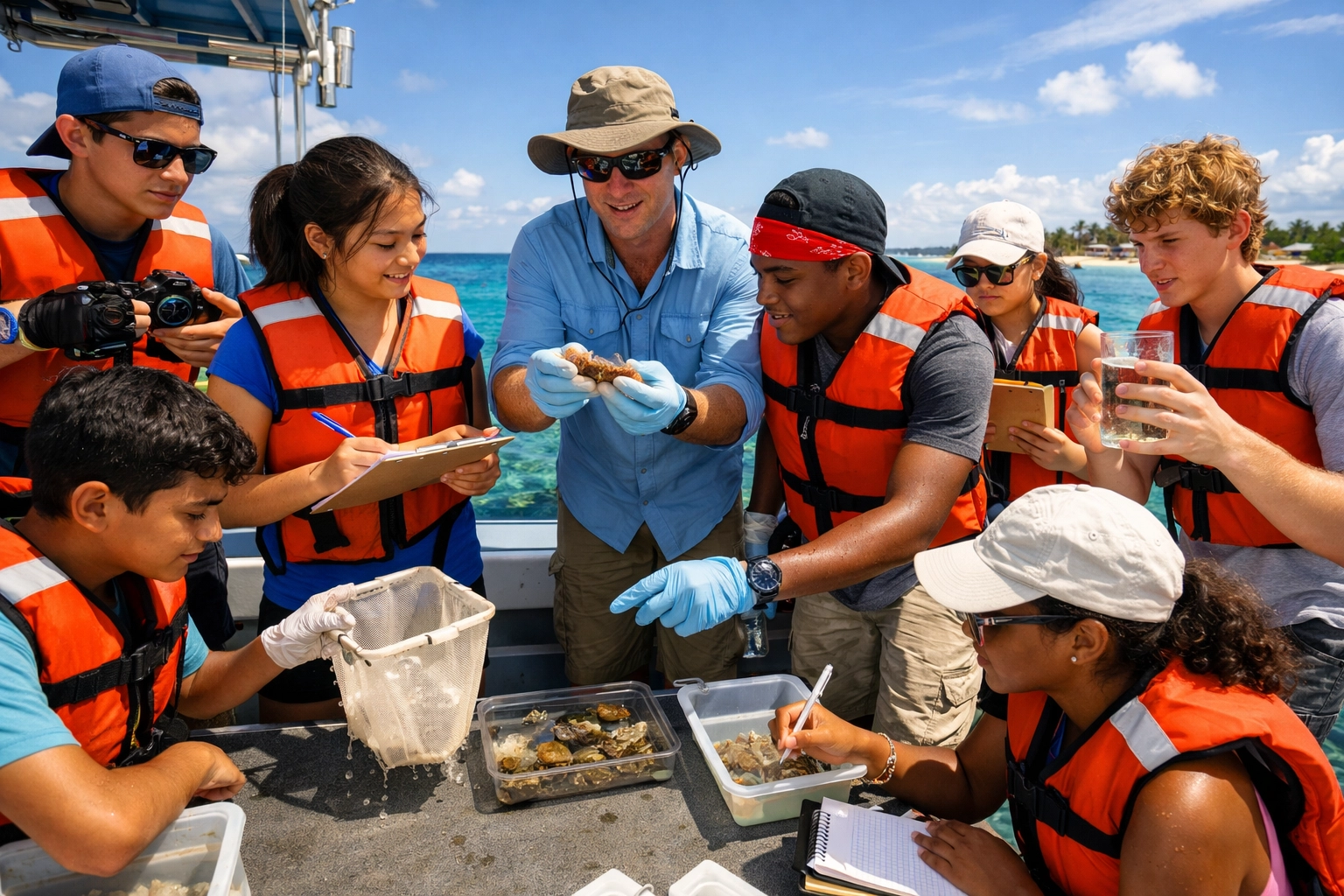
Field Research Participation: Students collect data on coral health, fish populations, or invasive species as part of ongoing research projects
Species Identification Workshops: Hands-on training in recognizing Caribbean marine species using field guides and taxonomic keys
Conservation Service Activities: Beach cleanups, lionfish removal efforts, or coral restoration projects that connect students to real-world conservation challenges
Scientific Communication: Daily journaling requirements, data recording practices, and final presentations synthesizing research findings
Develop assessment tools that measure learning outcomes throughout the expedition. Create rubrics for evaluating research participation, scientific observation skills, and collaborative teamwork. Consider incorporating photo documentation, research posters, or multimedia presentations as culminating assessment products.
Plan Post-Trip Integration and Follow-Up
Extend the educational impact beyond the expedition itself by planning comprehensive post-trip activities that reinforce learning and maintain student engagement with marine conservation.
Schedule presentations where students share their experiences with school communities, younger students, or community organizations. These presentations develop scientific communication skills while raising awareness about marine conservation needs.
Assign follow-up research projects that build on field observations and data collected during the expedition. Students can analyze collected data, research specific species encountered, or investigate conservation strategies for protecting coral reef ecosystems.
Encourage continued engagement with marine conservation through partnerships with local organizations, fundraising for reef protection initiatives, or implementing sustainable practices at your school. Maintain connections with program providers who may offer opportunities for alumni to return as junior counselors or research assistants.
Conduct thorough program evaluations collecting feedback from students, parents, and chaperones. Use this information to improve future expeditions and document program impacts for grant applications and stakeholder reports.
How Appleseed Expeditions Simplifies the Planning Process
Navigating the complex logistics of international marine biology expeditions demands expertise, established relationships with program providers, and comprehensive understanding of educational travel requirements. Appleseed Expeditions specializes in coordinating Florida Keys and Caribbean marine science programs, managing all logistical details while ensuring the highest safety standards and educational quality.
Our experienced team handles flight coordination, accommodation arrangements, program customization, equipment procurement, and comprehensive insurance coverage, allowing you to focus on educational preparation and student supervision. We maintain established relationships with premier marine research facilities throughout the Caribbean, ensuring your students access world-class instruction from qualified marine biologists.
Appleseed Expeditions provides 24-hour emergency support throughout your expedition, comprehensive pre-departure preparation resources, and detailed itinerary management that aligns with your curriculum objectives. Our proven track record of successful marine science expeditions gives you confidence that every detail receives meticulous attention.
Visit Appleseed Expeditions to explore how we transform the complexity of international educational travel into seamless, transformative learning experiences for your students.
Final Preparations
Designing the perfect Cayman Islands marine biology trip requires comprehensive planning, unwavering attention to safety, and dedication to educational excellence. Begin your planning process early, maintain detailed organization throughout all phases, and communicate consistently with all stakeholders. By following this structured approach and partnering with experienced educational travel providers, you create transformative marine science experiences that inspire students, enhance curriculum, and foster lifelong commitment to ocean conservation.
Comments