


How to Create Unforgettable Costa Rica Field Studies in 5 Steps (Easy Guide for First-Time Educators)

Updated: Jan 19
Creating an impactful educational trip Costa Rica requires meticulous planning, clear objectives, and comprehensive preparation. For first-time educators venturing into international field studies, Costa Rica presents an exceptional opportunity to combine rigorous academic learning with transformative cultural experiences. Establishing a successful Costa Rica field studies for schools program involves systematic planning that prioritizes student safety, educational value, and logistical efficiency.
The following five-step framework will guide educators through the essential components of developing an unforgettable student trip to Costa Rica that maximizes learning opportunities while ensuring comprehensive preparation and risk management.
Step 1: Establish Clear Educational Objectives and Program Foundation
Begin by defining specific, measurable learning outcomes for your Costa Rica STEM trips for students. Establish what students should know, understand, and be able to demonstrate upon completion of the program. Create detailed learning objectives that align with curriculum standards and incorporate interdisciplinary connections between environmental science, biology, geography, and cultural studies.
Develop a comprehensive program mission statement that communicates the educational purpose and expected outcomes to all stakeholders. This foundation document should address how the Costa Rica wildlife trip for students will enhance classroom learning through direct observation and hands-on research experiences.
Essential Planning Components:
Define specific academic standards and learning benchmarks
Create detailed program goals for student achievement
Establish assessment criteria for student participation and learning
Develop communication protocols for parents, administrators, and students
Outline program duration, group size limitations, and participant requirements
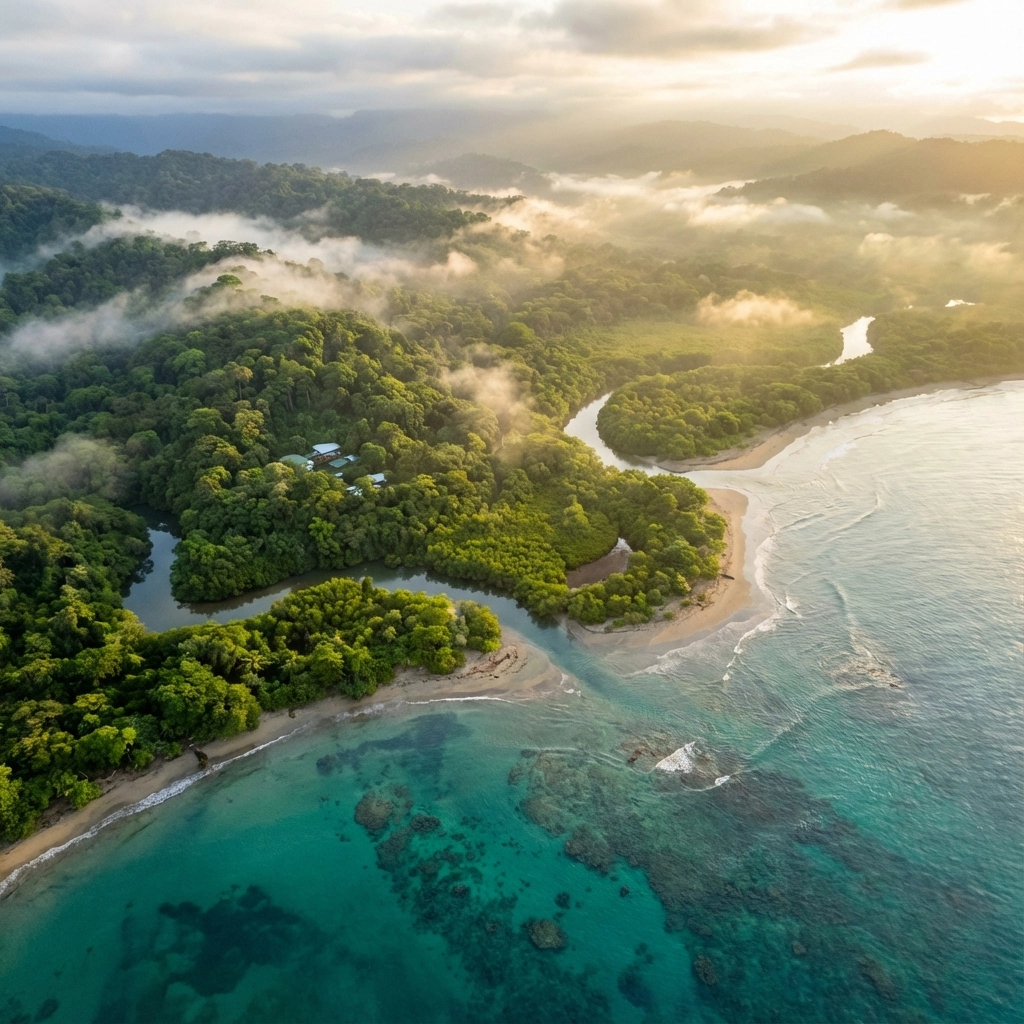
Research and identify key environmental themes that Costa Rica's diverse ecosystems can support. Focus on topics such as biodiversity conservation, climate change impacts, sustainable agriculture, or marine ecosystem protection. Ensure that selected themes provide sufficient depth for meaningful Costa Rica hands-on science learning experiences.
Step 2: Strategic Location Selection and Logistical Infrastructure
Select field study locations that offer diverse learning environments while maintaining accessibility and safety standards. Costa Rica's varied ecosystems: from cloud forests and rainforests to coastal marine environments: provide exceptional opportunities for immersive student wildlife experiences Costa Rica.
Conduct thorough site visits to assess facilities, transportation routes, accommodation options, and emergency access. Establish relationships with local guides, naturalists, and educational partners who can provide expert knowledge and cultural context for your Costa Rica student group travel.
Location Assessment Criteria:
Proximity to multiple ecosystem types for comparative studies
Availability of safe, appropriate accommodation facilities
Reliable transportation infrastructure and emergency access
Local partnerships with conservation organizations or research stations
Appropriate difficulty levels for student physical abilities and experience
Develop comprehensive logistical plans that address accommodation, meals, transportation, and equipment needs. Create detailed itineraries that balance structured learning activities with flexibility for unexpected opportunities or weather-related adjustments.
Establish clear protocols for group management, including supervision ratios, communication systems, and emergency procedures. Ensure that all logistical arrangements support educational objectives while maintaining the highest safety standards.
Step 3: Comprehensive Curriculum Development and Activity Planning
Design a curriculum structure that integrates pre-departure preparation, field-based learning experiences, and post-trip reflection activities. Create a seamless progression from classroom-based foundation knowledge to hands-on application in Costa Rican environments.
Develop pre-departure curricula that introduce students to Costa Rican geography, climate, biodiversity, and cultural contexts. Establish baseline knowledge in relevant scientific concepts, research methodologies, and data collection techniques that students will apply during field investigations.
Curriculum Components for Field Studies:
Species identification and ecological relationship studies
Habitat assessment and conservation status evaluations
Water quality testing and environmental monitoring protocols
Climate data collection and analysis activities
Cultural interview projects with local community members
Sustainable development case study investigations
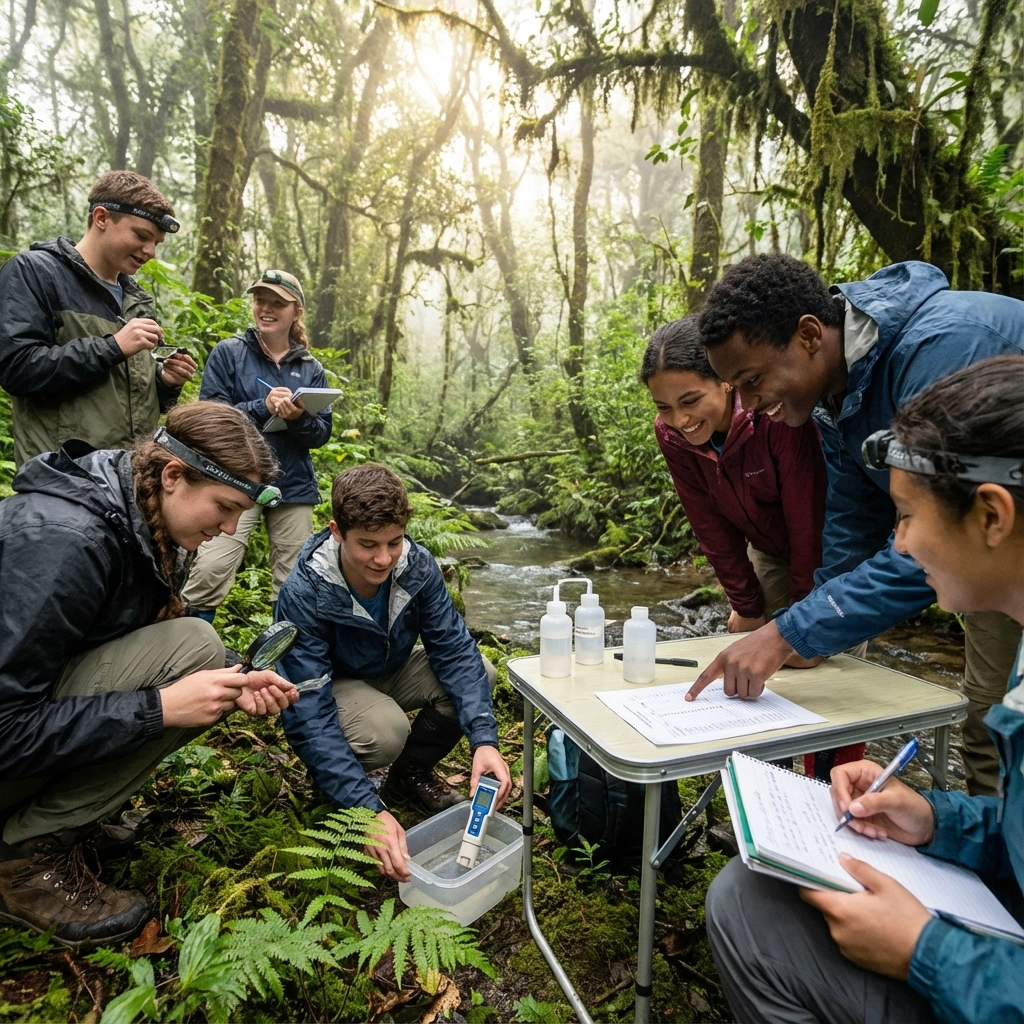
Create structured field notebooks and data collection templates that guide student observations and research activities. Establish clear expectations for daily documentation, scientific sketching, and reflection writing that will support post-trip analysis and presentation development.
Plan diverse field activities that accommodate different learning styles and physical abilities. Incorporate both individual research projects and collaborative group investigations that encourage peer learning and shared discovery experiences.
Step 4: Comprehensive Safety Protocols and Student Preparation
Implement thorough safety protocols that address all potential risks associated with international travel and outdoor field research. Develop emergency action plans that cover medical emergencies, severe weather events, transportation issues, and communication failures.
Establish clear health and fitness requirements for program participation. Communicate physical demands to students and parents well in advance, including expectations for hiking distances, terrain difficulty, and weather exposure conditions.
Essential Safety Preparation Elements:
Comprehensive medical clearance and documentation requirements
Emergency contact information and communication protocols
Travel insurance verification and coverage details
Medication management and first aid supply planning
Weather monitoring and contingency activity development
Local emergency service contact information and procedures
Conduct mandatory pre-departure orientation sessions that address safety expectations, cultural sensitivity guidelines, and behavioral standards. Ensure students understand their responsibilities for group safety and academic participation throughout the program.
Create detailed emergency communication plans that include regular check-in schedules with school administrators and parent contacts. Establish protocols for different emergency scenarios and ensure all chaperones understand their specific roles and responsibilities.
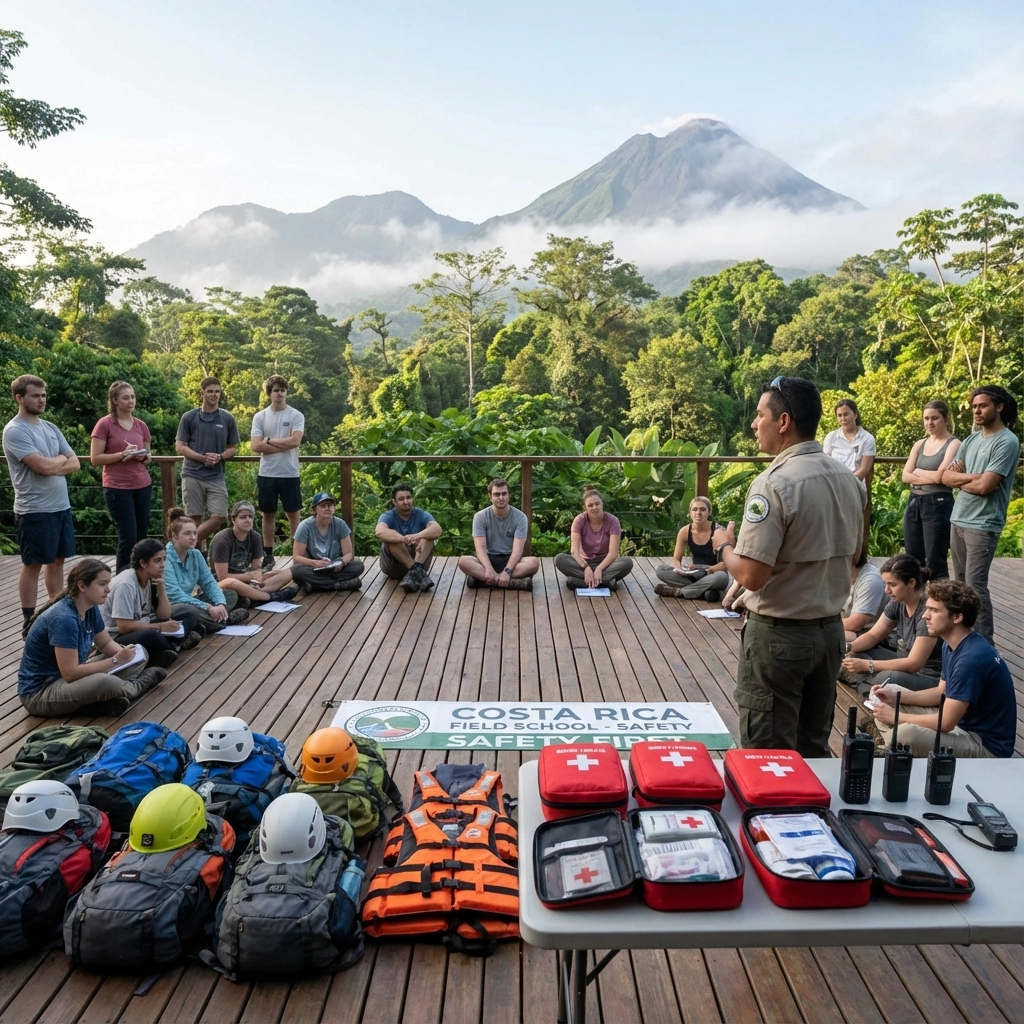
Provide students with comprehensive packing lists and equipment specifications. Advise students on appropriate clothing, personal supplies, and any specialized equipment needed for scientific investigations or cultural activities.
Step 5: Assessment Design and Program Evaluation Framework
Develop comprehensive assessment strategies that evaluate student learning throughout the program duration. Create assessment rubrics that measure academic achievement, personal growth, and cultural understanding development.
Design multiple assessment formats including daily journal reflections, collaborative research presentations, scientific report writing, and peer evaluation activities. Ensure assessments align with established learning objectives and provide meaningful feedback for student improvement.
Assessment Implementation Strategies:
Daily reflection journals with guided prompts and scientific observations
Collaborative group projects investigating specific conservation challenges
Individual research presentations showcasing field investigation results
Cultural interview projects demonstrating cross-cultural communication skills
Portfolio development including photographs, data analysis, and personal reflections
Post-trip action plan development for continued environmental engagement
Establish post-program follow-up activities that extend learning beyond the travel experience. Create opportunities for students to share their experiences with school communities, develop conservation action plans, or maintain connections with Costa Rican partner organizations.
Implement comprehensive program evaluation procedures that gather feedback from students, parents, and local partners. Use evaluation data to refine future program iterations and demonstrate educational value to school administrators and funding sources.
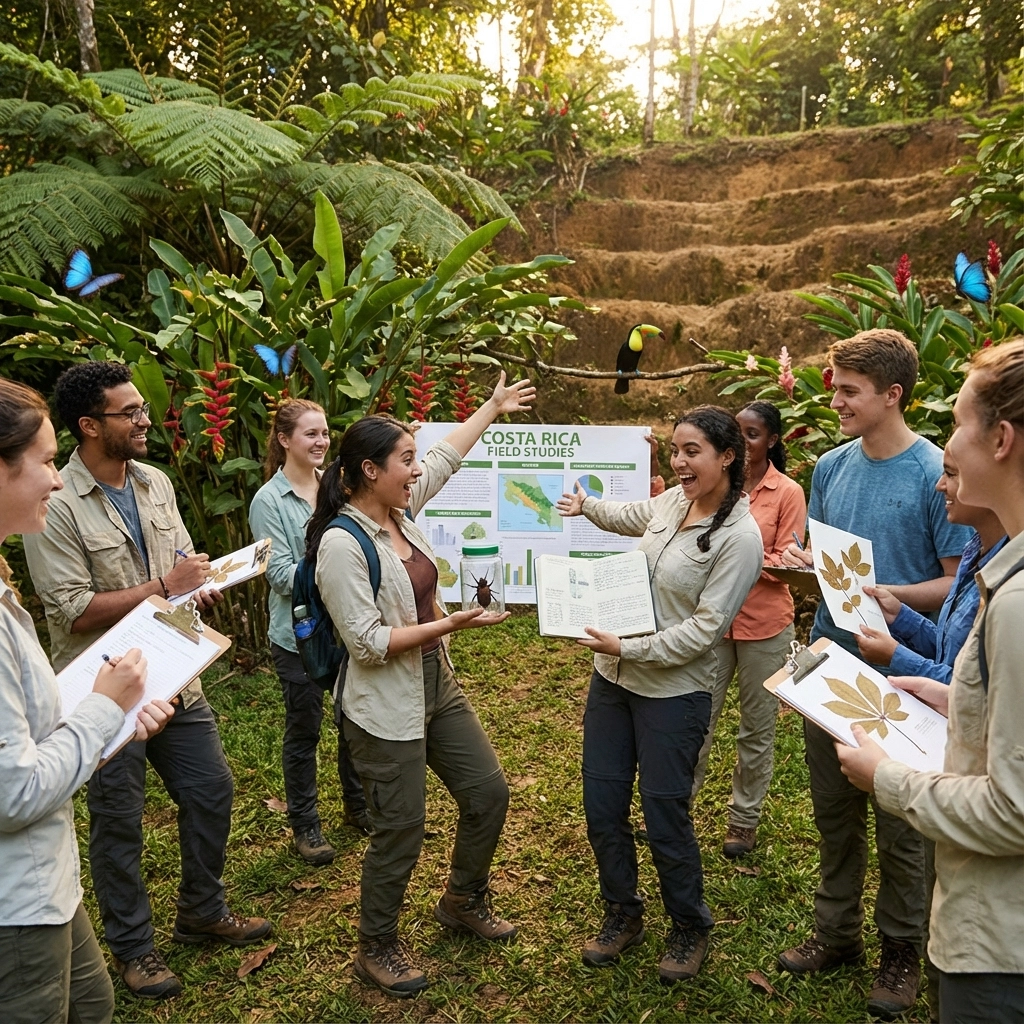
Create systems for documenting program impact through student testimonials, academic performance data, and long-term engagement tracking. This documentation supports program sustainability and helps secure ongoing administrative support for future educational trip Costa Rica initiatives.
Ensuring Program Success Through Comprehensive Planning
Creating unforgettable Costa Rica field studies for schools requires systematic attention to educational objectives, safety protocols, and logistical coordination. Success depends upon thorough preparation, clear communication with all stakeholders, and flexible implementation that responds to unexpected opportunities and challenges.
Remember that effective field studies programs extend learning far beyond the travel experience itself. The most impactful Costa Rica wildlife trip for students creates lasting connections between classroom concepts and real-world applications, inspiring students to become engaged environmental stewards and global citizens.
By following these five comprehensive steps, educators can develop transformative international learning experiences that meet rigorous academic standards while providing students with unforgettable opportunities for personal and intellectual growth. Proper preparation ensures that your Costa Rica student group travel program will create lasting educational impact and inspire continued learning long after students return home.
For educators seeking professional support in developing exceptional Costa Rica field study programs, Appleseed Expeditions provides comprehensive planning services that ensure educational excellence and student safety throughout every aspect of international learning experiences.

Comments