


How to Plan Your First Student Trip to Grand Canyon in 5 Simple Steps
- Caleb Mullenix
- Nov 18, 2025
- 5 min read

Planning a successful student trip to the Grand Canyon requires systematic preparation and meticulous attention to educational objectives, safety protocols, and logistical coordination. Ensuring the safety of students while maximizing learning opportunities is of paramount importance for every educator embarking on this transformative experience. The following five-step approach provides a comprehensive framework for organizing an unforgettable educational expedition that aligns with curriculum standards and creates lasting memories for your students.
Step 1: Start Early and Set Clear Educational Objectives
Begin your planning process 6-12 months before your intended travel date. This extended timeline ensures availability of specialized educational programs and allows adequate preparation time for all logistical requirements. Early planning demonstrates professionalism and increases your chances of securing the most desirable dates and programs for your student group.
Document your educational priorities in writing and share these objectives with administrators, parents, and chaperones. This documentation serves multiple purposes: it demonstrates the trip's academic merit, assists in securing administrative approval, and provides a foundation for funding requests. Research state and national curriculum standards that align with Grand Canyon experiences, particularly in earth science, environmental studies, and geography. This alignment strengthens your proposal and shows administrators how field experiences directly support standardized testing preparation and student achievement goals.

Create a comprehensive list of learning outcomes you expect students to achieve during the expedition. These might include understanding geological time scales, recognizing rock formations, observing ecosystem relationships, and developing outdoor survival skills. Beyond academic objectives, emphasize character-building opportunities such as independence, problem-solving abilities, and collaborative teamwork that naturally develop through outdoor learning experiences.
Establish preliminary budget parameters early in the planning process. Contact multiple vendors for transportation quotes, research accommodation options, and investigate meal planning costs. Present administrators with a detailed budget proposal that demonstrates fiscal responsibility and thorough preparation. Include contingency funds for unexpected expenses and weather-related itinerary modifications.
Step 2: Understand and Reserve Educational Programming
The Grand Canyon offers specialized ranger-led programs designed specifically for student groups that support state science standards and provide expert instruction at no additional cost. Contact the National Park Service Education Team immediately after establishing your travel dates to explore available programming options and secure reservations.
Priority educational programs include the Geo-Glimpse Program, which features interactive demonstrations at the Yavapai Geology Museum. During these sessions, students analyze actual canyon rock specimens while learning about geological time scales and formation processes. These hands-on experiences directly support earth science curriculum requirements and significantly enhance student engagement through experiential learning opportunities.
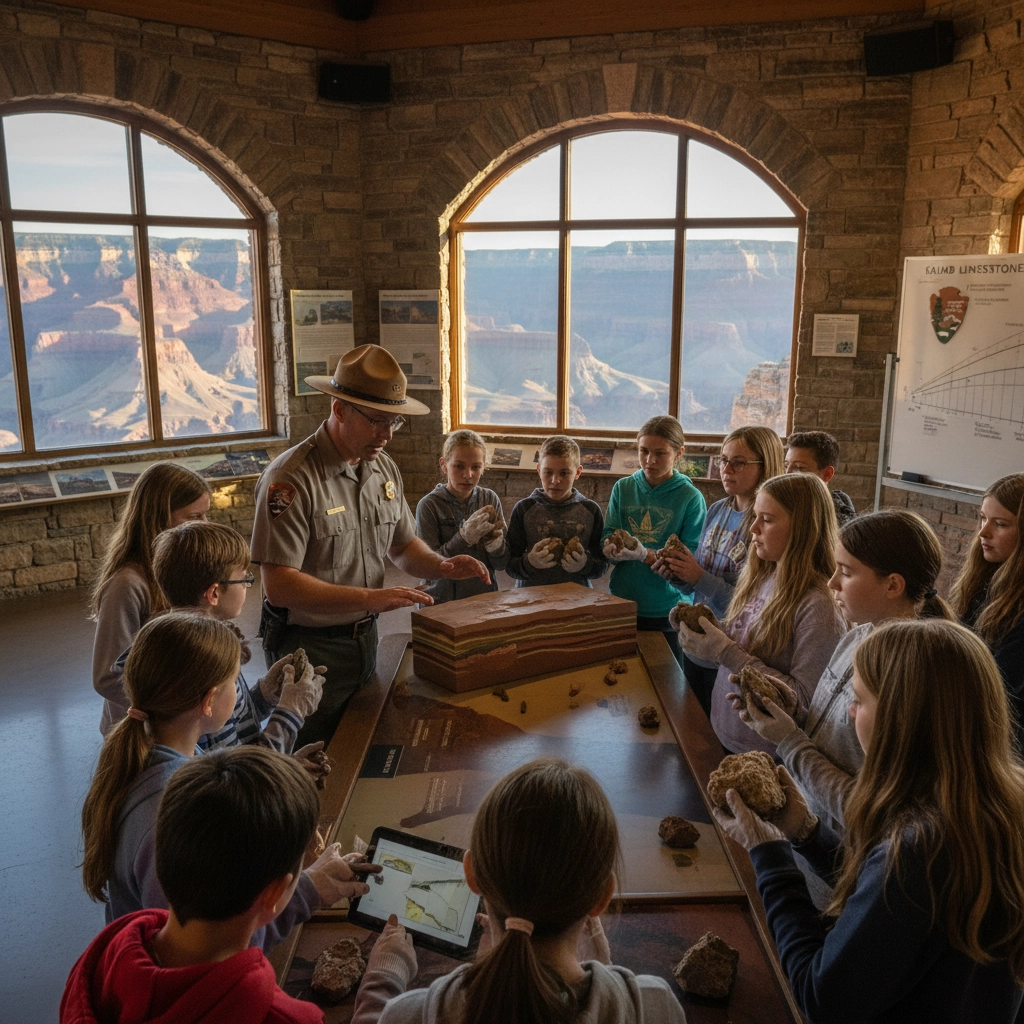
Research additional ranger programs such as fossil discovery workshops, wildlife tracking expeditions, and Native American cultural presentations. Each program aligns with specific curriculum standards and provides professional instruction that surpasses typical classroom experiences. Submit educational fee waiver requests early, as these can significantly reduce overall trip costs while maintaining high-quality programming.
Coordinate with park rangers to customize program content based on your students' grade level and academic preparation. Discuss pre-visit activities that rangers recommend to maximize student understanding during field experiences. Many programs include take-home materials and follow-up resources that extend learning beyond the trip duration.
Step 3: Create a Detailed Timeline and Coordinate Logistics
Organize your planning process into three distinct phases to ensure comprehensive preparation and avoid overlooking critical details.
6-12 Months Before Travel: Submit all National Park Service program reservation requests and educational fee waiver applications. Establish preliminary budget parameters and secure initial school administrative approval through formal proposal submission. Begin parent communication with introductory trip announcements that highlight educational objectives and preliminary cost estimates.
3-6 Months Before Travel: Finalize all ranger program confirmations and create detailed day-by-day itineraries with specific timing for each activity. Coordinate transportation arrangements, ensuring vehicles meet safety standards and driver qualifications comply with school policies. Establish comprehensive emergency communication protocols that include contact information for school administrators, parents, and local emergency services.
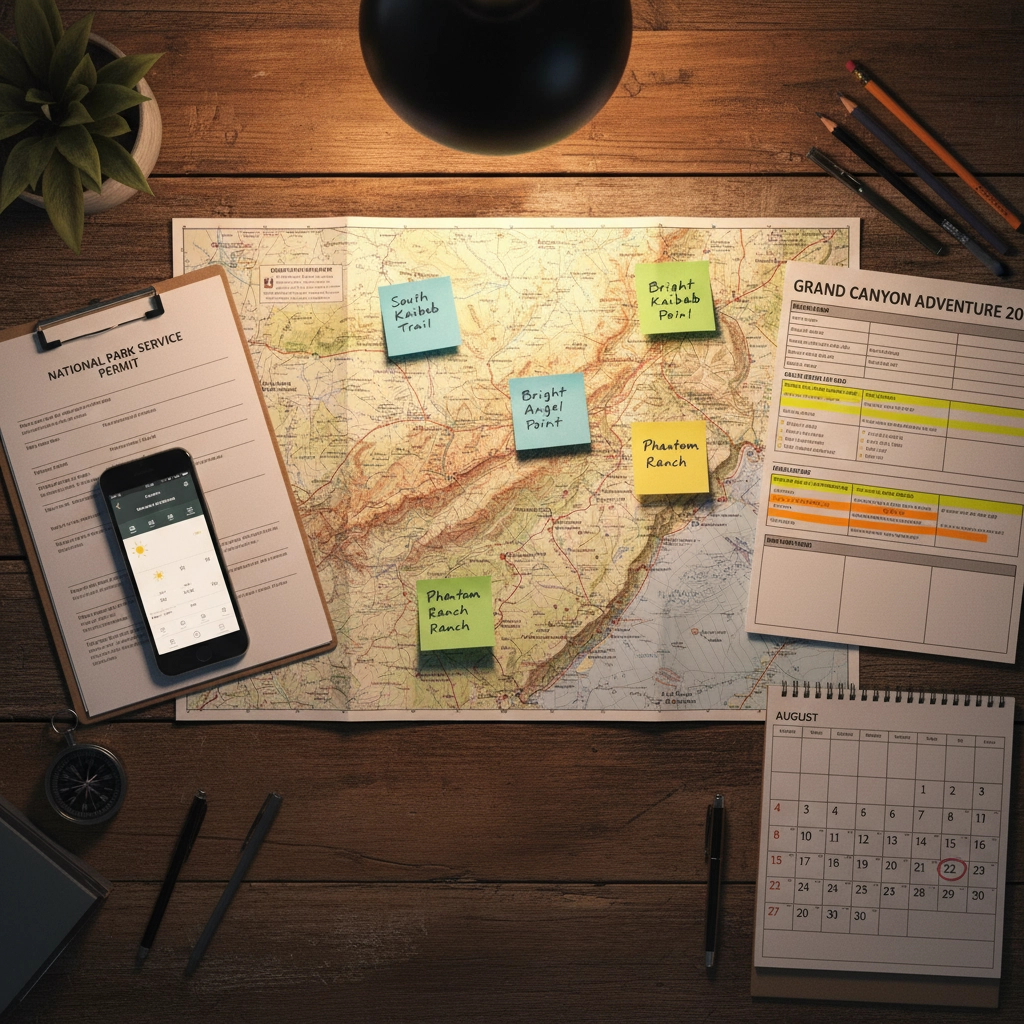
Organize chaperone recruitment and conduct mandatory training sessions to ensure adequate adult supervision ratios meet school policy requirements. Develop pre-visit curriculum activities that prepare students for field experiences, including vocabulary development, geographical orientation, and safety protocol reviews. Distribute permission forms and medical information requests to parents with clear deadlines for return.
1-3 Months Before Travel: Distribute comprehensive packing lists with weather-specific recommendations and seasonal clothing requirements. Conduct mandatory parent information meetings to review detailed itineraries, behavioral expectations, and emergency procedures. Coordinate final arrangements with food service providers and accommodation facilities, confirming all special dietary requirements and accessibility needs.
Step 4: Assess Physical Demands and Establish Safety Protocols
Evaluate your students' age levels and physical capabilities against planned activities to ensure appropriate challenge levels without compromising safety. Winter conditions at higher elevations may include snow and ice, particularly affecting North Rim access from mid-October through mid-May. Adjust itineraries based on seasonal accessibility and realistic assessments of student physical capabilities.
Develop comprehensive emergency weather protocols including lightning safety procedures, severe weather shelter locations, and evacuation routes. Share these protocols with all students, parents, and chaperones before departure to ensure universal understanding and compliance. Create clear behavioral expectations for trail safety, emphasizing the importance of staying with designated groups, following marked pathways, and maintaining appropriate distances from cliff edges.
Establish detailed communication protocols with school administrators and parents for regular check-ins throughout the expedition. Coordinate with local emergency services to identify nearest medical facilities and establish contact procedures for various emergency scenarios. Prepare comprehensive first aid supplies and ensure multiple chaperones understand basic emergency response procedures.
Create backup activity plans for weather-related itinerary changes. Research indoor educational facilities, alternative hiking routes, and modified programming options that maintain educational value while prioritizing student safety. Communicate contingency planning to parents and administrators to demonstrate thorough preparation and risk management.
Step 5: Prepare Students for Active Engagement and Documentation
Assign students specific observation roles during the expedition, such as geology recorder, wildlife observer, weather monitor, or photography coordinator. This preparation strategy ensures active engagement throughout the experience and creates deeper learning opportunities through focused responsibility assignments. Provide students with field journals and customized observation worksheets designed specifically for Grand Canyon activities.
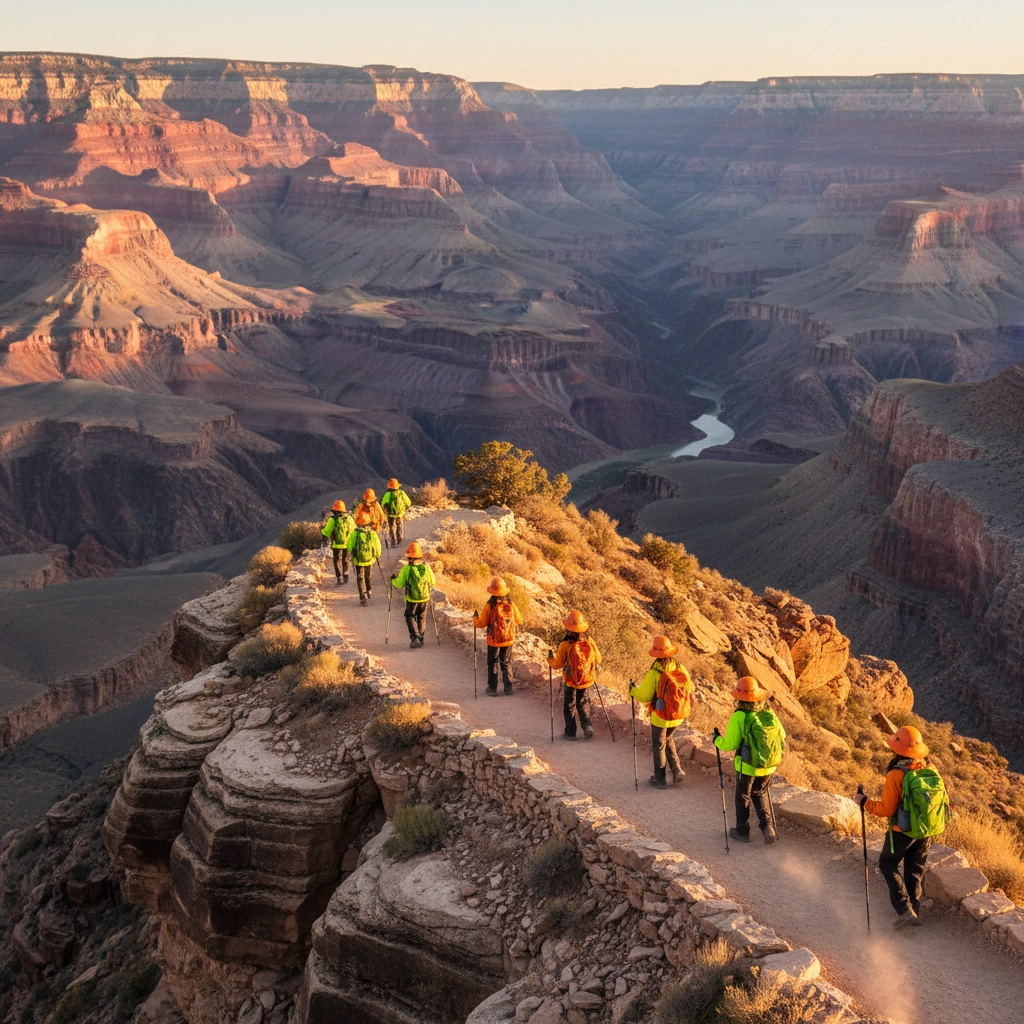
Encourage students to maintain detailed field notes, geological sketches, and photographic documentation of their observations. Emphasize the importance of scientific accuracy in recording data and encourage students to formulate questions based on field observations. Implement structured reflection activities each evening to reinforce daily learning experiences and create opportunities for students to share discoveries with peers through informal presentations.
Develop pre-trip assignments that familiarize students with canyon geology, indigenous history, and conservation challenges. These assignments create foundational knowledge that enhances field experience comprehension and enables students to make meaningful connections between classroom learning and real-world observations.
Establish clear expectations for student behavior during ranger programs, emphasizing respectful listening, appropriate questioning techniques, and active participation in hands-on activities. Review proper outdoor ethics including Leave No Trace principles, wildlife observation guidelines, and trail courtesy practices.
Following these five comprehensive steps ensures systematic preparation that maximizes educational outcomes while prioritizing student safety throughout the expedition. Thorough planning demonstrates professionalism, secures administrative support, and creates transformative learning experiences that students will remember throughout their academic careers.
For educators seeking expertly guided Grand Canyon experiences that seamlessly integrate curriculum standards with adventure-based learning, Appleseed Expeditions provides comprehensive educational travel services designed specifically for student groups. Our experienced guides and customized programming ensure your students experience the Grand Canyon's educational potential while maintaining the highest safety standards throughout their expedition.
Comments