


How to Turn Your Costa Rica Student Trip Into Hands-On STEM Learning That Actually Sticks
- Caleb Mullenix
- Dec 11, 2025
- 5 min read

Ensuring that your student trip to Costa Rica transforms into meaningful STEM learning requires intentional planning, strategic partnerships, and carefully designed educational experiences. A successful educational trip Costa Rica goes beyond sightseeing: it immerses students in real-world scientific challenges that create lasting impact on their academic and career trajectories.
Establish Clear Learning Objectives Before Departure
Begin by researching specific STEM learning goals that align with your curriculum standards and your students' academic needs. Costa Rica STEM trips for students must have defined objectives that connect classroom theory to field experiences. Create measurable learning outcomes such as biodiversity data collection, environmental impact analysis, or engineering problem-solving challenges.
Develop pre-trip assignments that introduce students to Costa Rican ecosystems, conservation challenges, and scientific research methods. This preparation ensures students arrive with foundational knowledge, maximizing the effectiveness of hands-on experiences. Share detailed learning objectives with parents and administrators to demonstrate the academic rigor of your student travel Costa Rica program.
Design Research-Based Field Studies
Transform your Costa Rica trip into authentic scientific inquiry by partnering students with ongoing research projects. Costa Rica field studies for schools should mirror real scientific methodology, requiring students to formulate hypotheses, collect data systematically, and analyze results using appropriate statistical methods.
Coordinate with local research stations, universities, or conservation organizations to access current research initiatives. Students can contribute meaningful data to studies on species migration, climate change impacts, or forest regeneration patterns. This approach ensures that Costa Rica hands-on science learning extends beyond observation to genuine scientific contribution.
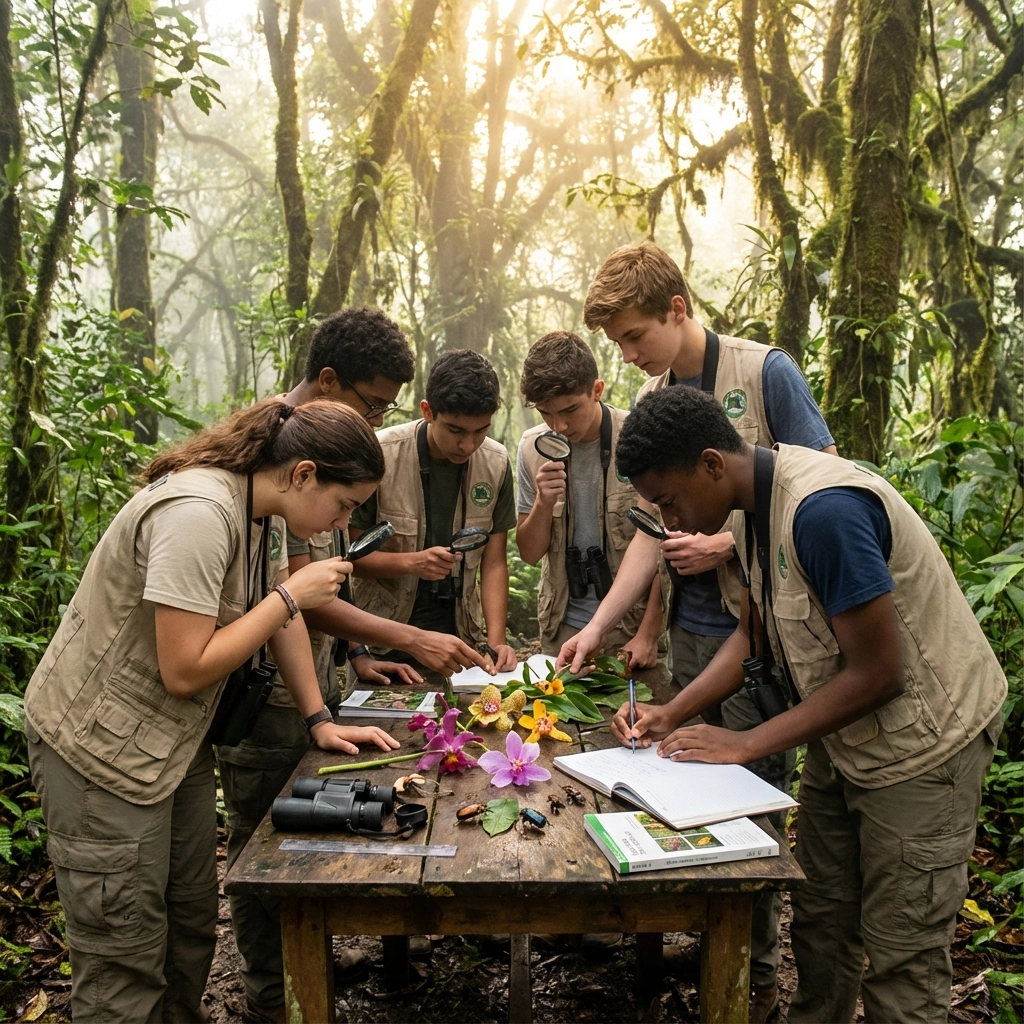
Document all research protocols meticulously, providing students with professional-grade data collection sheets and measurement tools. Encourage students to maintain detailed field journals throughout their research experiences, emphasizing the importance of accurate record-keeping in scientific work.
Integrate Wildlife Observation with Data Collection
Structure your Costa Rica wildlife trip for students around systematic observation and data recording rather than passive wildlife viewing. Develop specific protocols for documenting species encounters, habitat characteristics, and behavioral observations.
Create student teams responsible for different aspects of wildlife documentation: one team focusing on bird species identification and counting, another recording mammal tracks and signs, and a third documenting insect diversity and abundance. This systematic approach transforms wildlife encounters into quantifiable scientific data.
Provide students with appropriate field guides, measurement tools, and data recording systems. Teach proper wildlife observation techniques that minimize disturbance while maximizing learning opportunities. Emphasize ethical wildlife viewing practices and the importance of respecting natural habitats.
Leverage Costa Rica's Biodiversity for Ecosystem Studies
Costa Rica's extraordinary biodiversity provides unparalleled opportunities for comprehensive ecosystem analysis. Costa Rica biodiversity tours for students should focus on understanding interconnected relationships between species, habitats, and environmental factors rather than simply identifying individual organisms.
Design comparative studies across different ecosystems: cloud forests, rainforests, coastal wetlands, and volcanic landscapes. Students can analyze how environmental factors such as altitude, precipitation, and soil composition influence species composition and abundance.
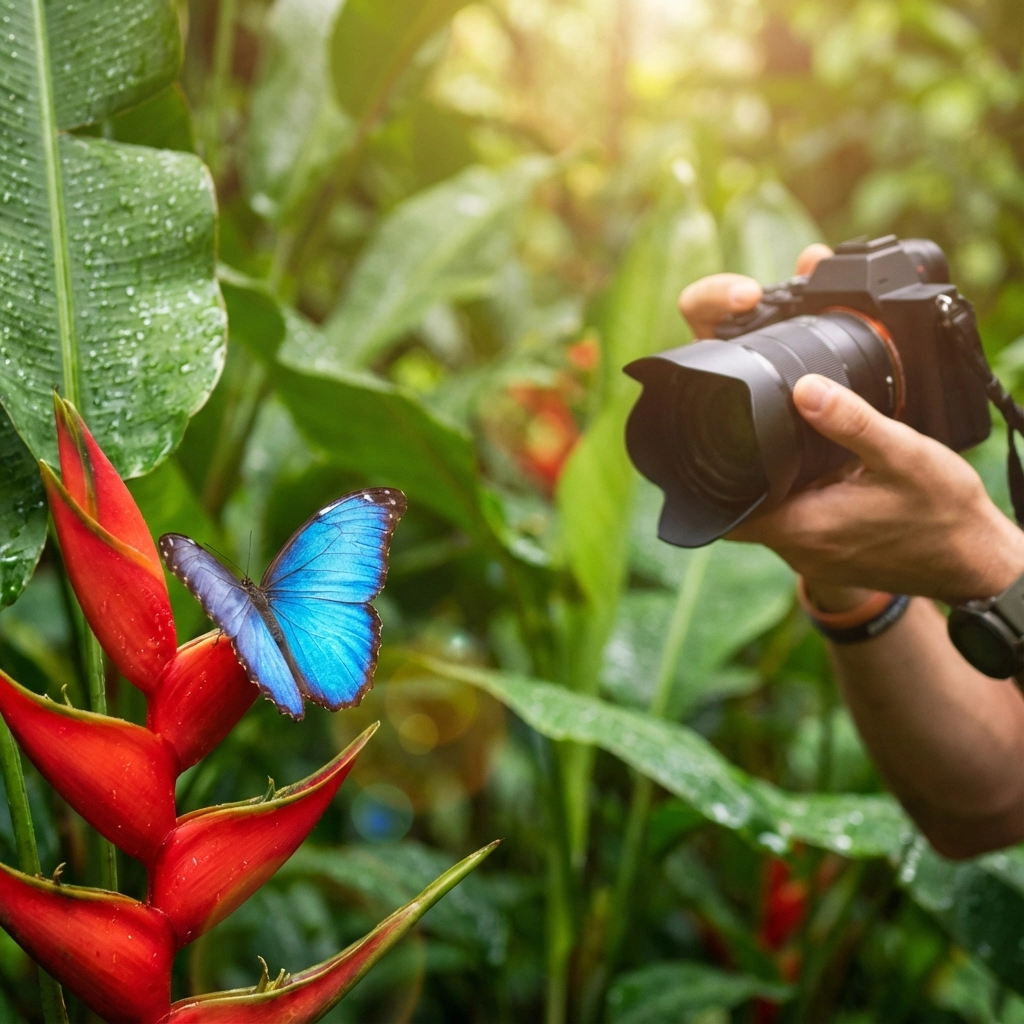
Create detailed ecosystem mapping exercises where students document plant communities, animal habitats, and environmental gradients. These activities develop critical thinking skills while reinforcing concepts related to ecology, evolution, and conservation biology.
Implement Problem-Based Learning Scenarios
Structure immersive student wildlife experiences Costa Rica around real conservation challenges facing the region. Present students with authentic problems such as habitat fragmentation, species endangerment, or sustainable tourism development.
Organize students into research teams tasked with developing evidence-based solutions to these challenges. Require teams to conduct background research, analyze field data, consult with local experts, and present comprehensive recommendations.
This problem-based approach ensures that students engage with complex scientific and social issues while developing critical thinking, communication, and collaboration skills essential for STEM careers.
Partner with Local Scientific Institutions
Establish partnerships with Costa Rican universities, research stations, and conservation organizations to provide students with access to professional scientists and ongoing research projects. These partnerships enhance the credibility and depth of your Costa Rica STEM trips for students.
Arrange for students to visit active research facilities where they can observe professional scientific work and interact with researchers studying topics relevant to their curriculum. These experiences provide valuable career insights while demonstrating real-world applications of classroom learning.
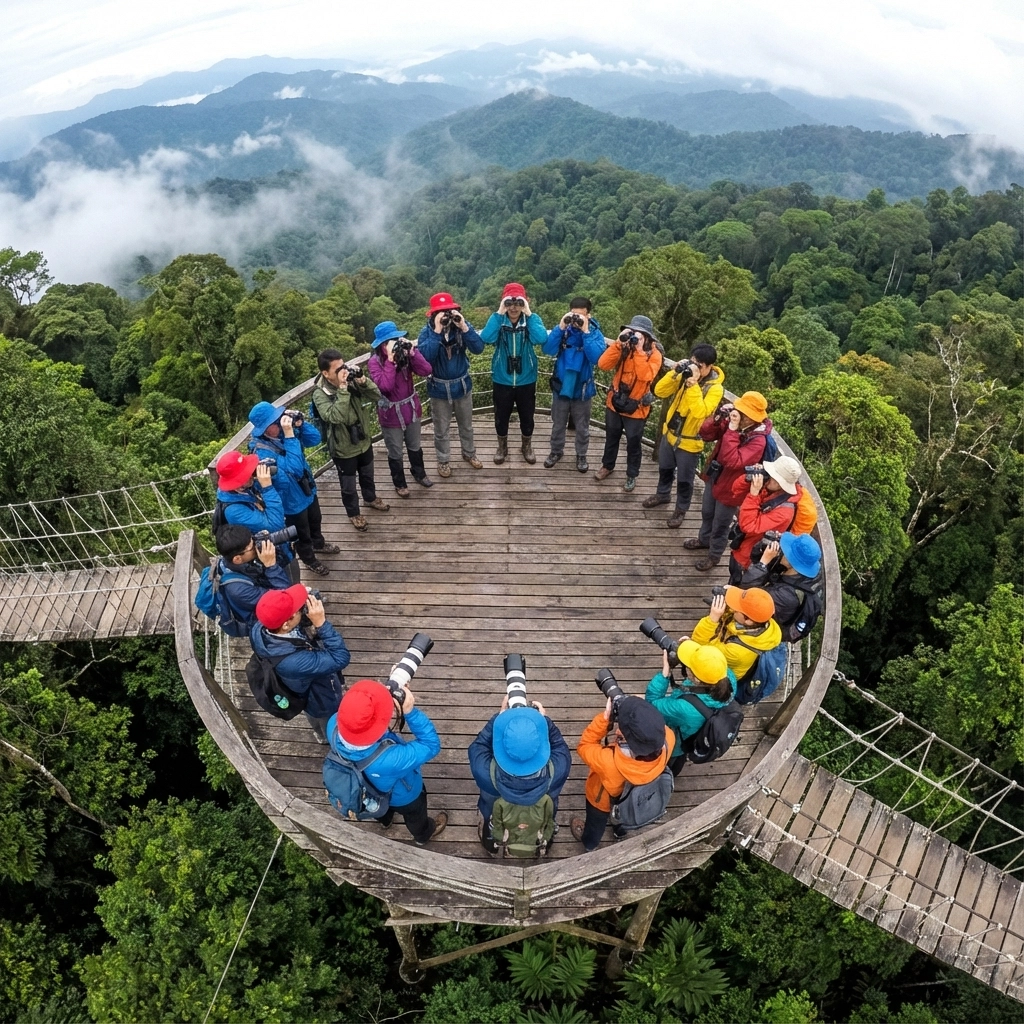
Encourage students to engage directly with local scientists through interviews, research presentations, and collaborative data collection activities. These interactions help students understand the global nature of scientific work and the importance of international collaboration in addressing environmental challenges.
Create Technology Integration Opportunities
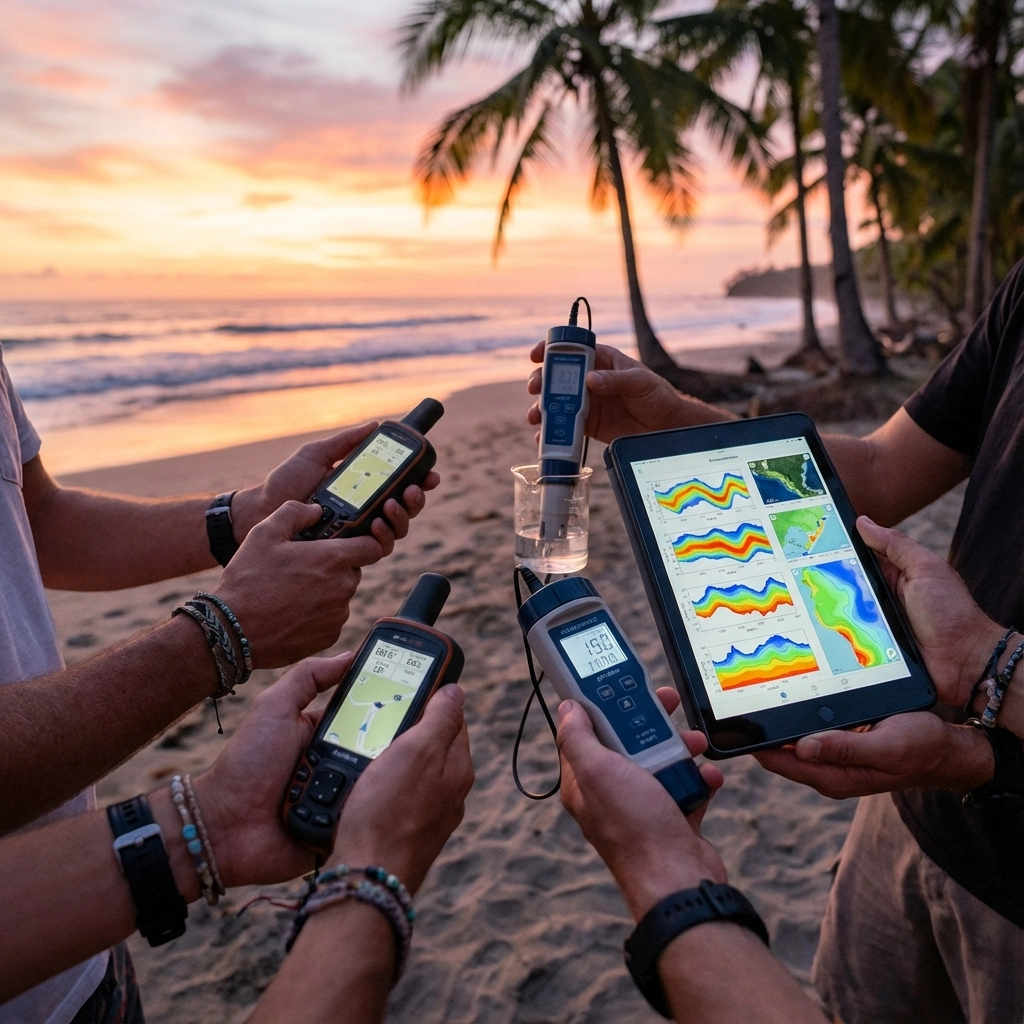
Incorporate modern technology tools to enhance data collection, analysis, and communication during your educational trip Costa Rica. Provide students with GPS units, digital cameras, data loggers, and mobile applications for species identification and environmental monitoring.
Teach students to use geographic information systems (GIS) for mapping and spatial analysis of their field data. This technology integration helps students develop digital literacy skills while enhancing their understanding of spatial relationships in ecological systems.
Design projects that require students to create digital presentations, databases, or websites documenting their research findings. These technology applications ensure that learning continues beyond the field experience while developing communication skills essential for scientific careers.
Establish Community Connections
Connect your Costa Rica hands-on science learning program with local communities to provide cultural context for scientific work. Arrange visits with local farmers, conservationists, or community leaders who can share perspectives on environmental challenges and solutions.
Design service learning components that allow students to contribute positively to local communities while applying their scientific knowledge. These might include water quality testing for local schools, biodiversity surveys for community-managed forests, or environmental education programs for local children.
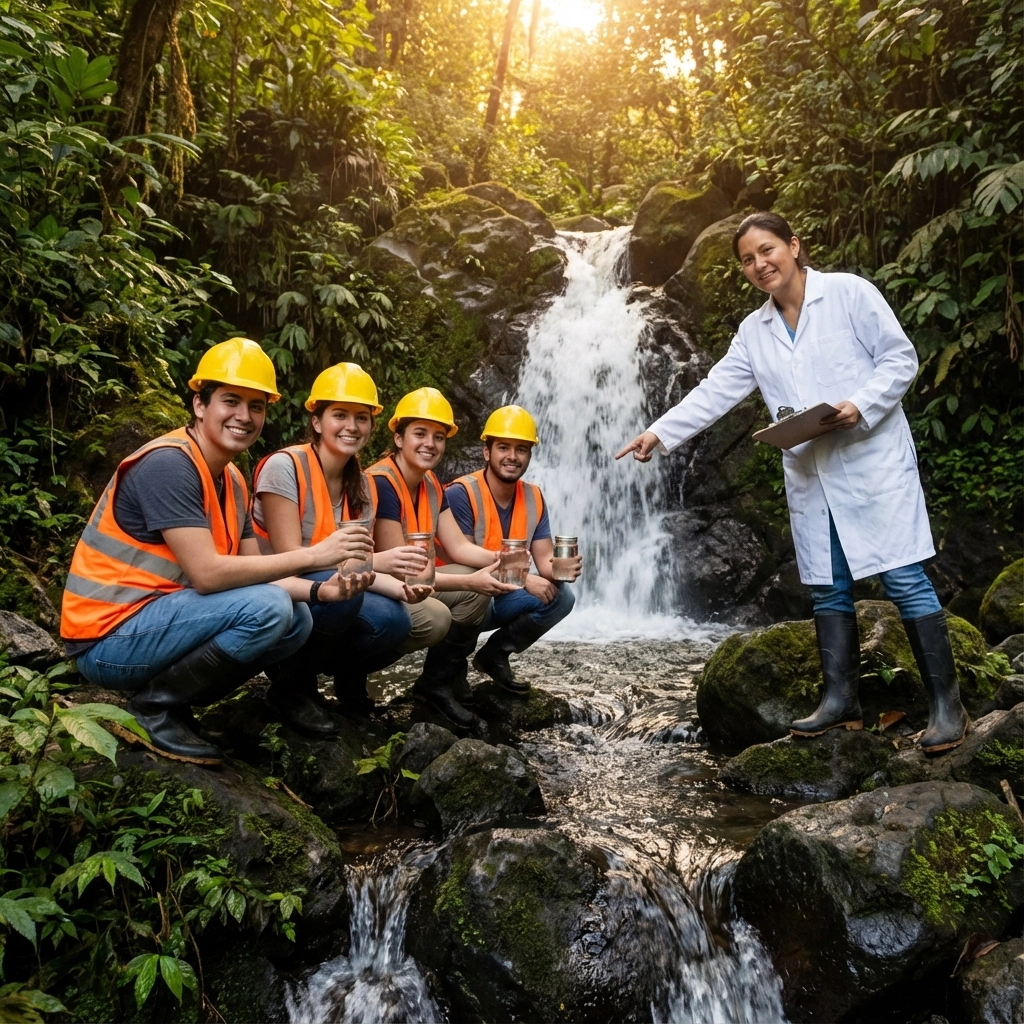
These community connections help students understand the social dimensions of scientific work while developing cultural competency and global awareness essential for modern STEM careers.
Implement Structured Reflection Processes
Design systematic reflection activities throughout your student travel Costa Rica experience to help students process and integrate their learning. Daily reflection sessions should encourage students to connect field experiences with classroom concepts while identifying questions for further investigation.
Require students to maintain detailed learning journals documenting not only scientific observations but also their thought processes, questions, and insights. These reflective practices enhance learning retention while developing metacognitive skills essential for lifelong learning.
Create opportunities for peer discussion and knowledge sharing through evening presentations where student teams share their daily findings and insights with the broader group.
Develop Assessment Strategies for Field Learning
Create comprehensive assessment rubrics that evaluate both scientific content knowledge and process skills demonstrated during field experiences. Costa Rica biodiversity tours for students require assessment strategies that go beyond traditional testing to capture hands-on learning achievements.
Design authentic assessment tasks such as research reports, data analysis projects, or scientific presentations that require students to demonstrate their understanding of concepts learned during field experiences.
Implement peer assessment opportunities where students evaluate each other's contributions to team research projects, developing critical evaluation skills while reinforcing learning expectations.
Prepare for Long-Term Impact
Establish mechanisms for continued learning and application after returning from your Costa Rica field studies for schools experience. Design follow-up projects that require students to apply their field research to classroom investigations or community action projects.
Create opportunities for students to share their Costa Rica experiences with other classes, parents, or community groups through presentations, displays, or written reports. These sharing activities reinforce learning while developing communication skills.
Encourage students to maintain connections with Costa Rican partners or research projects through ongoing correspondence or data sharing, fostering long-term engagement with scientific work.
Transform your next student expedition into a transformative STEM learning experience with Appleseed Expeditions. Our expertly designed educational travel programs provide the structured framework, safety protocols, and educational partnerships necessary to ensure your Costa Rica STEM trip creates lasting academic impact while maintaining the highest standards of student safety and engagement.
Comments